
Sea War Museum Jutland, Central Jutland Travel Guide
Evocative World War I naval museum on Denmark’s west coast, pairing deep-cut Battle of Jutland history with a stark, moving memorial in the surrounding dunes.
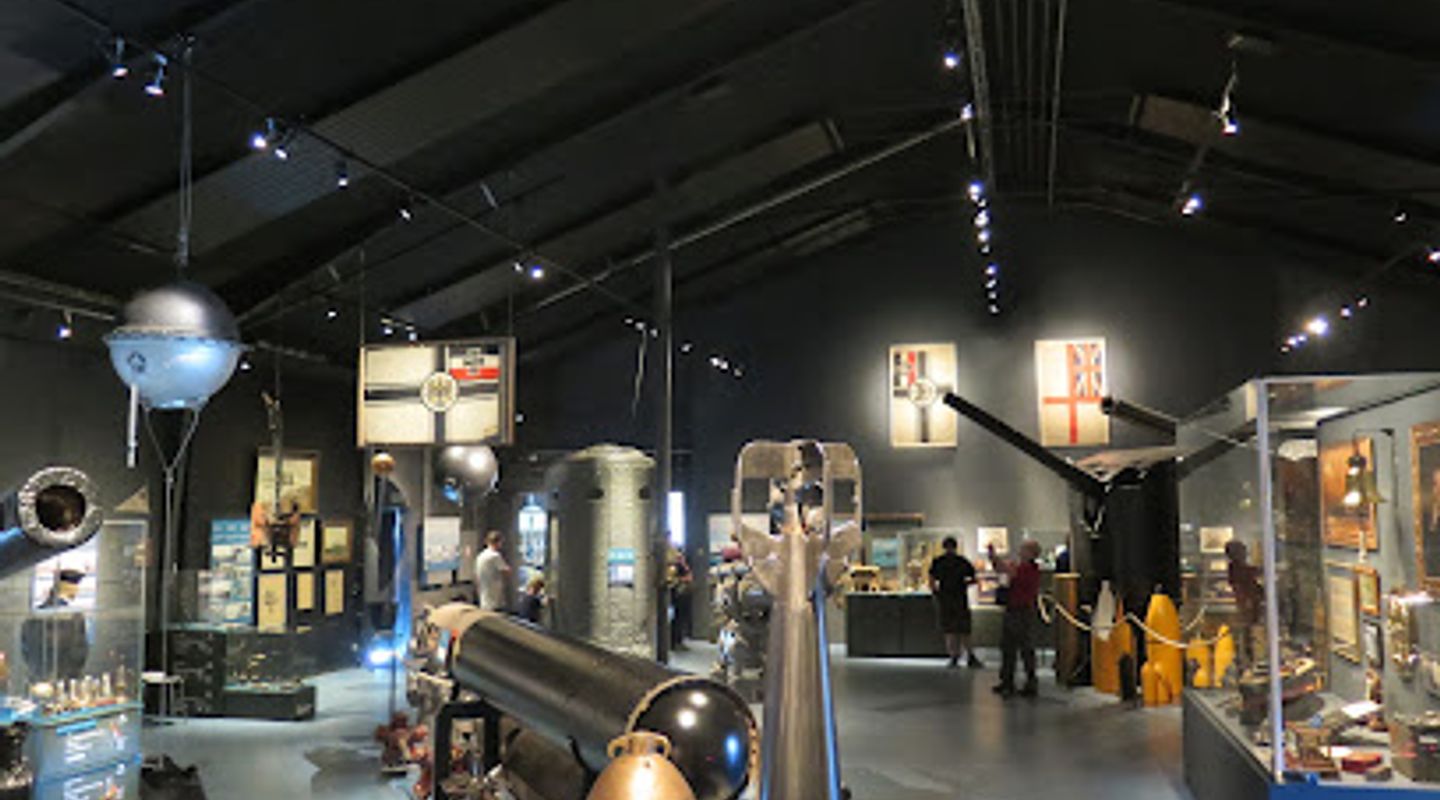
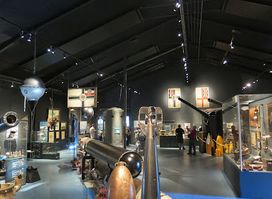
Sea War Museum Jutland in Thyborøn is Denmark’s only museum devoted solely to international naval history, focusing on World War I in the North Sea and the 1916 Battle of Jutland. Set by the windswept west coast, its atmospheric galleries showcase artefacts recovered from wrecks, immersive displays on mines, U-boats and airships, and powerful storytelling centred on the human cost of war. Just outside, the sculptural Memorial Park in the dunes commemorates the 8,645 British and German sailors who lost their lives, turning the surrounding landscape into a poignant, contemplative open-air monument.
A brief summary to Sea War Museum Jutland
- Kystcentervej 11, Thyboron, 7680, DK
- Click to display
- Click to display
- Duration: 2 to 4 hours
- Mid ranged
-
 Mixed
Mixed
- Mobile reception: 4 out of 5
- Monday 10 am-5 pm
- Tuesday 10 am-5 pm
- Wednesday 10 am-5 pm
- Thursday 10 am-5 pm
- Friday 10 am-5 pm
- Saturday 10 am-5 pm
- Sunday 10 am-5 pm

Know before you go
Hi, I'm Eve. Here are a few practical things to know before exploring Sea War Museum Jutland.
- Allow at least two to three hours to pair the indoor exhibitions with an unhurried walk through the Battle of Jutland Memorial Park in the dunes.
- Bring a windproof layer; even on sunny days the coastal breeze around the memorial and along the shoreline can feel surprisingly cold.
- Start indoors to understand the battle’s context, then visit the memorial park afterward—seeing the stones is more powerful once you know each ship’s story.
- Check opening hours and any seasonal variations in advance, as schedules can differ between summer and the quieter autumn and winter periods.
- If you enjoy photography, come in late afternoon when the low coastal light adds drama to the granite stones and windswept sand dunes.
Do you manage this location?
Take control to get all the benefits, like improved information, better appearance, and stronger visibility across AI-powered discovery. Learn more about listing your business on Evendo
Activate your presenceOther nearby places you may find interesting
The closest places of the same kind, if this one is not quite what you had in mind.
Explore Sea War Museum Jutland on the Map
A handpicked selection of must-see spots near Sea War Museum Jutland, mapped for you.
Getting There
-
Regional train and short walk from Lemvig
From Lemvig, take the regional train on the Lemvigbanen line toward Thyborøn; the journey typically takes around 45–55 minutes and trains usually run hourly during the day. A standard adult ticket for this route generally falls in the range of 40–70 DKK one way, depending on discounts and time of purchase. On arrival in Thyborøn, expect an easy, mostly flat walk of about 10–20 minutes through the town to reach the museum buildings near the waterfront. Services can be less frequent in late evenings and on some holidays, so check the timetable in advance if you are planning a same‑day return.
-
Car from Lemvig via coastal route
Driving from Lemvig to Sea War Museum Jutland typically takes 35–45 minutes along the regional road heading northwest toward Thyborøn. The route is straightforward and mostly flat, but can be exposed to strong coastal winds and occasional sea fog. There is usually free or low‑cost parking available in the vicinity of the museum and nearby attractions, though spaces close to the entrance may fill up in peak summer or during commemorative events. Fuel costs for the return trip are modest, but factor in extra time in high season when local traffic through the fishing town can be slower.
-
Bus connection from nearby West Jutland towns
In addition to the train, regional buses link Thyborøn with other West Jutland towns, often connecting through Lemvig or larger hubs inland. Typical travel times range from 1 to 2 hours depending on your starting point and connections. Single tickets usually cost between 30 and 90 DKK within the region, influenced by distance and ticket type. Services may be less frequent on weekends and outside the summer season, so it is wise to plan your outward and return journeys in advance and allow a buffer if you also wish to explore the Memorial Park and surrounding dunes.
For the on-the-go comforts that matter to you
-
 Restrooms
-
 Drink Options
-
 Drinking Water
-
 Food Options
-
 Seating Areas
-
 Sheltered Areas
-
 Trash Bins
-
 Information Boards
-
 Visitor Center
Discover more about Sea War Museum Jutland
World War I at the Edge of the North Sea
Sea War Museum Jutland sits in the small port town of Thyborøn, within sight of the North Sea whose cold waters shaped its story. Inside, the focus is firmly on World War I at sea, especially the 1916 Battle of Jutland, the largest naval clash in history. Here, 250 British and German ships and around 100,000 men fought for control of vital sea routes, with gunfire so intense it was reportedly heard on land along this very stretch of coast.The museum’s galleries explain how the North Sea became a theatre of blockades, counter-blockades and attritional warfare. Detailed maps, models and timelines trace the movements of the British Grand Fleet and the German High Seas Fleet, turning complex strategy into a clear narrative. The emphasis is not on glorifying victory or defeat, but on showing how control of these waters shaped the wider outcome of the war.Artefacts Raised from the Deep
Many of the objects on display were recovered from wrecks by divers and researchers, giving the exhibitions an immediacy you can almost touch. Corroded gun barrels, twisted hull fragments and everyday items from sailors’ lives are presented with clear explanations of which vessel they came from and what happened to it. You may encounter parts of mines and torpedoes, periscope equipment and sections of heavy armour plating that hint at the destructive power of industrialised warfare.Large-scale sonar images and photographs of wreck sites add a modern archaeological layer to the story. These visualisations allow you to “see” ships that still lie on the seabed, their outlines preserved by silt and cold water. Combined with the physical artefacts, they bridge a century of history, connecting the calm of the museum halls with the chaos of battle far offshore.Stories of Sailors and Submarines
Beyond the big ships and famous admirals, the museum gives considerable space to the individuals who fought here. Panels and displays highlight the routines, dangers and superstitions of sailors on both sides of the conflict. Personal objects, uniforms and reconstructed scenes help you imagine life aboard cramped destroyers, towering dreadnoughts and stealthy U‑boats.Submarine warfare in particular comes into focus, showing how fragile steel hulls, experimental technology and high-risk tactics transformed the conflict at sea. Exhibits on mines, depth charges and convoy systems explain how navies tried to adapt to this new threat. The overall message is one of technological ingenuity set against the stark reality that each innovation cost lives in equal measure.A Memorial in the Dunes
Step outside and the narrative continues in the Battle of Jutland Memorial Park, laid out in the dunes just beyond the museum. Here, 26 tall granite stones rise from the sand like the prows of sinking ships, each representing a vessel lost in the battle. One additional stone honours those who died on ships that did not go down, acknowledging that the sea claimed lives in many different ways.Around the stones, stylised human figures gradually fill the landscape, intended ultimately to match the 8,645 sailors who perished. The combination of raw stone, shifting sand and ever-present sea wind creates a powerful form of land art. On this neutral Danish ground, the memorial makes no distinction between nationalities; instead it underscores the shared tragedy of all who fought and died here.Reflective Atmosphere and Visitor Experience
Inside, lighting is generally subdued, with spotlit exhibits and darkened corridors drawing attention to objects and archive material. Texts are typically available in multiple languages, encouraging slow, thoughtful exploration rather than quick browsing. The museum’s stated motto, that war is a tragedy and should not be glorified, infuses both the design and the interpretive style.Expect to spend ample time moving between indoor galleries and the open-air memorial, perhaps pausing on benches or dune paths to look out toward the sea where the battle took place more than 100 kilometres offshore. The combination of rigorous historical detail, evocative artefacts and a stark coastal setting makes Sea War Museum Jutland as much a place for reflection as for learning, inviting you to consider both the power and the cost of naval warfare.












Your all‑in‑one travel companion app
Explore expert travel guides, compare and book tours, experiences, hotels, and more—all from the palm of your hand. Download now for seamless trip planning wherever your wanderlust takes you.


Explore More of Central Jutland
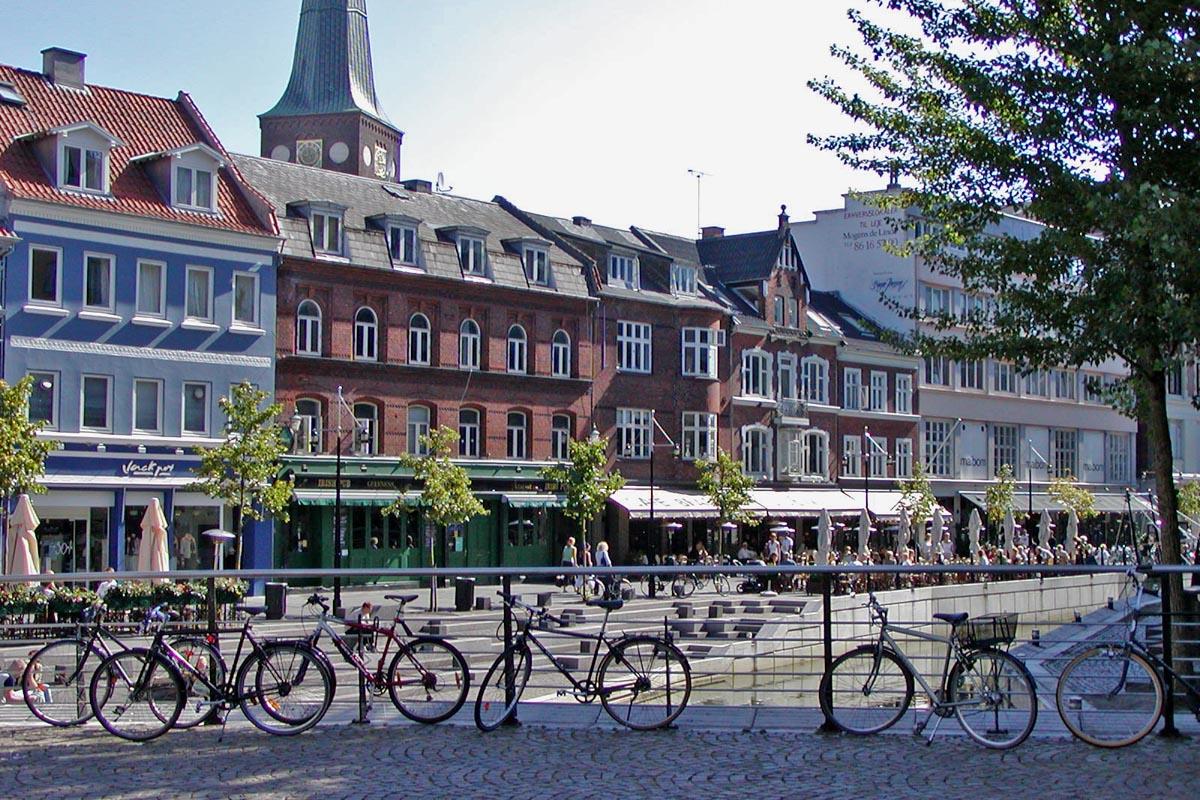
Looking beyond Sea War Museum Jutland? Discover Central Jutland for broader travel guides, local hot-spots, and regional highlights.
Explore Central Jutland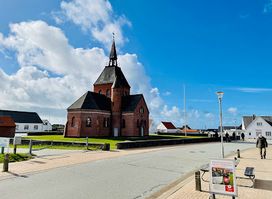
Red-brick coastal church in Nørre Vorupør, blending simple early 20th-century Danish architecture with deep roots in the village’s fishing and North Sea landscape.
Immersive First World War naval museum on Denmark’s west coast, combining salvaged wreck artifacts with a powerful dune-top memorial to the Battle of Jutland.
