Vadestedet Travel Guide
Free Guide: Historic river crossing turned vibrant canal-side promenade, where cafés, bars and the Aarhus River create one of the city’s most atmospheric meeting places.


A brief summary of Vadestedet
Historic river crossing turned vibrant canal-side promenade, where cafés, bars and the Aarhus River create one of the city’s most atmospheric meeting places.
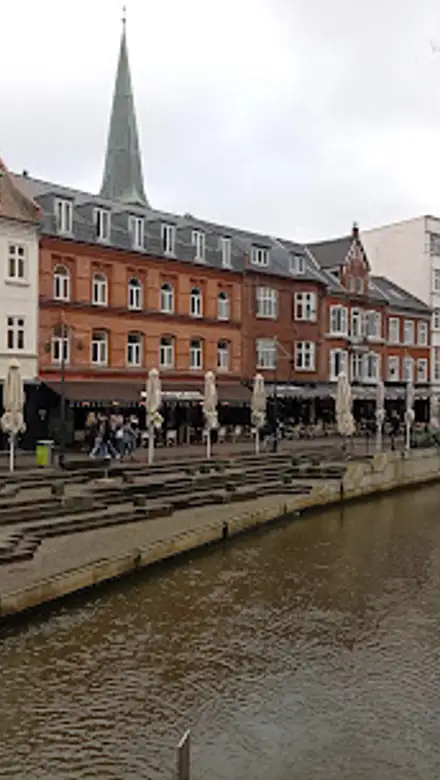
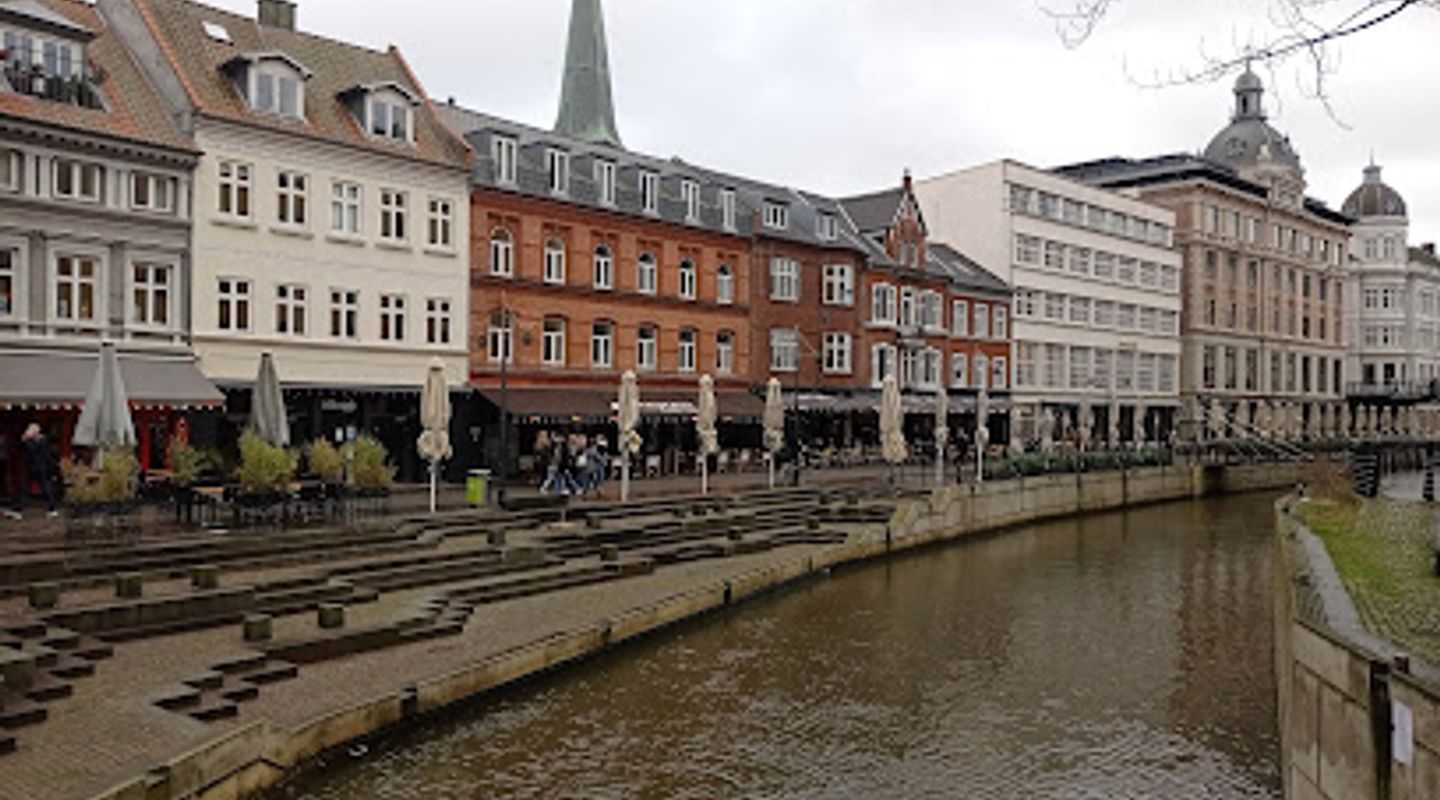
Vadestedet is Aarhus’ lively riverside strip along Åboulevarden, where the Aarhus River flows between terraces of cafés, bars and restaurants. Once a simple ford that helped give the city its Viking-era name, this central canal-side has become a favourite place to linger over coffee, cocktails or a casual meal. From relaxed daytime people‑watching to a buzzing evening scene, it offers a distinctly urban, waterside atmosphere in the very heart of the city.
On-site amenities
 Restrooms
 Drink options
 Food options
 Seating areas
 Sheltered areas
 Trash bins
 Information boards
- Address
- Åboulevarden 66, 8000 Aarhus
- Website
Getting there
On foot from Aarhus H (Central Station)
City bus within central Aarhus
Light rail (Letbanen) plus short walk
Bicycle within the city
Discover more about Vadestedet
From Viking Ford to Urban Waterfront
Long before today’s café terraces and bar stools lined the canal, Vadestedet was quite literally a ford in the river. Here the Aarhus River narrowed and shallowed, allowing people, animals and carts to wade across on firm ground. That practical crossing point helped shape early settlement patterns and fed into the city’s original name, Aros – the town at the mouth of the river. Over centuries, the river was gradually contained, and at one point in the 20th century large stretches were even covered over to create a boulevard.In the late 20th and early 21st centuries, the city chose to bring the water back into the light. The river was reopened, embankments were rebuilt, and space for pedestrians was prioritised. Today’s Vadestedet is the result of that urban renewal: a long, stepped promenade where history flows quietly beneath the modern buzz of city life.
Life Along the Aarhus River
By day, Vadestedet feels like Aarhus’ open-air living room. The water moves steadily through the canal between low stone walls and broad steps, with bridges linking the two banks and framing views in both directions. On one side, Åboulevarden runs as a central artery; on the other, tiered seating and café terraces gently descend to the river’s edge. It is an easy place to stroll slowly, pause to watch cyclists and pedestrians pass above, and follow the play of light on the water.The atmosphere shifts with the seasons. In summer, sun spills onto the terraces and tables fill early for brunch, lunch and afternoon drinks. In the colder months, the riverbanks take on a softer glow from interior lighting, candles and outdoor heaters, while blankets appear on chairs and the sounds of conversation echo off the buildings that shelter the canal from the wind.
Cafés, Cuisine and Riverside Drinks
A defining feature of Vadestedet is the uninterrupted line of cafés, restaurants and bars facing the water. Menus range from simple coffee-and-pastry stops to international kitchens and Danish classics, often with both indoor seating and prime riverfront tables. It is easy to organise a leisurely progression along the canal, starting with a morning espresso, pausing later for a light lunch, and eventually returning for an evening drink.Service here tends to adapt to the weather and daylight. On bright days, staff weave between closely packed outdoor tables, while evenings bring clinking glasses and low music drifting over the canal. The presence of the river softens the surrounding cityscape, turning what could be an ordinary commercial street into a place where lingering feels almost obligatory.
After-Dark Energy by the Water
As daylight fades, Vadestedet subtly transforms. Many cafés turn down the lights and up the music, and dedicated bars and nightspots begin to fill. The reflections of illuminated signs ripple in the canal, and the hum of conversation rises. Without being a club district in the traditional sense, the area offers a concentrated stretch of venues where you can move easily from quiet cocktail to livelier dance floor.Because the canal is so central, it also works well as a meeting point before or after other plans in the city. Friends gather on the steps with a drink, couples pause on the bridges to take in the views, and the steady flow of pedestrians keeps the promenade feeling animated late into the night, especially on weekends and warm evenings.
Experiencing the Canal as a Local
One of the pleasures of Vadestedet lies in simply using it as Aarhus residents do. In the morning, it can feel almost contemplative, with joggers and office workers passing by and only a few early guests settling at outdoor tables. Around lunchtime, the riverbanks grow busier as people slip out for a quick meal or a break in the fresh air. On clear afternoons, the steps become improvised seating where students and colleagues sit side by side.Throughout the day, the canal acts as a visual thread tying different parts of the centre together. From Vadestedet, you sense how tightly the river is woven into the city’s identity: a former ford turned social hub, where a short stretch of water now carries layers of history, everyday routines and the easy sociability that defines modern Aarhus.
Seasons, Weather and Subtle Details
Vadestedet rewards repeat visits in different conditions. On a crisp winter day, you might notice steam rising from cups of hot chocolate on sheltered terraces and the way low Nordic light picks out details in the stonework and façades. In autumn, the canal mirrors changing skies and the first jackets reappear on chairs outside. Spring brings longer evenings, when sitting outdoors with a drink suddenly feels possible again.Look closely as you wander and you will spot small touches: steps worn smooth by countless visitors, the interplay of old and newer architecture along Åboulevarden, and the rhythmic pattern of bridges, railings and planters that structure the promenade. All together, they create a riverside scene that feels both distinctly Danish and unmistakably Aarhus.
Evendo Review Centre
 Google
Guest reviews
Best time to go
Quietest: Jan, Feb & Mar · at 4am or at 5am or at 6am
Busy times are Evendo estimates for a typical year, to help you plan. Actual crowds vary with events, school holidays and the weather.
Explore Vadestedet on the map
A handpicked selection of must-see spots near Vadestedet, mapped for you.
Get your free copy of our complete guide to Vadestedet, delivered straight to you.
Everything on this page, from opening hours and how to get there to Eve’s tips and the best time to go, in one PDF you can read offline, print or share.
Already have an account? Sign in
Your Vadestedet guide is ready.
We'll send it to · Not you? Sign out

Getting your guide ready…
We are putting together a fresh copy of the Vadestedet guide. This can take up to a minute.
This can take a few moments. If your browser asks, choose Allow so the download can start. You'll find the guide in your Downloads folder.
Nothing happened? Download it again
Sorry, the guide is taking longer than usual. Please try again in a minute, or get it by email instead.
Unlock the best of Vadestedet
Skip-the-line tickets, guided tours with entry, and walking tours of the area, booked in a few clicks.

Other nearby places you may find interesting
The closest places of the same kind, if this one is not quite what you had in mind.
-
-
-
-
-


Swipe for more places
More to explore near Vadestedet

 Best experiences near Vadestedet
 Best hotels near Vadestedet
 Best landmarks near Vadestedet
 Best attractions near Vadestedet
 Best shops near Vadestedet
 Best restaurants near Vadestedet
 Best bars near Vadestedet
Do you manage this location?
Take control to get all the benefits, like improved information, better appearance, and stronger visibility across AI-powered discovery.
Explore more

Explore more of Central Jutland
Explore Central Jutland in Denmark: A perfect blend of natural beauty, cultural heritage, and family-friendly attractions.
Explore Central Jutland
Explore more of Denmark
Discover Denmark: A perfect blend of history, modern design, and the cozy concept of hygge. Explore vibrant cities, serene landscapes, and world-class cuisine.
Explore Denmark