Gammeltorv, Copenhagen Travel Guide
Free Guide: Copenhagen’s oldest square, where a Renaissance fountain, neoclassical facades and centuries of civic life meet in the heart of the historic center.


A brief summary of Gammeltorv
Copenhagen’s oldest square, where a Renaissance fountain, neoclassical facades and centuries of civic life meet in the heart of the historic center.
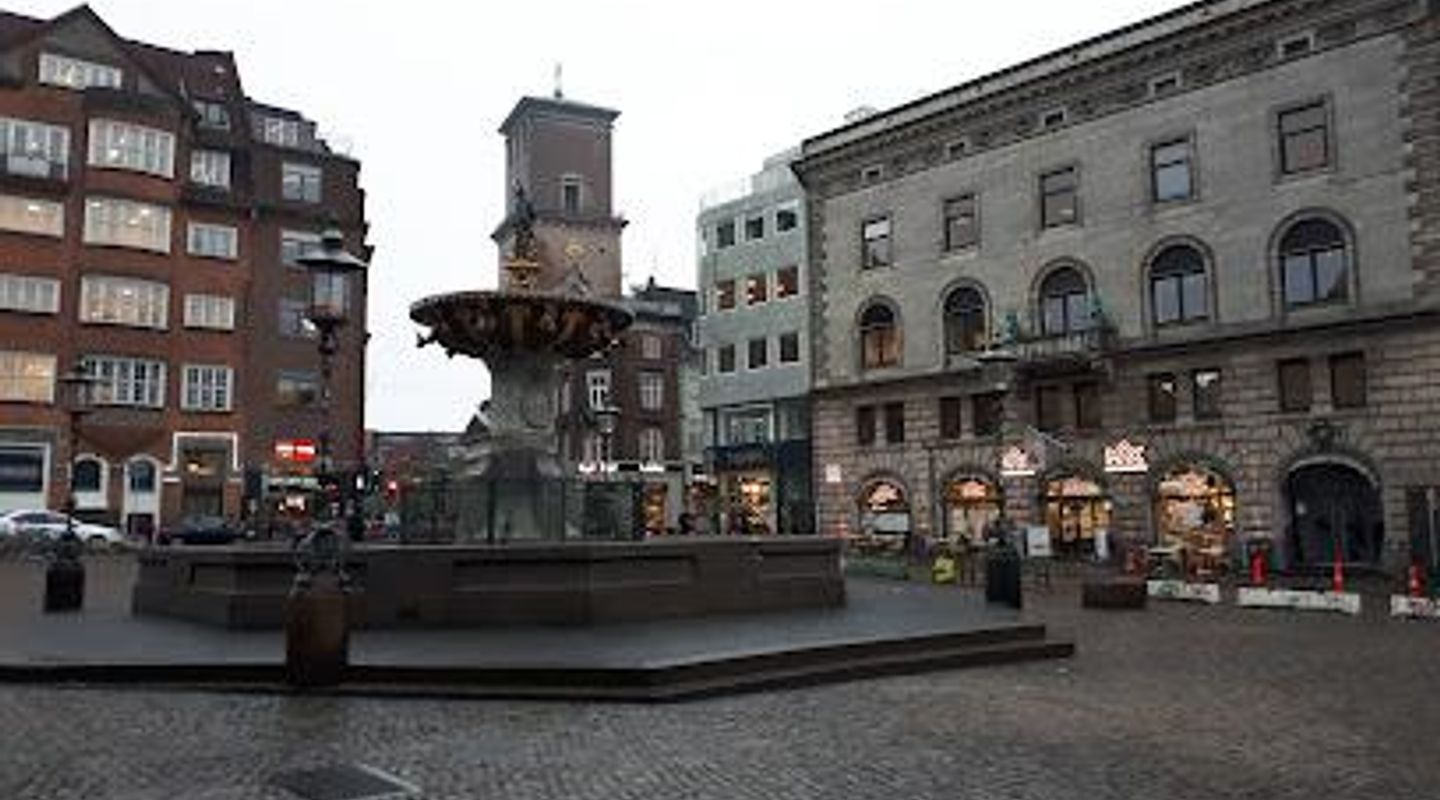
Gammeltorv, meaning “Old Square,” is Copenhagen’s oldest public square, dating back to the 12th century in the heart of Indre By. Once the city’s main medieval marketplace and civic stage, it is now a broad cobbled space framed by elegant 18th- and 19th‑century neoclassical townhouses. At its center stands the Caritas Well, a richly decorated Renaissance fountain from the early 1600s, making Gammeltorv a characterful pause point along the busy Strøget pedestrian zone.
On-site amenities
 Restrooms
 Drink options
 Drinking water
 Food options
 Seating areas
 Trash bins
 Information boards
- Address
- 1457 Copenhagen
Getting there
Metro
City bus
Bicycle
On foot
Discover more about Gammeltorv
The first marketplace of Copenhagen
Gammeltorv is where Copenhagen began to feel like a city. Established as a market square in the 12th century, this open space quickly became the natural meeting point for traders, townsfolk, and travelers. Stalls selling everything from livestock to vegetables once filled the square, with narrow medieval streets radiating out towards the harbor and the fortifications.Over the centuries Gammeltorv grew into the social and administrative core of the young town. It was here that new laws were proclaimed, disputes were settled, and important news was shared in front of the city’s earliest town hall. The name “Gammeltorv” – Old Square – later helped distinguish it from newer market spaces as Copenhagen expanded.
Fires, rebuilding and neoclassical elegance
The square that you see today is the product of dramatic change. Repeated fires, including the devastating blaze of 1795, destroyed much of the original building fabric around Gammeltorv. In the rebuilding that followed, the surrounding houses rose again in a harmonious neoclassical style, with pale facades, regular rows of windows and discreet ornamentation that gives the square its refined, cohesive frame.Gammeltorv gradually merged with the neighboring Nytorv to form one long, rectangular open space. Yet the subtle differences in building lines and paving still hint at their separate origins. Walking around the perimeter, it is easy to read layers of architectural history in the details: stucco decorations, arched doorways, and the rhythm of narrow plots reflecting the older street pattern beneath the later facades.
The Caritas Well at the heart of the square
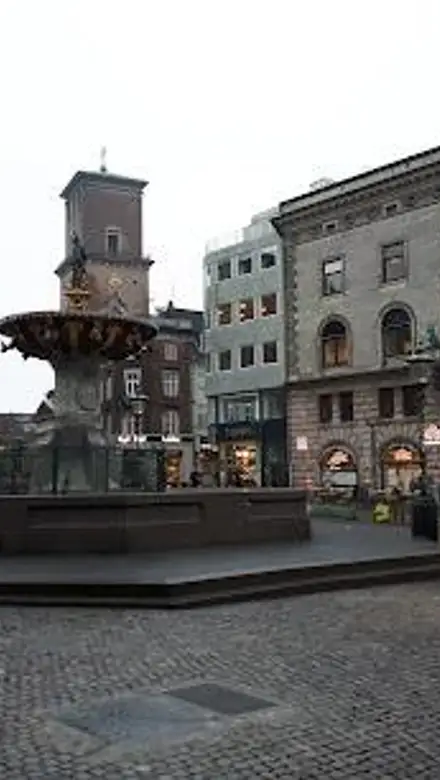
At the center of Gammeltorv stands the Caritas Well, one of Copenhagen’s most cherished fountains. Commissioned in the early 17th century by King Christian IV, it brought fresh water to the citizens through a wooden pipeline running from lakes outside the city. The sculptural group, with its tiered basin, central female figure and playful children, combines Renaissance elegance with practical function.Bronze details, including stylized dragon heads, once helped aerate the water and now serve as decorative spouts. On special royal occasions, the fountain is known to offer a whimsical display when gilded apples appear to tumble from its upper bowl, a festive nod to centuries of royal patronage. Around the base, the circular steps double as informal seating where people pause with coffee or a quick snack.
From executions and proclamations to everyday life
Historically, Gammeltorv was much more than a market. It hosted jousts, fairs, solemn ceremonies and, in harsher times, public punishments and executions. Former city halls located on or near the square ensured that political and judicial life unfolded in full view of the citizens, turning Gammeltorv into a stage on which the fortunes of the city were played out.Today the atmosphere is far gentler, but echoes of that public role remain. The square regularly serves as a setting for small events, seasonal stalls and street performances. Its generous openness offers a breather from the narrow side streets and an easy rendezvous point in the dense city center.
A historic pause along Strøget
Gammeltorv sits directly on the Strøget pedestrian route, linking it to Copenhagen’s main shopping axis and to the Latin Quarter’s tangle of lanes. This position makes it a natural crossroads: commuters, cyclists, shoppers and sightseers all pass through, lending the space a dynamic rhythm throughout the day.Despite the bustle, there are quiet angles here. Look up to catch glimpses of slate roofs and dormer windows, or step towards the edge of the square where cobbles run into smaller streets and the traffic noise softens. In the early morning or on cool evenings, when the light grazes the facades and the fountain’s water is the loudest sound, it is easy to imagine the medieval town that first gathered around this enduring square.
Evendo Review Centre
 Google
Guest reviews
Best time to go
Quietest: Jan, Feb & Mar · before 7am
Busy times are Evendo estimates for a typical year, to help you plan. Actual crowds vary with events, school holidays and the weather.
Explore Gammeltorv on the map
A handpicked selection of must-see spots near Gammeltorv, mapped for you.
Get your free copy of our complete guide to Gammeltorv, delivered straight to you.
Everything on this page, from opening hours and how to get there to Eve’s tips and the best time to go, in one PDF you can read offline, print or share.
Already have an account? Sign in
Your Gammeltorv guide is ready.
We'll send it to · Not you? Sign out

Getting your guide ready…
We are putting together a fresh copy of the Gammeltorv guide. This can take up to a minute.
This can take a few moments. If your browser asks, choose Allow so the download can start. You'll find the guide in your Downloads folder.
Nothing happened? Download it again
Sorry, the guide is taking longer than usual. Please try again in a minute, or get it by email instead.
Unlock the best of Gammeltorv
Skip-the-line tickets, guided tours with entry, and walking tours of the area, booked in a few clicks.



Other nearby places you may find interesting
The closest places of the same kind, if this one is not quite what you had in mind.
-
-

-
-
-


Swipe for more places
More to explore near Gammeltorv

 Best experiences near Gammeltorv
 Best hotels near Gammeltorv
 Best landmarks near Gammeltorv
 Best attractions near Gammeltorv
 Best shops near Gammeltorv
 Best restaurants near Gammeltorv
 Best bars near Gammeltorv
Do you manage this location?
Take control to get all the benefits, like improved information, better appearance, and stronger visibility across AI-powered discovery.
Explore more

Explore more of Copenhagen
Discover Copenhagen: A perfect blend of history, modernity, and vibrant culture, where picturesque canals, stunning architecture, and world-class dining await you.
Explore Copenhagen
Explore more of Denmark
Discover Denmark: A perfect blend of history, modern design, and the cozy concept of hygge. Explore vibrant cities, serene landscapes, and world-class cuisine.
Explore Denmark