
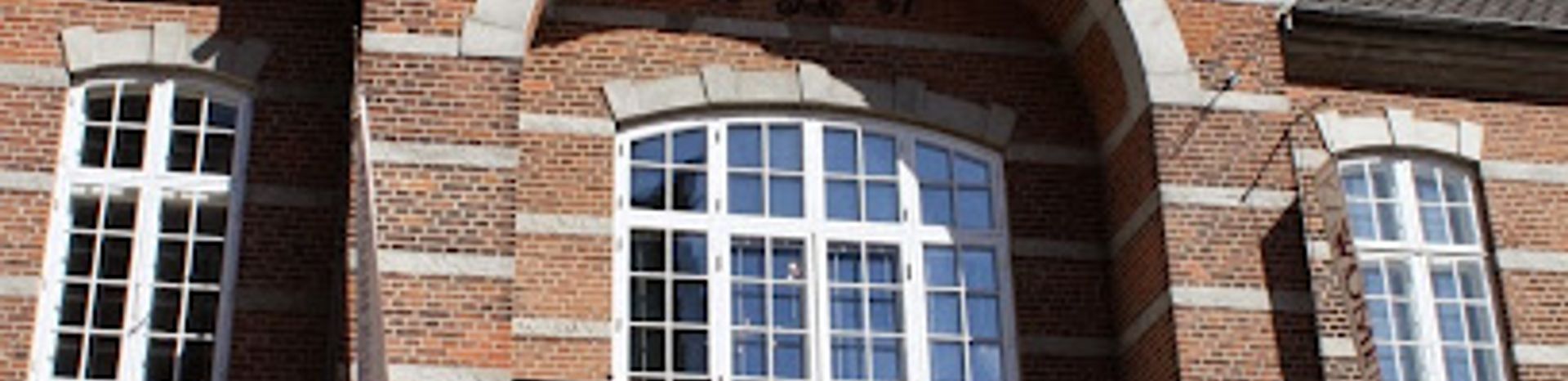
KØN – Gender Museum Denmark
Thought‑provoking gender, body, and equality museum inside Aarhus’ former city hall, blending social history, activism, and Art Nouveau architecture.
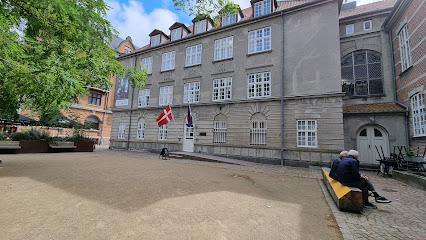
KØN – Gender Museum Denmark is a thought‑provoking museum in the former Aarhus City Hall, right by the cathedral in the heart of the city. One of the few museums in the world dedicated to the cultural history of gender, it explores how gender, equality, body, and sexuality shape everyday life and society. Immersive exhibitions mix historical artifacts, activism, personal stories, and contemporary debates, complemented by a cozy café set in a protected Art Nouveau landmark.
A brief summary to KØN - Gender Museum Denmark
- Domkirkepladsen 5, Aarhus, Aarhus C, 8000, DK
- +4525454510
- Visit website
- Duration: 1 to 2 hours
- Mid ranged
-
 Indoor
- Mobile reception: 5 out of 5
- Tuesday 11 am-4 pm
- Wednesday 11 am-4 pm
- Thursday 11 am-4 pm
- Friday 11 am-4 pm
- Saturday 11 am-4 pm
Local tips
- Allow at least 1.5–2 hours if you like to read exhibition texts in depth; many displays are concept‑heavy and reward slow exploration.
- Visit on a weekday morning for a quieter atmosphere and more space in the smaller exhibition rooms.
- Combine your visit with neighboring Aarhus Cathedral and the riverside quarter to make a compact, walkable culture circuit.
- Use the lockers and cloakroom, as larger bags and strollers are not allowed in the exhibition spaces.
- Check the museum’s event program in advance; talks, debates, and special exhibitions can add extra layers to the themes on display.

For the on-the-go comforts that matter to you
- Restrooms
- Drink Options
- Drinking Water
- Food Options
- Lockers
- Seating Areas
- Trash Bins
- Information Boards
- Visitor Center
Getting There
-
City bus from central Aarhus
From the main transport hub in central Aarhus, take any city bus that stops near the cathedral and the pedestrian high street; most lines serving the inner city reach this area in around 5–10 minutes. Single tickets within the city typically cost about 24–26 DKK and can be bought via ticket machines or transit apps. Buses are low‑floor and generally accessible, but note that they can be busy during commuter peaks.
-
Walking within Aarhus city centre
If you are already in the compact centre of Aarhus, walking to KØN is straightforward. From the main shopping streets or the riverside quarter, expect 5–15 minutes on mostly flat, paved surfaces. The route passes through busy pedestrian areas and historic squares, which are suitable for wheelchairs and strollers, though the crowds can slow you down at weekends and on event days.
-
Bike within Aarhus
Cycling is a practical way to reach KØN from most inner districts of Aarhus in about 5–20 minutes, depending on distance. The city has marked bike lanes on main roads and bike racks close to the museum and cathedral. You can use personal bikes or local bike‑share schemes, which usually charge from around 10–20 DKK for short rides. Be prepared for cobblestones near the historic core and follow local traffic rules at all times.
-
Car or taxi from the wider Aarhus area
Driving from outer neighborhoods or nearby suburbs typically takes 10–25 minutes in light traffic. Several paid parking garages and surface lots operate within walking distance of the cathedral square, with hourly rates that commonly range from about 20–30 DKK. Spaces in the very centre can fill up at busy times, so allow extra time to find parking. Taxis set off from ranks around the centre and use the national metered tariff, with short inner‑city journeys often costing 80–150 DKK depending on traffic.
KØN - Gender Museum Denmark location weather suitability
-
 Any Weather
-
 Rain / Wet Weather
-
 Cold Weather
-
 Mild Temperatures
Discover more about KØN - Gender Museum Denmark
A pioneering museum in the heart of Aarhus
KØN – Gender Museum Denmark occupies the old city hall on Domkirkepladsen, tucked just behind Aarhus Cathedral in the compact historic center. From the moment you step inside, the focus is clear: how ideas about gender, equality, body, and sexuality have been constructed, challenged, and reshaped over time. Instead of a traditional chronological survey, the museum invites you into themed spaces that ask questions about who gets seen, heard, and remembered. The museum is one of only a handful worldwide devoted specifically to gender history. Its exhibitions move between everyday objects, archival documents, oral histories, and contemporary art. The result feels more like entering an ongoing conversation than walking through a static collection, with each room designed to make you pause, reflect, and sometimes reassess what you thought you knew about gender roles.From women’s museum to wider perspectives
KØN began life in the 1980s as the Women’s Museum, a grassroots project that worked to collect and share women’s stories that had been largely absent from official narratives. Over the decades, its scope broadened from women’s lives to gender more broadly, engaging with masculinity, queer histories, and non‑binary identities. This evolution culminated in the renaming to KØN (Danish for “gender”) in 2021. Today, permanent and temporary exhibitions trace the development of the women’s movement in Denmark from early pioneers like Mathilde Fibiger through to contemporary campaigns such as #MeToo. Other galleries unpack the history of sex education, reproductive rights, and everyday family life, using schoolbooks, posters, toys, clothing, and personal testimonies to show how norms shift across generations.Exhibitions that encourage dialogue
Displays at KØN are intentionally text‑rich and idea‑driven, with layered explanations, historical context, and quotations. Many rooms incorporate interactive elements: listening stations with recorded stories, participatory questions on the walls, or spaces where you can leave your own reflections. For younger visitors, more playful installations and dress‑up corners help introduce complex topics in an accessible way. Language is carefully considered, with key content available in both Danish and English. Rather than presenting a single authoritative view, the exhibitions often juxtapose differing perspectives, encouraging you to think critically about media images, legislation, and everyday language, and how they intersect with gender equality.An Art Nouveau building with a turbulent past
The museum’s home is an attraction in itself. Built in 1857 as Aarhus City Hall, courthouse, and jail, the red‑brick building was later remodeled in an Art Nouveau style, with curved gables, decorative stonework, and floral tempera paintings on its walls and ceilings. During the Second World War it was seized by the German Gestapo and used as their Jutland headquarters, ringed with barbed wire and shutters. After the war the police returned until the early 1980s, when local associations – including the nascent Women’s Museum – moved in. The building has since been fully listed as a protected structure, and traces of its layered history remain visible. Above the main entrance you can still see the word “Kvindemuseet”, a reminder of the museum’s origins and of how public understandings of gender have broadened.Café culture and events with a social edge
On the ground floor, KØN Café offers a calm corner in the city center, serving light dishes, coffee, and baked goods in an atmosphere that mirrors the museum’s reflective tone. Entry to the café is free, so it functions both as a post‑exhibition pause and as a neighborhood meeting spot. Throughout the year, KØN hosts talks, debates, workshops, and special programs, especially around dates such as International Women’s Day. These events extend the museum’s role beyond exhibitions, turning it into an active forum for discussing current questions about equality, identity, and rights.Planning your visit
KØN is generally open from Tuesday to Sunday, with a later closing time midweek, and is closed on Mondays. Most visitors spend around one to two hours here, though you may want longer if you like to read in depth. Admission is ticketed, with reduced rates for young adults and retirees, and free entry for children and teenagers under 18. The museum is compact but spread over several floors, reached by lift as well as stairs. Lockers and a cloakroom area make it easy to store bags, and lightweight folding chairs are available if you prefer to sit while engaging with the more text‑heavy displays. Positioned just a short walk from other key sights in central Aarhus, KØN fits naturally into a broader day of exploring the city, particularly if you are interested in social history and contemporary culture.Iconic landmarks you can’t miss

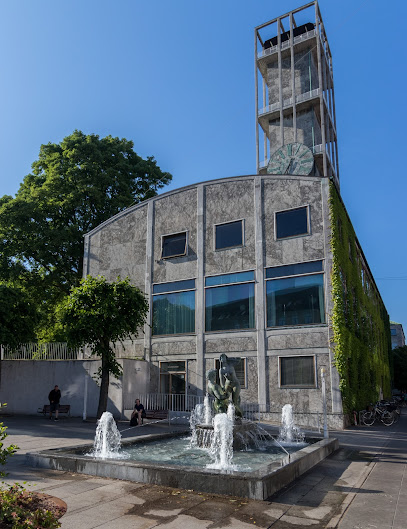
Agnete og Havmanden
0.8 km
Discover the poetic fusion of Danish folklore and modern sculpture at Aarhus’ Agnete og Havmanden, a landmark bronze fountain embodying myth and emotion.
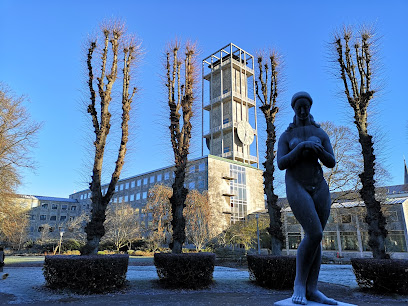
Den Svangre
0.9 km
A bronze sculpture celebrating the female form in Aarhus's cultural heart.
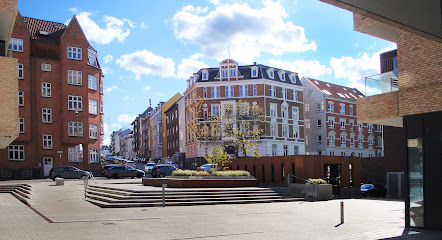
Frederiks Plads
0.9 km
A vibrant, contemporary city square where modern architecture, open green space, and urban life converge in the heart of Aarhus near Frederiksbjerg.
Folkehuset Trøjborg
1.0 km
Folkehuset Trøjborg blends Danish hygge, vibrant community life, and affordable culture, making it a beloved gathering place in the heart of Aarhus’ Trøjborg district.
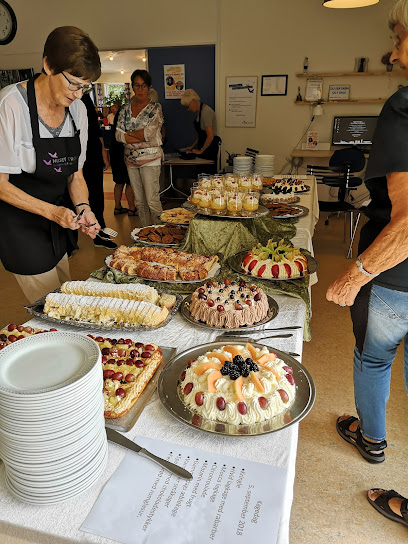
Møllen i botanisk have Århus
1.1 km
Historic mill at the heart of Aarhus's verdant botanical sanctuary, blending heritage with living gardens.
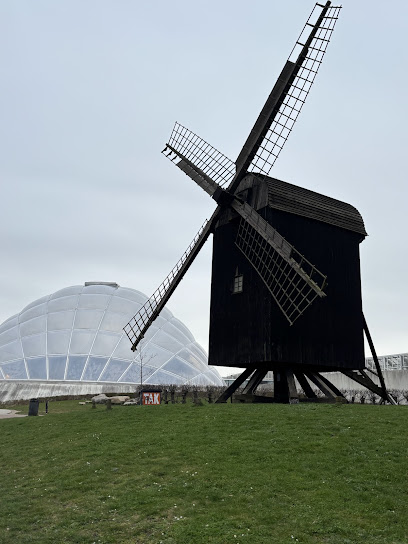
Greenhouses in the Botanical Garden
1.2 km
Step into a vibrant world of exotic plants, interactive exhibits, and striking glass architecture at Aarhus's Greenhouses—a serene escape for nature lovers.
Kunst ved Kaserneboulevarden
1.2 km
Explore contemporary art at Kunst ved Kaserneboulevarden, Aarhus' premier gallery showcasing local and international talent.
University Park, Aarhus
1.4 km
Explore seven centuries of art at SMK – Denmark’s national gallery, marrying old masters, modern pioneers, and cutting-edge exhibitions in stunning parkland surroundings.
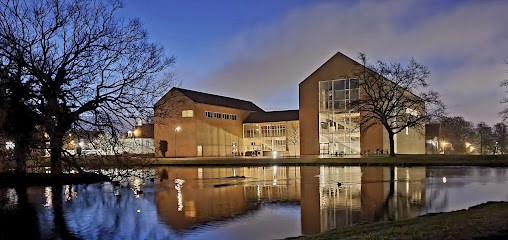
Botanical Garden
1.5 km
Experience Denmark's artistic heritage and international masterpieces at SMK, Copenhagen's dynamic national gallery housed in landmark architecture beside the Kings’ Garden.
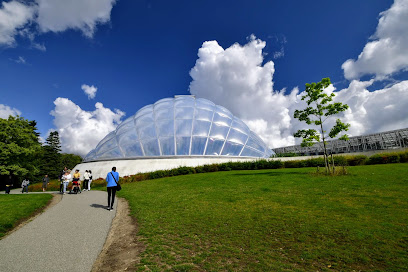
Nordisk Film Cinemas Trøjborg
1.5 km
Experience local Danish cinema culture at Nordisk Film Cinemas Trøjborg—an atmospheric neighborhood movie house blending modern comfort with classic charm in Aarhus.
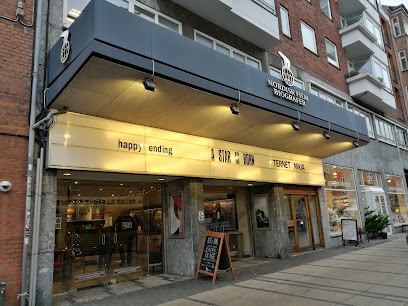
Trøjborg Beboerhus
1.6 km
Experience the vibrant community spirit of Aarhus at Trøjborg Beboerhus, a hub for cultural events, workshops, and local gatherings.
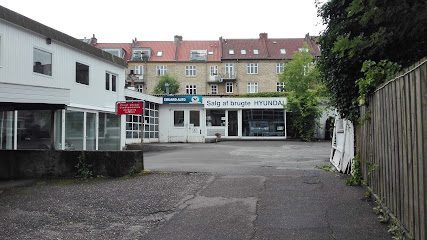
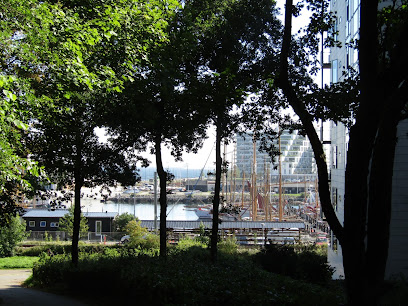
Udsigtspladsen
1.6 km
Experience breathtaking city, harbor, and bay vistas from one of Aarhus C’s most beloved scenic viewpoints, perfect for relaxation and panoramic photography.
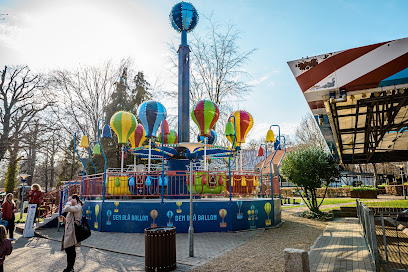
Tivoli Friheden
2.5 km
Experience the thrill and magic of Tivoli Friheden, Aarhus' premier amusement park with rides, live music, and family-friendly fun for all ages.
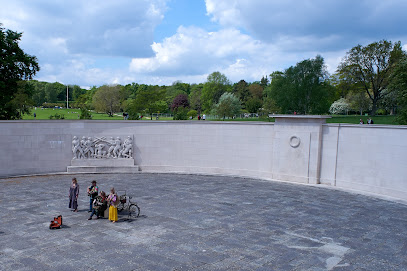
Marselisborgmonumentet
3.1 km
Standing tall in Mindeparken, Marselisborgmonumentet honors Danish World War I volunteers with solemn beauty, monumental sculpture, and panoramic bay views near Aarhus.
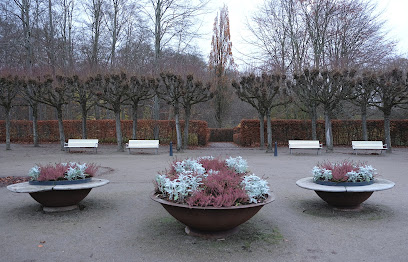
Flagpladsen
3.1 km
Historic plaza overlooking Aarhus Bay, gateway to royal heritage and astronomical discovery.
Unmissable attractions to see

The Occupation Museum
0.0 km
Aarhus’ former Gestapo headquarters turned museum, where original cells, local stories and moral dilemmas bring Denmark’s wartime occupation chillingly close.
Aarhus Cathedral
0.1 km
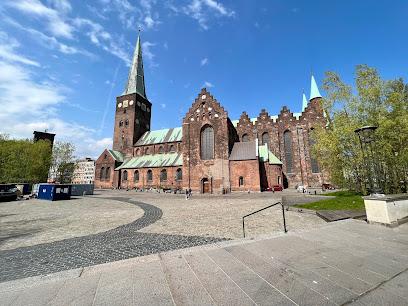
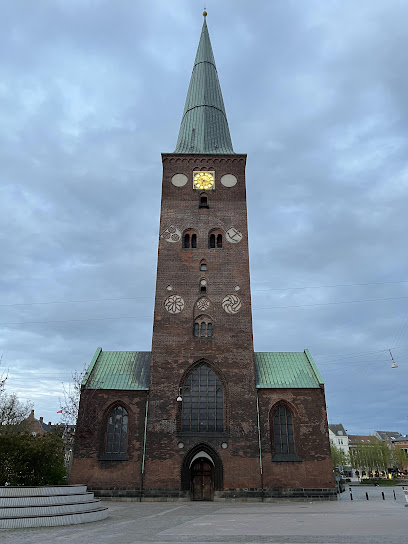
Aarhus Cathedral—Denmark’s tallest and longest church, home to medieval frescoes and ornate altarpiece, anchors the city’s vibrant heart with Gothic grace.
Latin Quarter
0.1 km
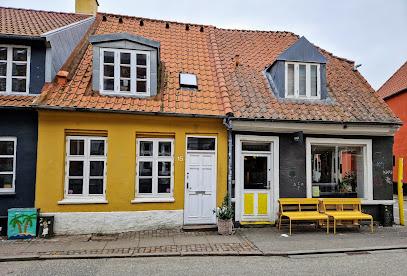
Aarhus’ Latin Quarter blends cobbled medieval streets, historic townhouses and bike-friendly lanes with creative cafés, boutiques and boundary-pushing Nordic dining.
Bishop's Square
0.1 km
Marselisborg Castle offers royal heritage, tranquil English-style gardens, and the dramatic changing of the guard—an essential cultural and green escape south of Aarhus city center.
Herman Sallings Plads
0.1 km
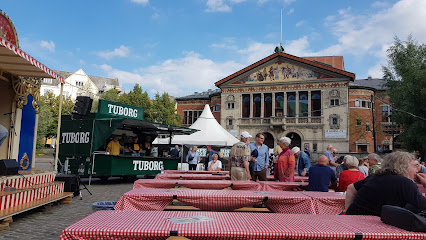
Marselisborg Castle offers royal heritage, tranquil gardens, and public art in Aarhus—a unique glimpse into Danish monarchy, all set within lush, accessible parklands.
Store Torv
0.1 km
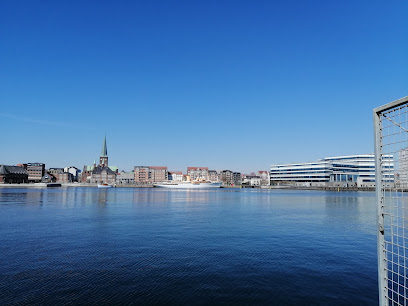
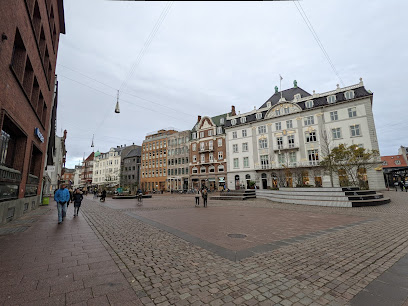
Historic Great Square where cathedral spires, elegant façades and everyday city life come together in the pedestrianized heart of Aarhus.
Aarhus Theatre
0.1 km
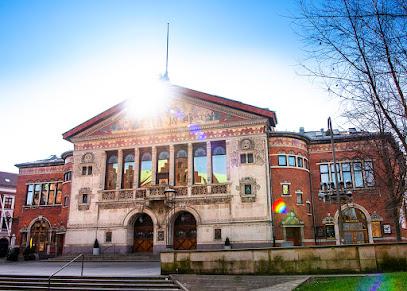
Art Nouveau splendour, golden auditoriums and four busy stages make Aarhus Theatre the historic heart of live performance in Denmark’s second-largest city.
Viking Museum
0.2 km
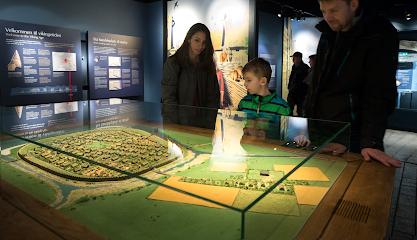
Walk where Vikings founded Aarhus 1,200 years ago in this underground museum beneath the city center.
Latinerkvarteret
0.2 km
Aarhus’ oldest quarter: cobbled lanes, medieval houses, indie shops and café terraces creating a compact, bohemian neighborhood just behind the cathedral.
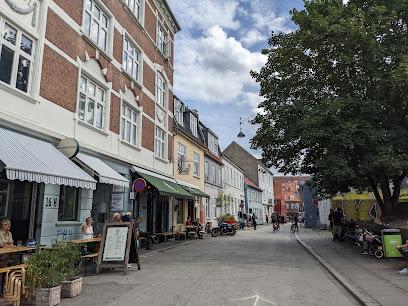
Endless Connection
0.2 km
Interactive spiral fountain on Aarhus’ harbourfront where jets of water, inspired by the city’s starry skies, become a playful urban artwork and gathering spot.
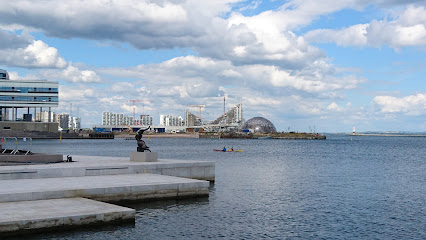
Aarhus waterfront
0.2 km
Aarhus waterfront blends bold Scandinavian architecture, city beaches, harborside culture, and urban relaxation along the picturesque shores of Denmark’s vibrant second city.
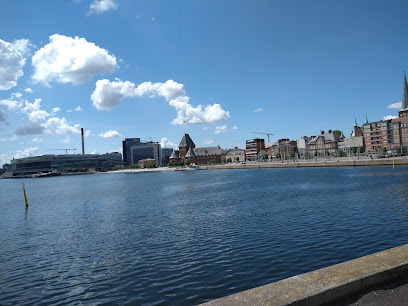
Sankt Clements Torv
0.3 km
Compact, historic and constantly in motion, Sankt Clemens Torv is the everyday crossroads between cathedral, Viking past, riverside cafés and modern shopping Aarhus.
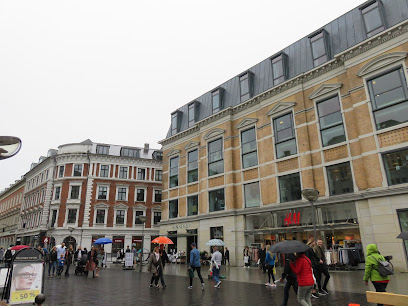
Lille Torv
0.3 km
Aarhus Waterfront: a vibrant coastal promenade fusing striking modern architecture, rich maritime heritage, and lively urban culture along the city’s scenic bay.
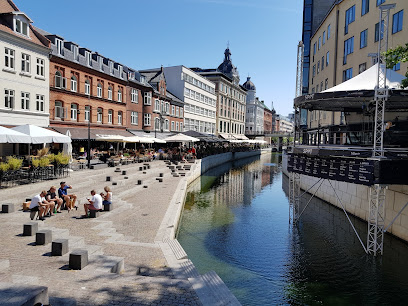
Vadestedet
0.3 km
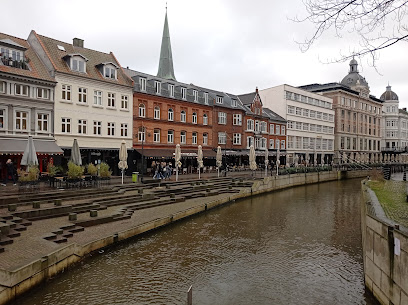
Historic river crossing turned vibrant canal-side strip, Vadestedet blends cafés, bars and bridges into Aarhus’ cosiest, most atmospheric urban meeting place.
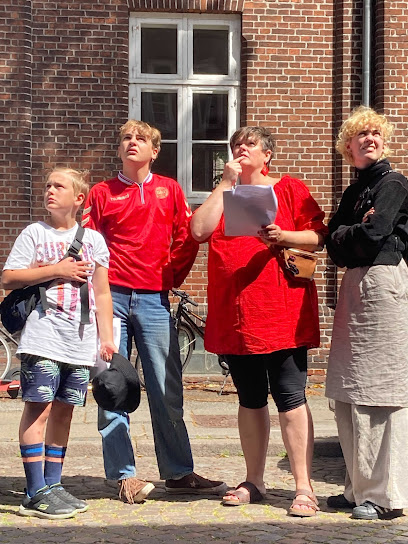
History Hunts med Hvem.nu
0.3 km
Hands-on history hunts in Aarhus’ Latin Quarter, where Viking traces and town stories turn into clue-driven adventures for curious families and small groups.
Essential places to dine

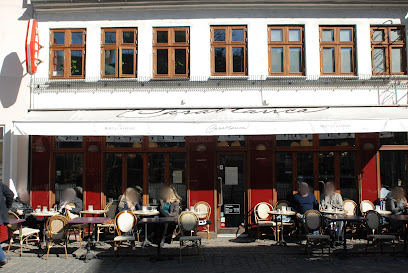
Casablanca Aarhus
0.0 km
French‑style brasserie, famous brunch “Crunch” and cosy café‑bar atmosphere in the heart of Aarhus’ historic Latin Quarter.
Piccolina
0.1 km
Authentic Italian pizzeria with exceptional vegan options and warm family hospitality in central Aarhus.
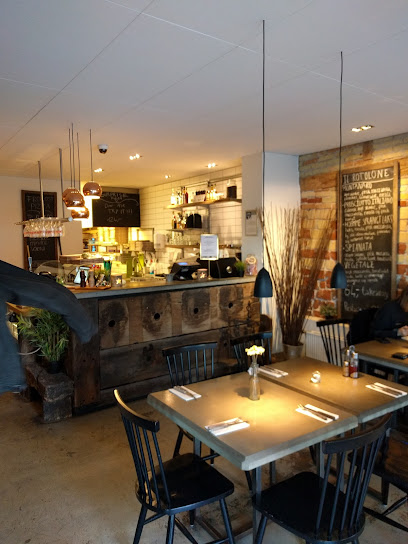
Teater Bodega
0.1 km
Classic Danish inn in central Aarhus, offering authentic smørrebrød, cosy ambiance, and a historic link to the city’s arts and theatre scene.
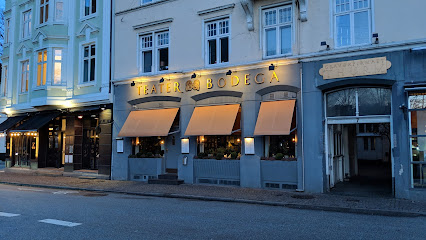
Den Rustikke
0.1 km
Discover Den Rustikke in Aarhus - where traditional Danish cuisine meets modern culinary artistry for an unforgettable dining experience.
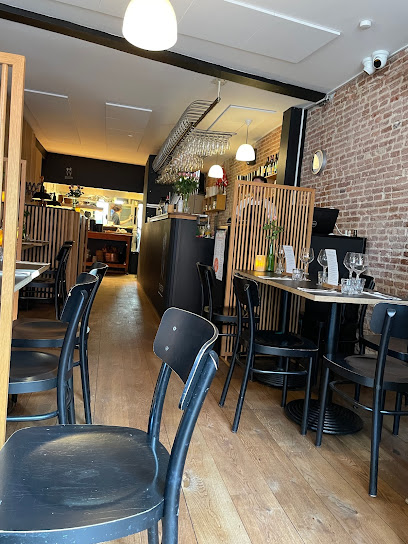
Café Hack
0.1 km
Theatre-side brasserie in central Aarhus, where candlelit dining, classic European flavours and a touch of broadcast history create an intimate urban evening.
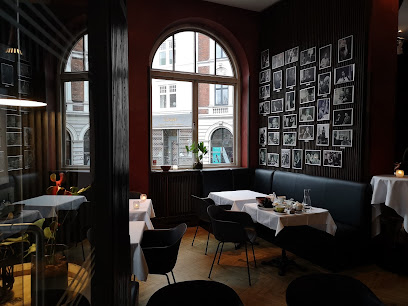
Lecoq
0.2 km
French-inspired brasserie and bar bringing Southern European warmth, wine and late-night energy to Aarhus’ atmospheric Latin Quarter on Graven.
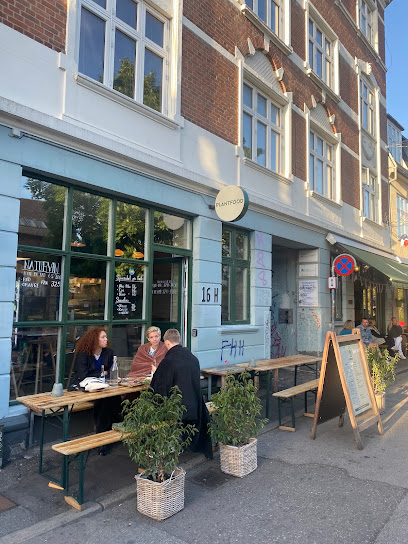
Plant Food
0.2 km
Small, cosy and completely plant-based, Plant Food serves bold umami burgers, bowls and sandwiches in the heart of Aarhus’ atmospheric Latin Quarter.
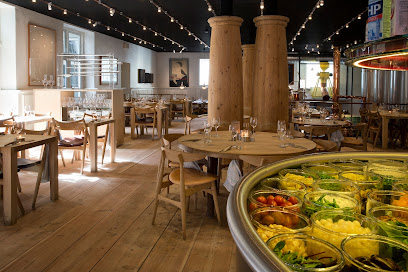
A Hereford Beefstouw - Aarhus
0.2 km
Classic Danish steakhouse tradition on the Åboulevarden waterfront, pairing expertly grilled beef with polished Scandinavian design and a serious wine and beer list.
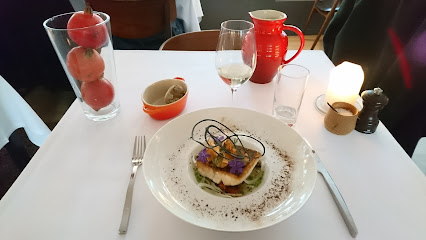
Pihlkjær Restaurant
0.2 km
Experience exquisite modern Danish cuisine at Pihlkjær Restaurant in Aarhus – where local ingredients meet culinary artistry.
Sct. Oluf Restaurant
0.2 km
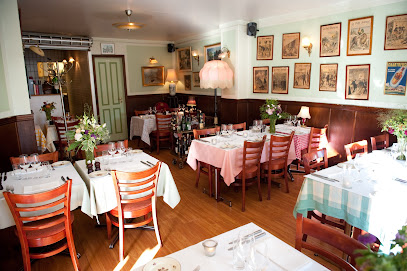
A vibrant French-inspired bistro offering creative cuisine and Danish hospitality in the artistic heart of Latinerkvarteret, Aarhus’ oldest and most atmospheric quarter.
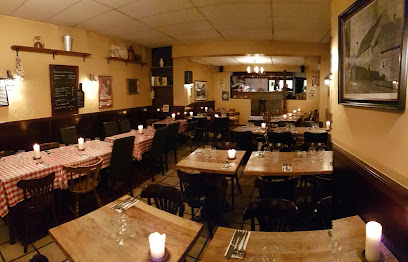
Mefisto Restaurant & Gårdhave
0.2 km
Aarhus’ beloved seafood restaurant and garden, Mefisto, offers Scandinavian classics, atmospheric courtyard dining, and vibrant local flavor in the city’s oldest quarter.
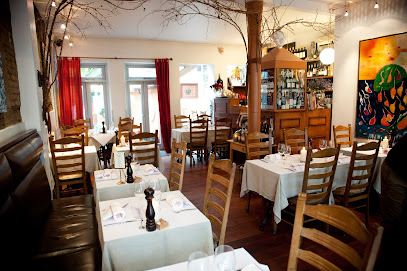
OliNico
0.2 km
Cozy Aarhus gastro grillbar on Mejlgade, serving generous modern European comfort food, daily changing menus and bistro classics at pleasantly low prices.
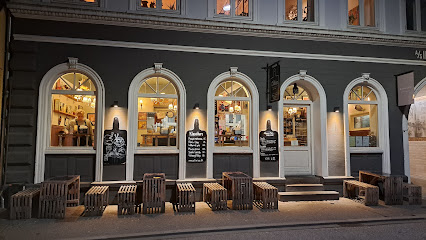
Restaurant Domestic
0.2 km
Experience exquisite local cuisine at Restaurant Domestic in Aarhus C - where innovation meets tradition for an unforgettable dining experience.
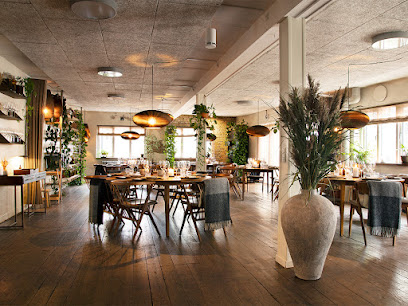
Carlton
0.2 km
A central Aarhus brasserie-style restaurant and bar where polished plates, a strong wine list and warm lighting create an intimate, grown‑up city evening.
Basso Aarhus
0.2 km
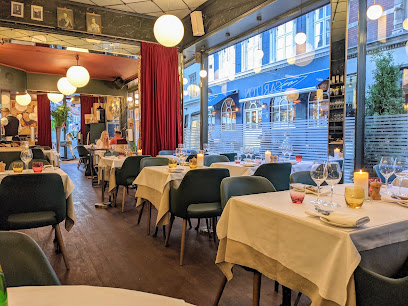
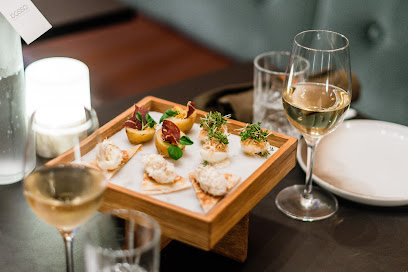
Modern Italian restaurant in Aarhus C serving inventive multi-course social dining with Nordic flair, stylish ambiance, and top-tier ingredients in a lively city-center setting.
Markets, malls and hidden boutiques

stoy
0.1 km
Minimalist, design-led fashion hub on Aarhus’ main square, blending luxury labels and independent brands in a calm, curated retail space.
COS
0.2 km
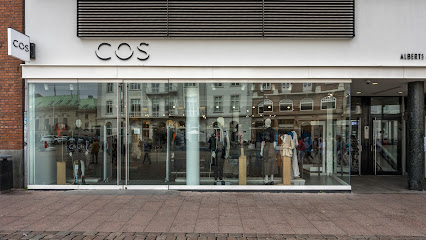
A calm, design-led COS flagship on Aarhus’ historic Store Torv, blending Scandinavian minimalism, quality fabrics and thoughtful silhouettes in the city’s busy heart.
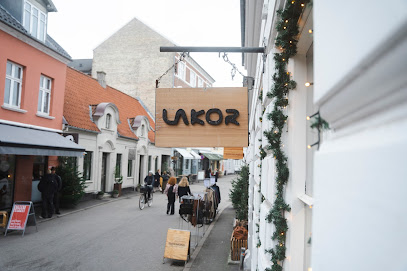
LAKOR Shop Aarhus
0.2 km
Flagship men’s clothing shop in Aarhus’ Latin Quarter, blending Danish west coast vibes with graphic, coastal-inspired casual wear in an intimate, design-led space.
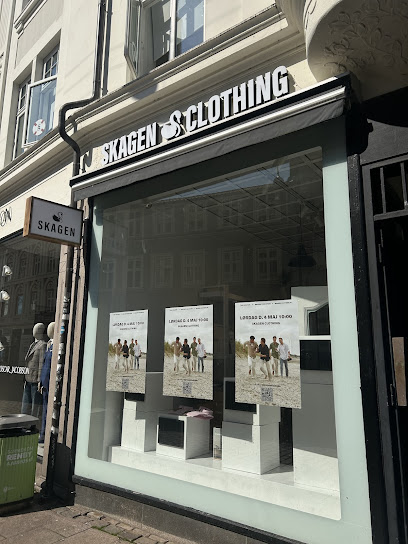
Skagen Clothing
0.2 km
Minimalist Danish fashion where sustainable style meets everyday comfort.
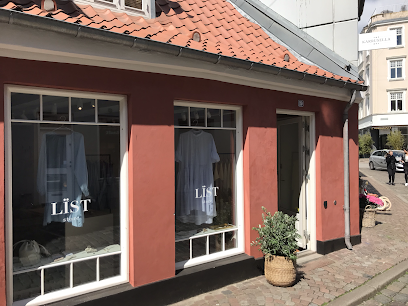
LÏST Store
0.2 km
A calm, curated women’s fashion boutique in Aarhus’ Latin Quarter, blending Scandinavian simplicity, quality fabrics and timeless silhouettes on charming Volden.
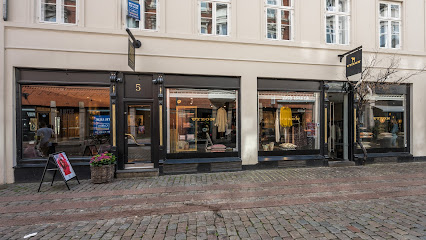
Utzon
0.2 km
Independent Aarhus boutique where Scandinavian fashion, leather, fur, and design objects are curated into one coherent, softly luxurious universe of style.
Jooma Aarhus
0.2 km
Discover unique Danish crafts and gifts at Jooma Aarhus, nestled in the historic Latinerkvarteret.
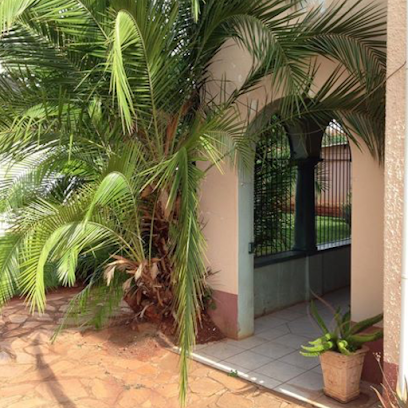
Seramikku - Japandi Concept Store
0.2 km
A serene Japandi concept store in Aarhus’ Latin Quarter, blending Japanese ceramics and Scandinavian design into a calm, tactile shopping experience.
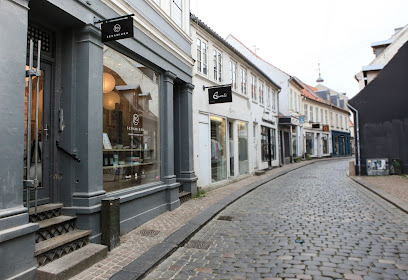
BESTSELLER Rømerhus
0.2 km
Flagship BESTSELLER fashion house in a historic Aarhus icon, blending classic architecture, modern Scandinavian design and multi-brand style under one roof.
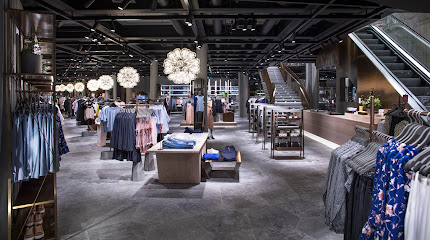
Loppegal
0.2 km
Curated secondhand fashion and interiors in Aarhus’ Latin Quarter, where Danish design sensibility meets flea-market charm in a cosy, character-filled shop.
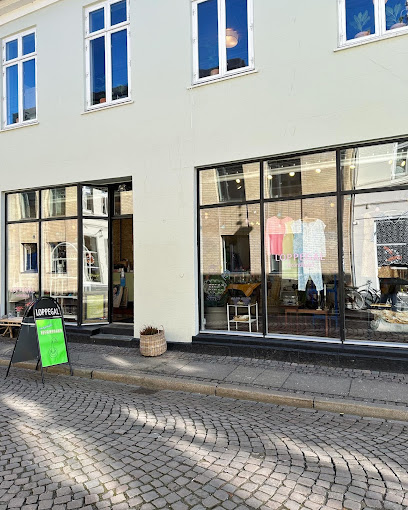
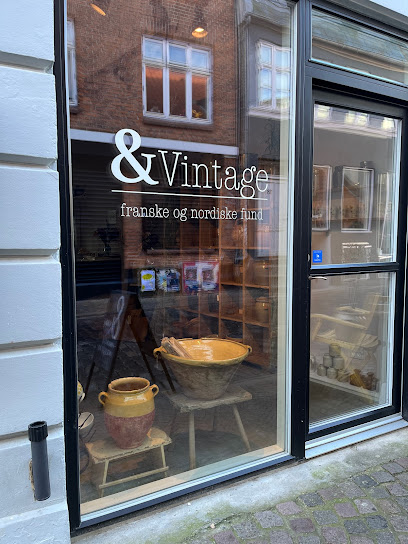
& Vintage
0.2 km
A boutique in Aarhus' Latin Quarter offering hand-picked vintage treasures, Scandinavian gifts, artisan wares, and a warm, local shopping experience in a creative setting.
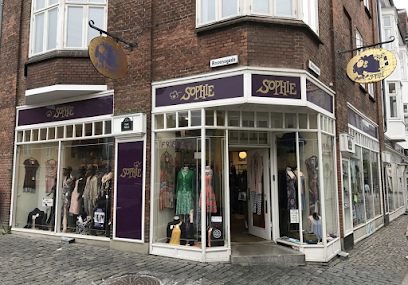
Sophies Tøjhus
0.2 km
A cosy central Aarhus boutique for colourful, Scandinavian‑inspired women’s fashion, perfect for a relaxed browse and a wardrobe refresh between city sights.
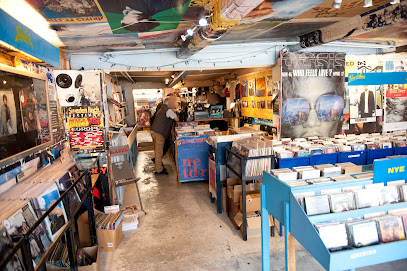
Badstue Rock
0.2 km
One of Denmark’s oldest independent record stores, Badstue Rock is a cozy Aarhus hub for vinyl, CDs, music books and unhurried crate-digging in the city center.
Royal Vintage
0.2 km
Hidden down a quiet Aarhus lane, Royal Vintage offers a compact, carefully curated selection of pre-loved fashion for travellers who love slow, sustainable style.

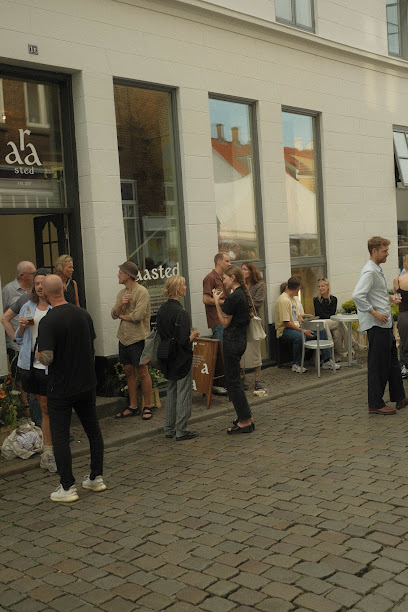
RAASTED
0.2 km
Curated design and fashion boutique with an upscale organic café in central Aarhus.
Essential bars & hidden hideouts

Mig og Ølsnedkeren
0.1 km
Experience the best of Aarhus's craft beer scene at Mig og Ølsnedkeren, where local and international brews await in a cozy atmosphere.
Café Under Masken
0.1 km
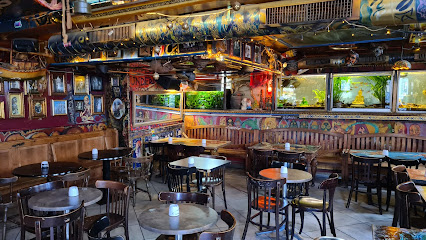
Bohemian, art‑lined den in central Aarhus where masks, fish tanks and coffee cups share space with beers, late‑night conversations and an old‑school smoky bar vibe.
Cafe Gyden
0.1 km
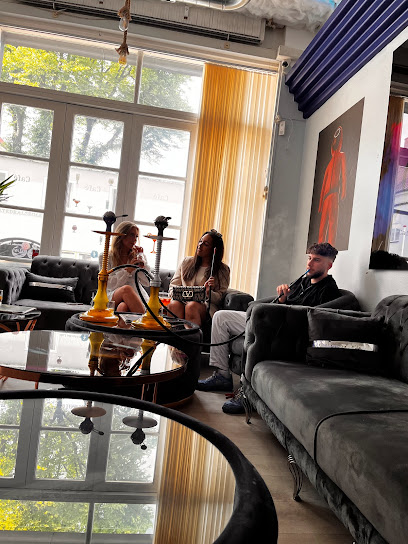
Aarhus's premier hookah lounge where premium shisha meets craft cocktails in refined urban comfort.
ÅBEN Aarhus
0.1 km
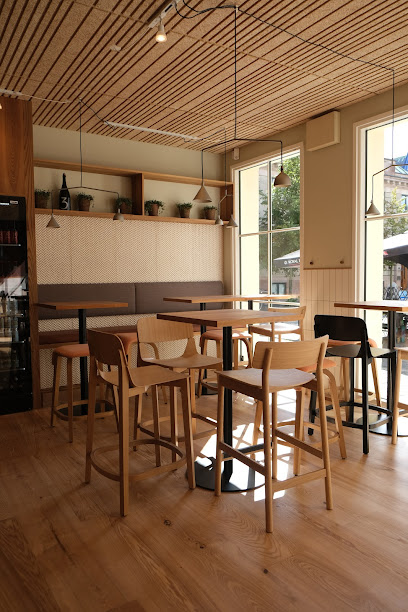
Contemporary craft beer, rotating taps and a relaxed neighborhood buzz in a minimalist taproom tucked into Aarhus’ historic Latin Quarter.
Ris Ras Filliongongong
0.1 km
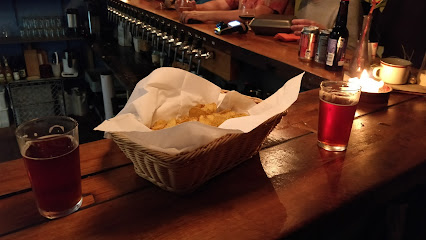
Candlelit basement bar on Aarhus’ Mejlgade, blending an extensive beer selection with bohemian, living-room coziness and easygoing late-night conversations.
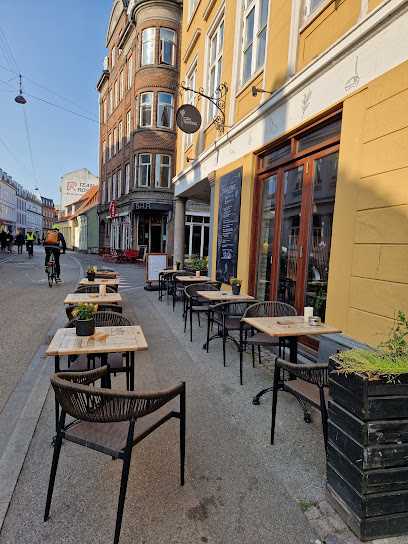
Alberts - Cocktailbar i Aarhus
0.2 km
Experience the vibrant nightlife at Alberts Cocktail Bar in Aarhus, featuring innovative cocktails and a lively atmosphere perfect for socializing.
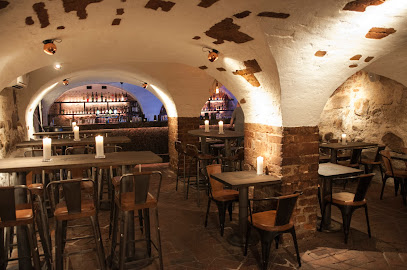
The Old Irish Pub
0.2 km
Discover the vibrant spirit of Ireland at The Old Irish Pub in Aarhus, where great food, drinks, and live entertainment await.
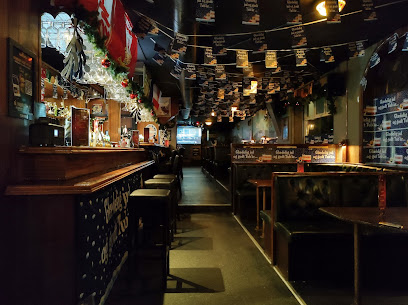
PV (Pustervig) - Kaffe & Cocktails
0.2 km
Cosy central Aarhus hideaway where daytime coffee culture flows seamlessly into a warm, late-night world of candles, chatter and creative cocktails.
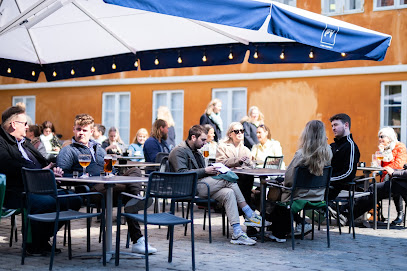
Bar Smil Aarhus
0.2 km
Loud beats, cheap drinks and late-night energy in a compact bar-club right in the centre of Aarhus’ historic heart.
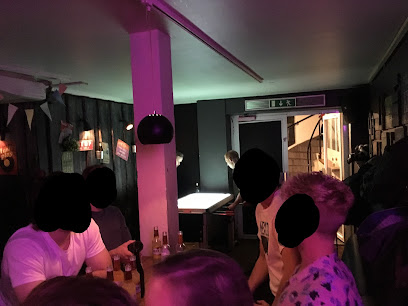
Herr Bartels
0.2 km
Discover the vibrant nightlife of Aarhus at Herr Bartels, a premier cocktail bar offering innovative drinks and a lively atmosphere.
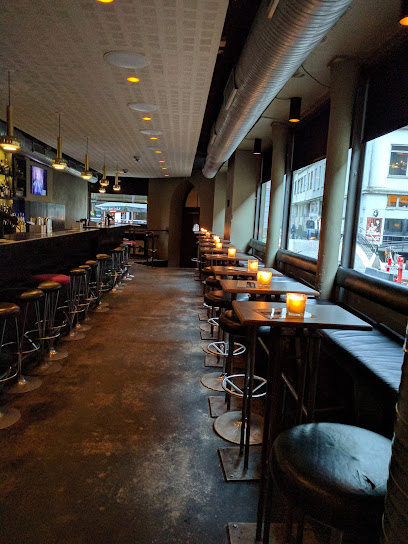
Tokio Bar
0.2 km
Discover the lively ambiance and diverse drink selection at Tokio Bar in Aarhus, where unforgettable nights await every visitor.
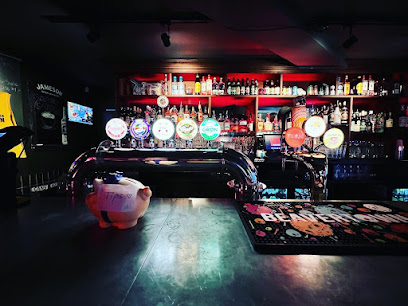
Fatter Eskil ApS
0.2 km
Aarhus's cosy live music bar where emerging bands and established Danish artists share the stage.
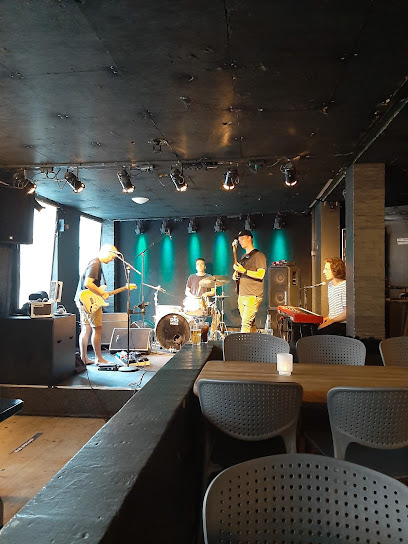
Clemens Bar
0.2 km
Experience the vibrant nightlife of Aarhus at Clemens Bar, where friendly vibes and delicious drinks await every night.
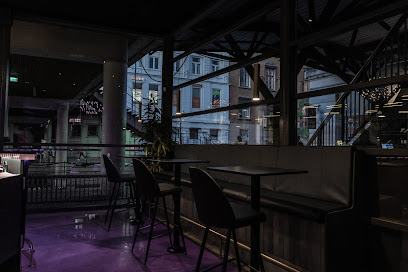
London
0.2 km
Experience the vibrant nightlife of Aarhus at its premier cocktail bar, blending innovative drinks with a stylish ambiance for an unforgettable evening.

Bitter Bar
0.2 km
Experience the lively ambiance and innovative cocktails at Bitter Bar, a must-visit nightlife gem in Aarhus.
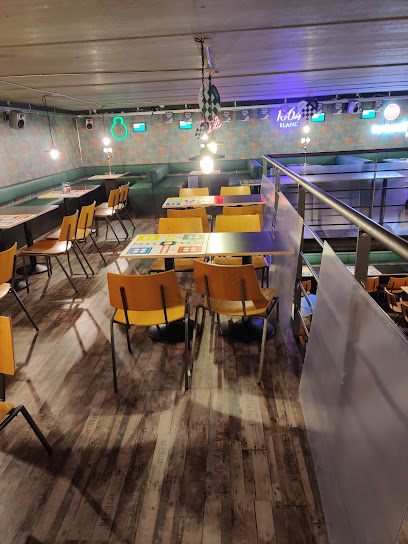
Nightclubs & after hour spots

Bernhardt Natklub
0.2 km
Discover Aarhus' premier nightlife destination at Bernhardt Natklub, where cocktails and beats create unforgettable memories.
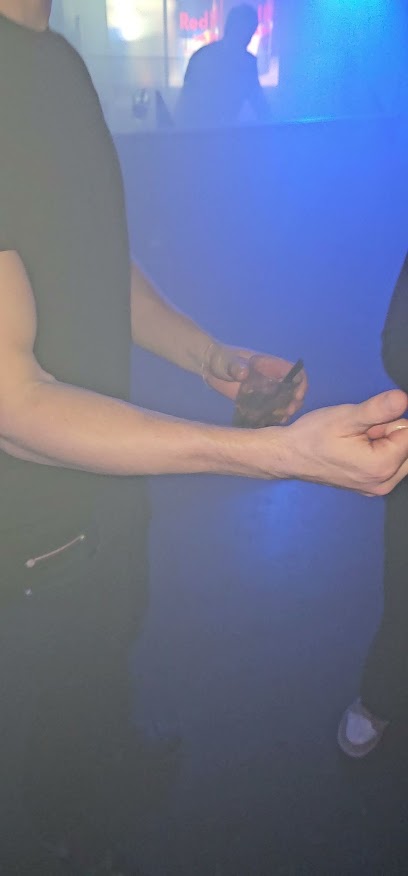
ZenZa Cocktailbar
0.2 km
Discover Aarhus' vibrant nightlife at ZenZa Cocktailbar, where expertly crafted cocktails and lively atmosphere await you.
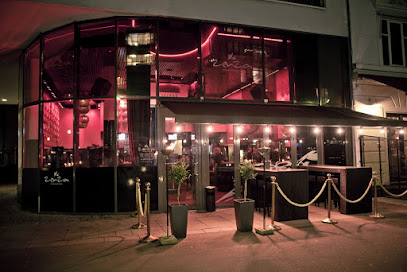
GBAR
0.2 km
Experience the vibrant nightlife at GBAR in Aarhus, a welcoming dance club where everyone can enjoy an unforgettable night out.
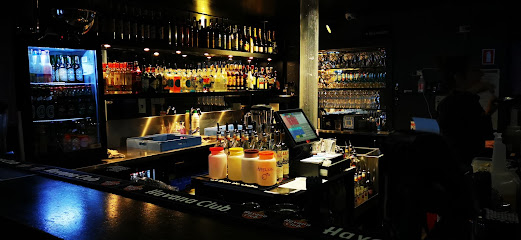
DCD STUDIO
0.3 km
Experience the vibrant rock music scene at DCD STUDIO in Aarhus, where electrifying performances and a lively atmosphere await every visitor.
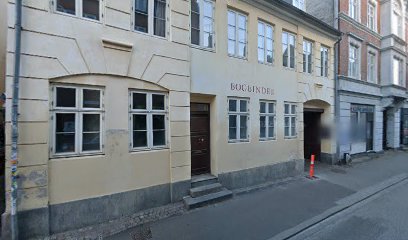
Rustik Bar & Natklub - Aarhus
0.3 km
Dive into the pulsating nightlife of Aarhus at Rustik Bar & Natklub, where vibrant music and an electric atmosphere await.
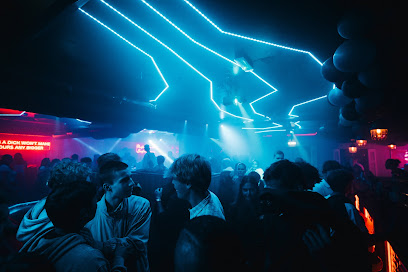
Lounge 8000
0.3 km
Discover the best of Aarhus nightlife at Lounge 8000, where vibrant performances and a stylish lounge atmosphere await.
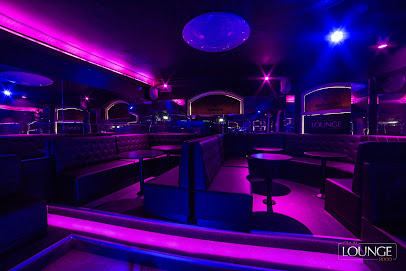
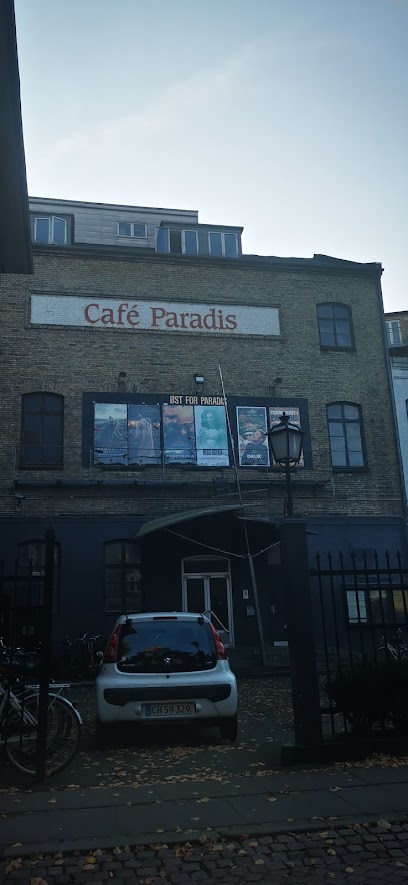
Cafe Paradis - Den Sidste
0.3 km
Unleash your nightlife experience at Cafe Paradis - Den Sidste, Aarhus' top destination for dancing, cocktails, and unforgettable memories.
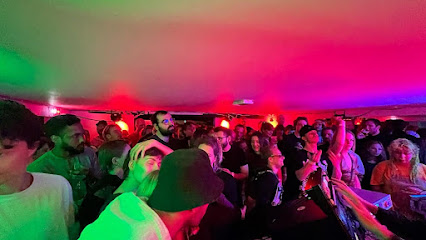
equalclub
0.6 km
Discover the thriving nightlife of Aarhus at Equal Club, where music, dance, and unforgettable experiences come together.
For the vibe & atmosphere seeker
- Scenic
- Unique
- Casual
- Boutique
For the design and aesthetic lover
- Colorful Aesthetics
- Modern Designs
- Art Deco Styles
For the architecture buff
- Historic
- Landmarks
- Art & Design
- Heritage Neighborhoods
For the social media creator & influencer
- Photo Spots
- Architectural Shots
- Instagrammable
- Aesthetic Corners
For the eco-conscious traveler
- Public-Transport Accessible
- Low Impact
For the kind of experience you’re after
- Cultural Heritage
- Photowalk
- Day Trip
- Mindfulness
- Festival / Event Nearby
For how adventurous you want the journey to be
- Easy Access
Location Audience
- Family Friendly
- Senior Friendly
- Teen Friendly
- Solo Friendly
- Couple Friendly
- Solo Female Friendly
- LGBT Friendly
- Business Friendly
- Vegetarian Friendly
- Vegan Friendly


