Fishermen memorial, Esbjerg Travel Guide
Free Guide: A quiet granite grove on Esbjerg’s windy coast, honoring generations of local fishermen who never returned from the sea.


A brief summary of Fishermen memorial
A quiet granite grove on Esbjerg’s windy coast, honoring generations of local fishermen who never returned from the sea.
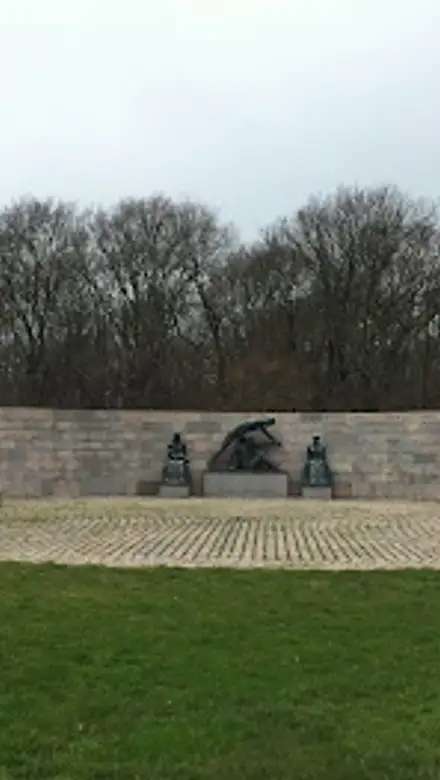
Set just west of Esbjerg, the Fishermen Memorial is a quiet granite grove dedicated to the many local fishermen who have lost their lives at sea since 1900. Tucked near the coastline and maritime quarter, this simple circular monument bears hundreds of engraved names, turning a small green space into a powerful place of remembrance. It is an open-air site, free to visit at any time, and pairs naturally with nearby maritime attractions and sea views.
On-site amenities
 Seating areas
 Trash bins
 Information boards
Opening hours
- Every dayOpen 24 hours
Opening hours as listed on the venue’s Google Business Profile. Hours can change for services and special events, so check with the venue before you go.
- Address
- 6710 Esbjerg
Getting there
City bus from Esbjerg center
Taxi within Esbjerg
Cycling from Esbjerg center
On foot from nearby coastal attractions
Discover more about Fishermen memorial
A seaside tribute to Esbjerg’s fishing past
The Fishermen Memorial in Esbjerg sits close to the windswept North Sea coast, in a modest grove that contrasts with the busy harbour and modern city beyond. This is not a grand plaza but a small, focused space dedicated to those who took to the water and never came home. Here, the noise of ships and traffic drops away, replaced by the rustle of grass and the steady breath of wind off the Wadden Sea.Esbjerg grew rapidly as a fishing port from the late 19th century, and for decades entire neighborhoods depended on the daily risks of life at sea. The memorial gives that story a physical anchor, inviting you to pause between the harbour, nearby museums and the open shoreline.
The granite rotunda of names and years
At the heart of the grove stands a circular granite rotunda, its inner face carved with the names of Esbjerg fishermen who lost their lives at sea from 1900 onwards. Each inscription is spare and factual—name, vessel, date—yet together they form a dense record of storms, collisions and groundings scattered across the North Sea and beyond. Walking slowly around the circle, you see certain years thick with loss, hinting at notorious gales and wartime dangers.The design is deliberately understated. There are no heroic figures or dramatic sculptures, only the steady repetition of names in stone. The effect is cumulative: the further you walk, the more the grove feels like an outdoor archive of the town’s collective grief and resilience.
Setting, atmosphere and the rhythm of the sea
The memorial is framed by low plantings and lawn, with glimpses of sky and, in places, of the harbour and sea. On bright days, the pale granite and dark lettering feel crisp and clear; in mist or drizzle, the stone darkens and the site takes on a more introspective tone. The marine air carries faint traces of salt and fuel from the port, a reminder that fishing and offshore work are still part of Esbjerg’s identity.Because the grove is open around the clock, the mood changes with the time of day. Early mornings can be almost silent except for seabirds, while evenings may mix the glow of harbour lights with the last colour in the western sky. Many visitors choose to walk the circle slowly, then step back to take in the rotunda as a whole, allowing a moment of quiet before returning to the livelier waterfront.
Connections to maritime Esbjerg
The Fishermen Memorial sits within a small cluster of coastal attractions that together tell a broader story. Nearby, the Fisheries and Maritime Museum explores the region’s seafaring heritage, from trawlers and offshore platforms to the wildlife of the Wadden Sea, while the towering white "Man Meets the Sea" sculptures stand further along the coast, gazing toward the horizon. Against these bold, sculptural statements, the memorial grove feels intimate and grounded.Visiting the grove alongside the museum and shoreline paths helps place the engraved names in context. You can move from exhibits on fishing technology and sea life to the quiet of the rotunda, then out again to the open coast where trawlers and service vessels still trace routes similar to those once followed by the men commemorated here.
Reflective moments by the Wadden Sea edge
Although the memorial can be seen in a brief stop, it rewards a slower, more reflective visit. Many people choose to walk the circle more than once, first reading names and dates, then letting their gaze drift out toward the distant line of water and sky. The grove’s simplicity makes it suitable for solitary contemplation as well as quiet conversation.In a region where the sea provides both livelihood and danger, this small granite ring acts as a counterpoint to busy quays and modern offshore industry. It keeps the human cost of maritime work visible within the landscape, offering a calm pause between the city and the open water.
Evendo Review Centre
 Google
Guest reviews
Best time to go
Quietest: Jan, Feb & Mar · before 8am or at 9pm
Busy times are Evendo estimates for a typical year, to help you plan. Actual crowds vary with events, school holidays and the weather.
Explore Fishermen memorial on the map
A handpicked selection of must-see spots near Fishermen memorial, mapped for you.
Get your free copy of our complete guide to Fishermen memorial, delivered straight to you.
Everything on this page, from opening hours and how to get there to Eve’s tips and the best time to go, in one PDF you can read offline, print or share.
Already have an account? Sign in
Your Fishermen memorial guide is ready.
We'll send it to · Not you? Sign out

Getting your guide ready…
We are putting together a fresh copy of the Fishermen memorial guide. This can take up to a minute.
This can take a few moments. If your browser asks, choose Allow so the download can start. You'll find the guide in your Downloads folder.
Nothing happened? Download it again
Sorry, the guide is taking longer than usual. Please try again in a minute, or get it by email instead.
Other nearby places you may find interesting
The closest places of the same kind, if this one is not quite what you had in mind.
-
-
-
-
-


Swipe for more places
More to explore near Fishermen memorial

 Best experiences near Fishermen memorial
 Best hotels near Fishermen memorial
 Best landmarks near Fishermen memorial
 Best attractions near Fishermen memorial
 Best shops near Fishermen memorial
 Best restaurants near Fishermen memorial
 Best bars near Fishermen memorial
Do you manage this location?
Take control to get all the benefits, like improved information, better appearance, and stronger visibility across AI-powered discovery.
Explore more

Explore more of Esbjerg
Discover Esbjerg: A coastal city in Denmark known for its maritime heritage, stunning sculptures, and vibrant downtown, offering something for every traveler.
Explore Esbjerg
Explore more of Denmark
Discover Denmark: A perfect blend of history, modern design, and the cozy concept of hygge. Explore vibrant cities, serene landscapes, and world-class cuisine.
Explore Denmark