

Æ Kåver Travel Guide
Free Guide: Reborn wooden seamark on Fanø’s southern edge, Æ Kåver recalls 17th‑century seafaring in a wild Wadden Sea landscape of wind, sand and wide horizons.


A brief summary of Æ Kåver
Reborn wooden seamark on Fanø’s southern edge, Æ Kåver recalls 17th‑century seafaring in a wild Wadden Sea landscape of wind, sand and wide horizons.
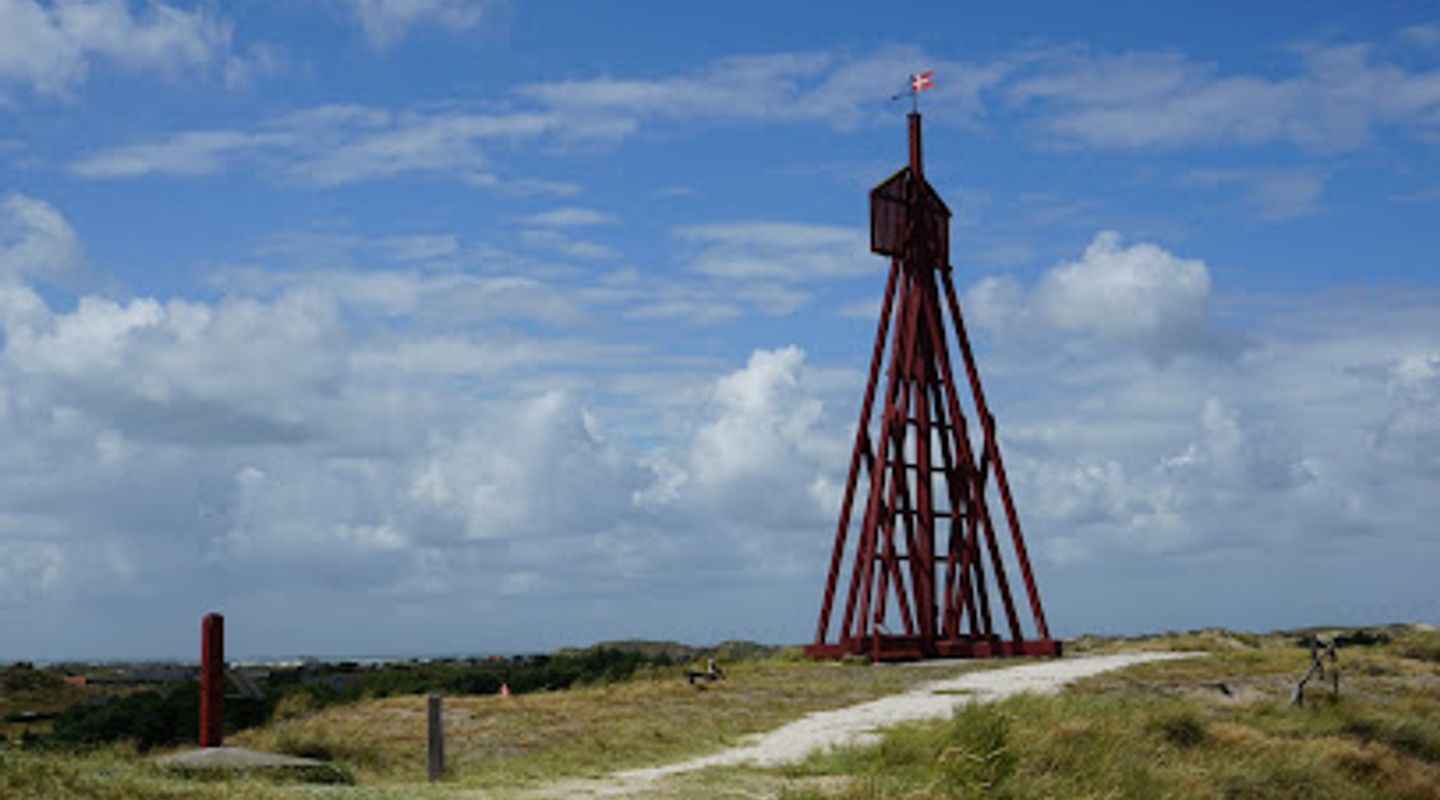
Rising above the southern tip of Fanø near Sønderho, Æ Kåver is a striking wooden seamark and a proud symbol of the island’s long maritime history. First erected in 1624 as part of a pair of navigation beacons guiding ships through the shifting Wadden Sea channels, the 14.5m structure you see today is a faithful reconstruction completed in 2001 after decades of absence. Standing exposed to wind, sand and sky, this simple geometric tower tells the story of Fanø’s age as a bustling “ship island” and remains a characterful stop for history lovers, walkers and photographers.
On-site amenities
 Trash bins
 Information boards
Opening hours
- Every dayOpen 24 hours
Opening hours as listed on the venue’s Google Business Profile. Hours can change for services and special events, so check with the venue before you go.
- Address
- 6720 Fanø
Getting there
Car from Nordby on Fanø
Bicycle from Sønderho village
Walking from Sønderho area
Discover more about Æ Kåver
A wooden giant at the edge of Fanø
Æ Kåver stands on the windswept southern tip of Fanø, just outside the village of Sønderho, where sandy heathland meets the vast tidal flats of the Wadden Sea. From a distance, its angular silhouette rises above the dunes like a wooden beacon frozen in time. The structure is deceptively simple: a tall, open timber frame with bold geometric lines designed to be visible from far out at sea. Up close, you notice the grain of the wood, the bracing beams and the way the tower seems to lean into the prevailing wind.The site feels exposed and elemental. On a clear day you can see far across the shallow waters and sandbanks that once threatened wooden hulls and cargoes on every tide. The constant movement of clouds overhead and the calls of seabirds circling the shoreline add to the sense that this is still a working seascape, even if the age of sail has long passed.
From ship island to navigational landmark
Fanø has been known for centuries as a skibsø, a “ship island”, and Æ Kåver is one of the clearest physical reminders of that era. The original seamark was first erected in 1624, making it Denmark’s oldest known navigational beacon of its kind. It was part of a pair of high markers, locally called Æ Kåver and Æ læns Kåver, set up to guide sailing ships safely through the narrow and shifting channels south of the island.By lining up the two structures, captains could find a safer course between shoals in waters where sandbars were constantly rearranged by wind and tide. In an age before modern lighthouses and electronic navigation, these wooden daymarks were vital tools, helping Fanø’s merchants and seafarers trade across the North Sea while avoiding the wrecks that claimed less prepared crews.
Disappearance and careful reconstruction
Over the centuries the harsh maritime climate took its toll on the original structure. Storms, salt-laden winds and the gradual changes in shipping patterns eventually led to its disappearance, leaving only memories, drawings and historic references. For many locals, the absence of Æ Kåver felt like a missing piece in the story of Sønderho and the island’s proud seafaring traditions.In 2001 a carefully researched reconstruction was raised on the original site. Based on historic descriptions, old graffiti carvings from the church in Sønderho and archival drawings, the new seamark was built to match the dimensions and form of its 17th-century predecessor, reaching about 14.5 metres into the sky. Although it no longer serves as an essential navigation aid, it restores the historical silhouette that mariners once used as a lifeline.
Experiencing the Wadden Sea landscape
Visiting Æ Kåver is as much about the surrounding landscape as it is about the structure itself. The open terrain around the seamark offers wide horizons and a strong sense of the Wadden Sea’s unique character. At low tide, huge expanses of sand and mudflats are revealed, underlining how treacherous these shallow waters would have been for deep‑keeled vessels. In stronger winds you can watch the grass bend and feel the full force of the North Sea weather.The area is especially atmospheric in the soft light of morning or late afternoon, when the wooden framework casts long shadows and the colours of sky, dune and sea shift from grey-blue to warm gold. It is an inviting place for photographers, sketchers and anyone interested in coastal landscapes shaped by both nature and human ingenuity. Even without formal facilities, the site lends itself to quiet contemplation and unhurried walks.
A quiet symbol of Fanø’s identity
Today Æ Kåver functions as a cultural landmark rather than a working seamark. It encapsulates several layers of Fanø’s identity: the importance of seafaring to local prosperity, the dangers of the Wadden Sea, and the community’s determination to preserve its maritime heritage. The reconstruction project was driven by local engagement and a desire to maintain visible links to the island’s past.Standing beneath the timbers, it is easy to imagine square‑rigged ships manoeuvring off the coast, their captains scanning the horizon for these wooden guides. The structure’s simplicity invites interpretation: to some, it is a piece of coastal architecture; to others, a sculptural reminder of human dependence on the sea. For modern travellers, Æ Kåver offers a short, rewarding stop that anchors the wider story of Fanø in one striking, windswept landmark.
Evendo Review Centre
 Google
Guest reviews
Best time to go
Quietest: Jan, Feb & Mar · before 8am or at 7pm
Busy times are Evendo estimates for a typical year, to help you plan. Actual crowds vary with events, school holidays and the weather.
Explore Æ Kåver on the map
A handpicked selection of must-see spots near Æ Kåver, mapped for you.
Get your free copy of our complete guide to Æ Kåver, delivered straight to you.
Everything on this page, from opening hours and how to get there to Eve’s tips and the best time to go, in one PDF you can read offline, print or share.
Already have an account? Sign in
Your Æ Kåver guide is ready.
We'll send it to · Not you? Sign out

Getting your guide ready…
We are putting together a fresh copy of the Æ Kåver guide. This can take up to a minute.
This can take a few moments. If your browser asks, choose Allow so the download can start. You'll find the guide in your Downloads folder.
Nothing happened? Download it again
Sorry, the guide is taking longer than usual. Please try again in a minute, or get it by email instead.
Other nearby places you may find interesting
The closest places of the same kind, if this one is not quite what you had in mind.
-
-
-
-
-


Swipe for more places
More to explore near Æ Kåver

 Best experiences near Æ Kåver
 Best hotels near Æ Kåver
 Best landmarks near Æ Kåver
 Best attractions near Æ Kåver
 Best shops near Æ Kåver
 Best restaurants near Æ Kåver
 Best bars near Æ Kåver
Do you manage this location?
Take control to get all the benefits, like improved information, better appearance, and stronger visibility across AI-powered discovery.
Explore more

Explore more of Fanø
Discover Fanø, Denmark's hidden coastal gem, offering stunning beaches, charming villages, and rich wildlife, perfect for a tranquil getaway and nature adventures.
Explore Fanø
Explore more of Denmark
Discover Denmark: A perfect blend of history, modern design, and the cozy concept of hygge. Explore vibrant cities, serene landscapes, and world-class cuisine.
Explore Denmark
