

Sønderho Church Travel Guide
Free Guide: An 18th‑century island church filled with Denmark’s largest flotilla of votive ships, anchoring Sønderho’s seafaring history in a tranquil Wadden Sea village.


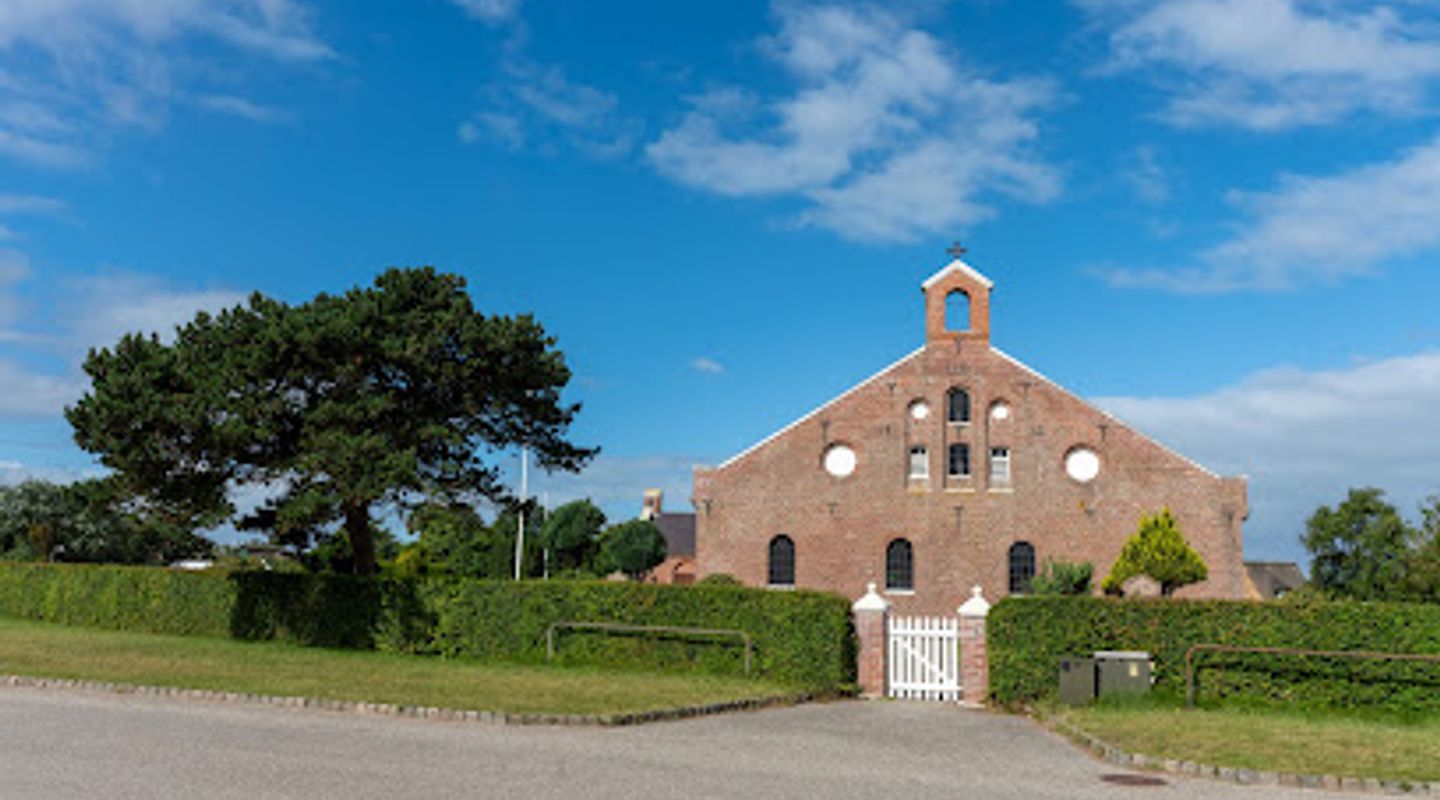
A brief summary of Sønderho Church
An 18th‑century island church filled with Denmark’s largest flotilla of votive ships, anchoring Sønderho’s seafaring history in a tranquil Wadden Sea village.
Sønderho Church is a beautifully preserved 18th‑century Lutheran church at the heart of Sønderho village on the island of Fanø. Built in 1782, it is renowned for its warm wooden interior and Denmark’s largest collection of votive ship models, a tangible reminder of the island’s strong maritime heritage. Surrounded by thatched houses and windswept Wadden Sea landscapes, the church is both a historical landmark and a quiet refuge for reflection.
On-site amenities
 Restrooms
 Seating areas
 Information boards
 Trash bins
- Address
- Sønderho Strandvej 1A, Sønderho, 6720 Fanø
- Phone
- Website
Getting there
Car and ferry from Esbjerg
Public transport and ferry via Esbjerg
Cycling across Fanø
Discover more about Sønderho Church
A seaside church shaped by sailors and sand
Sønderho Church stands just inland from the Wadden Sea, anchored in the low dunes and cottages of Sønderho, Fanø’s historic mariner village. Completed in 1782 as the island’s second parish church, it reflects the prosperity and piety of a community that once sent ships across the North Sea and far beyond. The simple brick exterior, softened by the surrounding heather and sandy paths, gives little hint of the intricate details waiting inside.Step around the churchyard and you sense how closely land and sea have always intertwined here. Weathered headstones carry the names of captains and seafarers, many of whom spent most of their lives away from this small island. The church became their spiritual safe harbor, a place families turned to when relatives were at sea and where returning crews gave thanks for voyages survived.
Inside the wooden heart of Sønderho
The interior of Sønderho Church is an atmospheric mix of painted timber, low ceilings, and intimate light. Broad wooden beams span the nave, and the pews, pulpit, and gallery all carry the patina of centuries of use. The layout follows a regional tradition: a relatively narrow nave with a built‑in transept, creating an almost ship‑like feel to the space.Soft daylight filters through modest windows, falling on carved details, simple Lutheran symbolism, and traces of earlier decorative schemes. The organ loft at the western end adds another layer of craftsmanship, its woodwork echoing the forms of local boats and houses. Even on a quiet day, the creak of the floorboards and the scent of old pine make the building feel alive with memory.
Denmark’s largest fleet of votive ships
Look up, and the church’s most distinctive feature reveals itself: a small armada of model ships suspended from the ceiling. With around fifteen examples, Sønderho Church holds the largest collection of votive ships in Denmark. Each model was given in gratitude or supplication, offered by sailors and their families to ask for protection or to commemorate safe return.The ships span different eras of maritime design, from square‑rigged sailing vessels to later craft, forming a three‑dimensional timeline of Fanø’s seafaring story. Details such as tiny rigging, painted hulls, and national flags testify to the skill and devotion invested in these offerings. Together, they transform the church interior into a quiet maritime museum woven into a place of worship.
A village landmark in a storybook setting
Outside the church doors, Sønderho unfolds in a patchwork of lanes, low thatched houses, and sheltering fences. From the churchyard you can glimpse the rooftops of the old village and, in the distance, the dune ridges that separate Fanø from the North Sea. It is easy to imagine 19th‑century sailors walking the same routes between home, harbor, and church.The building acts as an orienting point within the settlement, a landmark for strolls through the old streets or onward to the broad southern beaches. In the softer light of morning or late afternoon, the whitewashed walls and red‑tiled roof take on a warm glow, especially when the Wadden Sea winds drop and the village falls quiet for a moment.
Experiencing Sønderho Church today
Visiting Sønderho Church is as much about atmosphere as it is about architecture. You can sit in a simple pew, listen to the faint sounds of the village outside, and let your eyes trace the model ships and painted wood. Informal information boards and printed materials typically explain key features, giving context to the building’s unusual plan and maritime heritage.Many visitors combine the church with a wider wander around Sønderho and the nearby sea dikes and dunes, using the church as a natural starting point for exploring this corner of the Wadden Sea coast. Whether you stay for a brief look or linger in the stillness, Sønderho Church offers a tangible link between the island’s seafaring past and its calm, coastal present.
Evendo Review Centre
 Google
Guest reviews
Best time to go
Quietest: Jan, Feb & Mar · before 8am or at 8pm
Busy times are Evendo estimates for a typical year, to help you plan. Actual crowds vary with events, school holidays and the weather.
Explore Sønderho Church on the map
A handpicked selection of must-see spots near Sønderho Church, mapped for you.
Get your free copy of our complete guide to Sønderho Church, delivered straight to you.
Everything on this page, from opening hours and how to get there to Eve’s tips and the best time to go, in one PDF you can read offline, print or share.
Already have an account? Sign in
Your Sønderho Church guide is ready.
We'll send it to · Not you? Sign out

Getting your guide ready…
We are putting together a fresh copy of the Sønderho Church guide. This can take up to a minute.
This can take a few moments. If your browser asks, choose Allow so the download can start. You'll find the guide in your Downloads folder.
Nothing happened? Download it again
Sorry, the guide is taking longer than usual. Please try again in a minute, or get it by email instead.
Other nearby places you may find interesting
The closest places of the same kind, if this one is not quite what you had in mind.
-
-
-
-
-


Swipe for more places
More to explore near Sønderho Church

 Best experiences near Sønderho Church
 Best hotels near Sønderho Church
 Best landmarks near Sønderho Church
 Best attractions near Sønderho Church
 Best shops near Sønderho Church
 Best restaurants near Sønderho Church
 Best bars near Sønderho Church
Do you manage this location?
Take control to get all the benefits, like improved information, better appearance, and stronger visibility across AI-powered discovery.
Explore more

Explore more of Fanø
Discover Fanø, Denmark's hidden coastal gem, offering stunning beaches, charming villages, and rich wildlife, perfect for a tranquil getaway and nature adventures.
Explore Fanø
Explore more of Denmark
Discover Denmark: A perfect blend of history, modern design, and the cozy concept of hygge. Explore vibrant cities, serene landscapes, and world-class cuisine.
Explore Denmark
