

Guldborgsund Zoo & Botanisk Have Travel Guide
Free Guide: Intimate town-edge zoo and botanical garden where animal encounters, leafy paths and playgrounds have long shaped family days out in Nykøbing Falster.


A brief summary of Guldborgsund Zoo & Botanisk Have
Intimate town-edge zoo and botanical garden where animal encounters, leafy paths and playgrounds have long shaped family days out in Nykøbing Falster.
Set in leafy Nykøbing Falster, Guldborgsund Zoo & Botanisk Have combines a compact animal park with a family-friendly green oasis. Paths wind between paddocks, small animal houses and themed gardens, with several playgrounds and lawns inviting picnics on mild Danish days. Though modest in scale, the site has long served as a local escape where children can meet familiar farm animals alongside more exotic species, all within walking distance of the town centre.
On-site amenities
 Restrooms
 Drink options
 Drinking water
 Food options
 Seating areas
 Picnic areas
 Trash bins
 Information boards
 Visitor centre
 Sheltered areas
Opening hours
- Every day9 am–5 pm
Opening hours as listed on the venue’s Google Business Profile. Hours can change for services and special events, so check with the venue before you go.
- Address
- Østre Alle 97, 4800 Nykøbing Falster
- Phone
- Website
Getting there
Regional train and local walk
Local bus within Nykøbing Falster
Car or taxi from the surrounding region
Cycling from central Nykøbing Falster
Discover more about Guldborgsund Zoo & Botanisk Have
A Green Pocket on the Edge of Nykøbing Falster
Guldborgsund Zoo & Botanisk Have sits in a gently sloping parkland on the eastern side of Nykøbing Falster, wrapped in mature trees and sheltering hedges that soften the town around it. The grounds feel immediately intimate rather than grand, with winding paths that encourage unhurried strolling rather than strict routes. Grassy lawns open between enclosures, and benches are tucked into corners where you can pause to listen to birdsong and the distant sounds of animals.Although not vast, the zoo is laid out to feel varied: one moment you are beside a pond fringed with reeds, the next you are looking across a paddock or peering into a warm house for smaller species. The botanical side is woven through the site, with planting beds, shrubs and small trees adding texture, shade and seasonal colour.
Animals at a Manageable Scale
The zoo has traditionally focused on a mix of familiar and more unusual animals in enclosures sized to match the compact grounds. Domestic species such as goats, sheep and other farm animals have given younger visitors a chance to see creatures they might only know from picture books. Alongside them, the park has housed more exotic residents, from birds to small mammals and larger carnivores in purpose-built spaces.Enclosures are connected by clearly marked paths, making it easy to create your own loop through the park. At feeding times, the energy shifts noticeably, with animals becoming more active and vocal. Information boards near many habitats help put what you see into context, summarising where the animals come from, how they live in the wild and what threatens them there.
Botanical Corners and Quiet Paths
The "Botanisk Have" element reveals itself gradually as you wander. Planting here is less about formal flowerbeds and more about a layered, park-like landscape, with stands of trees, flowering shrubs and pockets of perennials. On calm days you can catch the scent of blossoms or resin, especially in late spring and early summer when the foliage is at its fullest.Some of the most pleasant parts of the site are the quieter paths that loop away from the busiest animal areas. These stretches, often edged by plantings, give a sense of being in a small urban garden rather than a zoo. They work well as short breathing spaces for adults while children race ahead toward the next enclosure or playground.
Playgrounds, Picnics and Family Time
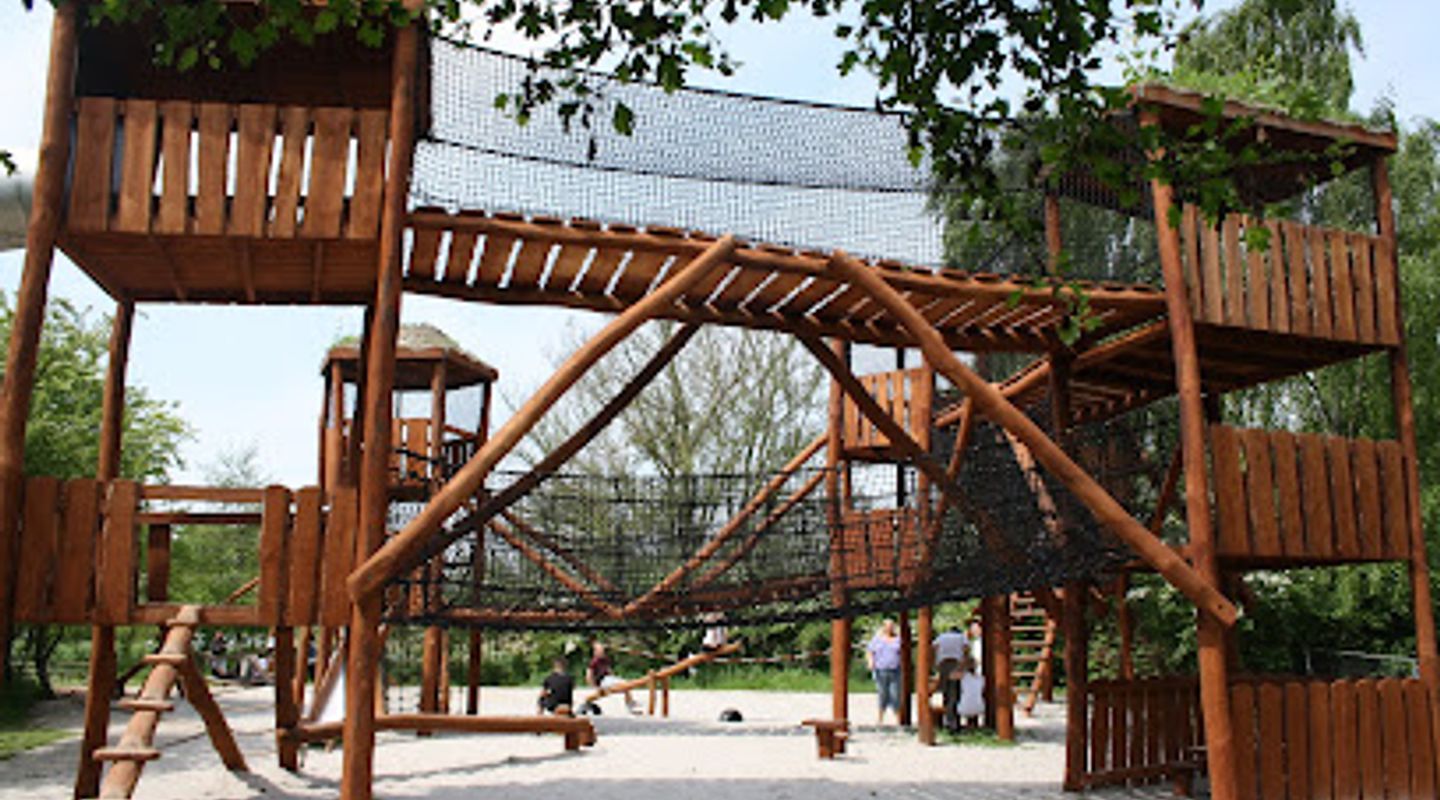
Guldborgsund Zoo & Botanisk Have has long leaned into its role as a family outing spot. Playgrounds with climbing frames, swings and sand areas punctuate the grounds and often end up being just as memorable as the animals themselves. These areas are usually set by lawns and seating, allowing adults to rest while still keeping a close eye on children.Picnicking is part of the experience here. Several designated picnic spots, some with tables and others simply open grass, make it easy to unpack a bag of snacks or a full lunch. On warm days the mix of sun and shade is especially welcome, and the steady background chorus of animal sounds gives the park a distinct character compared with a standard town green.
A Local Fixture in Transition
Over the years the zoo and garden have played a steady role in the life of Nykøbing Falster, providing schools, families and visitors with an accessible space to encounter animals and enjoy greenery within the town. Like many smaller zoos, it has had to adapt to evolving ideas about animal welfare, conservation priorities and how best to use compact urban land.Recent information indicates that operations here have been reported as permanently closed, reflecting wider changes in how such sites are run and funded. Even so, the layout, plantings and structures tell the story of a place shaped by decades of everyday outings: prams on the paths, children at the fences, and countless picnics on the grass. If reopened or repurposed in the future, the grounds are well placed to continue serving as a pocket of nature and learning on Falster.
Evendo Review Centre
 Google
Guest reviews
Best time to go
Quietest: Jan, Feb & Nov · before 8am or from 6pm
Busy times are Evendo estimates for a typical year, to help you plan. Actual crowds vary with events, school holidays and the weather.
Explore Guldborgsund Zoo & Botanisk Have on the map
A handpicked selection of must-see spots near Guldborgsund Zoo & Botanisk Have, mapped for you.
Get your free copy of our complete guide to Guldborgsund Zoo & Botanisk Have, delivered straight to you.
Everything on this page, from opening hours and how to get there to Eve’s tips and the best time to go, in one PDF you can read offline, print or share.
Already have an account? Sign in
Your Guldborgsund Zoo & Botanisk Have guide is ready.
We'll send it to · Not you? Sign out

Getting your guide ready…
We are putting together a fresh copy of the Guldborgsund Zoo & Botanisk Have guide. This can take up to a minute.
This can take a few moments. If your browser asks, choose Allow so the download can start. You'll find the guide in your Downloads folder.
Nothing happened? Download it again
Sorry, the guide is taking longer than usual. Please try again in a minute, or get it by email instead.
Other nearby places you may find interesting
The closest places of the same kind, if this one is not quite what you had in mind.
-
-
-
-
-


Swipe for more places
More to explore near Guldborgsund Zoo & Botanisk Have
-
 Best experiences near Guldborgsund Zoo & Botanisk Have
-
 Best hotels near Guldborgsund Zoo & Botanisk Have
-
 Best landmarks near Guldborgsund Zoo & Botanisk Have
-
 Best attractions near Guldborgsund Zoo & Botanisk Have
-
 Best shops near Guldborgsund Zoo & Botanisk Have
-
 Best restaurants near Guldborgsund Zoo & Botanisk Have
-
 Best bars near Guldborgsund Zoo & Botanisk Have


Do you manage this location?
Take control to get all the benefits, like improved information, better appearance, and stronger visibility across AI-powered discovery.
Explore more

Explore more of Falster
Discover Falster: A blend of serene beaches, rich history, and lush landscapes in Denmark's southern island treasure.
Explore Falster
Explore more of Denmark
Discover Denmark: A perfect blend of history, modern design, and the cozy concept of hygge. Explore vibrant cities, serene landscapes, and world-class cuisine.
Explore Denmark
