
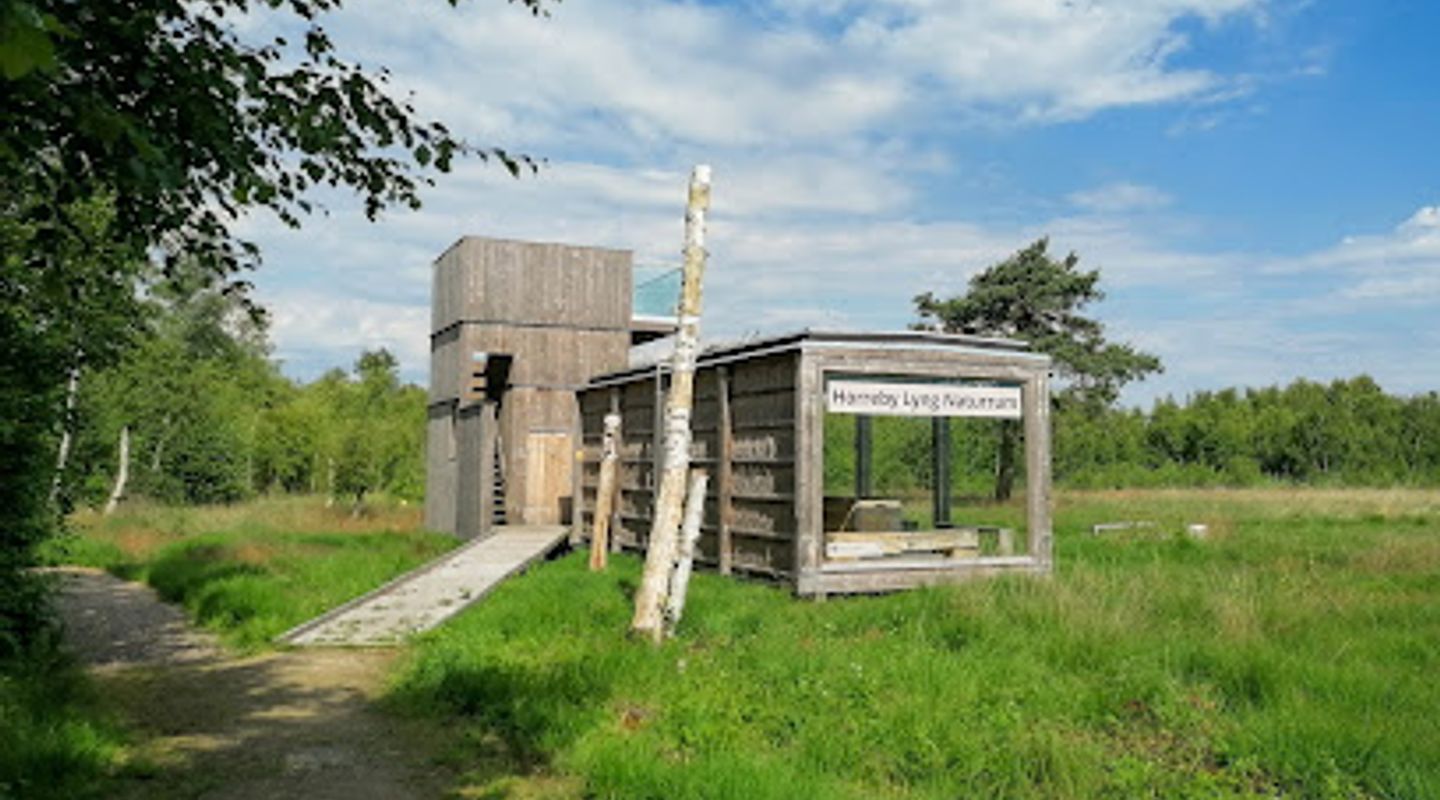
Horreby Lyng, Falster Travel Guide
Falster’s only raised bog, where quiet boardwalks, restored peatland and traces of ancient life create a subtle, atmospheric escape into Danish nature.
Horreby Lyng is Falster’s only raised bog, a protected mosaic of heather, sphagnum moss, pools and birch scrub just east of Nykøbing Falster. Once a busy peat-cutting landscape, it is now a quiet nature reserve criss-crossed by well-marked trails and a 300‑metre boardwalk that lets you walk right out into the wetland without getting your feet wet. Rich flora, insects, birds and traces of human activity reaching back to the Neolithic age make it an evocative stop for slow walks and nature photography.
A brief summary to Horreby Lyng
- Spangvej, Nykøbing Falster, 4800, DK
- Click to display
- Click to display
- Duration: 1 to 3 hours
- Free
-
 Outdoor
- Mobile reception: 3 out of 5

Know before you go
Hi, I'm Eve. Here are a few practical things to know before exploring Horreby Lyng.
- Wear waterproof or sturdy shoes: even with the boardwalk, some stretches of the paths can be soft, damp or muddy after rain.
- Visit in the early morning or late afternoon for the most atmospheric light, better wildlife spotting and a stronger sense of solitude.
- Stay strictly on marked paths and respect the sunrise-to-sunset access rule, as the bog is both fragile and located on private land.
- Bring binoculars and a camera if you are interested in birds, insects or close-up shots of mosses, heather and bog plants.
- Pack water and snacks; there are no food outlets on-site, and facilities are minimal once you are on the trails.
Do you manage this location?
Take control to get all the benefits, like improved information, better appearance, and stronger visibility across AI-powered discovery. Learn more about listing your business on Evendo
Activate your presenceOther nearby places you may find interesting
The closest places of the same kind, if this one is not quite what you had in mind.
Explore Horreby Lyng on the Map
A handpicked selection of must-see spots near Horreby Lyng, mapped for you.
Getting There
-
Car from Nykøbing Falster
From central Nykøbing Falster, driving to Horreby Lyng typically takes about 15–20 minutes, mostly on local country roads with light traffic. There is a small, free parking area near the main access point, but spaces are limited on fine weekends. The approach roads are paved and suitable for standard cars year-round, though they can be narrow, so allow extra time to drive calmly and watch for cyclists and farm vehicles.
-
Bicycle from Nykøbing Falster
Cycling from Nykøbing Falster to Horreby Lyng usually takes 35–50 minutes each way, depending on pace. The route follows minor roads through gently rolling farmland, with mostly flat terrain and occasional short stretches without dedicated cycle lanes. There is no fee to access the bog, and you can leave your bike near the entrance, but bring a lock and be prepared for changeable winds out on the open fields.
-
Public bus plus short walk
Regional buses connect Nykøbing Falster with villages near Horreby Lyng in around 20–30 minutes, followed by a walk of roughly 20–30 minutes on quiet rural roads to reach the main access point. Services generally run less frequently in the evenings and on weekends, and standard single tickets within the region often cost in the range of 25–40 DKK depending on zones. Check the latest timetable before you travel and wear comfortable shoes for the final stretch on foot.
For the on-the-go comforts that matter to you
-
 Information Boards
-
 Trash Bins
-
 Seating Areas
Discover more about Horreby Lyng
Falster’s High Moor in the Making
Horreby Lyng began life as a meltwater lake at the end of the last Ice Age, gradually filling with plant material until it rose above its surroundings and developed into a true raised bog. Today you step into a landscape of springy peat, open wet hollows and carpets of sphagnum moss that act like a natural sponge, holding water close to the surface. This constant dampness gives the area its distinctive colours and texture, shifting from rust browns and deep greens to soft purples when the heather blooms.Although relatively compact, the bog forms one of Denmark’s few remaining high moors and the only one on the island of Falster. It is ringed by more typical farmland and woodland, so the transition as you enter is abrupt: within a few steps tractors and traffic fade, replaced by the quiet gurgle of hidden water and the flit of dragonflies over dark pools.From Peat Cutting to Nature Restoration
For generations, Horreby Lyng was worked hard as a peat resource, especially during the shortages around the Second World War. Peat cuttings and drainage ditches once criss-crossed the bog, drying large sections and leaving behind bare peat faces and open scars in the landscape. At the eastern end of the reserve, you can still see areas where the peat has been removed so thoroughly that the ground now supports birch scrub and deciduous trees rather than true bog vegetation.In recent decades, the focus has shifted to restoration. Ditches have been blocked, water levels raised and a long-term effort is under way to let typical bog species reclaim the area. The story of this transition from working landscape to conservation area is part of what makes a walk here so thought-provoking: you are literally walking through layers of environmental history, where every change in vegetation reflects choices made by people and the slow response of the land.Wildlife Among Mosses, Pools and Heather
The oxygen-poor peat preserves organic material remarkably well, turning Horreby Lyng into a quiet archaeological archive. Finds from the Neolithic period and later prehistory – from tools to fragments of clothing – have been recovered from the bog, hinting at ritual deposits and everyday activity around these wet areas in earlier times. While those artefacts are no longer on site, it adds an extra layer of imagination as you look out across the dark water.Nature lovers come for the living residents as much as the buried past. The bog supports insect life in abundance, including dragonflies and damselflies hunting over the pools on warm days. Reptiles such as adders may bask along drier edges, and the vegetation includes specialist bog plants, with heather, cotton grass and occasional carnivorous species thriving where nutrients are scarce. Birdsong carries from nearby woodland, and in the open sections you may spot hunting birds of prey using the clear views across the moss.Boardwalks, Waymarked Routes and Quiet Exploration
Several waymarked circular routes between roughly 3 and 5 kilometres loop through Horreby Lyng, making it easy to tailor a visit to the time and energy you have. A highlight is the approximately 300‑metre boardwalk that leads straight out into the wetter western part of the bog. Here you float just above the saturated ground, surrounded by water and moss, with views that change subtly with each season. Elsewhere, firm paths cross drier sections and skirt former peat cuttings now filled with vegetation.Information boards at key points explain the bog’s formation, former peat extraction and the ongoing restoration work. The terrain is mostly flat but can feel uneven and soft away from the boardwalk, so sturdy footwear is useful even on fine days. Because the bog lies on privately owned land that is generously opened to the public, access is limited to daylight hours and to established paths, preserving both the fragile habitat and the sense of undisturbed nature.A Place for Slow Walks and Subtle Atmosphere
Horreby Lyng is best appreciated at an unhurried pace, letting your senses adjust to the small-scale drama of bog life. On still mornings, mist may cling low over the pools, while on bright afternoons the open sky reflects in dark water and the boardwalk gleams between tufts of heather. The reserve has an understated, contemplative character rather than headline-grabbing vistas, making it a rewarding stop for walkers, amateur naturalists and photographers who enjoy intimate landscapes.Because the area is relatively small and the marked routes interlink, you can explore for an hour or stretch your visit into half a day by pausing at viewpoints and detours. Whatever the length of your walk, Horreby Lyng offers a compact but layered glimpse into Denmark’s natural and cultural history, wrapped in the quiet of a recovering bog.












Your all‑in‑one travel companion app
Explore expert travel guides, compare and book tours, experiences, hotels, and more—all from the palm of your hand. Download now for seamless trip planning wherever your wanderlust takes you.


Explore More of Falster
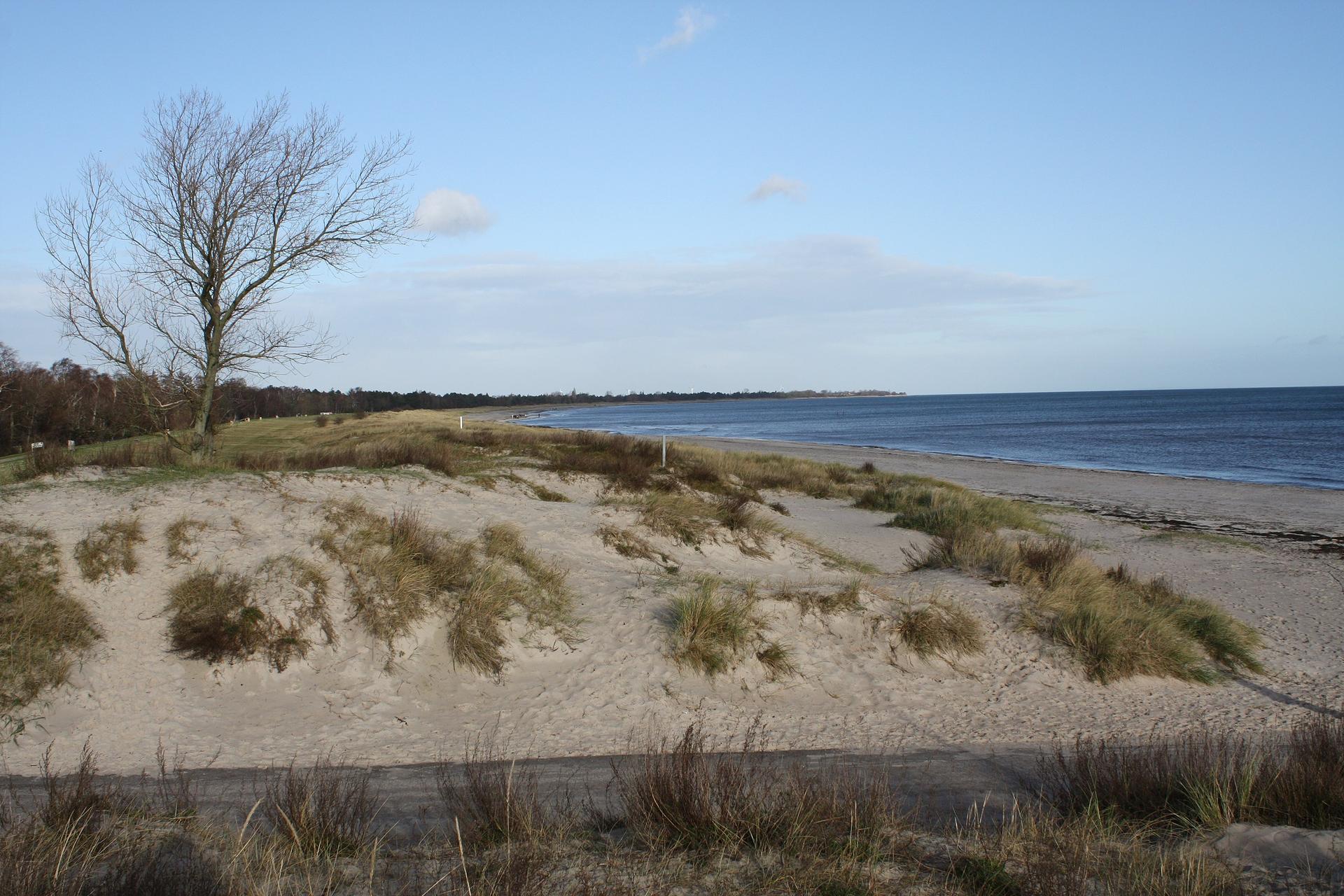
Looking beyond Horreby Lyng? Discover Falster for broader travel guides, local hot-spots, and regional highlights.
Explore Falster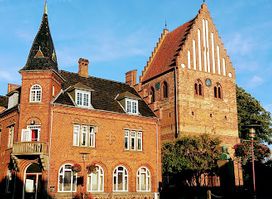
Soft beaches, quiet fields and a southern horizon: Falster is Denmark’s gentle island gateway between Copenhagen and the Baltic, where life moves at an easy coastal pace.
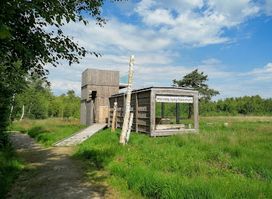
Falster’s only raised bog, where restored peatland, quiet boardwalks and millennia of natural and human history meet in a compact, immersive nature escape.
