Møn Travel Guide
Free Guide: Dramatic white cliffs, dark starry skies and slow island life meet on Møn, Denmark’s compact Baltic escape of forests, beaches, villages and wide horizons.


A brief summary of Møn
Dramatic white cliffs, dark starry skies and slow island life meet on Møn, Denmark’s compact Baltic escape of forests, beaches, villages and wide horizons.
Møn is a quietly spectacular Baltic Sea island in southeastern Denmark, part of Vordingborg Municipality. Famous for the gleaming white chalk cliffs of Møns Klint, it blends beech forests, rolling farmland, sandy beaches and small villages such as the market town of Stege. Designated both a UNESCO Biosphere Reserve and a certified Dark Sky Park together with nearby Nyord, Møn offers big nature on a compact scale: coastal hikes, cycling routes, prehistoric tombs, frescoed churches and some of northern Europe’s clearest night skies.
On-site amenities
 Restrooms
 Drink options
 Drinking water
 Food options
 Seating areas
 Sheltered areas
 Picnic areas
 Trash bins
 Information boards
 Visitor centre
- Address
- Vordingborg Municipality
Getting there
Car from Copenhagen
Train and bus via Vordingborg
Car and ferry from Germany
Cycling onto the island
Discover more about Møn
Chalk Cliffs and Baltic Horizons
Møn’s defining sight is the six-kilometre sweep of Møns Klint, Denmark’s highest chalk cliffs, rising up to around 128 metres where the white walls plunge straight into the turquoise Baltic Sea. Formed some 70 million years ago from compressed layers of microscopic sea creatures, the cliffs are still being sculpted by erosion, which sends bright chunks of chalk tumbling to the narrow shingle beach below.Above the cliffs, the beech forest of Klinteskoven creates a vivid contrast: deep green foliage, filtered light and sudden openings where viewpoints reveal the full drama of the coastline. Well-marked trails range from gentle cliff‑edge strolls to demanding stair descents of hundreds of steps to the waterline, rewarding you with fossil-rich beaches and close-up views of the sheer rock faces.
Island Landscapes in Miniature
Beyond the famous cliffs, Møn condenses a surprising variety of northern European landscapes into just over 200 square kilometres. The interior is a patchwork of fields, hedgerows and small woods, pierced by low ridges and heath-covered hills such as Høvblege, known for summer orchids and butterflies. To the north and west, the coast softens into wide bays, salt meadows and long, child-friendly sandy beaches.On the northern tip, the Ulvshale area mixes old beech stands, wetlands and dune-backed shores, ideal for quiet walks and birdwatching. Causeways and bridges tie Møn to the small islands of Bogø and Nyord, the latter largely protected and partly car-free, with open marshes that are important resting grounds for migratory birds and offer expansive views over sea and sky.
Stege, Villages and Everyday Life
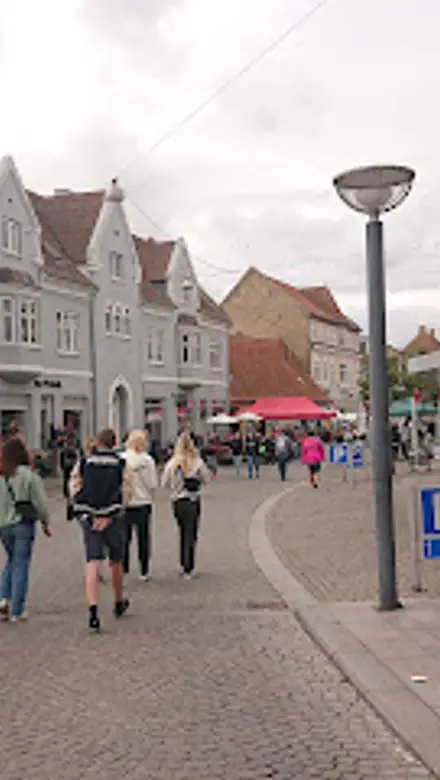
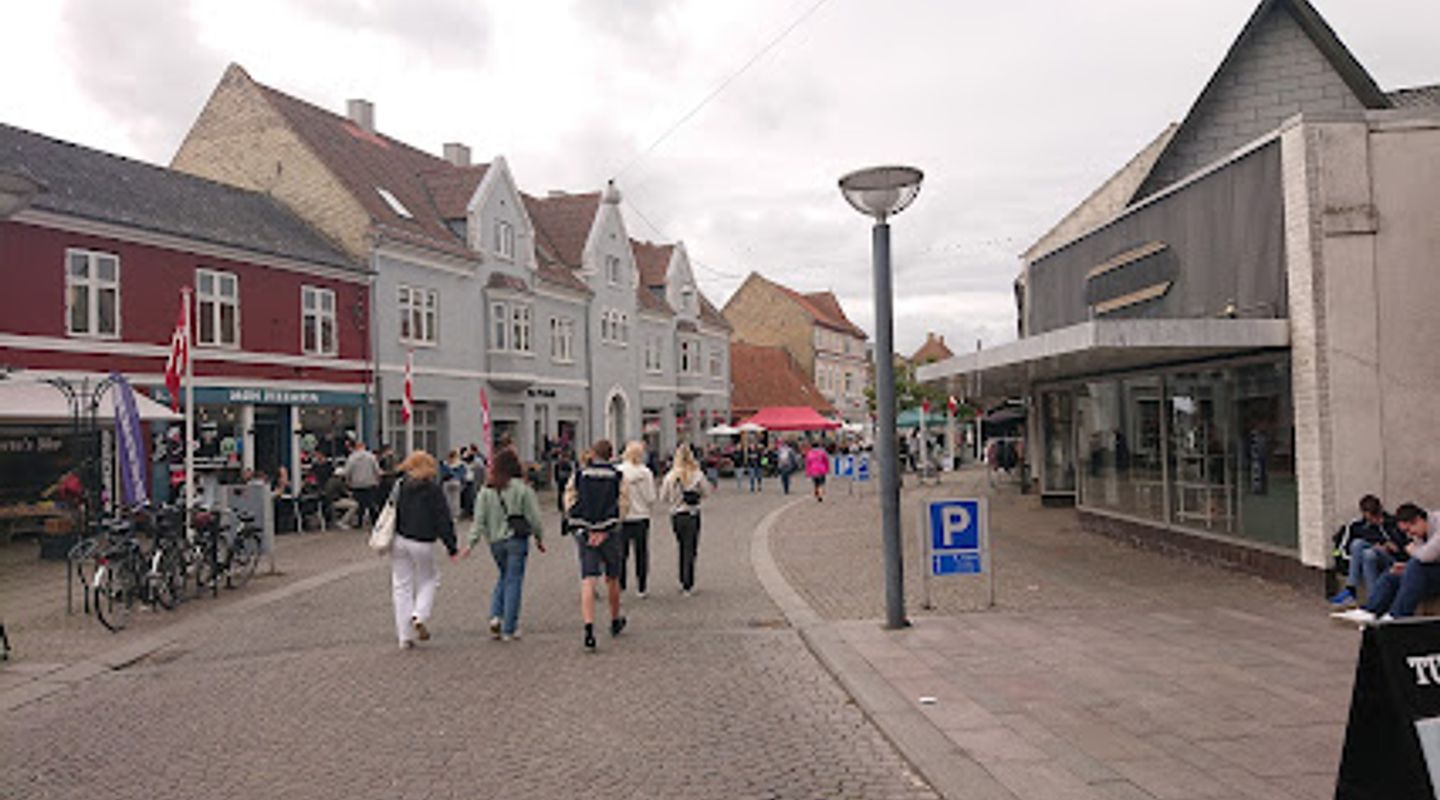
Stege, the island’s modest market town, provides the main sense of bustle on otherwise tranquil Møn. Within its former ramparts you find cobbled streets, small independent shops, bakeries, cafes and simple harbourside eateries. The town’s waterfront and marina underline the island’s connection to the sea, with small boats bobbing just steps from medieval walls.Scattered around the countryside are working farms, thatched houses and whitewashed churches. Fanefjord Church is especially notable for its richly painted interior, where vivid medieval frescoes unfold scenes of saints, everyday life and biblical stories beneath a steep tiled roof. Elsewhere, megalithic tombs and burial chambers hint at human presence stretching back to the Stone Age, tucked into fields and forest edges.
Dark Skies and Quiet Nights
Møn and neighbouring Nyord hold a rare accolade in Europe: certified Dark Sky status. Low levels of light pollution mean that on clear nights the Milky Way arches visibly across the sky, and constellations that vanish over cities reappear in sharp detail. Coastal viewpoints and open fields become natural observatories, where you can stand in near-silence listening to the surf while your eyes adjust to the star‑filled darkness.Season by season, the island’s mood shifts gently rather than dramatically. Summers bring long, mild days, ideal for swimming, cycling and camping, while spring and autumn emphasise migratory birds, fresh winds and changing colours in the beech woods. Even in winter, when many facilities reduce hours, the combination of bare trees, short days and long stargazing nights offers a stripped-back, atmospheric version of the island.
Active Days, Unhurried Pace
Møn lends itself to slow, outdoor-oriented days. Cyclists can follow quiet lanes or tackle the well-known Camøno trail sections on foot, tracing the coast past cliffs, fields and small hamlets. Around Møns Klint, the GeoCenter adds context with interactive exhibits on geology, ice ages and fossils, complementing time spent outside on the cliff paths and beach.Despite being one of Denmark’s standout natural destinations, Møn rarely feels rushed. Accommodation is largely in small guesthouses, campsites and holiday homes, and evenings often mean simple pleasures: a walk to a viewpoint, a shoreline picnic or a late swim as the sky turns pastel over the Baltic. It is this combination of dramatic scenery and gentle everyday rhythm that keeps the island feeling like a self-contained world.
Evendo Review Centre
 Google
Guest reviews
Best time to go
Quietest: Jan, Feb & Mar · before 5am
Busy times are Evendo estimates for a typical year, to help you plan. Actual crowds vary with events, school holidays and the weather.
Explore Møn on the map
A handpicked selection of must-see spots near Møn, mapped for you.
Get your free copy of our complete guide to Møn, delivered straight to you.
Everything on this page, from opening hours and how to get there to Eve’s tips and the best time to go, in one PDF you can read offline, print or share.
Already have an account? Sign in
Your Møn guide is ready.
We'll send it to · Not you? Sign out

Getting your guide ready…
We are putting together a fresh copy of the Møn guide. This can take up to a minute.
This can take a few moments. If your browser asks, choose Allow so the download can start. You'll find the guide in your Downloads folder.
Nothing happened? Download it again
Sorry, the guide is taking longer than usual. Please try again in a minute, or get it by email instead.
Other nearby places you may find interesting
The closest places of the same kind, if this one is not quite what you had in mind.
-
The Medieval Center Experience 15th-century Denmark through living history, trebuchets, tournaments, and authentic medieval crafts.
-
Guldborgsund Zoo & Botanisk Have Intimate town-edge zoo and botanical garden where animal encounters, leafy paths and playgrounds have long shaped family days out in Nykøbing Falster.
-
Horreby Lyng Falster’s only raised bog, where quiet boardwalks, restored peatland and traces of ancient life create a subtle, atmospheric escape into Danish nature.
-
Zipline Systofte Seasonal lakeside adventure park near Nykøbing Falster with a 400 m twin zipline, floating aquapark and high-jump airbag for families and thrill-seekers.
-
Crocodile Zoo, Falster Tropisk, fugtig varme, kæmpekrokodiller og bevaringsprojekter samles i et kompakt, intenst reptilunivers midt på Falster.
Swipe for more places
More to explore near Møn

 Best experiences near Møn
 Best hotels near Møn
 Best landmarks near Møn
 Best attractions near Møn
 Best shops near Møn
 Best restaurants near Møn
 Best bars near Møn
Do you manage this location?
Take control to get all the benefits, like improved information, better appearance, and stronger visibility across AI-powered discovery.
Explore more

Explore more of Falster
Discover Falster: A blend of serene beaches, rich history, and lush landscapes in Denmark's southern island treasure.
Explore Falster
Explore more of Denmark
Discover Denmark: A perfect blend of history, modern design, and the cozy concept of hygge. Explore vibrant cities, serene landscapes, and world-class cuisine.
Explore Denmark