

Norske Hus Travel Guide
Free Guide: A storybook thatched cottage tucked into the romantic gardens of Liselund Park, where Nordic vernacular architecture meets a carefully composed coastal landscape.


A brief summary of Norske Hus
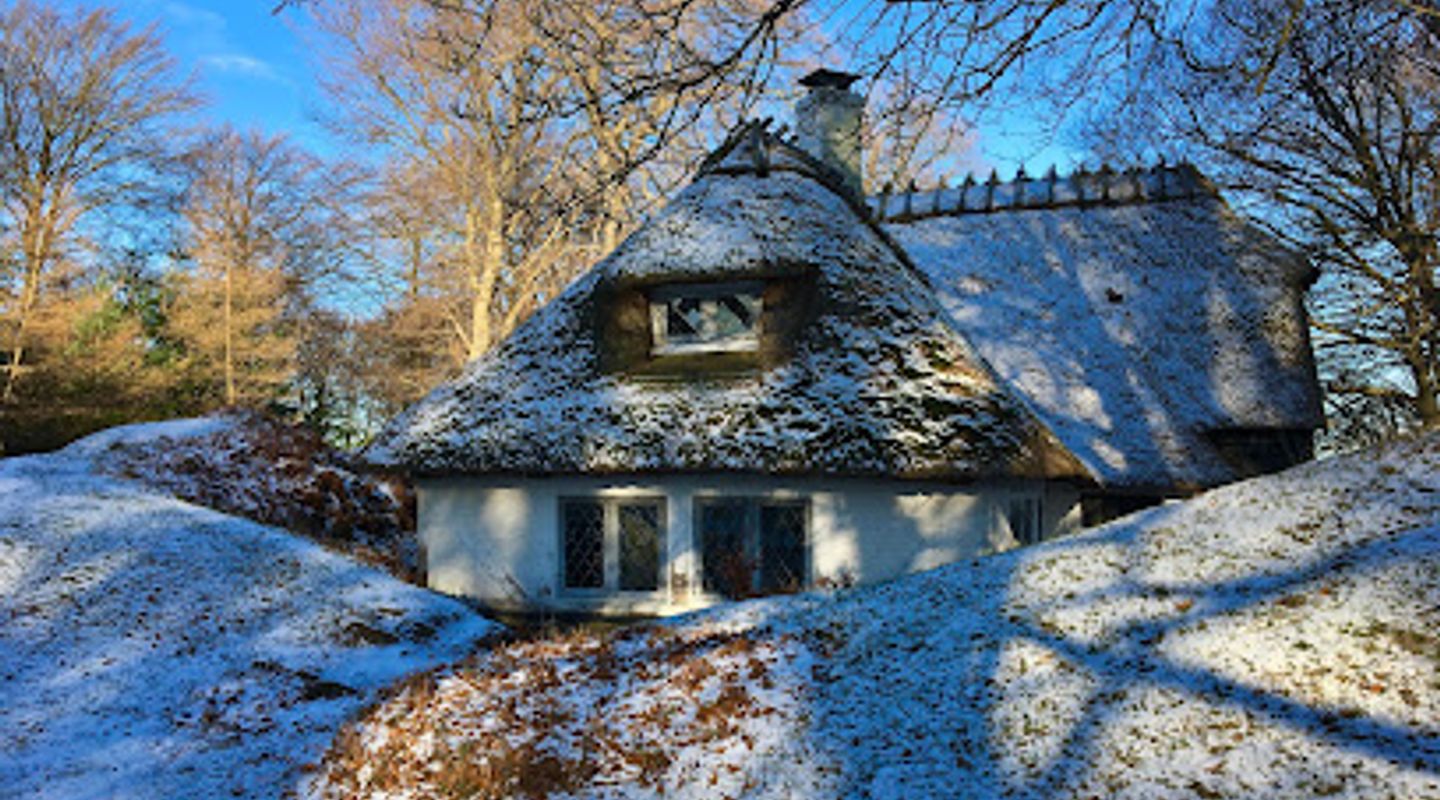
A storybook thatched cottage tucked into the romantic gardens of Liselund Park, where Nordic vernacular architecture meets a carefully composed coastal landscape.
Tucked into the storybook landscape of Liselund Park on the island of Møn, Norske Hus is a steep‑thatched, timbered cottage that feels lifted from a romantic painting. Built in the early 19th century as part of the park’s picturesque ensemble, the house reflects Danish romanticism with its sharply pitched roof, white‑framed windows and intimate scale. Surrounded by rolling lawns, old trees and glimpses of the Baltic, it offers a quiet, atmospheric stop while exploring Liselund’s gardens and nearby Møns Klint.
On-site amenities
 Restrooms
 Seating areas
 Picnic areas
 Trash bins
 Information boards
- Address
- 4791 Borre
- Website
Getting there
Bus and walk from Stege or Vordingborg
Taxi from Stege or Borre
Cycling on Møn
Discover more about Norske Hus
A romantic cottage in a landscaped dream
Norske Hus sits like a fairytale illustration in the heart of Liselund Park, a landscaped garden created as an idyllic summer retreat on Møn. The cottage forms part of a carefully composed scenery of lawns, winding paths and small architectural follies, all designed to evoke a cultivated version of nature. Approaching through the trees, the steep thatched roof and dark timber walls appear almost suddenly, framed by greenery and soft light from the nearby coast.The house takes its name from its rustic, Nordic character, which was highly fashionable when Liselund was laid out. Rather than a grand manor, it was conceived as an intimate retreat within the larger estate, somewhere to pause, take in the surroundings and enjoy the romance of the designed landscape.
Thatched rooflines and Nordic detailing
Architecturally, Norske Hus is defined by its unusually steep thatched roof, a profile strongly associated with Danish rural building traditions. The roof sweeps down over compact façades, emphasising shelter and coziness, while deep eaves cast patterns of shadow across the walls. White‑painted window frames contrast with the darker timber, picking out vertical and horizontal lines and adding a sense of lightness.Details such as small panes, simple wooden ornamentation and the robust chimney highlight the era’s fascination with vernacular architecture. At the same time, the cottage is more refined than an ordinary farmhouse: proportions are carefully balanced, and its placement within the park is clearly choreographed to be viewed from paths and clearings rather than from a working yard.
Part of Liselund’s romantic composition
Norske Hus is only one element in the broader story of Liselund, where architecture and landscape work together. The main Liselund manor, lakes, viewpoints and smaller garden structures were all arranged to create a sequence of unfolding scenes. The cottage contributes a more intimate, domestic note within this composition, contrasting with open lawns and dramatic glimpses toward the sea.Strolling around the building, you notice how vistas open and close: from one angle, the roof dominates like a sculptural form; from another, it is partially hidden by trees, with only a gable and a slice of thatch visible. This play between concealment and revelation reflects the landscape ideals of the time, encouraging leisurely wandering rather than straight routes.
Atmosphere through the seasons
The experience of Norske Hus changes subtly with the seasons. In spring, young leaves frame the roofline in fresh green, and the thatch appears almost golden in low sunlight. Summer brings dense foliage and a lush garden feel, with birdsong carrying over the lawns and the cottage half‑screened by branches. In autumn, the dark timber contrasts strongly with copper and amber leaves underfoot, and mist from the nearby sea can lend the scene a quietly dramatic mood.Even on overcast or breezy days, the steep roof and solid walls give the house an air of security, a small, anchored presence in a shifting coastal landscape. The setting invites unhurried observation rather than rapid sightseeing.
Visiting today: a quiet pause on Møn
Today, Norske Hus is appreciated less as an interior destination and more as an atmospheric highlight within a walk through Liselund Park. Paths lead around the cottage, allowing you to study the thatching, timber construction and overall form from close range. Benches and grassy areas nearby provide informal spots to sit and take in the surroundings.Combined with the cliffs of Møns Klint and the wider island landscape, a visit here offers insight into how past landowners shaped nature into a romantic backdrop for leisure. For travelers interested in garden history, architecture or simply tranquil corners with character, Norske Hus is a rewarding stop woven into one of Denmark’s most evocative designed parks.
Evendo Review Centre
 Google
Guest reviews
Best time to go
Quietest: Jan, Feb & Nov · before 8am or from 9pm
Busy times are Evendo estimates for a typical year, to help you plan. Actual crowds vary with events, school holidays and the weather.
Explore Norske Hus on the map
A handpicked selection of must-see spots near Norske Hus, mapped for you.
Get your free copy of our complete guide to Norske Hus, delivered straight to you.
Everything on this page, from opening hours and how to get there to Eve’s tips and the best time to go, in one PDF you can read offline, print or share.
Already have an account? Sign in
Your Norske Hus guide is ready.
We'll send it to · Not you? Sign out

Getting your guide ready…
We are putting together a fresh copy of the Norske Hus guide. This can take up to a minute.
This can take a few moments. If your browser asks, choose Allow so the download can start. You'll find the guide in your Downloads folder.
Nothing happened? Download it again
Sorry, the guide is taking longer than usual. Please try again in a minute, or get it by email instead.
Other nearby places you may find interesting
The closest places of the same kind, if this one is not quite what you had in mind.
-
Stevns Klint UNESCO World Heritage Stand on the edge of a white Danish cliff where a thin dark band in the rock marks the asteroid impact that ended the dinosaurs and reshaped life on Earth.
-
Roneklint Fyr Small historic lighthouse at the mouth of Præstø Fjord, with shallow child‑friendly beaches, rich snorkelling waters and tranquil coastal scenery.
-
Stevns Lighthouse Historic lighthouse on the edge of Stevns Klint, blending maritime heritage with wide Baltic Sea views and windswept chalk‑cliff scenery near Store Heddinge.
-
Gjorslev One of Denmark’s oldest inhabited medieval castles, Gjorslev combines Gothic stonework, moats and beech forest walks in a quietly atmospheric manor landscape.
-
Kalvehave Labyrintpark A 20,000 m² outdoor maze park of puzzles, illusions and giant games, turning a day in rural South Zealand into relaxed, brain-teasing fun for all ages.
Swipe for more places
More to explore near Norske Hus

 Best experiences near Norske Hus
 Best hotels near Norske Hus
 Best landmarks near Norske Hus
 Best attractions near Norske Hus
 Best shops near Norske Hus
 Best restaurants near Norske Hus
 Best bars near Norske Hus
Do you manage this location?
Take control to get all the benefits, like improved information, better appearance, and stronger visibility across AI-powered discovery.
Explore more
Explore more of South Zealand
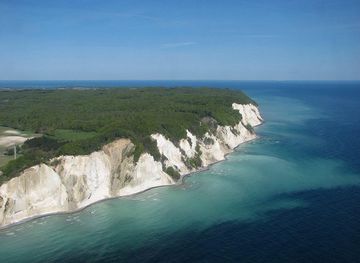
Discover South Zealand, where dramatic cliffs, historic castles, and charming coastal towns create the perfect Danish escape.
Explore South Zealand
Explore more of Denmark
Discover Denmark: A perfect blend of history, modern design, and the cozy concept of hygge. Explore vibrant cities, serene landscapes, and world-class cuisine.
Explore Denmark
