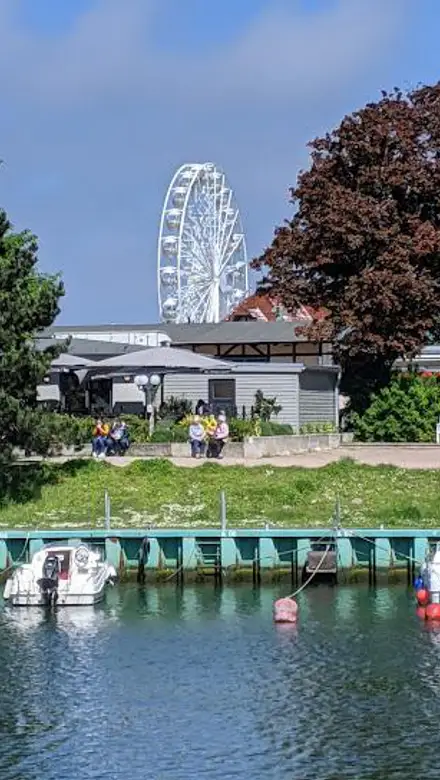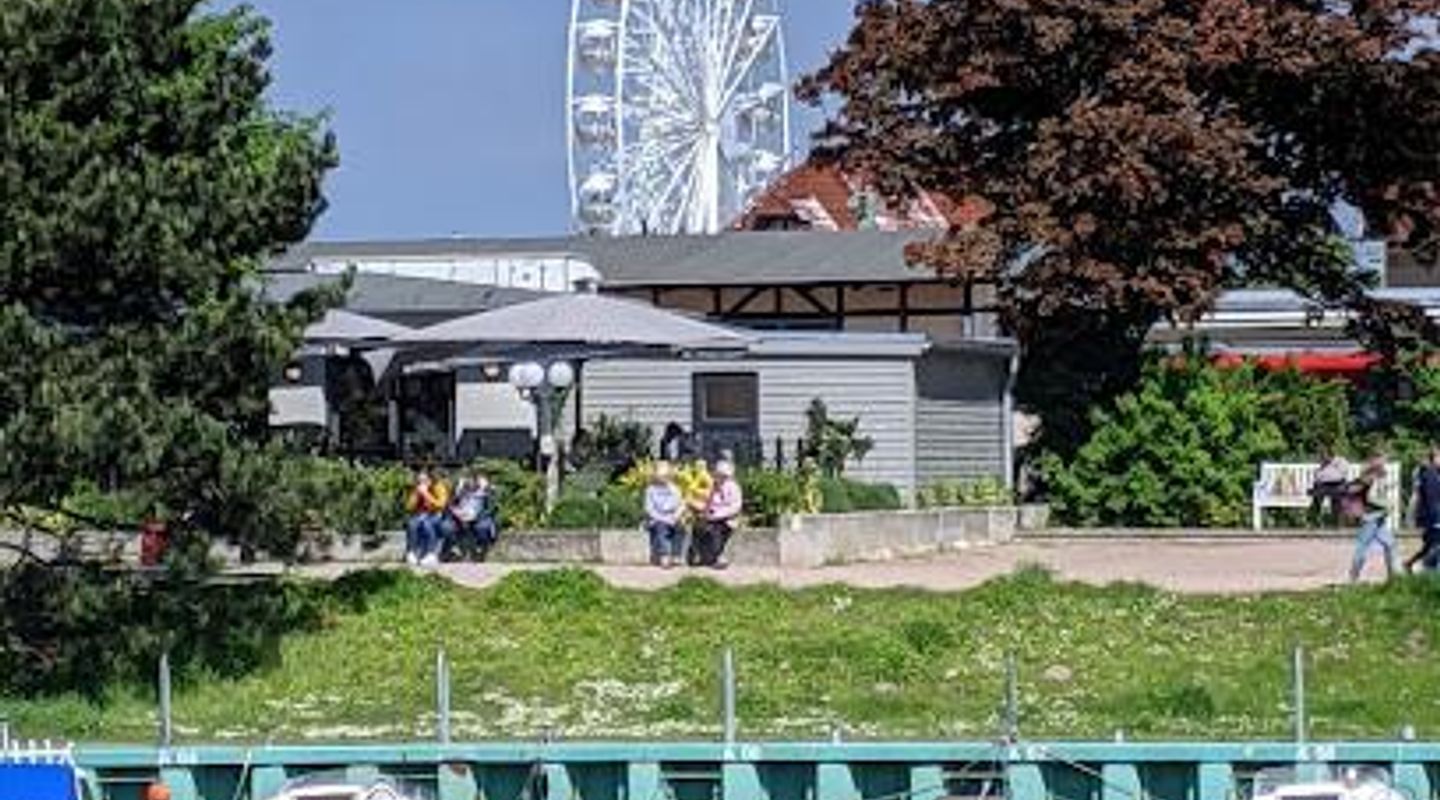
Kur Park, Gedser Odde Travel Guide
Leafy spa-era gardens, a shell-shaped concert stage and family-friendly lawns create a tranquil green buffer between Warnemünde’s busy beach, harbor and streets.
Tucked just behind the seafront of Warnemünde, Kurpark is a leafy retreat of lawns, flowerbeds and mature trees that offers a calm counterpoint to Rostock’s busy beach and promenade. Laid out as a classic spa garden, it combines landscaped greenery with a small open-air stage, a playground and informal sports areas. Locals and visitors drift through to read on benches, stroll shaded paths or pause en route between the beach, the Alter Strom harbor canal and the resort’s historic streets.
A brief summary to Kur Park
- Kurhausstraße, Rostock, Ortsamt 1, 18119, DE
- Duration: 0.5 to 2 hours
- Free
-
 Outdoor
- Mobile reception: 4 out of 5

Know before you go
Hi, I'm Eve. Here are a few practical things to know before exploring Kur Park.
- Bring a light blanket or towel if you plan to linger on the lawns, as benches can fill quickly on sunny afternoons and during concert days.
- Pick up snacks or drinks from the cafes and bakeries near the seafront or Alter Strom before entering, as there are no permanent food outlets inside the park.
- If you are visiting in summer, check locally for open-air concerts at the Konzertmuschel and arrive a little early to find a comfortable spot on the grass.
- Families can combine time at the playground with a short walk to the nearby beach, making this a relaxed half-day outing without rushing between sites.
- In cooler months, dress in layers: the park benefits from fresh Baltic air, which can feel noticeably cooler than inland even on bright days.
Do you manage this location?
Take control to get all the benefits, like improved information, better appearance, and stronger visibility across AI-powered discovery. Learn more about listing your business on Evendo
Activate your presenceOther nearby places you may find interesting
The closest places of the same kind, if this one is not quite what you had in mind.
Explore Kur Park on the Map
A handpicked selection of must-see spots near Kur Park, mapped for you.
Getting There
-
Regional train and walk from Rostock Hauptbahnhof
From Rostock Hauptbahnhof, take a regional S-Bahn service towards Warnemünde; trains usually run several times per hour and the journey takes about 20–25 minutes. A standard adult one-way ticket within the local transport network typically costs around 3–5 EUR. From Warnemünde station it is an easy 10–15 minute walk on mostly level, paved surfaces through the resort area to reach the Kurpark. Trains operate year-round, but they can be busier during summer beach season and on cruise ship days.
-
Tram plus S-Bahn from central Rostock
If you are staying in Rostock’s inner city, you can ride a tram to Rostock Hauptbahnhof and change there to the S-Bahn towards Warnemünde. The combined journey generally takes 30–40 minutes depending on connections. A single ticket valid across tram and S-Bahn for this trip usually falls in the 3–5 EUR range for adults, with day tickets available if you plan multiple rides. Vehicles and stations are designed for easy boarding, making this a practical option for travelers with luggage or strollers.
-
Car or taxi from Rostock city
Driving from central Rostock to Warnemünde typically takes 20–30 minutes, depending on traffic and the season. Parking near the resort can be limited and subject to fees, especially in summer; budget roughly 1–3 EUR per hour in municipal car parks, and be prepared for fuller lots on sunny weekends. Taxis cover the same route in a similar time frame, with fares generally in the range of 25–40 EUR one way depending on traffic and exact pickup point. From the surrounding streets, Kurpark is reached on foot along flat urban pavements.
For the on-the-go comforts that matter to you
-
 Seating Areas
-
 Trash Bins
-
 Information Boards
Discover more about Kur Park
A green retreat behind Warnemünde’s dunes
Kurpark Warnemünde spreads out like a soft green carpet just inland from the Baltic shore, offering a peaceful pause between the waves and the townhouses of this historic seaside resort. Laid out as a traditional spa garden, it was conceived as a place where sea air, greenery and gentle exercise would complement the curative promise of coastal holidays. Today, the basic idea remains the same: this is where you slow down, breathe deeply and swap the bustle of the promenade for rustling leaves.Wide lawns invite you to wander off the path or spread out a blanket, while carefully tended flowerbeds bring seasonal bursts of color. Mature trees form a loose canopy above, creating pockets of dappled shade that feel especially welcome on bright summer days. The park is compact enough to cross in a few minutes, yet its curving paths and varied planting make it feel like a self-contained world, slightly removed from the seaside crowds.From spa tradition to everyday town garden
The word “Kur” in its name hints at the park’s origins in the age of seaside cures, when Warnemünde evolved from a fishing village into a fashionable health resort. Guests would stroll here between treatments, listen to music in the open air and socialize under the trees. Although the formal spa rituals have largely faded, the park still reflects that era in its careful layout and its role as a communal living room for the district.You can still sense the structured elegance of a 19th- or early 20th-century garden in the axial paths, clipped shrubs and framed views. At the same time, Kurpark functions as an everyday green space for residents of Rostock’s coastal quarter. Joggers cut through on their morning run, parents steer prams along the smooth paths, and older locals occupy familiar benches to chat, read or simply watch the day unfold.The Konzertmuschel and a touch of culture
At the heart of the park stands the Konzertmuschel, a shell-shaped open-air stage that ties Kurpark to Warnemünde’s cultural life. During the warmer months it becomes a modest but atmospheric venue for concerts and small performances, from brass ensembles and choirs to lighter summer programmes. On event days, the surrounding lawns quietly transform into an informal auditorium where people sit on benches or grass, often bringing their own refreshments.Even when silent, the stage forms an eye-catching focal point. Its curved form and neat setting among trees and flowerbeds make it a natural orientation point as you explore. For photographers, the structure, framed by greenery, is one of the park’s most distinctive motifs and a reminder that this is not just a strip of greenery but a designed space with its own personality.Spaces for families, play and quiet pause
Kurpark balances stillness with movement. A children’s playground adds energy and laughter, offering climbing structures and play equipment where younger visitors can burn off seaside excitement away from the sand. Nearby open areas double as informal sports fields, used for kicking a ball around or simple games, especially on long summer evenings.Elsewhere, the mood softens. Secluded benches tucked beneath trees create natural reading corners, while open lawns provide room for yoga, stretching or unhurried picnics. The soft background noise of rustling leaves mixes with distant gulls and, on breezy days, a faint roar from the nearby surf. It is easy to adjust your visit to your own pace: a brisk shortcut between sights, or a slow circuit that invites you to stop often and do very little.Between sea air, harbor life and town streets
One of Kurpark’s quiet strengths is its position. Step out of the greenery and you are quickly back amid Warnemünde’s other characters: the broad beach and dunes in one direction, the Alter Strom harbor canal with its boats and cafes in another, and residential streets with historic villas nearby. The park acts as a soft buffer between these worlds, linking them without ever feeling like a corridor.Because it is open year-round and freely accessible, the park also tracks the seasons in a particularly visible way. Spring brings fresh leaves and early blossoms; summer fills the lawns with light and long shadows; autumn paints the canopy in muted golds; winter can leave the paths quiet but atmospheric, with bare branches against Baltic skies. Even a brief visit offers a sense of Warnemünde beyond its busy waterfront, revealing how closely everyday life, holiday atmosphere and gentle greenery intertwine here.












Your all‑in‑one travel companion app
Explore expert travel guides, compare and book tours, experiences, hotels, and more—all from the palm of your hand. Download now for seamless trip planning wherever your wanderlust takes you.


Explore More of Gedser Odde
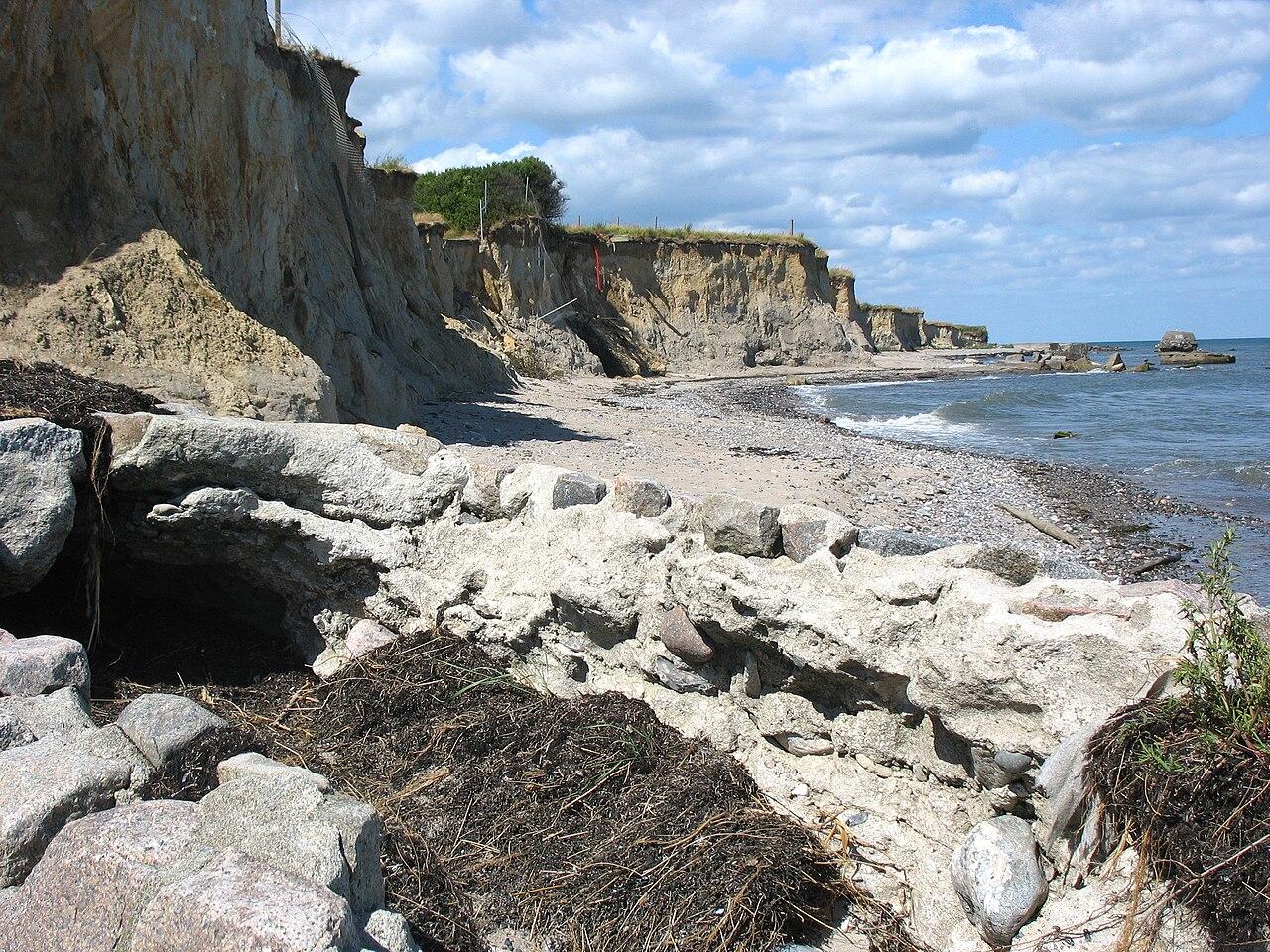
Looking beyond Kur Park? Discover Gedser Odde for broader travel guides, local hot-spots, and regional highlights.
Explore Gedser Odde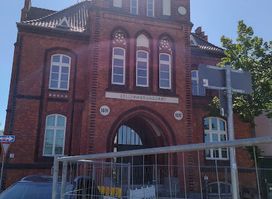
Experience the historic charm of Ehemaliges Zollfahndungsamt in Rostock, a captivating tourist attraction steeped in maritime heritage and architectural beauty.
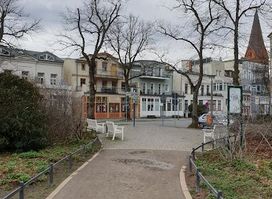
Discover fun and adventure at Spielplatz im Kurpark Warnemünde, a family-friendly playground in Rostock surrounded by nature's beauty.