

Gedser Odde Travel Guide - Free Web & App
Your ultimate guide to Gedser Odde. Discover top landmarks, proposed trips, and local tips. Free on the web or via the Evendo companion app.


Gedser Odde in Denmark marks Falster’s southern tip, offering Baltic coast walks, bird migration, sea views, lighthouse heritage and access to nearby Gedser village.
At the Southern Tip of Falster
Gedser Odde is the southernmost point of the Danish island of Falster, a narrow coastal landscape where open fields meet the Baltic Sea. Located just beyond the small port settlement of Gedser, the headland has a spacious, windswept character shaped by waves, weather and the low, gently changing coastline. There is no compact resort centre at the point itself; the experience is defined by sea air, broad horizons, shingle and sandy stretches, grassland, and the sense of standing at Denmark’s geographical edge.Read more about Gedser Odde
Coast, Birds and Lighthouse Heritage
Exploring Gedser and the Surrounding Coast
When is the best time to visit Gedser Odde?
Best: June–August · 19–22°C| Month | High (°C) | Rainfall (mm) |
|---|---|---|
| January | 3 | 43 |
| February | 3 | 34 |
| March | 3 | 31 |
| April | 9 | 38 |
| May | 15 | 38 |
| June (best) | 19 | 47 |
| July (best) | 22 | 51 |
| August (best) | 22 | 51 |
| September | 17 | 52 |
| October | 14 | 59 |
| November | 10 | 57 |
| December | 6 | 51 |
Getting to and around Gedser Odde
How to get there
Transportation
Best attractions in Gedser Odde
The principal attraction is the coastal landscape of Gedser Odde itself, where visitors can walk beside the Baltic, watch changing weather over the water and reach the marker at Denmark’s southernmost point on Falster. The area’s lighthouse provides a strong maritime focus, while the open shore and surrounding fields create opportunities for photography and bird observation, especially during spring and autumn migration. Gedser village and its ferry-port environment add a human and historical dimension, with the wider town retaining associations with international sea travel and railway transport. The nearby village of Gedesby offers a contrasting rural setting, while the broader southern Falster coastline includes beaches and small settlements that can be combined with a visit by car or bicycle. Gedser Remise, a railway heritage site in Gedser, is relevant to visitors interested in the region’s transport history, although it is a separate attraction within the settlement rather than part of the open headland.
-
Zoo
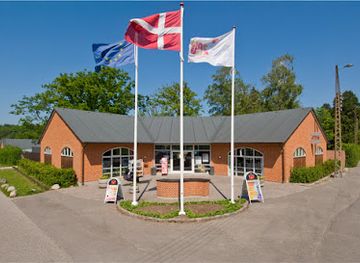
Guldborgsund Zoo & Botanisk Have
Formerly a compact zoo and botanical garden in Nykøbing Falster, Guldborgsund Zoo & Botanisk Have blended animals, greenery and play in one relaxed urban green pocket.
-
Tourist attraction
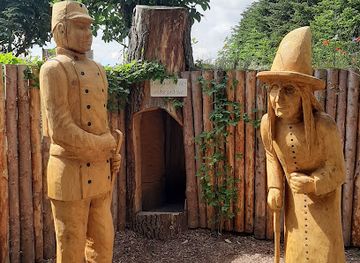
Labyrint Lolland-Falster
Navigate enchanting forest mazes and discover multiple pathways through Denmark's woodland countryside.
-
Bridge
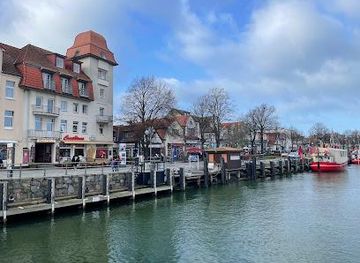
Bahnhofsbrücke
Historic swing bridge over the Alter Strom, linking Warnemünde’s station to its harbourfront with lively views, maritime history and timeless coastal atmosphere.
-
Sculpture
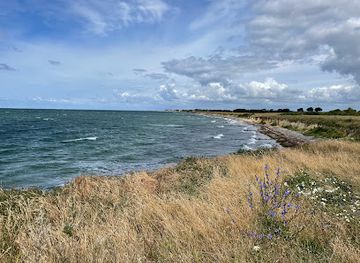
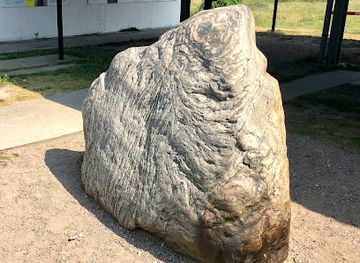
The South Stone
At the wind-battered tip of Gedser Odde, the South Stone quietly marks Denmark’s southernmost point amid low cliffs, open Baltic horizons and migrating seabirds.
Best landmarks in Gedser Odde
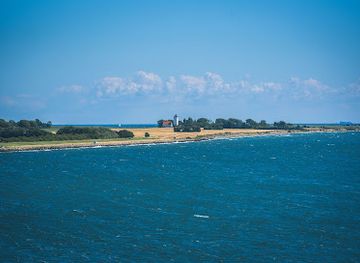
Gedser Odde’s defining natural landmark is the southern tip of Falster, an exposed meeting point between low agricultural land and the Baltic Sea. The coast’s changing shingle, sand, grass and eroding edges illustrate the continuing influence of waves, wind and coastal currents. The Gedser lighthouse, dating from 1802, is the area’s most important maritime landmark and reflects the headland’s position beside historic Baltic shipping routes. The southernmost-point marker provides a simple geographical reference for visitors, while the nearby harbour and ferry-port structures represent the modern history of travel between Denmark and Germany. Gedesby Church and the village landscape offer a cultural contrast inland, but they belong to the wider southern Falster area rather than the open point itself. Together, these features express Gedser Odde’s identity as a place defined by navigation, international connections, farmland and an ever-changing shoreline.
-
Sculpture
The South Stone
A simple stone at Gedser Odde marking Denmark’s southernmost point, where Baltic waves, migrating birds and windswept cliffs frame the edge of Scandinavia.
-
Tourist attraction
Gedser Lighthouse
Denmark's southernmost lighthouse marks the edge of Scandinavia with two centuries of maritime heritage.
-
Tourist attraction
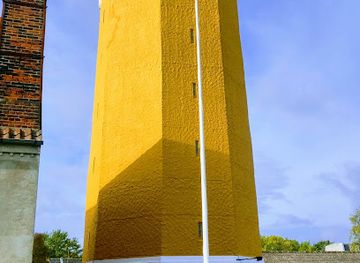
Gedser Vandtårn
Denmark's southernmost water tower offers sweeping Baltic views and a window into Gedser's maritime heritage.
-
Tourist attraction
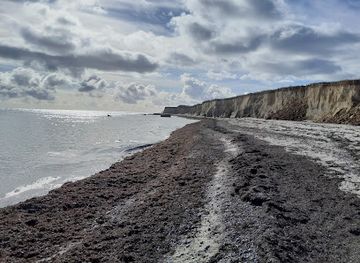
Trappe til stranden
Denmark's southernmost beach stairs—a simple passage to coastal recreation and maritime heritage.
Explore Gedser Odde on the map
Plan your trip on one map. See where the top attractions, landmarks, restaurants and hotels are, and book hotels and experiences in a few clicks.
Best hotels in Gedser Odde
Best restaurants in Gedser Odde
Dining around Gedser Odde is limited and concentrated in Gedser rather than at the headland itself, so visitors should organise food before setting out for a long walk. The town’s options reflect its role as a small port and ferry community, with everyday Danish meals, café-style refreshments and provisions available according to local business arrangements. Across Falster, traditional Danish cooking commonly draws on rye bread, potatoes, seasonal vegetables, dairy products and locally sourced meat, while coastal areas add fish and seafood when offered by individual businesses. Farm shops and village retailers elsewhere on the island may provide regional produce for picnics, though opening arrangements vary. Nykøbing Falster has a broader choice of restaurants and cafés for visitors using the larger town as a base, while Gedser is the more practical place for a simple meal close to the headland.
-
Butcher shop deli
Gedser Røgeri
Harbour-side smokehouse at Denmark’s southern tip, serving freshly smoked Baltic seafood, simple lunches and takeaway platters with views over Gedser’s working port.
-
Cafe
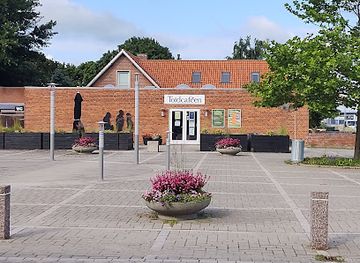
Toldcaféen Gedser
Retro café and informal visitor hub in Gedser's heart, serving coffee, cake, and local charm.
-
Restaurant
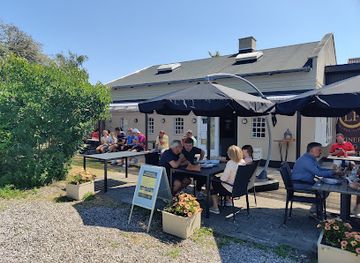
Restaurant & Bryghus Købmandsgården
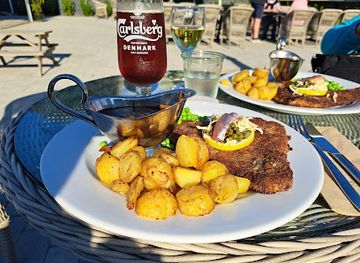
Historic brewpub and cultural hub where craft beer, local wine, and Danish comfort food celebrate Gedser's maritime heritage.
-
Danish
Admiralen
Hearty Danish “mormor” cooking in a cozy Marielyst dining room, serving generous plates and buffets just a short stroll from Falster’s broad sandy beach.

Best bars in Gedser Odde
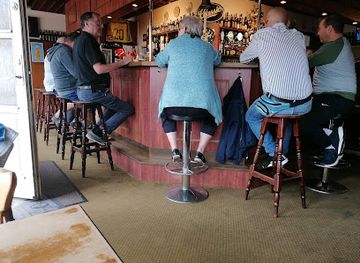
Gedser Odde has no nightlife infrastructure of its own, and evenings are generally quiet once visitors leave the coast. Gedser may offer the occasional pub, inn or local hospitality venue where travellers can find a drink and a more traditional small-town atmosphere, but opening arrangements and entertainment should not be assumed. The ferry-port setting gives the settlement a maritime character rather than a late-night scene, while the headland itself is suited to sunset views, coastal photography and calm observation, provided conditions and access are appropriate. Visitors seeking a broader choice of bars, cultural events or evening dining should look to Nykøbing Falster, outside the immediate Gedser Odde area. Seasonal community events may occur in nearby settlements, but they are not a permanent substitute for an organised nightlife district.
-
Bar
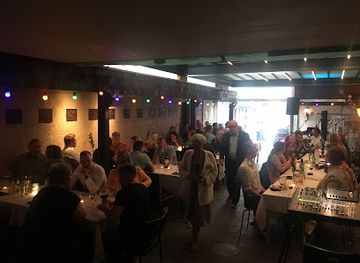
Slap A'
Easygoing neighborhood bar in Nykøbing Falster with billiards, inexpensive drinks and unfussy local charm from late morning until the early hours.
-
Bar
Billie Jean Bar
Cozy central bar in Nykøbing Falster serving classic Danish smørrebrød by day and easygoing cocktails by night on lively pedestrian Østergågade.
-
Bar
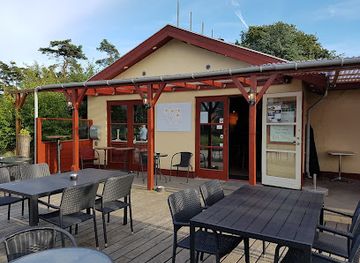
Café Daisy
Casual beachfront café and bar on Marielyst's waterfront promenade, open daily with extended weekend hours.
-
Bar
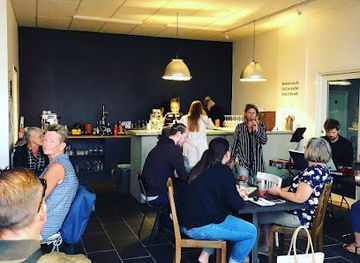
FUND BAR
Harbourfront cocktails, quality spirits and cosy Scandinavian atmosphere on Nykøbing Falster’s modern Slotsbryggen waterfront.
Best nightclubs in Gedser Odde
Gedser Odde has no nightlife infrastructure of its own, and evenings are generally quiet once visitors leave the coast. Gedser may offer the occasional pub, inn or local hospitality venue where travellers can find a drink and a more traditional small-town atmosphere, but opening arrangements and entertainment should not be assumed. The ferry-port setting gives the settlement a maritime character rather than a late-night scene, while the headland itself is suited to sunset views, coastal photography and calm observation, provided conditions and access are appropriate. Visitors seeking a broader choice of bars, cultural events or evening dining should look to Nykøbing Falster, outside the immediate Gedser Odde area. Seasonal community events may occur in nearby settlements, but they are not a permanent substitute for an organised nightlife district.
-
Disco club
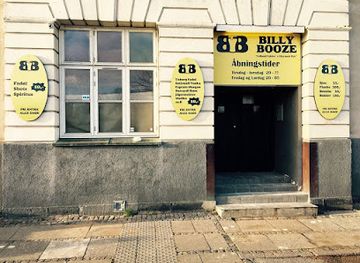
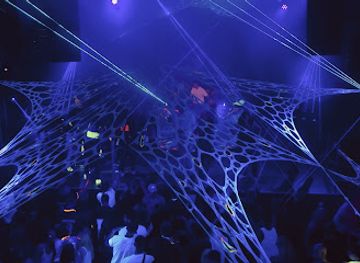
Billy Booze
Small-town Danish disco by Nykøbing Falster’s bus terminal, serving inexpensive drinks, loud party hits and late-night energy on weekend evenings.
-
Night club
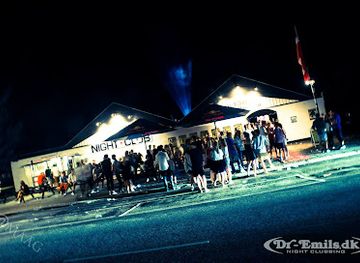
Dr. Emil Laboratory, Marielyst
Beachfront nightclub where summer energy meets live music and dancing until dawn.
-
Night club
N.Y.K. Event
Compact late-night bar and nightclub in central Nykøbing Falster, mixing strong drinks, loud beats and a sociable dance floor that runs into the early morning.
-
Night club
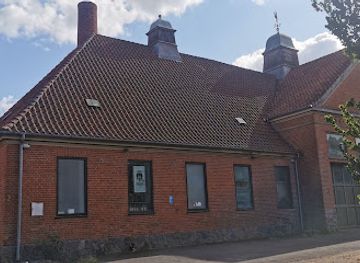
Loke MC - Helheim
Rural Danish biker clubhouse with Norse-mythology flair, offering intimate late-night gatherings, loud rock playlists and a no-frills bar far from mainstream nightlife.
Best shops in Gedser Odde
Shopping at Gedser Odde itself is negligible, with no extensive retail area at the headland, so supplies should be obtained in Gedser or before travelling south. Gedser’s small shops and local services are primarily practical, while seasonal or independent businesses may offer food and everyday items rather than a dedicated craft-shopping scene. Visitors looking for Danish regional produce can explore farm shops and village retailers elsewhere on Falster, where products may include locally grown fruit and vegetables, baked goods, preserves and other food for a coastal picnic. Nykøbing Falster provides the island’s more substantial selection of shops, supermarkets, galleries and services. The most relevant purchases associated with Gedser are therefore provisions and small locally produced food items, rather than specialist souvenirs or a concentrated artisan market at the point.
-
Supermarket
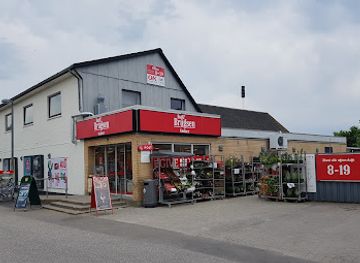
DagliBrugsen Gedser
Small-town Danish supermarket in Gedser, doubling as a community hub and convenient stop for ferry travellers, campers and coastal road-trippers.
-
Gift shop
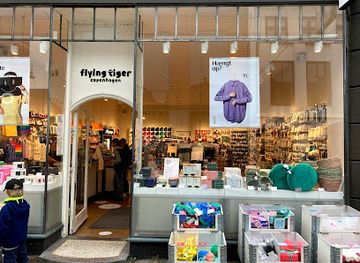
Flying Tiger Copenhagen
Colorful Scandinavian variety store in Nykøbing Falster’s main pedestrian street, filled with playful gifts, creative essentials and affordable everyday surprises.
-
Clothing store
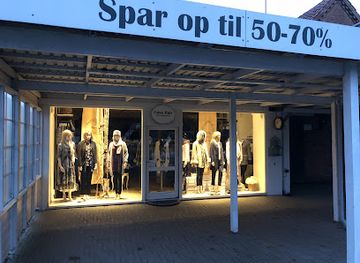
Casa Italy
A cosy beach-town boutique on Marielyst Strandvej, blending Mediterranean-inspired style with relaxed Danish seaside holiday vibes.
-
Clothing store
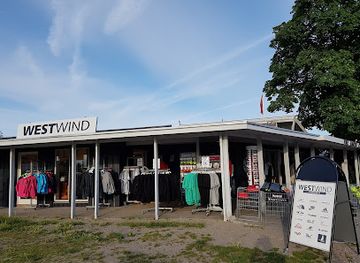
WestWind
Beachside clothing and outerwear shop in Marielyst, equipping visitors with practical Scandinavian style for windy walks, sandy beaches and relaxed seaside days.
Get your free copy of our complete guide to Gedser Odde, delivered straight to you.
Everything on this page, from attractions and restaurants to essentials and local phrases, in one PDF you can read offline, print or share.
Already have an account? Sign in
Your Gedser Odde guide is ready.
We'll send it to · Not you? Sign out

Getting your guide ready…
We are putting together a fresh copy of the Gedser Odde guide. This can take up to a minute.
This can take a few moments. If your browser asks, choose Allow so the download can start. You'll find the guide in your Downloads folder.
Nothing happened? Download it again
Sorry, the guide is taking longer than usual. Please try again in a minute, or get it by email instead.
Gedser Odde essentials
Currency and Payment
Safety
Emergency Situations
Do's and Don'ts
Local Tips
From Eve
Local phrases worth knowing
You don't need to get them perfect. A few words go a long way, and locals appreciate the effort.
Basics
| English | Local | Say it |
|---|---|---|
| Hello | Hej | [hey] |
| Goodbye | Farvel | [far-vel] |
| Yes | Ja | [ya] |
| No | Nej | [nay] |
| Please/You're welcome | Vær så god | [ver sa go] |
| Thank you | Tak | [tak] |
| Excuse me/Sorry | Undskyld | [oon-skul] |
| How are you? | Hvordan har du det? | [vor-dan har doo deh] |
| Fine. And you? | Fint. Og dig? | [fint oh dee] |
| Do you speak English? | Taler du engelsk? | [tah-ler doo eng-el-sk] |
| I don't understand | Jeg forstår ikke | [yay for-stor eek-eh] |
Eating & Drinking
| English | Local | Say it |
|---|---|---|
| I'd like to see the menu, please | Jeg vil gerne se menuen, tak | [yay vil gern se meh-new-en tak] |
| I don't eat meat | Jeg spiser ikke kød | [yay spee-ser ee-keh kewd] |
| Cheers! | Skål! | [skawl] |
| I would like to pay, please | Jeg vil gerne betale, tak | [yay vil gern be-tah-le tak] |
Emergencies
| English | Local | Say it |
|---|---|---|
| Help! | Hjælp! | [hyelp] |
| Go away! | Gå væk! | [goh vehk] |
| Call the Police! | Ring til politiet! | [ring teel po-lee-tee-et] |
| Call a doctor! | Ring efter en læge! | [ring af-ter en lay-eh] |
| I'm lost | Jeg er faret vild | [yay air fah-ret veeld] |
| I'm ill | Jeg er syg | [yay air soog] |
Shopping
| English | Local | Say it |
|---|---|---|
| I'd like to buy... | Jeg vil gerne købe... | [yay vil gern kew-beh] |
| I'm just looking | Jeg kigger bare | [yay kee-ger bah-reh] |
| How much is it? | Hvor meget koster det? | [vor meh-eh kaw-stehr deh] |
| That's too expensive | Det er for dyrt | [deh air for duh-ert] |
| Can you lower the price? | Kan du sænke prisen? | [kan doo sahn-keh prees-en] |
Time & Numbers
| English | Local | Say it |
|---|---|---|
| What time is it? | Hvad er klokken? | [vah air kloh-ken] |
| It's one o'clock | Klokken er et | [kloh-ken air eht] |
| Half past (10) | Halv ti | [hahlv tee] |
| Morning | Morgen | [mor-gen] |
| Afternoon | Eftermiddag | [ef-ter-mee-dag] |
| Evening | Aften | [af-ten] |
| Yesterday | I går | [ee gor] |
| Today | I dag | [ee dah] |
| Tomorrow | I morgen | [ee mor-gen] |
| 1 | En | [en] |
| 2 | To | [toh] |
| 3 | Tre | [treh] |
| 4 | Fire | [feer-eh] |
| 5 | Fem | [fem] |
| 6 | Seks | [seks] |
| 7 | Syv | [soov] |
| 8 | Otte | [oh-teh] |
| 9 | Ni | [nee] |
| 10 | Ti | [tee] |
Transport & Directions
| English | Local | Say it |
|---|---|---|
| Where's a/the...? | Hvor er en/et...? | [vor air en/et] |
| What's the address? | Hvad er adressen? | [vah air ah-dres-en] |
| Can you show me (on the map)? | Kan du vise mig (på kortet)? | [kan doo vee-seh mee (poh koh-teh)] |
| When's the next (bus)? | Hvornår er den næste (bus)? | [vor-nor air dehn neh-steh] |
| A ticket (to ....) | En billet (til ....) | [en bee-let teel] |
History of Gedser Odde
A Glacially Shaped Headland
Gedser Odde belongs to the low coastal landscape of southern Falster, whose broad forms were shaped by the advance and retreat of Scandinavian ice during the last Ice Age. Glacial deposits, later coastal currents and wave action created the island’s gently undulating terrain and exposed southern shoreline. The meeting of land and Baltic water continues to alter the coast through erosion and deposition, making the headland a changing geographical feature rather than a fixed monument. This physical setting explains the area’s open fields, low relief and maritime character.
Farming and Maritime Settlement
For centuries, southern Falster was a landscape of villages, cultivated fields and coastal routes. The settlement of Gedser developed as a local community and maritime landing place, while nearby Gedesby remained associated with agricultural village life. The headland itself has never been a dense urban settlement; its significance has rested on navigation, coastal access, fishing and the management of land exposed to sea winds. The surrounding countryside still reflects this relationship between productive farmland and an open, vulnerable coastline.
The Lighthouse and Sea Route
Gedser’s importance grew as shipping routes across the Baltic became more organised. A lighthouse was established at Gedser in the early nineteenth century, with the present lighthouse dating from 1802, helping vessels negotiate the southern approach to Falster. Its position reflects the area’s strategic maritime geography: ships travelling between the Danish waters and the southern Baltic passed near the coast, while the port at Gedser connected the island with routes towards Germany. The lighthouse remains the most recognisable historic structure associated with the headland.
Railways, Ferries and International Connections
Modern transport transformed Gedser from a remote coastal community into an international gateway. The railway reached Gedser in the late nineteenth century, and ferry connections with Germany began in 1903, linking the port with Warnemünde and later other German destinations. These services carried passengers, vehicles and rail traffic across the Baltic and gave the town a role far beyond its modest size. The ferry era, including the period when the route connected Denmark with East Germany, remains part of Gedser’s twentieth-century identity and can be explored through surviving port and railway associations in the wider settlement.
Nature Observation and Coastal Change
In more recent decades, attention has increasingly focused on Gedser Odde as a place for landscape recreation, bird migration observation and awareness of coastal change. Its southern position makes it a valuable observation point for birds moving between northern Europe and the continent, although numbers and species vary with weather and season. Visitors now encounter a landscape where maritime infrastructure, agricultural land and natural coastal processes coexist. Conservation-minded access and respect for shore habitats are important as erosion, storms and changing water conditions continue to influence the headland.
Gedser Odde in Photos
Browse through our photo collection highlighting the charm and character of the destination.
Neighbouring destination travel guides
The closest destinations to Gedser Odde, if you have time for more than one.
-

-

-

-

-


Swipe for more destinations
Explore more

Explore more of Lolland-Falster
Discover Lolland-Falster: Denmark's serene southern islands with stunning beaches, historic castles, and charming coastal towns offering a perfect blend of nature and culture.
Explore Lolland-Falster
Explore more of Denmark
Discover Denmark: A perfect blend of history, modern design, and the cozy concept of hygge. Explore vibrant cities, serene landscapes, and world-class cuisine.
Explore Denmark