Kurhaus Warnemünde, Gedser Odde Travel Guide
Iconic 1928 Art Deco landmark on the Baltic coast, now a premier restaurant and event venue with panoramic sea views.
An iconic Art Deco building opened in 1928, Kurhaus Warnemünde stands as the architectural centerpiece of this Baltic seaside resort. Featuring the upscale Paulo Scutarro Italian restaurant with panoramic sea views, elegant event spaces, a spa, and a historic garden, it serves as both a cultural venue and gastronomic destination. The building's distinctive modernist design with Art Deco elements makes it one of Warnemünde's most recognizable landmarks.
A brief summary to Kurhaus Warnemünde
- Seestraße 18, Rostock, Ortsamt 1, 18119, DE
- Click to display
- Click to display
- Duration: 1.5 to 4 hours
- Mid ranged
-
 Mixed
Mixed
- Mobile reception: 5 out of 5
- Wednesday 5 pm-11 pm
- Thursday 5 pm-11 pm
- Friday 5 pm-11 pm
- Saturday 12 pm-11 pm
- Sunday 12 pm-9:30 pm

Know before you go
Hi, I'm Eve. Here are a few practical things to know before exploring Kurhaus Warnemünde.
- Reserve a table at Paulo Scutarro well in advance, especially for dinner service and weekends. Request a terrace table for optimal sea views and sunset dining.
- Visit on a Sunday morning for the weekly brunch (11:00–14:00) featuring an extensive spread with included beverages—an excellent value for the location and views.
- Combine your visit with a beach walk or stroll through the Kurhaus garden. The surrounding promenade and resort area offer pleasant exploration before or after dining.
- Check the events calendar for theatrical performances and cultural programming integrated with dinner service—a unique way to experience the building's historic role as a cultural venue.
- The building is fully wheelchair accessible via an elevator at the side entrance. Inform staff of accessibility needs when reserving to ensure optimal seating arrangements.
Do you manage this location?
Take control to get all the benefits, like improved information, better appearance, and stronger visibility across AI-powered discovery. Learn more about listing your business on Evendo
Activate your presenceOther nearby places you may find interesting
The closest places of the same kind, if this one is not quite what you had in mind.
Explore Kurhaus Warnemünde on the Map
A handpicked selection of must-see spots near Kurhaus Warnemünde, mapped for you.
Getting There
-
Train
From Rostock Hauptbahnhof, take the S1 regional train toward Warnemünde. Journey time is approximately 20–25 minutes. Exit at Warnemünde Bahnhof. From the station, walk approximately 1 kilometer through the resort's main streets (Richard-Wagner-Straße and Kurhausstraße) toward the seafront. The Kurhaus is directly on Seestraße facing the beach. No ticket required beyond standard regional rail fare (approximately 3–5 EUR).
-
Car from Berlin
From Berlin, take Autobahn A24 north toward Rostock, then continue on A19 toward Rostock. Follow signs for Warnemünde. Once in Warnemünde, navigate via Richard-Wagner-Straße and Kurhausstraße to reach Seestraße. The adjacent public parking garage offers over 500 spaces (approximately 2–3 EUR per hour). Journey time from Berlin is approximately 2.5–3 hours depending on traffic.
-
Car from Hamburg or Lübeck
From Hamburg or Lübeck, take Autobahn A1 toward Lübeck, then continue on A20 toward Rostock. Follow Warnemünde signs from the A20. Enter Warnemünde via Richard-Wagner-Straße, then Kurhausstraße to Seestraße. Public parking garage adjacent to Kurhaus (approximately 2–3 EUR per hour). Journey time from Hamburg is approximately 2–2.5 hours; from Lübeck approximately 1.5–2 hours.
-
Bus
Regional bus services connect Rostock city center and surrounding towns to Warnemünde. Journey times vary by origin (typically 30–60 minutes from Rostock). Buses terminate near the town center; from there, walk approximately 1 kilometer to the Kurhaus via Seestraße. Fares range from 3–8 EUR depending on distance. Check local transit authority (RSAG) for current schedules.
For the on-the-go comforts that matter to you
-
 Restrooms
-
 Drink Options
-
 Drinking Water
-
 Food Options
-
 Seating Areas
-
 Sheltered Areas
-
 Picnic Areas
-
 Trash Bins
-
 Information Boards
-
 Visitor Center
Discover more about Kurhaus Warnemünde
A Century of Seaside Elegance
Kurhaus Warnemünde stands as the most expressive building in the Baltic resort town, a testament to the region's golden age of spa tourism. Opened on 24 May 1928 following a decade of planning and a nationwide architectural competition, the building embodies the Neues Bauen (New Building) movement infused with Art Deco elements. Its distinctive silhouette and prime beachfront location have made it an enduring symbol of Warnemünde's transformation from a modest fishing village into an elegant seaside destination.The origins of this architectural masterpiece trace back to the late 19th century, when Warnemünde's rapid growth as a bathing resort—accelerated by the arrival of the railway—created demand for a grand public building. The site itself carries historical significance: before the Kurhaus, a concert garden occupied this prime location, with period structures including a reading hall and pavilion that remain in the Kurhaus garden today. City planner Paul Ehmig designated this exact spot in the 1906 development plan, and the 1909 design competition attracted entries from across Germany, with detailed specifications for spatial programming and construction costs.Architectural Vision and Interior Spaces
The building's design creates a harmonious relationship between public gathering and intimate dining. The grand Kursaal (assembly hall) features a gallery level and originally served as the primary event space, with a smaller hall adjacent for family celebrations and society gatherings. Garden terraces extend southward from the main hall, creating a seamless transition between interior and landscape. The seaside elevation housed the day restaurant, while service areas and a wine bar occupied the basement level, a functional arrangement that has proven enduringly practical.Today, the Kurhaus contains multiple distinct spaces serving contemporary needs: the Paulo Scutarro restaurant occupies the upper floor with 120 seats and dual sea-facing terraces; a café-restaurant and bar serve casual visitors; event halls accommodate gatherings from intimate dinners to galas for up to 500 guests; and a salt spa provides wellness facilities. The building's accessibility has been modernized with an elevator positioned discreetly at the side, ensuring all visitors can access different levels and function spaces.From Wartime to Restoration
The Kurhaus experienced its most vibrant period between 1928 and 1939, when its restaurant and café operations, combined with regular cultural events, established it as the social heart of the resort. The building survived the upheavals of the 20th century, though its ownership changed dramatically following German reunification in 1989, when the City of Rostock acquired it. A 1996 transfer to private operators marked a new chapter. In 2010, the restaurant operations temporarily ceased for comprehensive renovation and modernization. The 2011 reopening introduced Paulo Scutarro, an Italian restaurant emphasizing handcrafted Mediterranean cuisine prepared from premium ingredients, establishing a new culinary identity while honoring the building's gastronomic heritage.The Paulo Scutarro Experience
The restaurant occupies the building's prime upper level, where floor-to-ceiling windows frame unobstructed views across the Baltic. The dual sea-facing terraces—weather permitting—extend the dining experience into the salt air and natural light. The kitchen specializes in authentic Italian preparations: stone-oven pizzas, fresh pasta dishes, and carefully sourced proteins prepared without industrial shortcuts. The menu balances traditional Italian classics with contemporary presentations, offering vegetarian, vegan, and gluten-free adaptations. Weekend brunches (Sundays 11:00–14:00) feature an extensive spread of continental breakfast items, charcuterie, prepared dishes, and house-made desserts, with beverages including coffee, tea, juices, and prosecco.Events and Cultural Programming
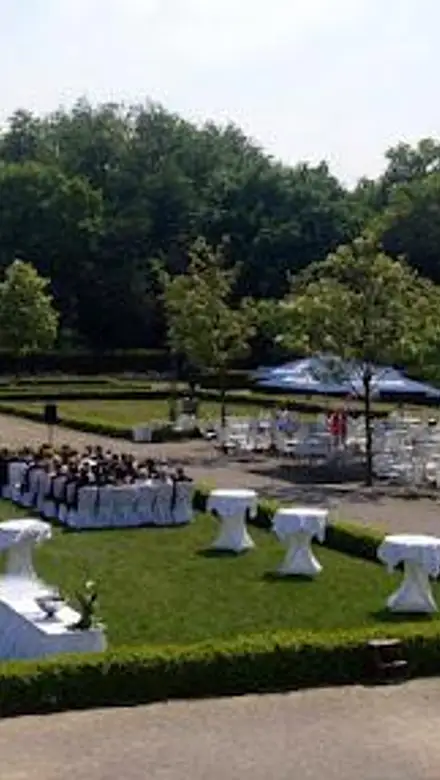
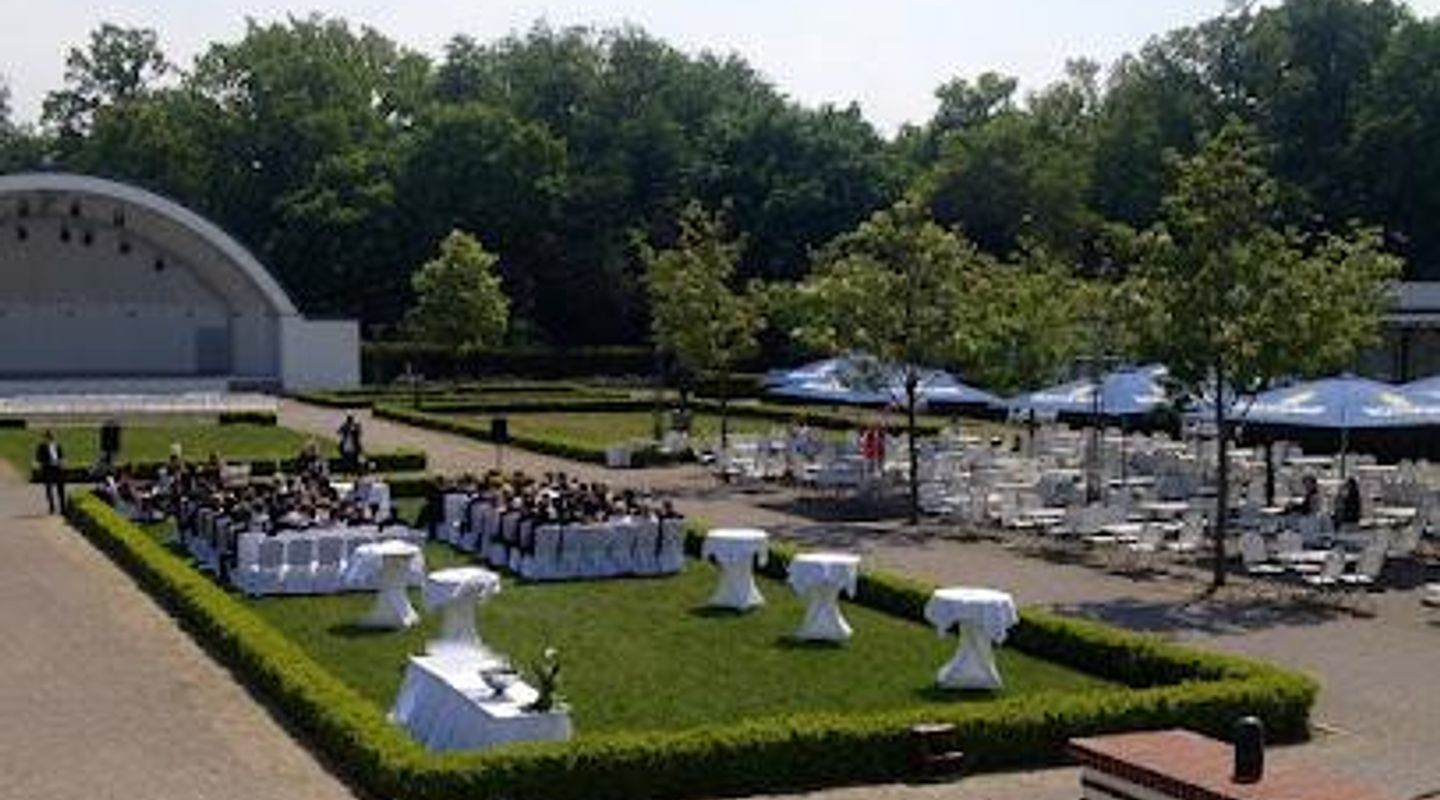
Beyond dining, the Kurhaus functions as a premier event venue for the region. Its banquet halls host weddings, corporate conferences, milestone celebrations, and theatrical performances. The building regularly hosts cultural programming in collaboration with the Rostock University of Music and Theatre and the Rostock People's Theatre, presenting musical and theatrical performances integrated with multi-course dining. Special events include New Year's Eve galas with live entertainment, seasonal brunches, and themed dinner experiences. The historic Kurhaus garden provides outdoor event space and remains accessible to the public, preserving the original vision of a community gathering place.Practical Access and Setting
The Kurhaus occupies a prominent position directly on the Warnemünde beachfront, with the main entrance facing the Hotel Neptun across Seestraße. An adjacent public parking garage with over 500 spaces provides convenient vehicle access. The building sits approximately one kilometer from Warnemünde railway station, accessible via pleasant pedestrian routes through the resort's tree-lined streets. The surrounding area combines beach promenade, residential neighborhoods, and local shops, creating a complete seaside environment where visitors can combine dining or events with beach walks and resort exploration.












Your all‑in‑one travel companion app
Explore expert travel guides, compare and book tours, experiences, hotels, and more—all from the palm of your hand. Download now for seamless trip planning wherever your wanderlust takes you.


Explore More of Gedser Odde
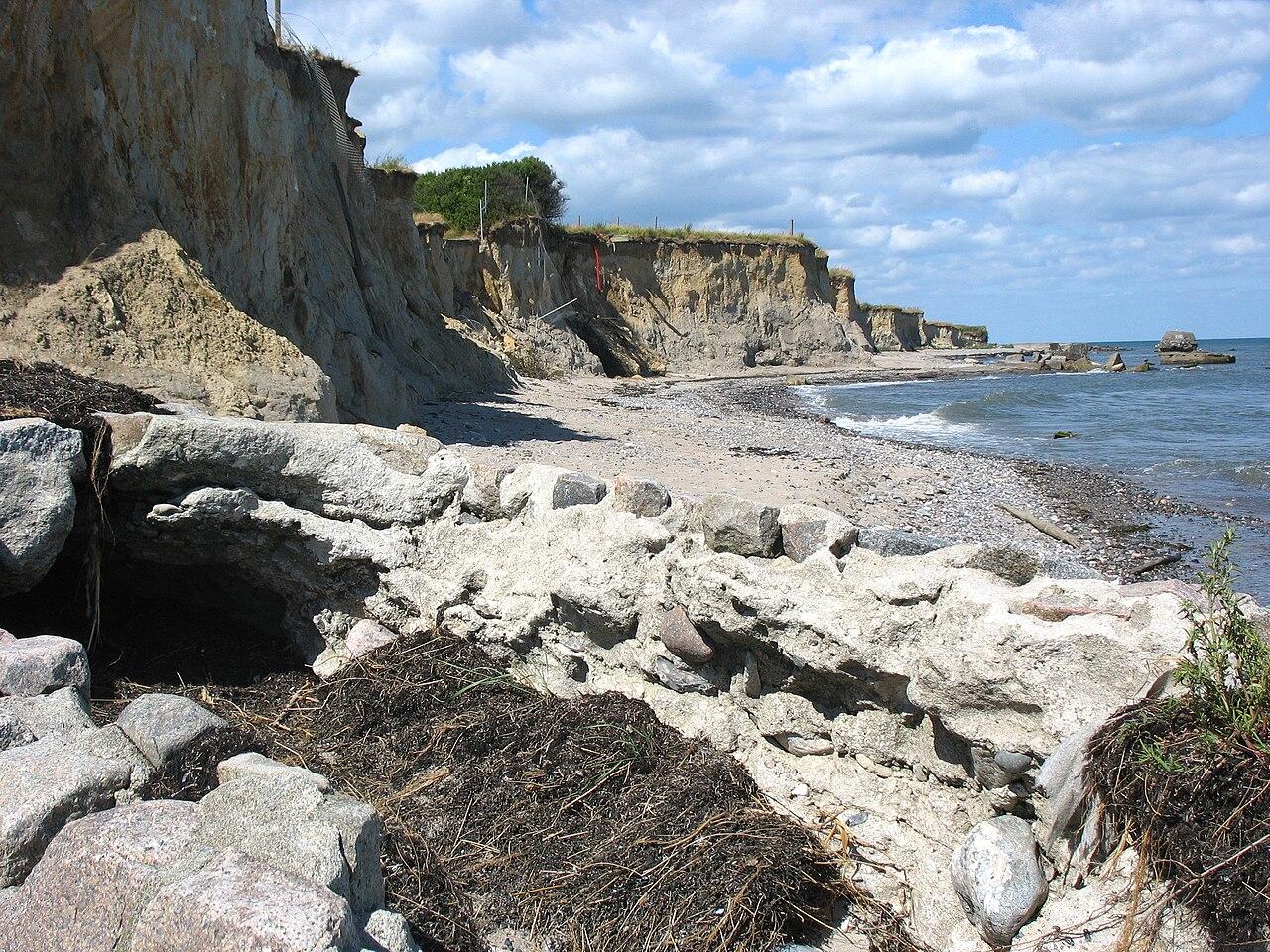
Looking beyond Kurhaus Warnemünde? Discover Gedser Odde for broader travel guides, local hot-spots, and regional highlights.
Explore Gedser Odde
Discover the extraordinary Leuchtturm Street Art in Rostock, where vibrant murals bring the city to life and creativity knows no bounds.
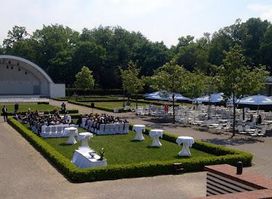
Discover the elegance and cultural vibrancy of Kurhaus Warnemünde, a historic venue along the picturesque Baltic Sea coast in Rostock, Germany.