Strøget – Copenhagen’s Pedestrian Spine
One of Europe’s longest pedestrian streets, Strøget weaves together shopping, history and everyday city life in the very heart of Copenhagen.
Strøget is Copenhagen’s famous 1.1km car‑free shopping artery running from City Hall Square to Kongens Nytorv in the heart of the old town. One of Europe’s longest pedestrian streets, it links historic squares and churches with a dense mix of luxury boutiques, global brands, Danish design stores, cafés and street performers. More than just a retail strip, it is an open‑air stage for everyday city life, people‑watching and classic Copenhagen atmosphere in every season.
A brief summary to Strøget
- Copenhagen, Indre By, DK
- Duration: 1 to 4 hours
- Free
-
 Outdoor
- Mobile reception: 5 out of 5

Know before you go
Hi, I'm Eve. Here are a few practical things to know before exploring Strøget.
- Walk the full stretch between City Hall Square and Kongens Nytorv to experience how the atmosphere shifts from high‑street brands to luxury flagships and historic squares.
- For fewer crowds and better photos, aim for early morning or later evening, especially in summer weekends when the street can feel particularly packed.
- Look up and explore side streets off Amagertorv and around Gammeltorv/Nytorv to find quieter cafés, independent boutiques and characterful courtyards.
- Keep an eye on your belongings near the City Hall Square end, where informal street games and dense crowds can provide opportunities for pickpockets.
- In colder months, warm up with a coffee or hot chocolate at one of the many cafés lining or just off Strøget, and use the window seats for prime people‑watching.
Do you manage this location?
Take control to get all the benefits, like improved information, better appearance, and stronger visibility across AI-powered discovery. Learn more
Activate your presence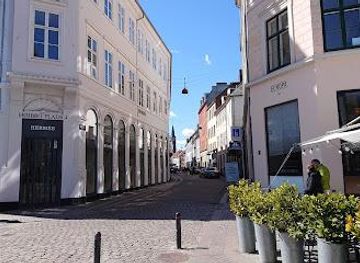
Getting There
-
Metro
Take the M3 or M4 metro line to Rådhuspladsen Station, which brings you directly to the western end of Strøget by City Hall Square. Trains run every few minutes throughout the day, and the ride from major interchange stations in central Copenhagen typically takes 5–10 minutes. A standard single metro ticket within the city zones usually costs around 20–30 DKK. All stations and trains are step‑free, making this the most convenient option if you have luggage or limited mobility.
-
Metro
For access to the eastern end of Strøget, use the metro to Kongens Nytorv Station on lines M1, M2, M3 or M4. The journey from other central stations is around 5–10 minutes, with trains running very frequently from early morning until late evening. A single ticket within the central zones is generally 20–30 DKK. From the station, it is only a short, level walk to the luxury‑shopping and theatre side of Strøget, suitable for wheelchairs and strollers.
-
Bus
Several city bus routes serve the area around City Hall Square, stopping within a few minutes’ walk of Strøget’s western entrance. Depending on where you start within Copenhagen, the journey typically takes 10–25 minutes. A bus ticket bought with a travel card or mobile app is usually in the 20–30 DKK range for central zones. Buses can be crowded at commuter times, and while low‑floor vehicles allow step‑free boarding, expect limited space for bicycles and prams during rush hours.
-
Walking / Cycling from Central Copenhagen
If you are already staying in central Copenhagen, Strøget is easily reached on foot or by bicycle within about 10–20 minutes from many downtown hotels and attractions. The surrounding streets are flat and well paved, with numerous dedicated cycle lanes leading toward City Hall Square and Kongens Nytorv. Cycling is free apart from any bike‑share or rental fees, which commonly start from around 25–40 DKK for a short rental period. Remember that bicycles are not ridden along Strøget itself; you will need to dismount and walk once you reach the pedestrian zone.
For the on-the-go comforts that matter to you
-
 Restrooms
-
 Drink Options
-
 Drinking Water
-
 Food Options
-
 Seating Areas
-
 Trash Bins
-
 Information Boards
-
 Visitor Center
Discover more about Strøget
A Car‑Free Trailblazer in the Heart of Copenhagen
Strøget is the pedestrian backbone of central Copenhagen, a 1.1‑kilometre ribbon of cobblestones that helped turn the Danish capital into a global model for people‑first city planning. In 1962 the street was closed to cars as an experiment, a bold move at a time when vehicles were steadily taking over the old town. The trial proved so successful that the closure became permanent, inspiring the gradual expansion of Copenhagen’s wider pedestrian network.Today Strøget stretches from the broad expanse of City Hall Square at its western end to elegant Kongens Nytorv at the eastern tip. Along the way it stitches together a series of streets and plazas – Frederiksberggade, Nygade, Vimmelskaftet, Amagertorv and Østergade – each with its own character yet flowing seamlessly into the next.From High Street Fashion to Danish Design Classics
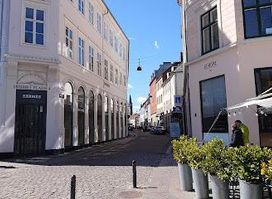
Strøget is best known as Copenhagen’s main shopping street, and the choice is impressively broad. Near Kongens Nytorv, grand historic facades house luxury fashion and jewellery brands, their window displays glowing over the paving stones. Moving closer to City Hall Square, the mood shifts toward international high‑street names and Scandinavian chains, where locals duck in for everyday essentials.Tucked between the big brands are Danish design and lifestyle stores, selling everything from minimalist clothing to ceramics and homewares. The flagship porcelain and glass boutiques around Amagertorv add a distinctly Danish touch, showcasing the craftsmanship that helped cement the country’s design reputation.Historic Squares and Story‑Filled Side Streets
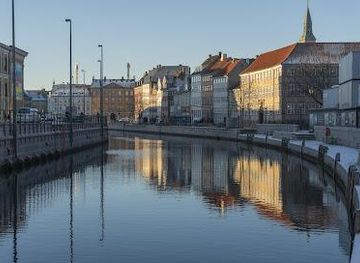
Although the shopfronts command attention, Strøget also doubles as a walking gallery of Copenhagen’s past. At Gammeltorv and Nytorv, centuries of civic life are written into the surrounding merchant houses and the imposing courthouse. Amagertorv opens like a stone fan, its granite surface decorated with an artful pattern and anchored by the Stork Fountain at its centre.Look up from the crowds and you notice towers and spires rising between roofs: the green copper of nearby churches, the silhouette of City Hall behind you, and, from certain vantage points, a glimpse toward Christiansborg Palace across the canal. Narrow side streets peel away from Strøget in every direction, hinting at quieter courtyards, hidden cafés and smaller boutiques just a few steps off the main flow.Street Performers, Café Terraces and City Life
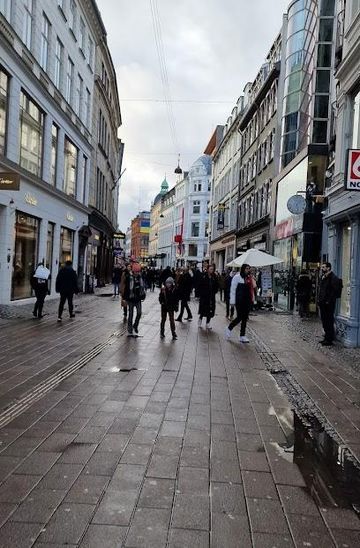
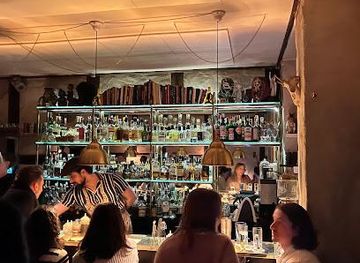
Strøget’s atmosphere changes throughout the day. Mornings can feel almost serene, with delivery bikes rattling over cobbles and cafés setting out chairs. By midday the street is humming: office workers crossing between meetings, shoppers weaving between window displays and visitors pausing under ornate facades. At Amagertorv, street performers often claim their stage, from magicians and jugglers to solo musicians filling the space with sound.Cafés and bakeries spill onto the pavement when the weather allows, adding the aroma of coffee and freshly baked pastries to the mix. In winter, the glow of interior lighting and the promise of something warm in a mug draw people inside, while in summer, outdoor tables become prized spots for unhurried people‑watching.Experiencing Strøget Through the Seasons
Because it is fully pedestrian, Strøget adapts easily to the rhythm of the Danish year. On clear days, sunlight bounces off stone facades and polished shopfronts, and the street feels like an elongated urban living room. When the air turns crisp, the cobblestones glisten after rain and reflections of neon signs shimmer underfoot.Around major holidays the street often takes on a festive air, with decorative lighting and seasonal window displays. Even in colder months, locals shrug on scarves and continue to use Strøget as a thoroughfare and meeting place, reinforcing its role as part of the city’s everyday fabric rather than just a destination for shopping.Planning Your Visit on Foot
Walking Strøget end to end is an easy way to orient yourself in central Copenhagen and link several major landmarks in a single stroll. The route is level and fully car‑free, with frequent seating at squares and edges where you can pause and watch the city move around you. Whether you browse every store or simply follow the flow from City Hall Square to Kongens Nytorv, the street offers a compact introduction to Copenhagen’s blend of history, design and relaxed urban life.Explore the best of what Strøget has to offer













More about North Zealand
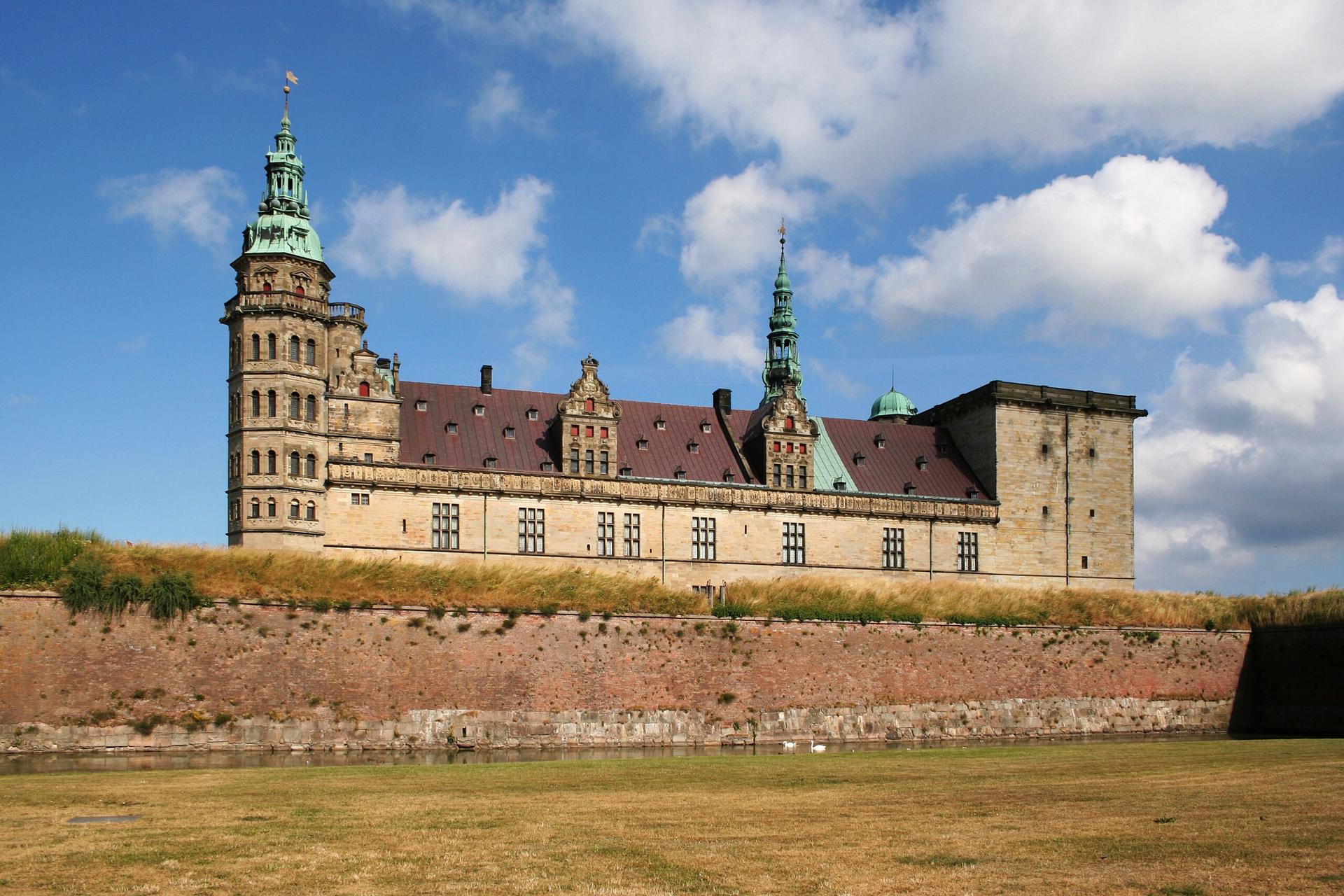
Explore North Zealand, Denmark's enchanting region of castles, beaches, and royal estates, perfect for history buffs, nature enthusiasts, and seaside lovers.
Tell me more about North Zealand