Stendysse, Hillerod Travel Guide
A small, atmospheric Stone Age burial site on the edge of Hillerød, offering a quiet, contemplative glimpse into Denmark’s prehistoric landscape.
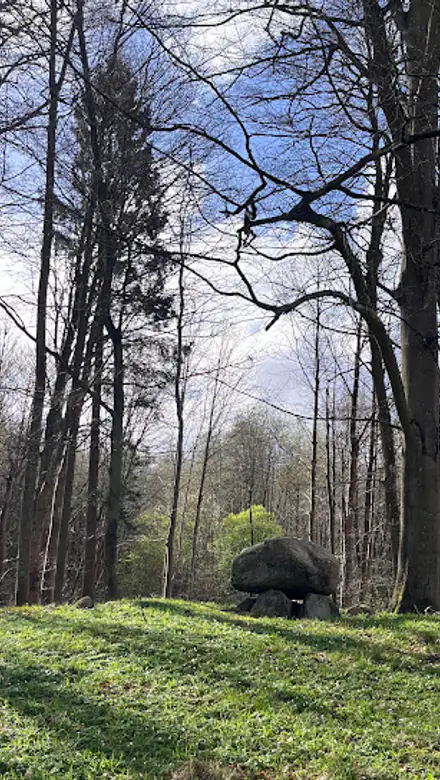
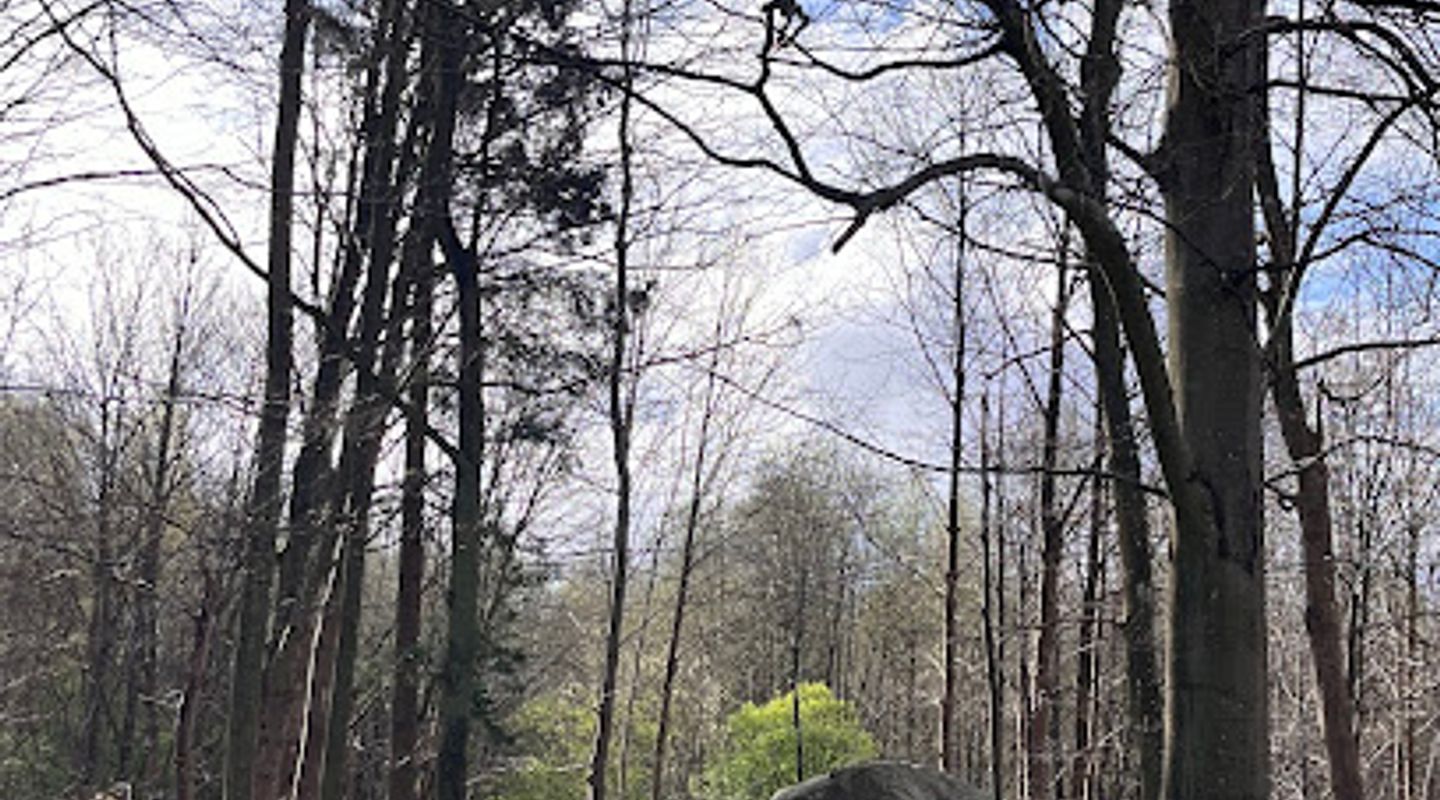
Tucked just outside Hillerød along Lundsbjergvej, this modest **stendysse** (Stone Age burial monument) offers a quiet glimpse into Denmark’s prehistoric past. A simple ring of weathered stones rises from low grass and farmland, hinting at ritual life here more than 5,000 years ago. It is an unstaffed, free-to-access ancient monument, best suited to historically minded walkers, cyclists and those who enjoy small, contemplative detours in the countryside rather than major, developed attractions.
A brief summary to Stendysse
- Lundsbjergvej, Hillerød, 3400, DK
- Duration: 0.5 to 1 hours
- Free
-
 Outdoor
- Mobile reception: 4 out of 5

Know before you go
Hi, I'm Eve. Here are a few practical things to know before exploring Stendysse.
- Bring a short description of Danish stendysser or a guidebook, as on-site information is very limited or nonexistent.
- Wear sturdy shoes; you will likely stand on uneven grass or soft ground around the stones, especially after rain.
- Plan this as a brief stop combined with a walk or cycle tour around Hillerød rather than as a standalone excursion.
- Respect the monument by not climbing on the stones and leaving the area exactly as you found it.
Do you manage this location?
Take control to get all the benefits, like improved information, better appearance, and stronger visibility across AI-powered discovery. Learn more about listing your business on Evendo
Activate your presenceOther nearby places you may find interesting
The closest places of the same kind, if this one is not quite what you had in mind.
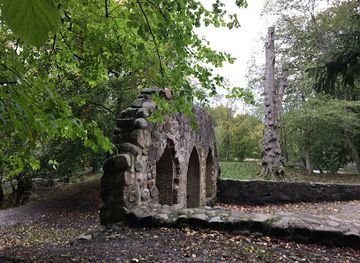
Explore Stendysse on the Map
A handpicked selection of must-see spots near Stendysse, mapped for you.
Getting There
-
Regional train and local walk
From central Copenhagen, take a regional train towards Hillerød; the journey typically takes 35–45 minutes and a standard adult single ticket costs around 40–60 DKK. From Hillerød Station, it is roughly a one-hour walk through suburban streets and countryside to the stendysse area, mostly on paved or gravel paths with gentle inclines. This option suits reasonably fit visitors; it is not ideal for those with limited mobility, and there are no ticket checks or staff at the site itself.
-
Local bus and short countryside approach
Local buses run from Hillerød towards the western outskirts and nearby residential areas in 15–30 minutes, with single tickets usually in the 25–35 DKK range depending on zones. From the nearest bus stop, expect a 15–25 minute walk along quiet local roads and field edges to reach the stones, mostly on flat terrain but with some uneven verges. Services are less frequent in evenings and on weekends, so check timetables in advance and be prepared for limited shelter at rural stops.
-
Car or taxi from Hillerød
By car or taxi from central Hillerød, the trip to the Lundsbjergvej area generally takes 10–20 minutes depending on traffic. Taxi fares on this distance are often in the range of 140–220 DKK one way, with supplements at night and on holidays. Parking is informal along local roads near the fields, without marked bays or attendants, so ensure you do not block farm access or private driveways. In wet weather, roadside verges can be soft and muddy, and there are no dedicated facilities such as restrooms or lighting at the site.
Discover more about Stendysse
Ancient stones in the Hillerød countryside
This small stendysse sits on gently rolling ground outside Hillerød, a cluster of hefty boulders emerging from the grass beside Lundsbjergvej. At first glance it can seem almost unassuming, but it represents one of the oldest man‑made structures in the landscape, dating back to the Neolithic period when farming communities first settled this part of North Zealand. The monument once formed part of a larger burial or ritual site, aligned with other now‑vanished earthworks and mounds.Around you, the modern world feels close – fields, scattered houses, and the distant hum of traffic – yet the stones themselves anchor the view in deep time. Their surfaces are pitted and lichen‑streaked, shaped both by Ice Age forces and by human hands that levered them upright thousands of years ago.Reading traces of prehistoric ritual
A stendysse is typically a communal grave or ceremonial structure, built by early farmers who buried their dead beneath earthen mounds supported by large stone chambers. While the mound here has eroded away, the surviving stones still sketch the footprint of the original monument. Archaeological work in the Hillerød area has revealed long barrows, stone settings and settlement traces, suggesting that this high ground once formed part of a broader ritual and domestic landscape.Standing beside the stones, it is easy to imagine the processions that may have approached across the fields, carrying offerings of pottery, tools or animal bones. The site speaks quietly of seasonal gatherings, ancestor worship and a worldview in which burial places and everyday life were closely intertwined.A brief but atmospheric stop
There are no facilities or formal visitor center here, and interpretation is minimal or absent, making this a short, self‑guided stop rather than a full outing. Many visitors arrive on foot or by bicycle, pausing for a few minutes to walk around the stones, study their shapes from different angles and take photographs of the monument against the open sky.The atmosphere is calm and slightly austere. On overcast days the low light emphasises the texture of the rock and the subtle rise of the ground; in bright sun the stones cast sharp shadows into the grass. Because the site is small, even a handful of people can feel like a crowd, yet at quieter times you may have the entire monument to yourself.Landscape, light and quiet reflection
Although modest in scale, the setting rewards unhurried attention. From the stones you can look outward over nearby fields and hedgerows, noticing how the monument occupies a gentle rise with good visibility in several directions. This was almost certainly intentional, chosen so that the structure would be seen from surrounding paths and farmland.Birdsong, rustling leaves and the occasional passing cyclist are likely to be your main soundtrack. The site lends itself to a few minutes of reflection, perhaps imagining how different the surroundings would have looked when dense forest still covered much of Zealand and only a few small clearings were cultivated. In this sense, the stendysse is as much a viewpoint in time as in space.Combining with wider Hillerød explorations
Because the monument is so compact, it fits naturally into a broader day around Hillerød. It can serve as a brief cultural pause on a countryside walk, a stop on a cycling loop, or a quiet contrast to the more elaborate architecture and gardens closer to town. Those interested in prehistory will recognise it as one point in a long chain of ancient sites scattered across North Zealand, from other stone graves to Bronze Age barrows.For many, the appeal lies precisely in its simplicity: no ticket queue, no marked trail system, just an old stone structure still holding its ground in a working landscape. Treat it with care, avoid climbing on the stones, and you help ensure that this small window into Denmark’s distant past remains intact for future wanderers to discover.












Your all‑in‑one travel companion app
Explore expert travel guides, compare and book tours, experiences, hotels, and more—all from the palm of your hand. Download now for seamless trip planning wherever your wanderlust takes you.


Explore More of Hillerod
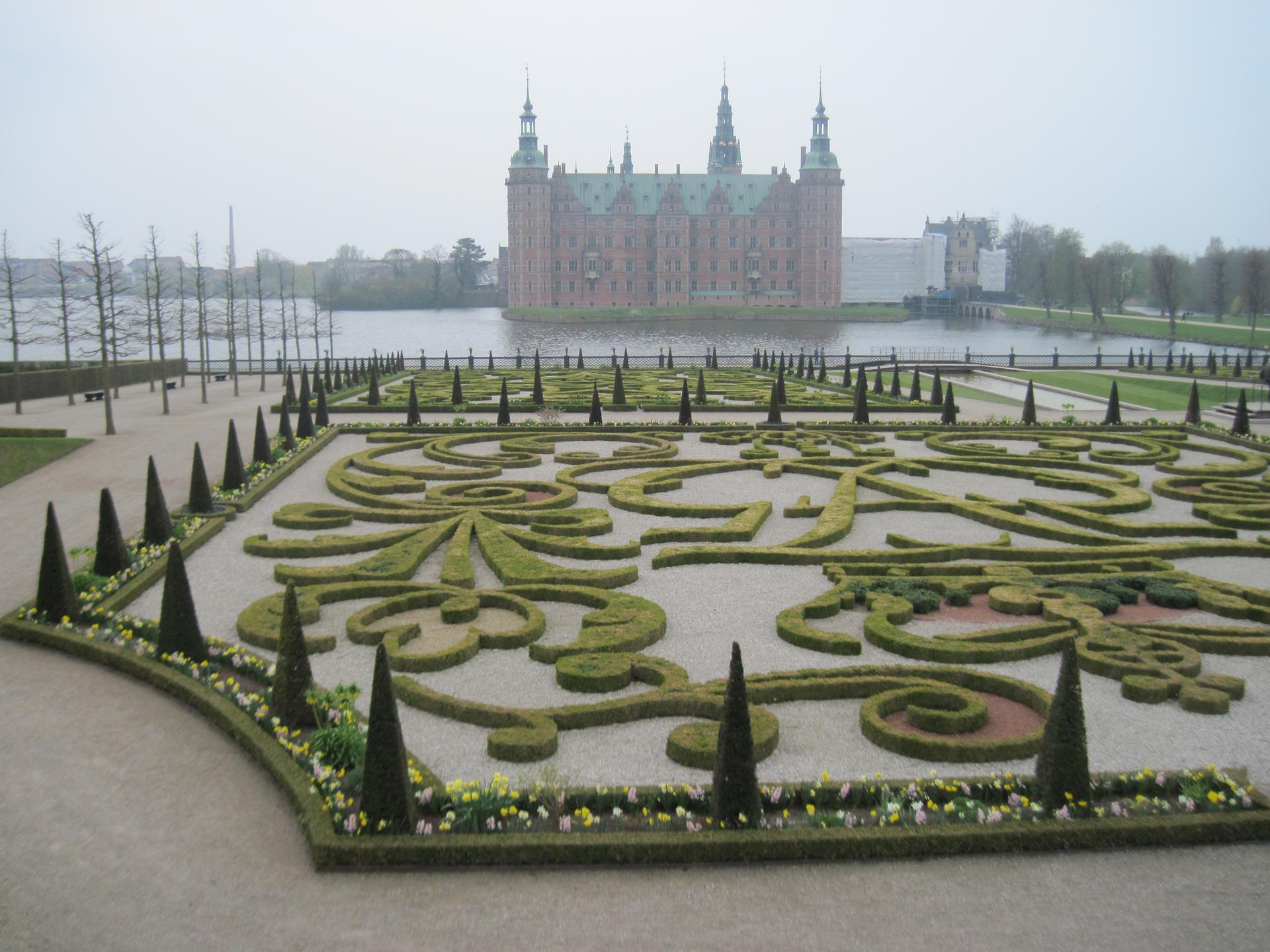
Looking beyond Stendysse? Discover Hillerod for broader travel guides, local hot-spots, and regional highlights.
Explore Hillerod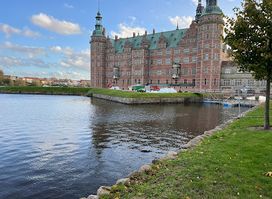
A grand Renaissance castle on an island lake, housing Denmark’s Museum of National History with 500 years of portraits, power and palace splendor.
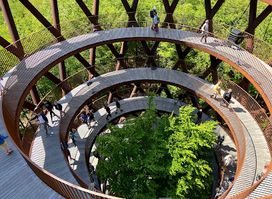
80,000 m² of outdoor action in Hillerød’s forests, blending paintball, obstacle courses and group games with relaxed grill areas and flexible event packages.