
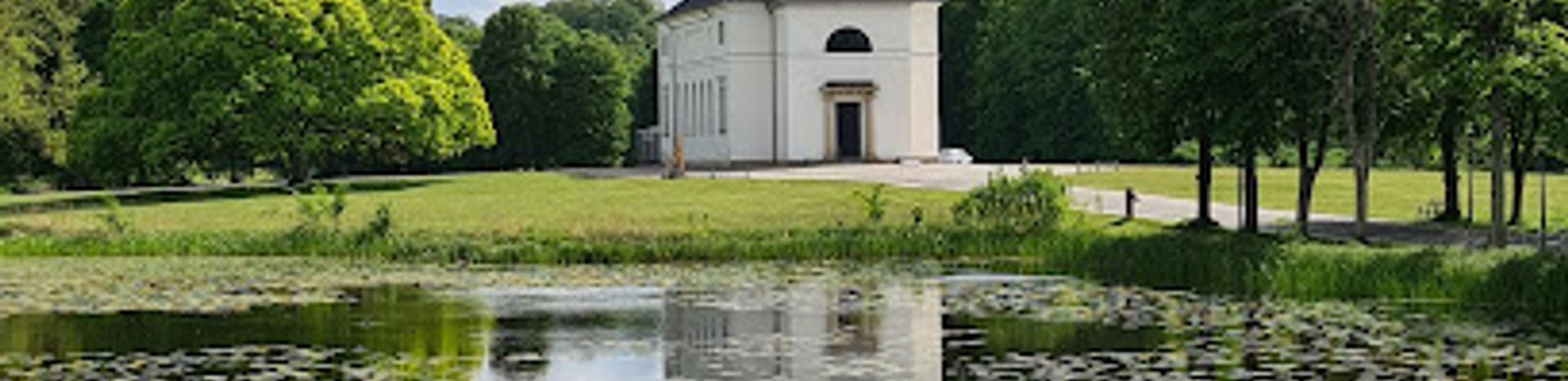
Hørsholm Slotshave
A baroque garden where Scandinavia's lost palace still echoes through ancient linden trees.
A historic baroque garden in North Zealand that once surrounded Hirschholm Slot, one of Scandinavia's grandest royal palaces. Today, this verdant park preserves the original layout with tree-lined avenues, walking trails, and remnants of its ornamental past. Open year-round and free to visit, it offers peaceful walks through centuries of Danish royal history, complemented by the nearby Hørsholm Egns Museum's exhibition on the vanished castle.
A brief summary to Hørsholm Slotshave
- Folehavevej 15, Hørsholm, 2970, DK
- Visit website
- Duration: 1 to 3 hours
- Free
-
 Outdoor
- Mobile reception: 4 out of 5
Local tips
- Follow the marked Hjertestien route for a structured 2-kilometer walk that highlights the garden's most historically significant areas; the trail begins from the parking area near the church avenue.
- Visit Hørsholm Egns Museum (open Saturday–Sunday 11:00–16:00 outside school holidays, Wednesday–Sunday during school holidays) to view the exhibition on Hirschholm Slot and understand the palace that once dominated this landscape.
- Wear comfortable walking shoes suitable for varied terrain; the park's stony paths and uneven surfaces require stable footwear, especially in wet conditions.
- Bring binoculars or a camera to capture the towering linden trees and garden vistas; early morning or late afternoon light enhances photography and provides quieter walking conditions.
- If visiting with a dog, take advantage of the off-leash dog area; however, remain aware of other visitors and keep your dog under voice control.

For the on-the-go comforts that matter to you
- Seating Areas
- Trash Bins
- Information Boards
- Picnic Areas
Getting There
-
Car
Drive to Folehavevej 15, Hørsholm, where a dedicated parking area serves the garden. From central Copenhagen, the journey takes approximately 30–40 minutes via the E47 motorway northbound toward Helsingør, exiting toward Hørsholm. Parking is free and available year-round. The parking area connects directly to the garden's main entrance and the beginning of the Hjertestien marked trail.
-
Train and Local Bus
Take the S-train (S-tog) from Copenhagen Central Station toward Hillerød, alighting at Hørsholm Station (approximately 25–30 minutes). From the station, local bus routes serve the area; confirm current routes with Movia transport authority. The walk from Hørsholm Station to the garden entrance is approximately 1.5–2 kilometers and takes 20–25 minutes on foot through residential streets.
-
Bicycle
Cycle from central Copenhagen via the North Zealand cycle routes, a journey of approximately 20–25 kilometers taking 45–60 minutes depending on your starting point and route choice. Hørsholm is well-connected by regional cycle paths. Secure bicycle parking is available near the garden entrance. The flat terrain of North Zealand makes cycling a practical and popular option for reaching the site.
-
Guided Tour
Museum Nordsjælland periodically offers guided cultural walks through Hørsholm Slotshave led by local historians and authors, typically lasting 1–2 hours. These walks are bookable through the museum and include entry to Hørsholm Egns Museum. Check the museum's event calendar for scheduled dates and pricing, which typically ranges from 50–100 Danish kroner plus any booking fees.
Hørsholm Slotshave location weather suitability
-
 Any Weather
-
 Clear Skies
-
 Mild Temperatures
Discover more about Hørsholm Slotshave
A Lost Palace and Its Enduring Garden
Hørsholm Slotshave stands as a living memory of Hirschholm Slot, once called the Versailles of the North. This magnificent royal residence was constructed in the early 18th century under the vision of Queen Louise, who began the garden's design around 1700. When she died in 1721, Queen Sophie Magdalene and King Christian VI inherited her ambition and transformed the estate into a baroque masterpiece. Over the following two decades, architects Lauritz de Thurah, J.C. Krieger, and Nicolai Eigtved created a harmonious union of palace and garden that represented the pinnacle of Danish royal splendor. The slot itself no longer stands, demolished in the 19th century, yet the garden remains largely intact—a testament to baroque landscape design and royal ambition.The Baroque Garden Layout and Historic Features
The garden's original baroque character survives in its carefully planned geometry and mature plantings. Towering linden trees, some centuries old, line the avenues and whisper of the grandeur that once surrounded them. The garden originally featured elaborate ornamental elements including a labyrinth, bird aviary, carousel grounds, theater, bowling green, and games area—all designed to entertain the court and its distinguished guests. Today, visitors walk the same paths that once connected these pleasure grounds. In the southern section lies a modest garden installation featuring a fountain and six cement pillars known locally as the Apoteker-pillerne, erected in 1913 as an attempt to recreate elements of the lost baroque landscape. The Hjertestien, a marked 2-kilometer walking route, guides visitors through the park's most significant areas, beginning from the parking area near the church avenue.A Modern Green Space for All
While its royal past defines its character, Hørsholm Slotshave functions today as a beloved community green space accessible to everyone. The park remains open throughout the year, day and night, welcoming walkers, joggers, and families. Well-maintained trails wind through the entire estate, with paths suitable for wheelchairs and strollers, making the garden accessible to visitors of varying mobility. The park is designated as one of several off-leash dog areas in Hørsholm, where dogs can roam freely—a feature that has made it a favorite among local pet owners. The combination of historical significance and practical accessibility creates a unique space where Danish heritage and contemporary leisure seamlessly coexist.Connection to Hørsholm Egns Museum
The nearby Hørsholm Egns Museum, located at the garden's edge, deepens the visitor experience by providing context for what once stood here. The museum's primary exhibition focuses on the vanished Hirschholm Slot, offering artifacts, historical records, and interpretive displays that bring the palace back to life in visitors' imaginations. Beyond the slot exhibition, the museum presents local history, regional collections, and rotating special exhibitions. For families with children, the museum offers costume dress-up opportunities and creative workshops. The museum shop sells books and postcards related to local history. Guided cultural walks through the garden, led by local historians and authors, are periodically offered to those seeking deeper engagement with the site's historical narrative.Seasonal Rhythms and Visitor Experience
The garden's appeal shifts subtly through the seasons. Spring brings renewal to the ancient trees and flowering plantings; summer offers full canopy shade and lush greenery; autumn displays the warm colors of mature foliage; and winter reveals the skeletal structure of the baroque layout beneath bare branches. The open-air setting means weather plays a significant role in the experience—clear skies enhance the sense of space and history, while rain and wind add atmospheric drama to the tree-lined avenues. The site's lack of commercial development preserves its contemplative quality, allowing visitors to focus on the landscape itself and its historical resonance rather than on contemporary distractions.Iconic landmarks you can’t miss

Hørsholm Slotshave
0.0 km
A baroque garden where Scandinavia's lost palace still echoes through ancient linden trees.
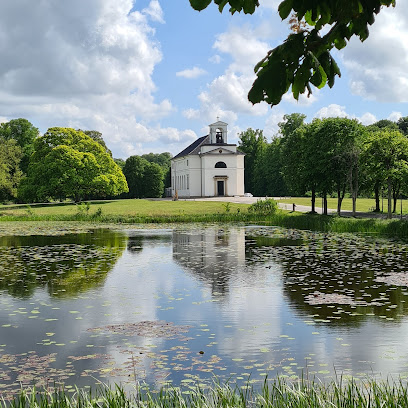
Henriksholm
3.9 km
A quiet Vedbæk hillside where Stone Age burials, villa culture and Cold War command history meet in a leafy coastal neighbourhood north of Copenhagen.
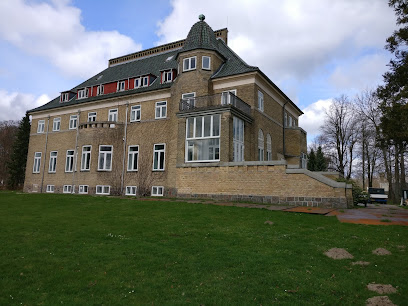
Furesø
10.6 km
Denmark's deepest lake offers pristine waters, historic heritage, and year-round outdoor adventures just 20 km from Copenhagen.
Lyngby Storcenter
11.7 km
Discover a world of shopping and dining at Lyngby Storcenter, one of Denmark's largest malls, offering a vibrant mix of international brands and local favorites in the heart of Kongens Lyngby.
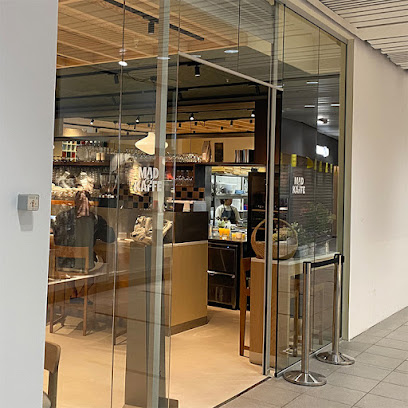
Country Market
13.2 km
Experience the charm of Fredensborg at Country Market, a vibrant marketplace offering local delicacies, artisan products, and a cozy café atmosphere in the heart of town.
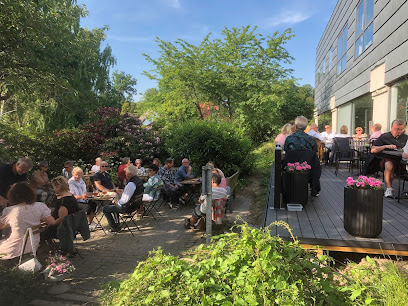
Bagsværd Kirke
13.2 km
A modest suburban shell concealing Jørn Utzon’s luminous “cloud” church, where Nordic minimalism, sculpted concrete and tranquil courtyards create a serene urban sanctuary.
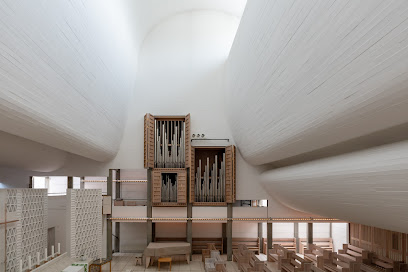
Hillerød St.
13.2 km
North Zealand's essential transport hub connecting Copenhagen, regional destinations, and Frederiksborg Castle.
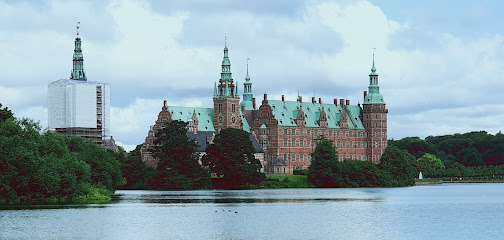
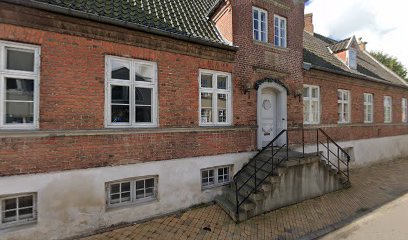
Hillerød Rectory
13.6 km
Discover the Befrielsessten in Høgsholt, Vejle—a serene memorial park honoring Denmark's journey to freedom amidst lush landscapes.
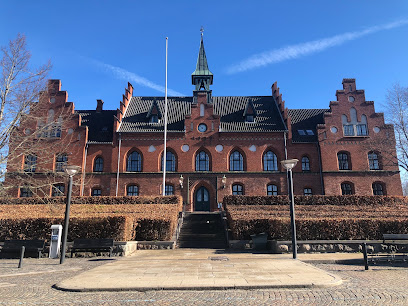
Old town hall
13.7 km
A dignified brick landmark on Hillerød’s main square, the Old Town Hall anchors the town’s civic heart between cobbled streets, cafés and castle views.
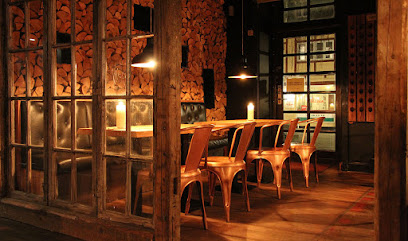
Skänk øl, vin & madbar Hillerød
13.8 km
Experience Danish craft beers, global wines, and tasty tapas at Skänk in Hillerød, a cozy spot with castle views and a welcoming atmosphere on Torvet square.
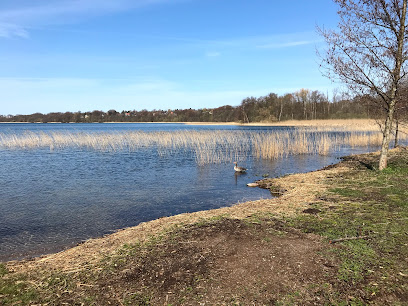
Søndersø
14.6 km
Escape to Søndersø: A serene lake in Værløse offering tranquil nature walks, birdwatching, and recreational activities amidst lush forests and historical landscapes.
Kirppu Hillerød
15.0 km
Discover unique vintage finds and support sustainable shopping at Kirppu Hillerød, Denmark's largest flea market supermarket, offering a treasure trove of pre-loved goods and community spirit.
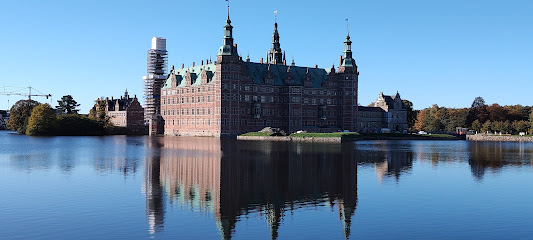
Danish Museum of Science and Technology
16.7 km
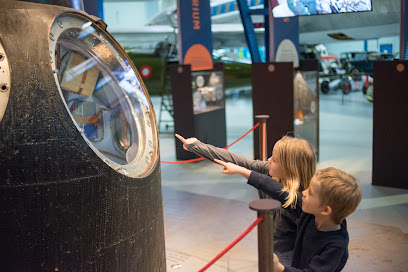
Explore Denmark's technological heritage at this interactive museum, showcasing everything from vintage vehicles to groundbreaking inventions and offering hands-on experiences for all ages.
Kulsvierstenen
16.9 km
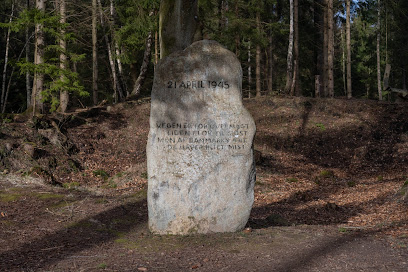
A modest forest boulder in Gribskov that marks a dramatic World War II resistance firefight, blending North Zealand’s tranquil woodland with powerful memory.
Memorial Park
17.0 km
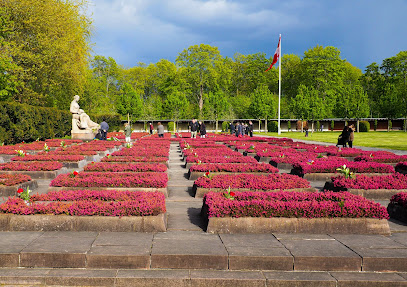
A tranquil, evocative memorial park in Hellerup near Østerbro, honoring Danish resistance fighters with monuments, peaceful gardens, and profound historical resonance.
Unmissable attractions to see

Elleskovstien
2.1 km
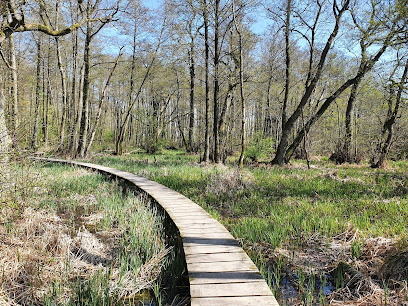
A raised wooden boardwalk leads you into Hørsholm’s own “mini‑mangrove”: a quiet marsh and lakeside wetland where alder forest, reeds and artful details reward unhurried wandering.
Karen Blixen Museum Rungstedlund
2.7 km
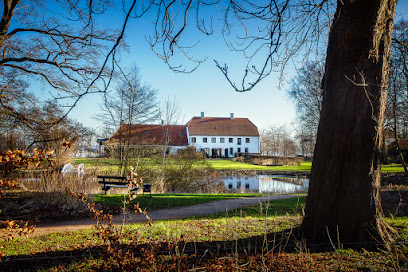
Intimate author’s home on the Øresund, where Karen Blixen’s preserved rooms, bird sanctuary and woodland grave reveal the world behind Out of Africa.
Rungsted Harbour
2.8 km
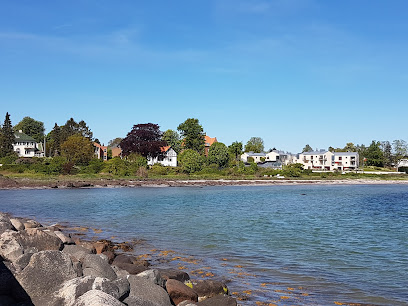
Lively Øresund marina where sleek yachts, waterfront cafés, and wide coastal views blend into a relaxed Danish seaside atmosphere all year round.
Kongeegen i Vedbæk
2.9 km
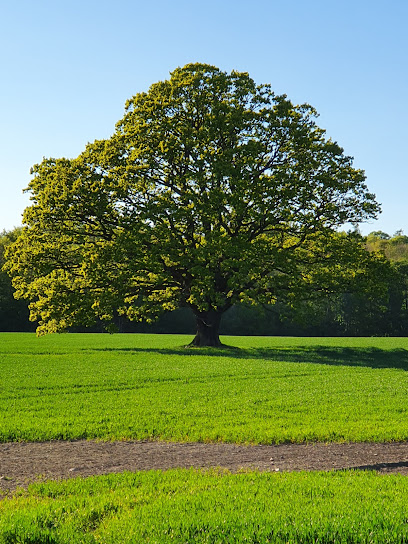
A quietly impressive old oak on the edge of Vedbæk’s houses and greenery, offering a brief, grounding pause in everyday surroundings.
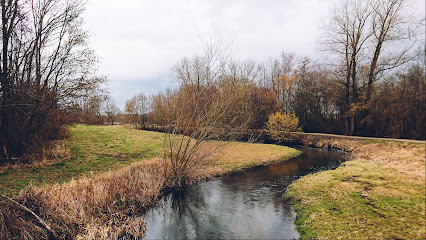
Usserød Å
3.3 km
A gentle North Zealand stream weaving a green, everyday escape through Kokkedal’s neighbourhoods, perfect for unhurried walks, fresh air and simple nature moments.
Nivågård’s Malerisamling
5.7 km
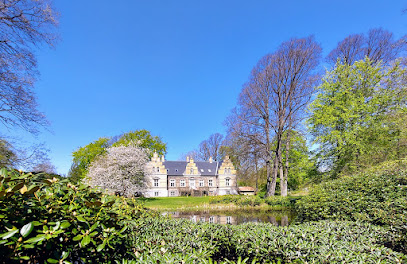
An intimate North Zealand art museum where Renaissance masters, Dutch Baroque painters and Danish Golden Age canvases meet in a romantic garden by the Øresund coast.
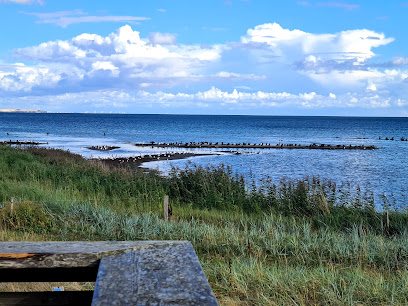
Nivå Bugt Strandenge
6.0 km
Low, windswept coastal meadows where Øresund meets the Nivå river, offering tranquil paths, wide skies and remarkably rich birdlife just south of Nivå.
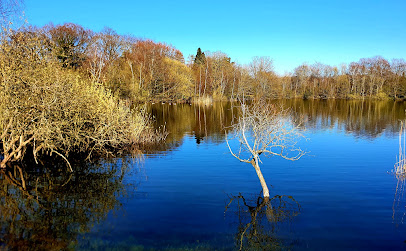
Store Donse Dam
6.5 km
A tranquil forest-fringed lake in North Zealand where calm water, simple shelters and soft Danish light invite slow walks, campfires and quiet reflection.
Vaserne
6.6 km
Sheltered between Birkerød and Sjælsø, Vaserne is a protected wetland reserve of reeds, swamp forest and bird-filled lakes offering quietly immersive nature on the city’s edge.
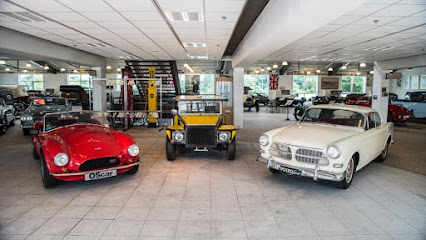
Sommer's Automobile Museum
6.7 km
A three-storey Danish car haven where Jaguars, Volvos and rare home-built specials tell a vivid story of 20th‑century motoring and mechanical passion.
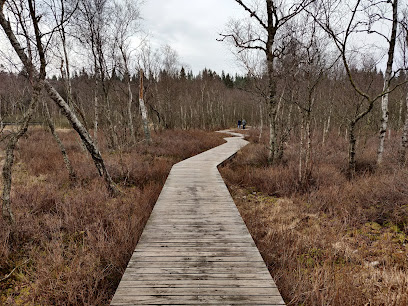
Bøllemosen
6.8 km
Ancient peat bog and beech forest with boardwalk trails, nature playground, and bonfire facilities near Copenhagen.
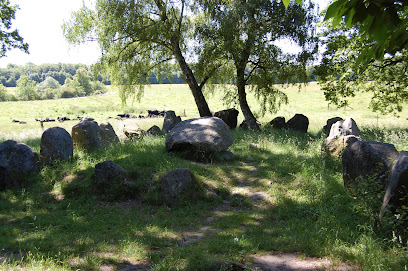
Kongedyssen
7.8 km
Immerse yourself in Denmark’s most interactive monkey park on the outskirts of Hillerød, offering close encounters, family fun, and a focus on primate welfare.
Geels Skov
8.0 km
An accessible Copenhagen-edge woodland of beech trees, clear trails and cosy fire pits, Geels Skov is where everyday life slips easily into fresh-air forest time.
Open Air Museum
9.2 km
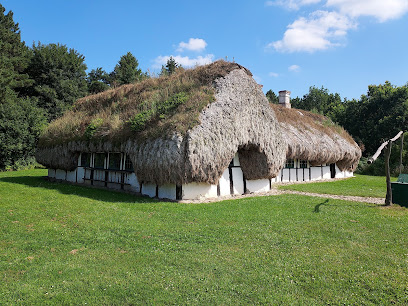
One of the world’s largest open‑air museums, Frilandsmuseet gathers centuries of Danish rural life into a single village of farms, mills, animals and gardens.
Jægersborg Dyrehave
9.2 km
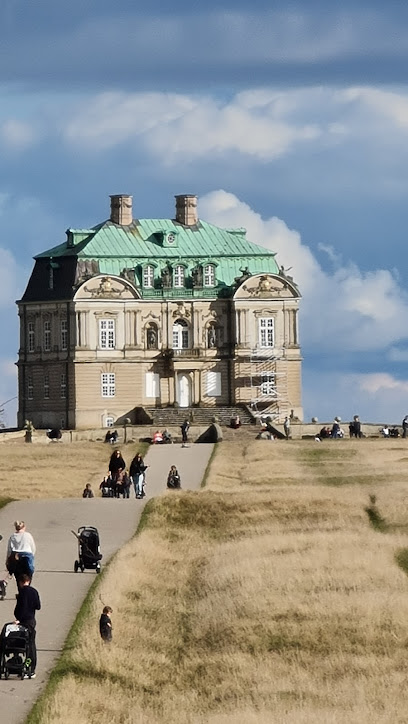
UNESCO-listed royal deer park just north of Copenhagen, where ancient oaks, open meadows and free-roaming herds create a vast, car-free escape from the city.
Essential places to dine

Bistro No. 22
2.9 km
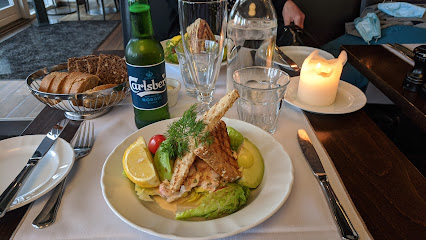
Relaxed harbourfront bistro on Rungsted Havn, serving comforting Nordic brasserie dishes with marina views from light-filled interiors and a lively waterfront terrace.
MASH Rungsted Havn
3.0 km
Harbourfront steakhouse indulgence at Rungsted Havn, where prime cuts, a serious wine list and a broad terrace meet white sails and Øresund views.

Søllerød Kro
7.0 km
Historic thatched Danish inn turned Michelin-starred dining destination, where refined French-inspired cuisine, deep wines and warm village charm meet by a tranquil pond.
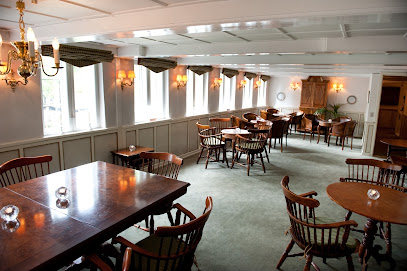
Gl. Humlebæk Kro
11.0 km
Historic Danish kro since 1740, serving traditional smørrebrød and coastal hospitality.
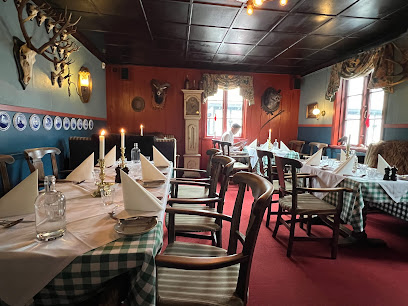
Lakeside Restaurant
11.1 km
Casual dining on the edge of Simons Golf Club, where generous Danish-inspired dishes meet wide green views and a calm North Zealand countryside setting.
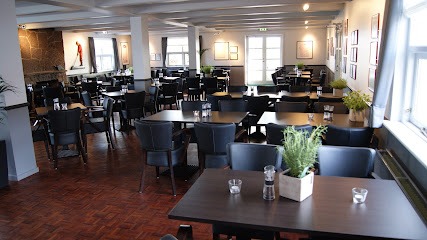
Restaurant Nysøgaard ApS
11.4 km
Homely Danish cooking in a farmhouse‑style setting on the edge of Hillerød, ideal for relaxed lunches and family meals after exploring Frederiksborg Castle.
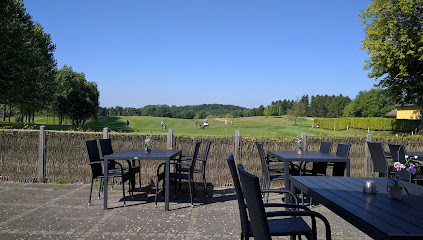
Latini Hjørnet
12.4 km
Casual corner pizzeria and burgerhouse in suburban Hillerød, serving hearty pizzas, pastas and fast‑food favourites for easy eat‑in or takeaway meals.
Hong Kong Bistro & Grill
13.0 km
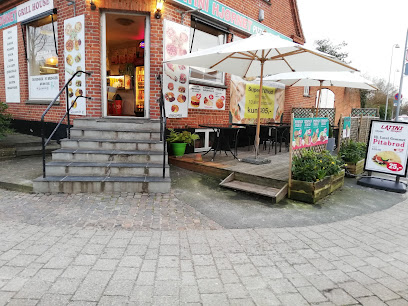
Unfussy Chinese‑Thai grill and wok spot in Hillerød serving hearty noodles, curries, steaks and spareribs in a simple, relaxed neighborhood setting.
Lpm Restauranter v/Lars Peter Mølvang
13.0 km
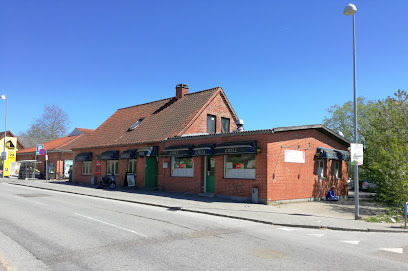
Contemporary Nordic dining in the heart of Hillerød, open daily for lunch and dinner.
Cafe Station Pizza Bar
13.2 km
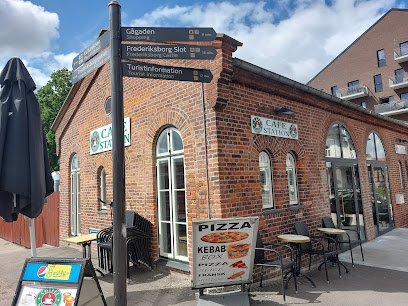
Casual, station‑side pizza and café classics in the heart of Hillerød’s transport hub, ideal for quick bites, easy dinners and relaxed, no‑frills stopovers.
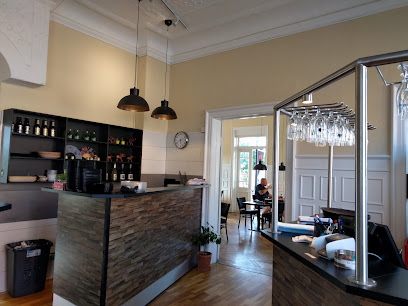
You Sushi
13.3 km
Casual Japanese-inspired sushi spot by Hillerød station, blending open-kitchen theatrics, ad libitum feasts and easy takeaway for locals and visitors alike.
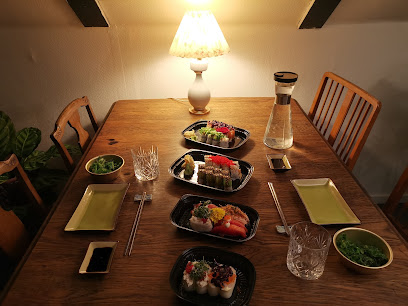
Gourmet Sushi
13.5 km
Compact sushi specialist by Hillerød station, serving fresh rolls and generous gourmet platters with a relaxed, takeaway‑first vibe and a few informal seats.
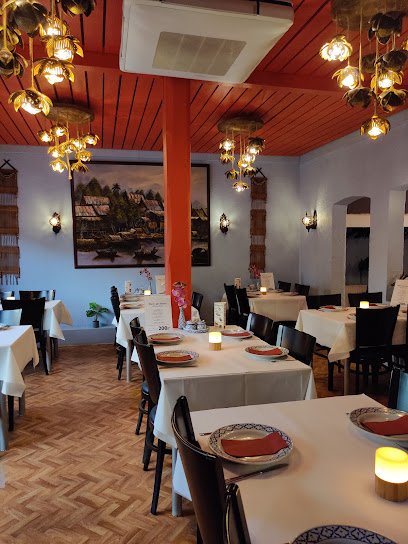
Thai 4 You - Thai Restaurant og Take Away
13.6 km
Authentic Thai flavors prepared by professional chefs in central Hillerød.
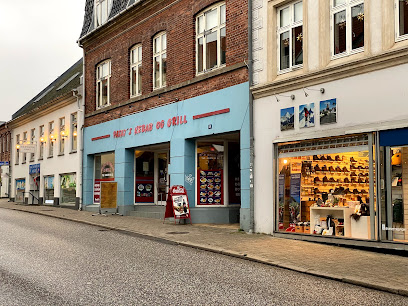
Patats Kebab & Grill
13.7 km
Casual Turkish-style kebab and grill in central Hillerød, serving generous, inexpensive plates, pitas and durums just a short walk from the town’s main sights.
Tô Tô Kitchen
13.7 km
Cozy Vietnamese flavors and casual evening dining on Østergade, bringing fresh herbs, noodles and warm atmosphere to the heart of Hillerød.
Markets, malls and hidden boutiques

The Late Morning Post Photographer
12.9 km
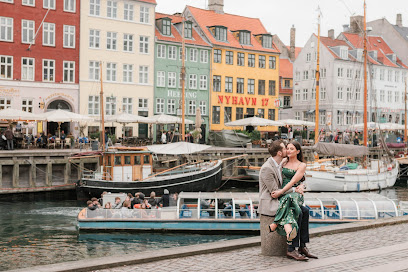
Fine art wedding and family photography studio capturing authentic moments with artistic vision and warmth.
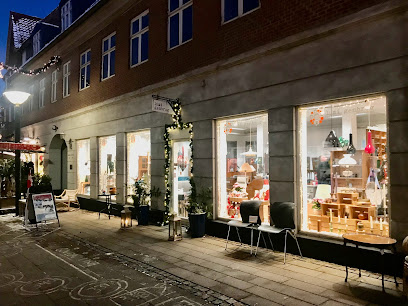
Lumi Op Shop
13.7 km
Cosy Hillerød charity thrift store and café where vintage furniture, second-hand finds and lakeside castle views meet to support meaningful mission projects.
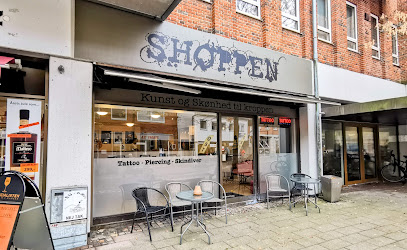
Shoppen
13.7 km
A local tattoo studio woven into Hillerød’s main pedestrian street, where custom ink sessions sit just steps from cafés, shops and everyday Danish life.
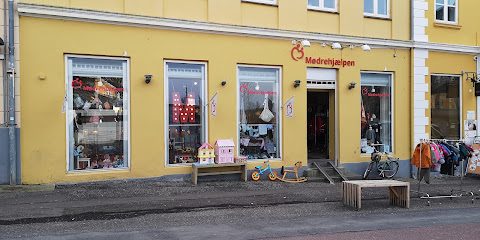
Mothers' Aid Op Shop
13.8 km
Bright, family‑focused charity shop on Hillerød’s main square, where gently used children’s clothes and toys support vital work for parents and kids in Denmark.
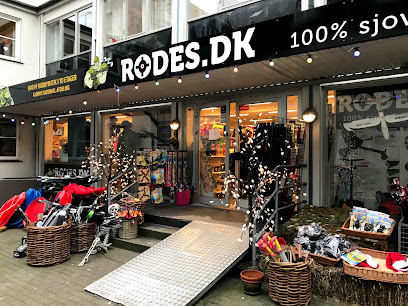
Rodes
13.8 km
Two floors of toys, gear and airsoft in an 800 m² megastore that turns central Hillerød into a playground for kids, teens and grown‑up hobby enthusiasts.
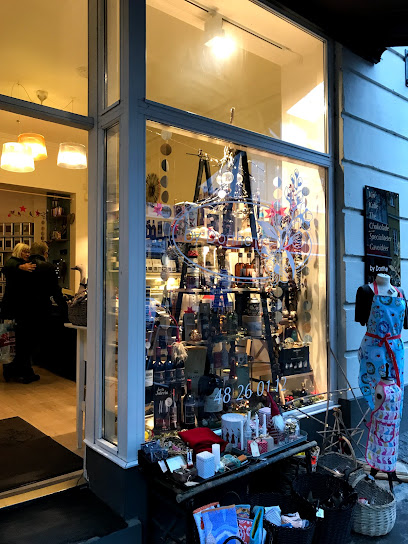
Vinbutikken
13.8 km
Cosy wine and delicacies shop on historic Slotsgade in Hillerød, pairing castle-side charm with handpicked bottles, gourmet treats and friendly, expert advice.
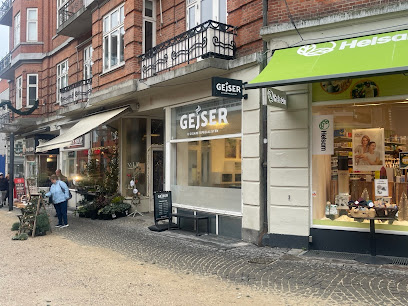
GEjSER ApS
13.8 km
Expert vape shop on Slotsgade offering quality e-cigarettes, e-liquids, and accessories for all experience levels.
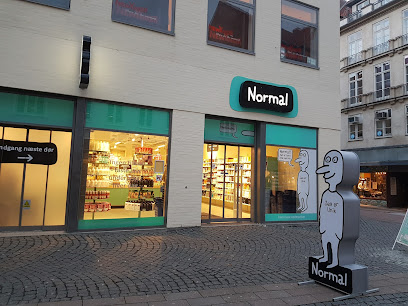
Normal
13.9 km
Bright, budget-friendly high-street shop in the heart of Hillerød, ideal for topping up toiletries, snacks and quirky small finds between castle-town explorations.
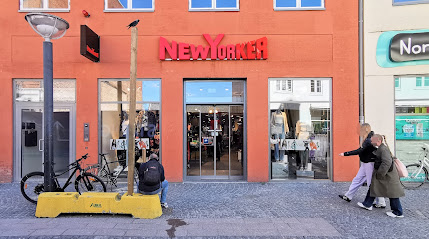
NEW YORKER
13.9 km
Contemporary fashion trends and accessible style in Hillerød's shopping heart.
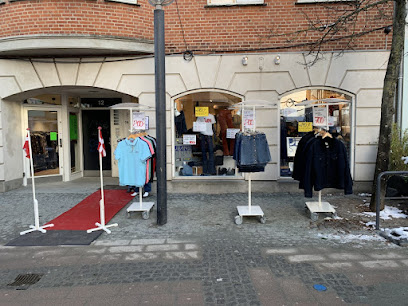
JeansStore
13.9 km
Denmark's premier denim specialist offering authentic Lee and Wrangler collections with expert guidance.
Gine
13.9 km
A compact, Scandinavian-inspired womenswear boutique on historic Slotsgade, perfect for a relaxed browse between castle views, coffee stops and city-center strolls.
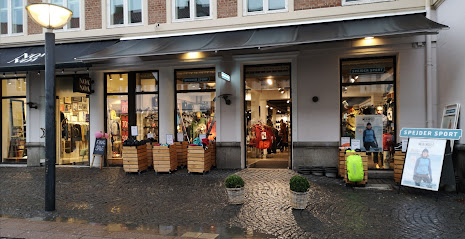
Spejder Sport
13.9 km
Denmark's largest outdoor chain where expert staff and quality gear prepare you for every adventure.
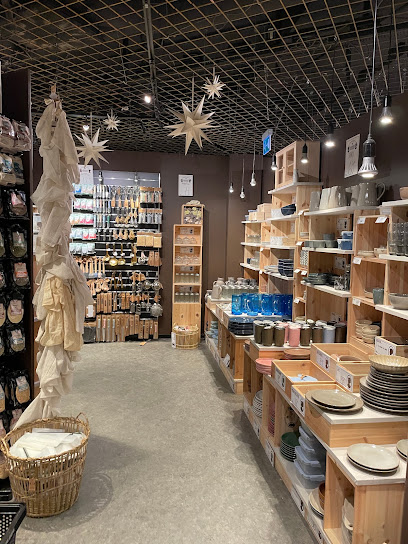
Søstrene Grene
13.9 km
Cozy Danish design universe in central Hillerød, filled with affordable Nordic home décor, crafts, toys and stationery in a warm, maze-like interior.
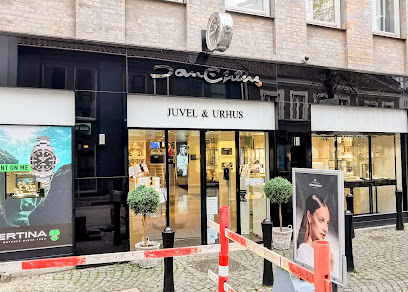
Jan Ehlers
14.0 km
Established family-run jeweler and watch specialist on Hillerød’s Slotsgade, blending modern boutique style with goldsmith craftsmanship and curated Danish design.
Idé nyt
14.0 km
Contemporary fashion boutique inside Hillerød’s covered Slotsarkaderne arcade, blending everyday Scandinavian style with a relaxed, browse-friendly atmosphere.
Essential bars & hidden hideouts

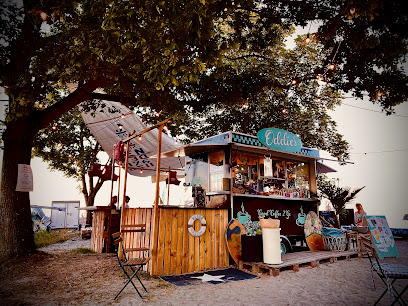
Oddies Beach Bar
2.8 km
Relaxed beach bar on the sand at Rungsted Havn, blending Nordic coastal charm with a hint of tropical island mood and sweeping Øresund sea views.
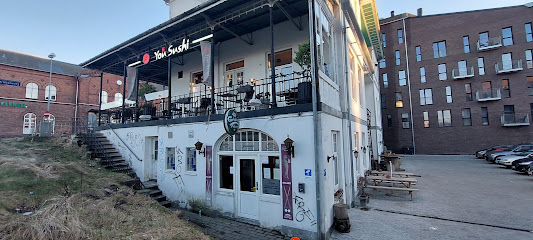
Jernstangen
13.3 km
Old-school Hillerød pub opposite the station, with billiards, darts, dice games and live music nights in a laid‑back, locals-first atmosphere.
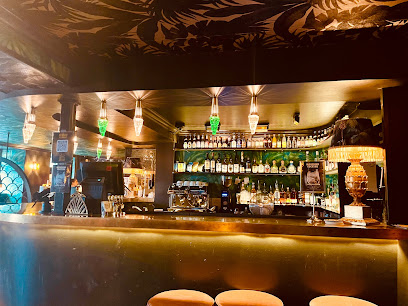
Crane Brothers
13.7 km
Cosy cocktail bar on Hillerød’s main square, blending inventive drinks, warm design and a relaxed, grown-up atmosphere with access to the adjacent Tahonga Lounge.
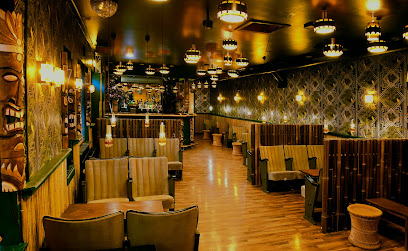
Tahonga Lounge
13.7 km
Intimate tiki-style lounge bar off Hillerød’s central square, blending cocktails, small-stage events and private parties in a cozy tropical hideaway.
The Old Irish Pub
13.8 km
Lively Irish-style bar and late-night dance venue on Hillerød’s central square, pouring pints, playing hits and catering to a sociable, mature party crowd.
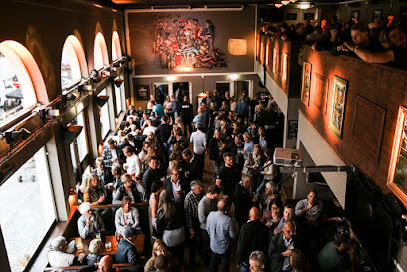
Møllen
14.1 km
A welcoming Danish bodega in Hillerød's heart, where locals gather for drinks, snacks, and authentic social connection.
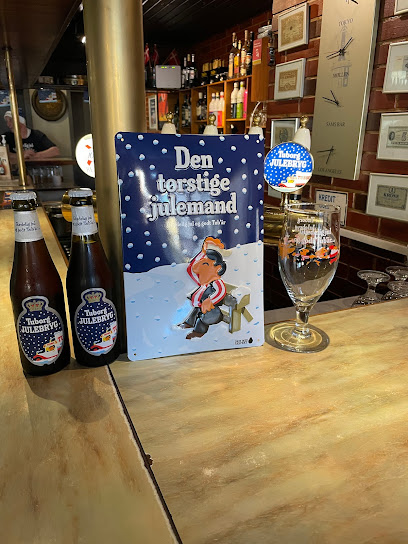
Kardusen
16.6 km
Casual wine bar in central Helsingør offering relaxed evenings and accessible pricing.
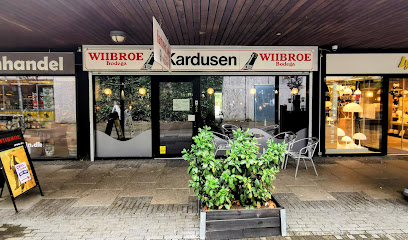
Head/Foam
18.6 km
Modern neighbourhood bar near Helsingør’s historic centre, pouring craft beer and cocktails from midday to the early hours in a lively, social setting.
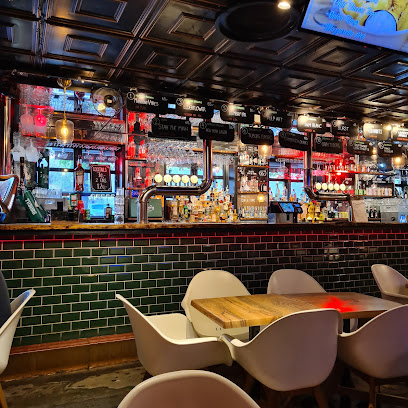
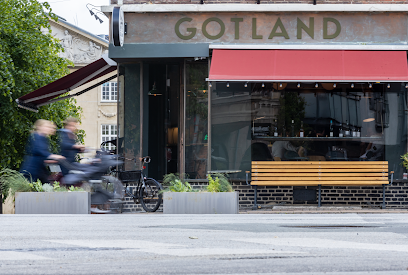
Gotland - Café & Vinbar
18.7 km
Experience the perfect blend of fine wines and cozy café atmosphere at Gotland - Café & Vinbar in Copenhagen.
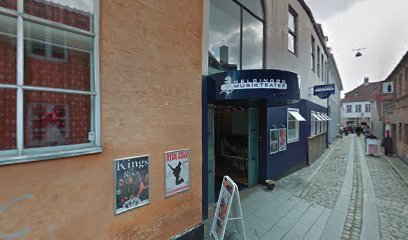
Helsingør Musikteater
18.8 km
Historic theatre and bar hosting live concerts, exhibitions, and dinner events in central Elsinore.
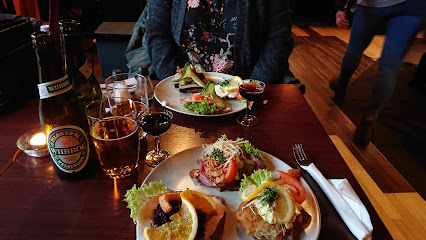
Strandborg
18.9 km
Waterfront bar and restaurant where Helsingør's harbor views meet casual Nordic dining and evening social scene.
Banana joe
18.9 km
Compact late-night bar above Helsingør’s nightlife strip, serving straightforward drinks, warm lighting and a relaxed local vibe long after the streets quieten.
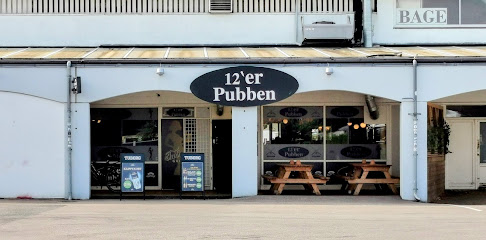
12`er Pubben
18.9 km
Unpretentious neighborhood bodega in Helsingør with billiards, sports on TV and cold beers, offering an authentic slice of Danish local bar life.
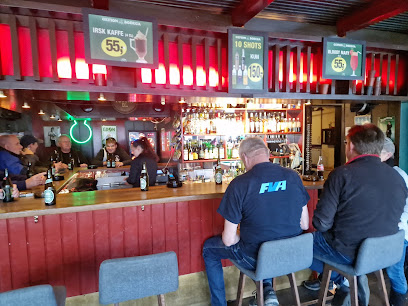
Gefion Bodega
19.0 km
Unpretentious neighbourhood bar in Helsingør offering classic Danish bodega atmosphere, simple drinks and a relaxed glimpse into everyday local life.
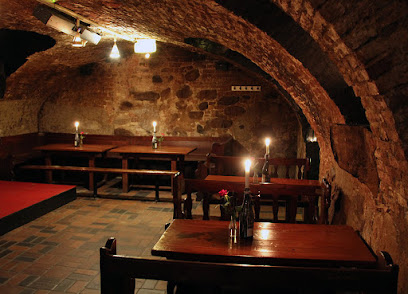
Holger
19.0 km
Cozy cellar bodega on Helsingør’s Stengade, pouring inexpensive beers and spirits, with live music nights and a laid-back local crowd deep into the night.
Nightclubs & after hour spots

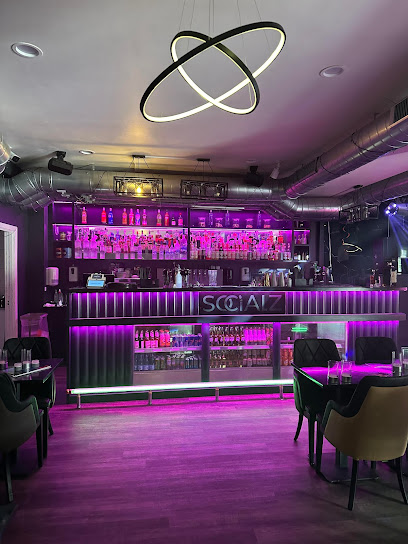
Socialz
14.1 km
Intimate cocktail bar and nightclub in the heart of Hillerød, blending shisha lounge vibes, late-night DJ sets and a compact dance floor on lively Slotsgade.
Walther's grillkylling og svuppeklub
16.9 km
Intimate neighborhood nightclub in Helsingør with loud music, simple drinks, and a playful local vibe behind an unassuming facade on Rødegårdsvej.

Rustik
18.6 km
Helsingør's premier weekend nightclub with craft cocktails and high-energy dancing until dawn.
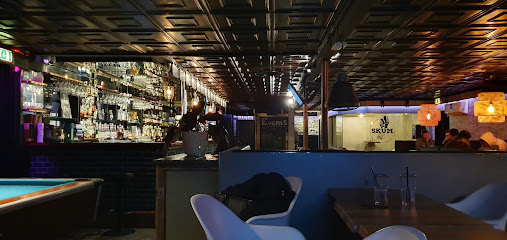
Retro
18.9 km
High-energy weekend nightclub in central Helsingør, mixing big-room beats, bright lights and a young crowd in what calls itself the largest club north of Copenhagen.
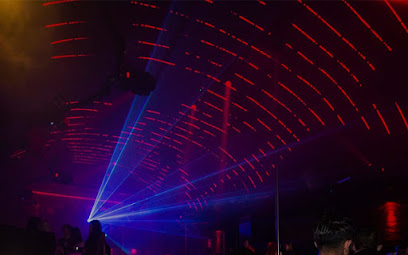
SIGURD CPH
19.5 km
Discover the pulse of Copenhagen's nightlife at SIGURD CPH, where vibrant dancing, fine wines, and pachinko gaming come together for an unforgettable experience.
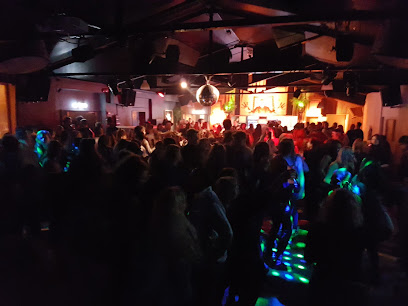
Afrobeat Palace Nightclub
19.6 km
Discover the energetic Afrobeat Palace Nightclub in Copenhagen, where music, dance, and multicultural vibes unite for an unforgettable nightlife experience.
RUST Natklub
20.9 km
Discover the pulsating heart of Copenhagen's nightlife at RUST Natklub, where eclectic beats and vibrant energy come together for an unforgettable experience.

Temple Bar
21.0 km
Discover the energetic vibe of Temple Bar in Nørrebro, Copenhagen, where great drinks and lively entertainment meet.
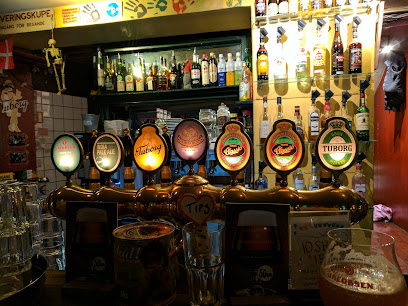
Falafelberg
21.1 km
Discover the pulsating nightlife of Frederiksberg at Falafelberg, a night club offering delicious falafel and electrifying music for an unforgettable experience.
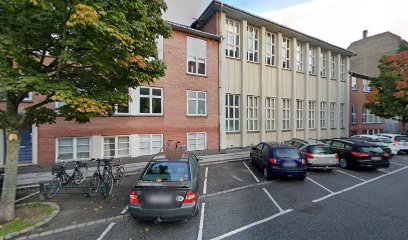
Culture Box
21.7 km
Discover the heartbeat of Copenhagen's nightlife at Culture Box, where music, art, and dance create an unforgettable experience.
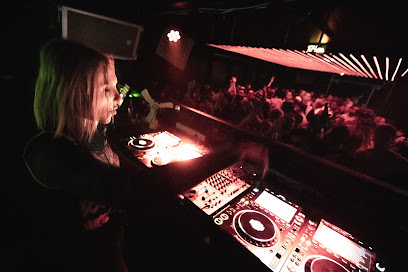
Moon Club
21.9 km
Discover the pulsating nightlife of Copenhagen at Moon Club, where electrifying beats and vibrant energy create unforgettable nights.
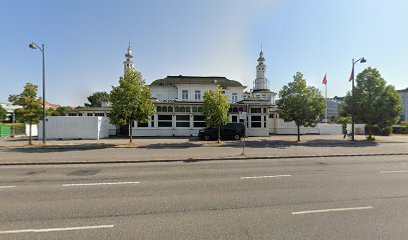
Mirage
22.0 km
Dive into the electrifying nightlife at Mirage, Copenhagen's premier night club for an unforgettable evening of music, dancing, and entertainment.

Arch
22.1 km
Discover the vibrant nightlife of Copenhagen at Arch, a premier night club offering electrifying music and an unforgettable atmosphere.

Mini Bar
22.1 km
Discover the vibrant nightlife of Copenhagen at Mini Bar, a premier night club offering eclectic tunes and a lively atmosphere for unforgettable nights.
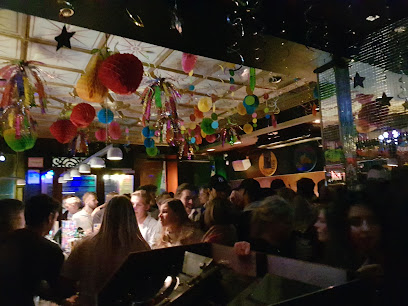
The Zoo
22.2 km
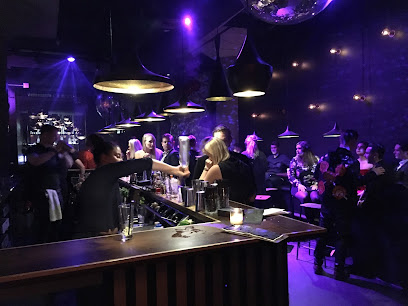
Intimate late-night nightclub on Sværtegade in Copenhagen’s historic center, blending a compact dance floor, DJ-driven beats and a casual, social bar atmosphere.
For the vibe & atmosphere seeker
- Scenic
- Tranquil
- Romantic
- Unique
For the design and aesthetic lover
- Vintage Styles
- Rustic Designs
For the architecture buff
- Historic
- Parks & Gardens
- Landmarks
For the view chaser and sunset hunter
- Panoramas
- Iconic Views
For the social media creator & influencer
- Photo Spots
- Instagrammable
- Architectural Shots
For the eco-conscious traveler
- Protected Area
- Public-Transport Accessible
- Car-Free Access
- Locally Managed
For the kind of experience you’re after
- Cultural Heritage
- Myth & Legends
- Photowalk
- Nature Escape
- Day Trip
For how adventurous you want the journey to be
- Easy Access
- Wheelchair Access
Location Audience
- Family Friendly
- Senior Friendly
- Pet Friendly
- Solo Friendly
- Couple Friendly
- Wheelchair Access


