
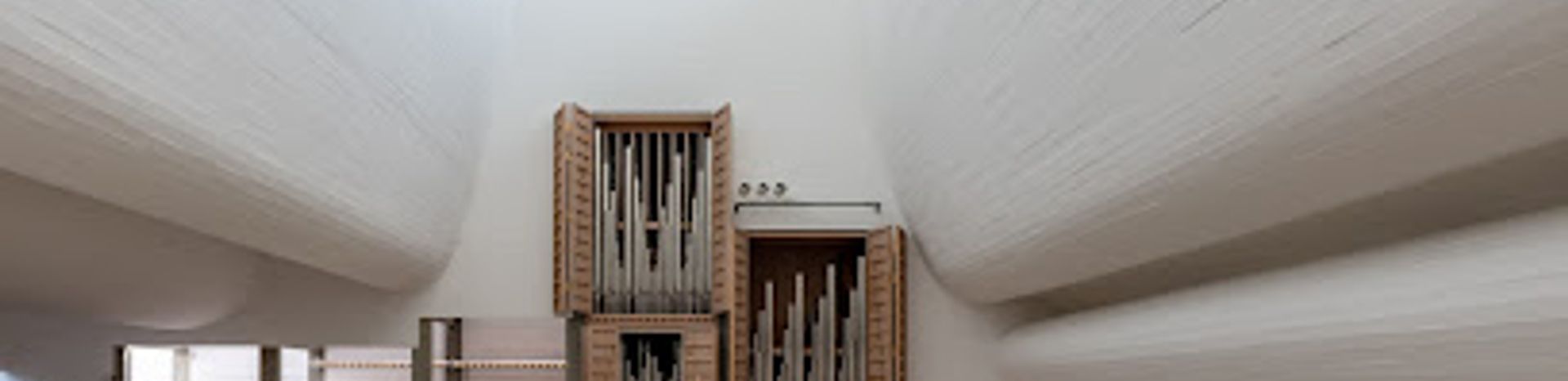
Bagsværd Kirke (Bagsværd Church)
A modest suburban shell concealing Jørn Utzon’s luminous “cloud” church, where Nordic minimalism, sculpted concrete and tranquil courtyards create a serene urban sanctuary.
Bagsværd Kirke, tucked into a quiet suburb north of Copenhagen, is a striking Lutheran church by architect Jørn Utzon, famed for the Sydney Opera House. Completed in 1976, its plain, factory-like exterior of white concrete and aluminium hides an ethereal, light-filled sanctuary with cloud-like vaulted ceilings, calm courtyards and long, glazed corridors. More than a place of worship, it’s a landmark of modern Scandinavian design and a serene architectural pilgrimage.
A brief summary to Bagsværd Kirke
- Taxvej 16, Bagsværd, 2880, DK
- +4544984141
- Visit website
- Duration: 0.5 to 1.5 hours
- Free
-
 Indoor
- Mobile reception: 5 out of 5
Local tips
- Plan your visit for late morning or early afternoon on an open day, when the high clerestory windows and glazed corridors deliver the most dramatic, sculpted daylight.
- Check ahead for service times and events; access to the main sanctuary can be restricted during ceremonies, but staff are usually happy for quiet, respectful visitors.
- Allow time to walk the full circuit of corridors and courtyards rather than only the nave; the shifting interplay of light, tiles and birch trees is central to Utzon’s concept.
- Bring a camera with a wide-angle lens if you enjoy architecture photography; the cloud-like concrete vaults and geometric tile patterns reward careful composition.

For the on-the-go comforts that matter to you
- Restrooms
- Seating Areas
- Sheltered Areas
- Trash Bins
- Information Boards
Getting There
-
Regional train and walk
From central Copenhagen, take an S-train on line B towards Farum and ride to Bagsværd Station; the journey typically takes 20–25 minutes and is covered by standard two- or three-zone tickets, which usually cost around 25–40 DKK depending on your starting point and ticket type. From Bagsværd Station, it is an easy, mostly flat urban walk of about 10 minutes through residential streets to the church, suitable for most visitors and stroller-friendly.
-
Bus from northern Copenhagen districts
If you are staying in northern districts such as Lyngby or Dyssegård, several local bus routes connect to the Bagsværd area in roughly 15–30 minutes, using the same zone-based fares as the S-train, generally around 25–30 DKK for a single ticket. Buses usually run at least every 10–20 minutes during the day, but frequencies can drop in evenings and on weekends, so check departure times in advance. From the nearest bus stops on Bagsværd Hovedgade, expect a short, level walk through the neighbourhood to reach the church.
-
Taxi or ride-hail within Greater Copenhagen
A taxi from Copenhagen’s inner city to Bagsværd typically takes 20–30 minutes depending on traffic, using the ring roads and main highways out of town. Fares generally fall in the range of 250–400 DKK one way, with surcharges possible in late evenings, weekends or for larger vehicles. Drop-offs can be made close to the church entrance, making this the most convenient option for travellers with limited mobility or tight schedules.
-
Cycling from central or north Copenhagen
For confident cyclists, the journey from central Copenhagen to Bagsværd usually takes 35–50 minutes along a mix of dedicated cycle paths and quieter suburban streets, mostly on flat terrain. There is no additional charge for using your own bike, and many visitors rent city bikes in Copenhagen for roughly 100–200 DKK per day depending on the provider. Be aware that weather and wind can significantly affect comfort, and use bike lights and reflective gear if travelling in early morning or late afternoon during darker months.
Bagsværd Kirke location weather suitability
-
 Any Weather
-
 Rain / Wet Weather
-
 Cold Weather
-
 Mild Temperatures
Discover more about Bagsværd Kirke
A suburban church with global architectural stature
Bagsværd Kirke sits on a modest plot in a residential corner of Bagsværd, far from Copenhagen’s headline monuments yet firmly on the map for architecture lovers. Designed in the late 1960s by Danish architect Jørn Utzon and completed in 1976, it was his first major Danish work after the Sydney Opera House. From the street it looks almost industrial: a low, rectilinear volume clad in white prefabricated concrete panels and pale tiles, capped with a grey aluminium roof. This unassuming profile is deliberate. Utzon conceived the building as a quiet neighbour to the surrounding houses and birch trees, letting its true drama unfold only once you step inside. The church is Lutheran, serving the local parish, but its influence far exceeds its parish boundaries, often cited in architectural circles as a masterpiece of late 20th‑century religious design.Inside the cloud: light, vaults and calm
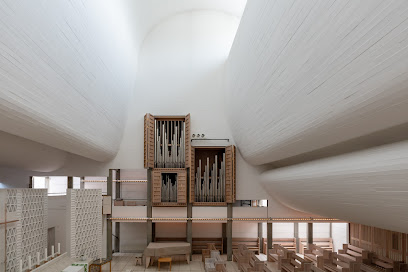
The real revelation is the main sanctuary. Here, Utzon poured white concrete into flowing, shell-like vaults that billow overhead like a ceiling of passing clouds. High clerestory windows draw daylight in along the crest of these curves, then soften it as it slides down the undulating surfaces. The effect is both sculptural and deeply atmospheric, bathing the space in a cool, shifting glow. Beneath this canopy, simple wooden pews, pale floor tiles and a delicate screen behind the altar keep the focus on volume and light rather than decoration. There is no stained glass spectacle or heavy ornamentation; the architecture itself carries the spiritual mood. Even when empty, the nave feels intimate rather than grand, inviting quiet reflection as much as formal worship.Courtyards, corridors and Eastern inspirations
Beyond the sanctuary, Bagsværd Kirke reveals a more intricate plan of corridors, side rooms and small courts. The building’s long, linear passages are topped with glass sections that pull daylight deep into the interior, creating luminous walkways that connect the church hall, offices and meeting spaces. Integrated courtyards punctuate this plan, sheltered pockets edged by white walls and birch trees. Utzon drew inspiration from Chinese Buddhist temple complexes, where sequences of rooms and open spaces encourage a gentle rhythm of movement and pause. Here, that logic has been translated into a distinctly Nordic palette of concrete, light wood and quiet planting, making the church as much a contemplative campus as a single hall.Craft details and Utzon family touches
Look closely and the stark material palette reveals considerable care. White tiles are precisely aligned, joints forming subtle patterns across the facades. Inside, the junctions between the curved roof and straight walls are finely resolved, the concrete surfaces left honest but carefully finished. The four bells, cast in the Netherlands, hang in a modest tower, their sound a restrained counterpoint to the visual drama within. Textiles and artworks add restrained colour. The altar carpets and certain decorative elements were created by Utzon’s daughter, artist Lin Utzon, echoing the building’s curves in woven form. The overall impression is of a total work of art, where architecture, furnishings and liturgical objects are conceived as a single composition rather than a collection of parts.A living church and a quiet design pilgrimage
Despite its international reputation, Bagsværd Kirke remains first and foremost a working parish church, hosting regular services, baptisms, weddings and community events. At the same time, it welcomes a steady trickle of students, architects and curious travellers who come to experience its unique interior. Opening hours for casual visitors are typically limited to daytime slots on selected days, and parts of the complex may be in use for church activities. For visitors, the experience is less about spectacle than about atmosphere: the way footsteps sound on tile, how the light changes over the course of a day, and how the cloud-like vaults seem to hover overhead. In a country known for its human-scaled design, this modest suburban church encapsulates Denmark’s ability to make modern architecture both experimental and deeply humane.Iconic landmarks you can’t miss

Bagsværd Kirke
0.0 km
A modest suburban shell concealing Jørn Utzon’s luminous “cloud” church, where Nordic minimalism, sculpted concrete and tranquil courtyards create a serene urban sanctuary.
Lyngby Storcenter
3.9 km
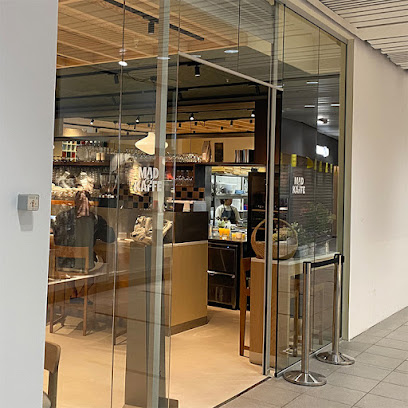
Discover a world of shopping and dining at Lyngby Storcenter, one of Denmark's largest malls, offering a vibrant mix of international brands and local favorites in the heart of Kongens Lyngby.
Furesø
4.0 km
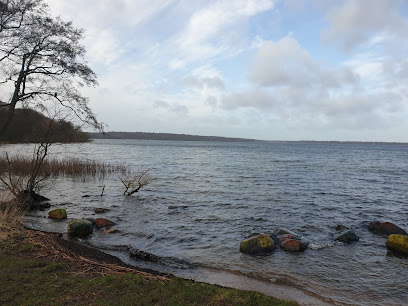
Denmark's deepest lake offers pristine waters, historic heritage, and year-round outdoor adventures just 20 km from Copenhagen.
Grundtvig’s Church
7.5 km
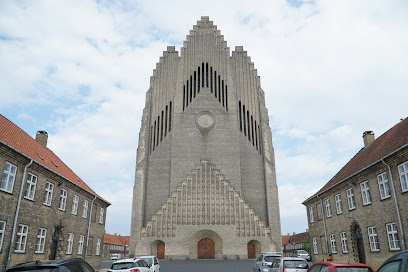
A monumental brick cathedral of Nordic minimalism and light, Grundtvig’s Church fuses expressionist form with Gothic scale on a quiet Copenhagen hillside.
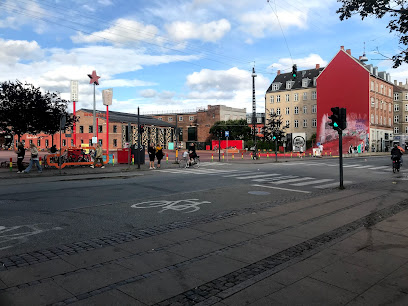
The Red Square
9.3 km
A striking, modern city square in Nørrebro, where bold Danish design meets global cultures, street art, and vibrant local life in Copenhagen’s most diverse borough.
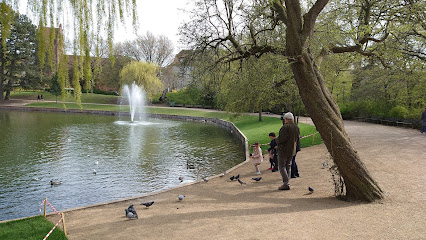
Kildevældsparken
9.3 km
Experience a slice of authentic Copenhagen life at Kildevældsparken, Østerbro’s serene neighborhood park with a charming pond and lush greenery.
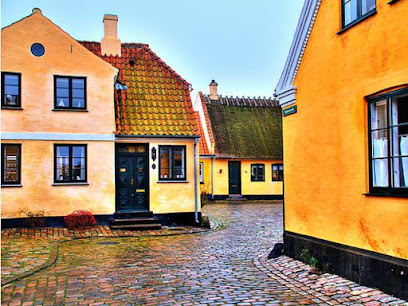
Copenhagen This Way / Koebenhavnerture.dk
9.8 km
Experience Copenhagen’s only Russian Orthodox church, where golden onion domes and vibrant frescoes highlight an extraordinary cultural and architectural landmark.
Fælledparken
10.2 km
Copenhagen’s largest and most beloved city park, Fælledparken offers a dynamic blend of green tranquility, local culture, sports, and major city events in Østerbro.
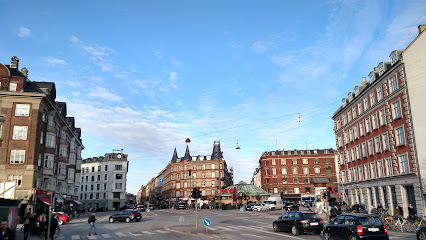
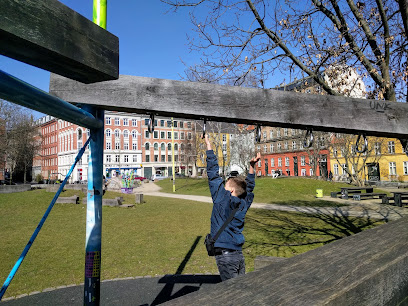
The Tower Playground
10.7 km
Award-winning Copenhagen playground where kids explore & climb miniature city towers; centrally located in Fælledparken with family-friendly facilities.
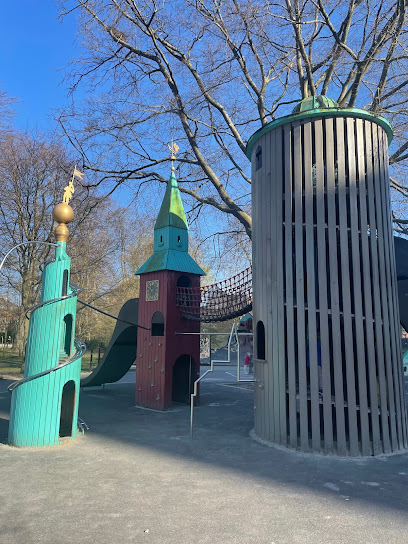
Møstings Hus
10.7 km
Explore contemporary art in a historic neoclassical villa at Møstings Hus, Frederiksberg's cultural gem.
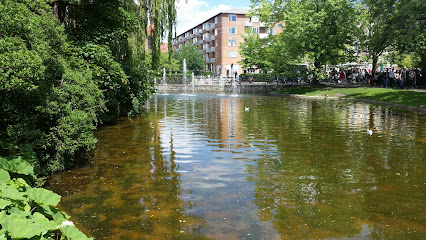
Frederiksbergmuseerne
10.7 km
Explore Frederiksberg's cultural gems: Cisternerne, Bakkehuset, STORM, and Møstings, each offering unique art and history experiences.
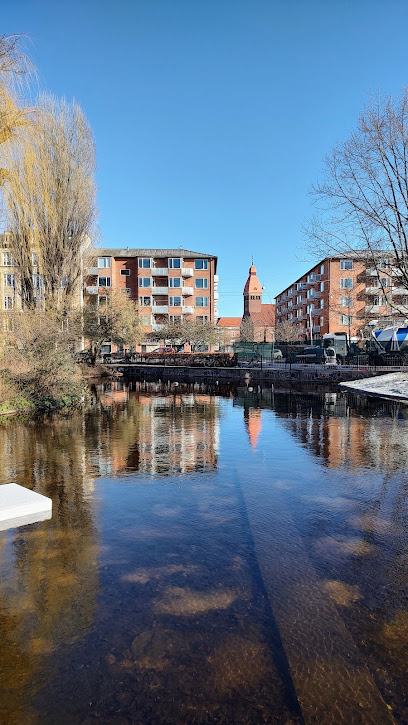
Folkets Park
10.8 km
Grassroots community spirit, creative play areas, vibrant street art, and urban oasis charm in the heart of Nørrebro’s multicultural Copenhagen.
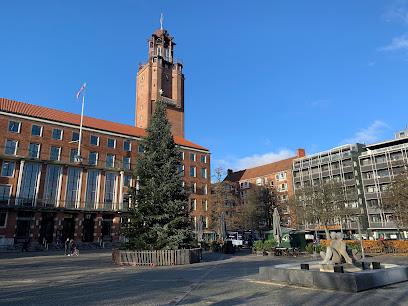
Frederiksberg Town Hall
10.8 km
Brick-clad beacon of Frederiksberg’s independence, this 1950s functionalist town hall blends civic power, mid‑century Danish design and views across leafy Copenhagen.
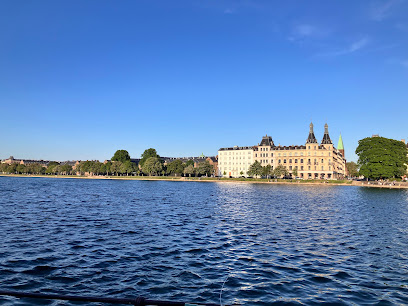
The Lakes in Copenhagen
11.1 km
Explore the serene beauty of The Lakes in Copenhagen, a captivating blend of nature and city life, perfect for relaxation and picturesque views.
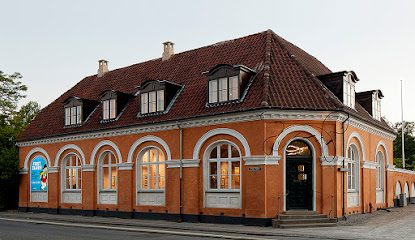
Storm P. Museum
11.2 km
Delve into the world of Danish humor and satirical art at the Storm P. Museum, where whimsical cartoons, eccentric inventions, and cultural history come alive in Frederiksberg.
Unmissable attractions to see

Lake Bagsværd
1.6 km
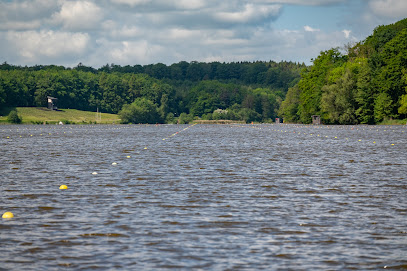
Long, tranquil lake on Copenhagen’s northern fringe, where everyday walks, picnics and wildlife share the shoreline with a world-class rowing course.
Sophienholm
1.7 km
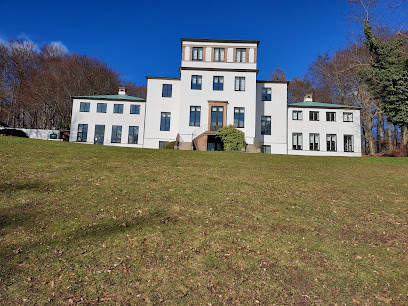
Historic country house turned lakeside art hall, where contemporary exhibitions, a romantic English‑style park and a cosy café meet just north of Copenhagen.
Klopstocks eg
2.4 km
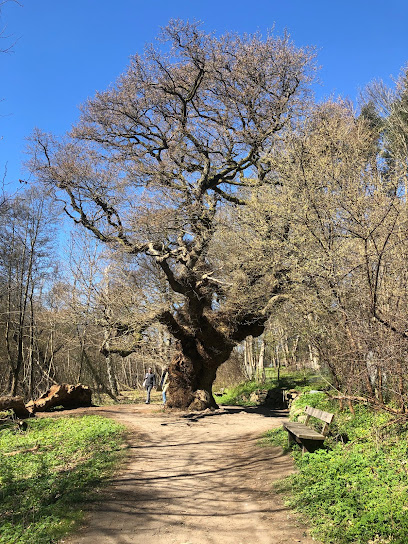
Discover Store Dyrehave in North Zealand: a historic royal deer forest with unique star-shaped paths, tranquil wildlife, and lush woodlands perfect for outdoor adventures.
Lyngby Folkepark
3.0 km
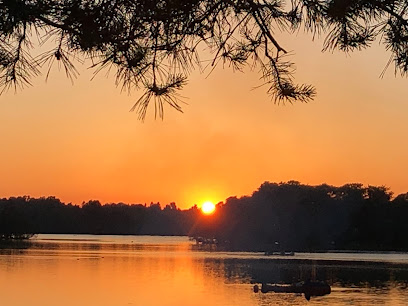
A relaxed patch of green by Lyngby Lake, where everyday walks, dog runs and quiet pauses connect suburban life with the water and woodland north of Copenhagen.
Baadfarten Boat Tour
3.5 km
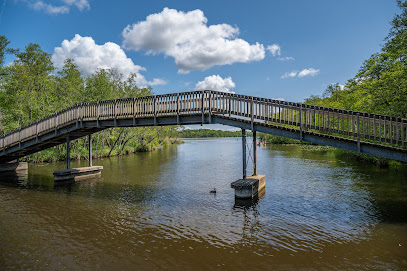
Historic wooden boats, tranquil lakes and forested shores combine on this leisurely North Zealand cruise just outside Copenhagen.
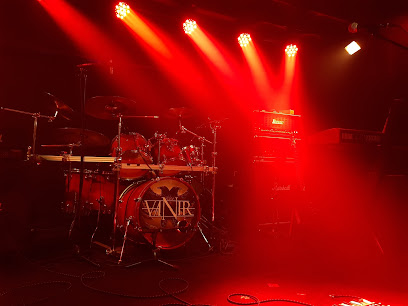
Templet
3.6 km
Intimate, no‑frills live venue in Kongens Lyngby where loud guitars, close‑up performances and a local crowd turn a modest room into a night of amplified energy.
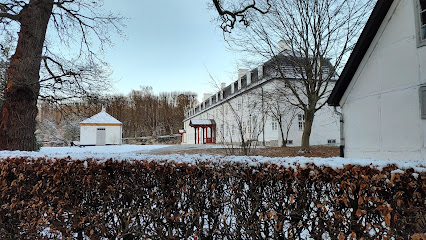
Mindebænk for Viggo Stuckenberg
3.8 km
A modest stone-framed bench in Sorgenfri Slotshave, offering a quiet, poetic pause where Viggo Stuckenberg once found inspiration amid royal parkland.
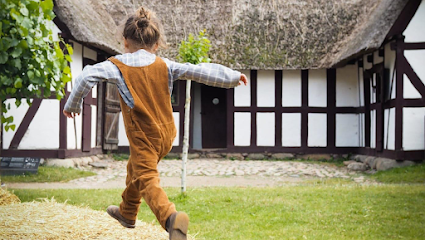
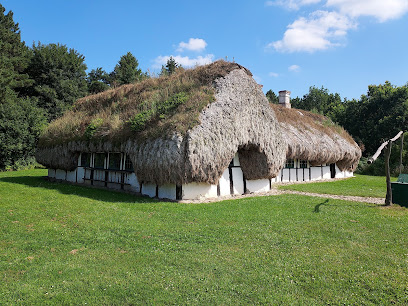
The Open Air Museum
3.9 km
Step into 300 years of rural Danish life among thatched farms, windmills, animals and gardens in one of the world’s largest historic open‑air museums.
Open Air Museum
4.8 km
One of the world’s largest open‑air museums, Frilandsmuseet gathers centuries of Danish rural life into a single village of farms, mills, animals and gardens.
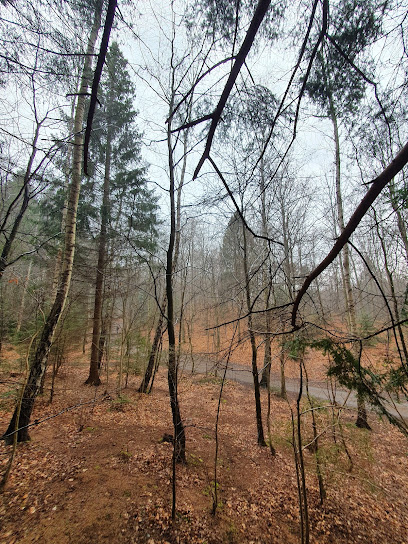
Geels Skov
5.5 km
An accessible Copenhagen-edge woodland of beech trees, clear trails and cosy fire pits, Geels Skov is where everyday life slips easily into fresh-air forest time.
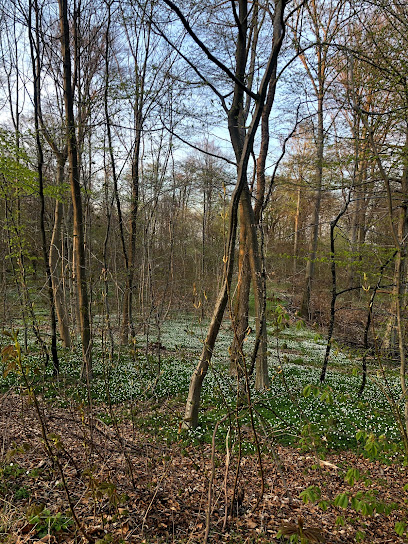
Fiskebæk Naturskole
5.7 km
Rustic forest school and shelter camp on the edge of Værløse, where crackling campfires, simple shelters and tall trees turn everyday nature into an easy escape.
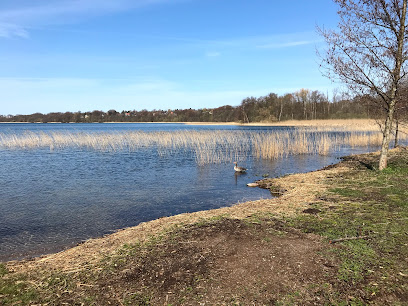
Søndersø
6.1 km
A calm forest-rimmed lake on the edge of Værløse, offering easy paths, soft water views and an everyday slice of Danish outdoor life close to Copenhagen.
Farum Lake
6.9 km
A tranquil woodland lake looped by a 10 km trail, rich in birdlife, legends and gentle outdoor adventures just northwest of Copenhagen.
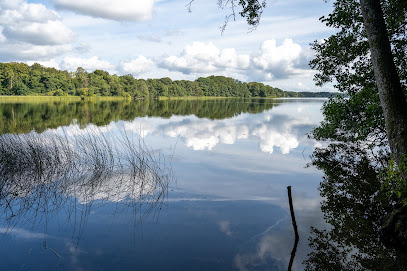
Vaserne
7.2 km
Sheltered between Birkerød and Sjælsø, Vaserne is a protected wetland reserve of reeds, swamp forest and bird-filled lakes offering quietly immersive nature on the city’s edge.
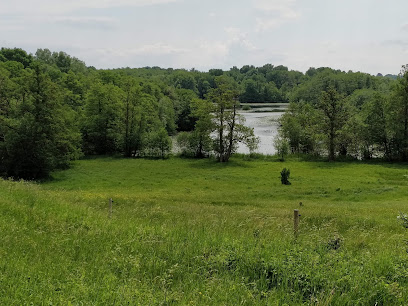
Ordrupgaard
7.4 km
A historic country house turned art museum, where French masters, Danish classics, bold contemporary architecture, and a sculpture-filled park meet in leafy Charlottenlund.
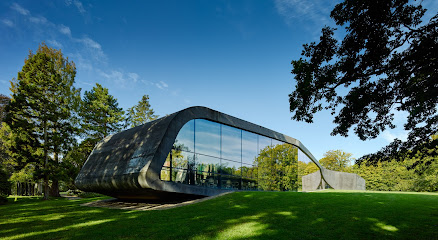
Essential places to dine

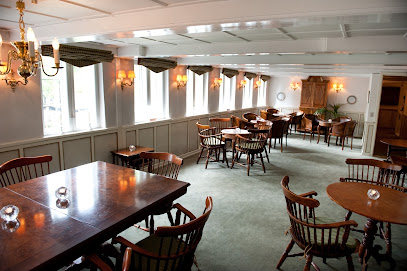
Søllerød Kro
6.6 km
Historic thatched Danish inn turned Michelin-starred dining destination, where refined French-inspired cuisine, deep wines and warm village charm meet by a tranquil pond.
Cafe 33
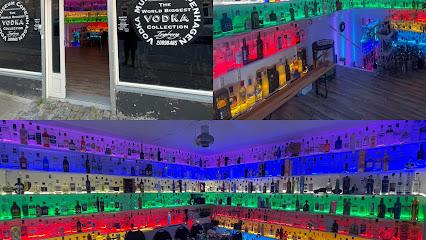
8.2 km
Explore the rich heritage of vodka at Cafe 33's unique Vodka Museum in Vanløse.
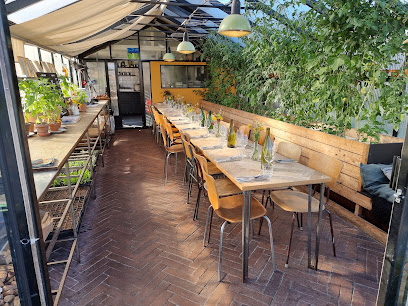
Gro Eatery
9.4 km
Experience modern Nordic cuisine in an urban rooftop farm setting at Gro Eatery, where seasonal tasting menus and city views meet Danish sustainability in Østerbro.
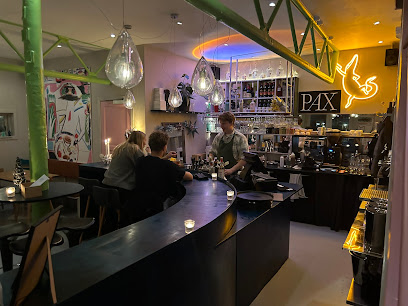
PAX
10.0 km
Experience innovative Italian-inspired cuisine in the heart of Østerbro at PAX, where a dynamic menu and cozy ambiance await.
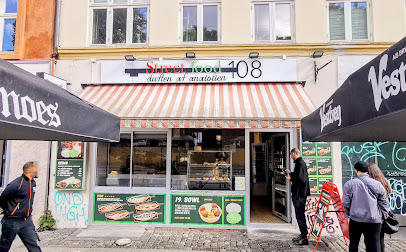
Street Food 108
10.1 km
Experience authentic Turkish cuisine at Street Food 108 in Copenhagen's vibrant Nørrebro district - a delightful taste adventure awaits!
Café Lindevang
10.1 km
A beloved Frederiksberg institution, Café Lindevang serves up hearty Danish classics and authentic smørrebrød in cozy, vintage surroundings steeped in local charm.
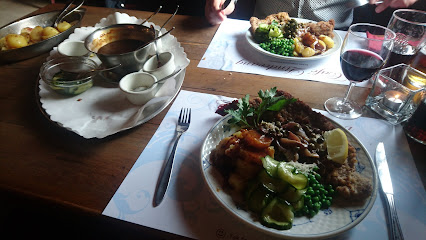
Gaarden & Gaden
10.3 km
Discover Gaarden & Gaden, a stylishly laid-back bistro in Nørrebro, Copenhagen, serving inventive local cuisine and natural wines in a warm, communal setting.
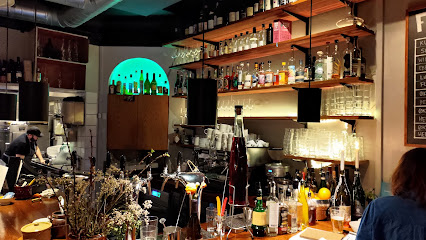
Geranium
10.3 km
Geranium offers a world-class New Nordic tasting experience in Copenhagen, uniting innovative Scandinavian cuisine, sustainable luxury, and panoramic city views.
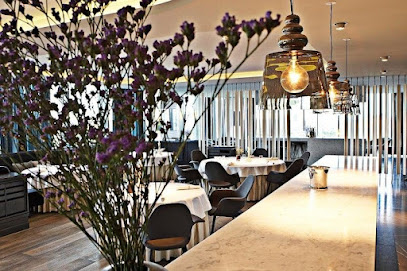
Bæst
10.4 km
Experience Nørrebro’s celebrated Bæst, where organic Italian pizzas and in-house charcuterie meet Scandinavian sustainability and vibrant Danish hospitality.
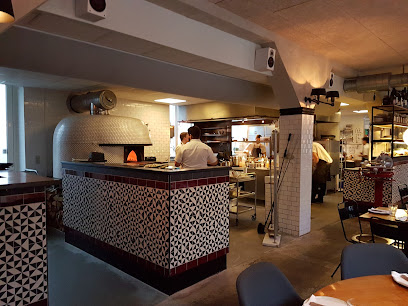
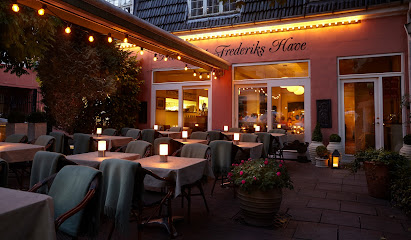
Restaurant Frederiks Have
10.5 km
Frederiksberg’s cherished fine dining hub, blending Nordic tradition with modern cuisine in a welcoming, neighborhood setting—perfect for an authentic Danish gastronomic experience.
Aroii - Nørrebro
10.5 km
Savor inventive Asian fusion cuisine in lively Nørrebro, where Aroii delivers creative Thai-inspired plates and vibrant ambiance in one of Copenhagen’s buzziest districts.
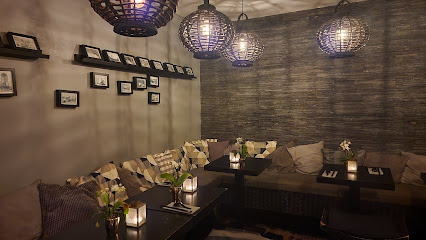
Kiin Kiin
10.5 km
Michelin-starred Thai restaurant in Copenhagen’s Nørrebro, offering inventive tasting menus and modern fine dining that blend Southeast Asian flavors with Nordic influences.
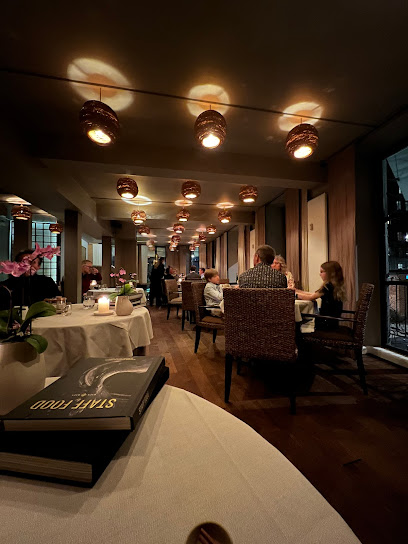
Restaurant Madklubben Østerbro
10.5 km
Enjoy approachable modern Danish cuisine and vibrant local life in the stylish heart of Østerbro at Restaurant Madklubben, where good food and great company meet.
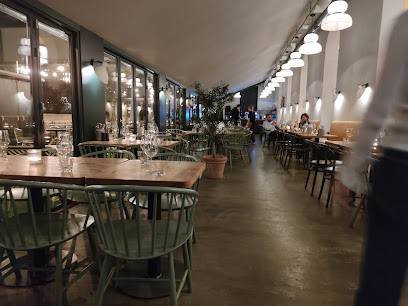
JATAK
10.6 km
Intimate Nørrebro dining where New Nordic produce meets the bold, personal Asian flavors of chef Jonathan Tam in a calm, minimalist Michelin-starred setting.
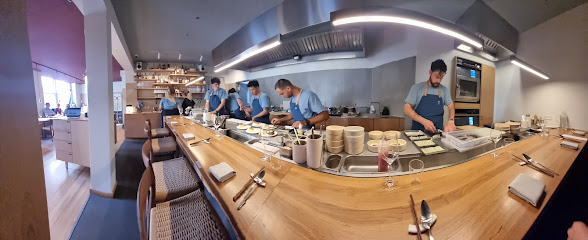
Hooked Nørrebro
10.6 km
Discover fresh seafood delights at Hooked Nørrebro in Copenhagen - a culinary gem celebrating local flavors in a vibrant setting.
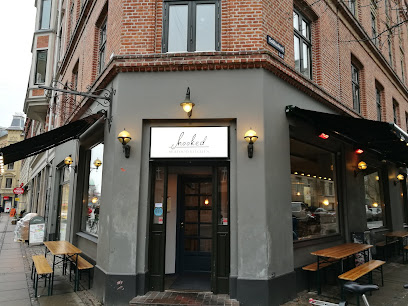
Markets, malls and hidden boutiques

The Late Morning Post Photographer
3.3 km
Fine art wedding and family photography studio capturing authentic moments with artistic vision and warmth.
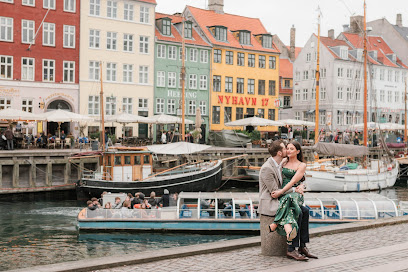
Rødovre Centrum
9.2 km
Denmark’s original modern shopping mall, blending big‑name stores, cinema and family‑friendly leisure in a spacious all‑weather hub west of central Copenhagen.
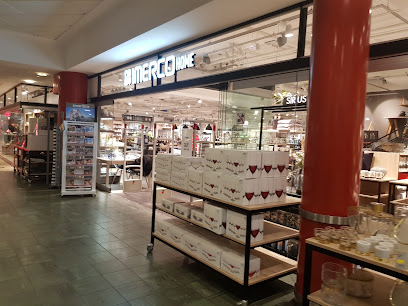
Perfectly Worn Vintage
9.8 km
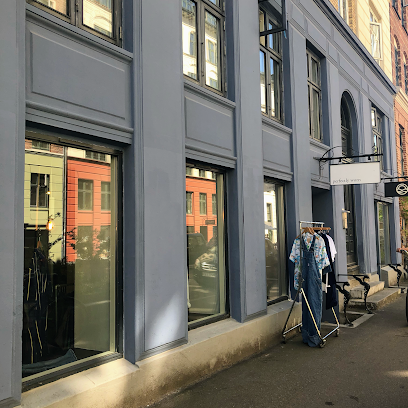
Discover handpicked vintage gems and timeless fashion in the heart of Nørrebro’s creative district at Perfectly Worn Vintage, Copenhagen’s haven for unique style.
Royal Copenhagen - Outlet
10.5 km
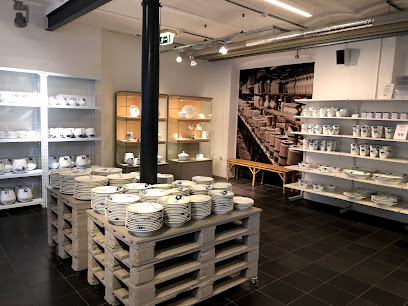
Discover Danish porcelain heritage and timeless design at discounted prices in Frederiksberg’s celebrated Royal Copenhagen Outlet, close to the city’s green heart.
Frederiksberg Centret
10.5 km
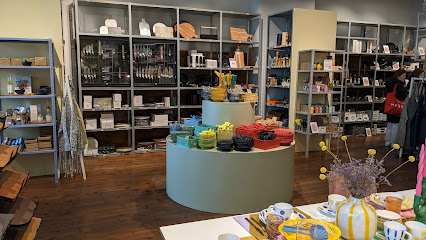
Frederiksberg Centret offers a sleek, Scandinavian shopping experience with 90+ stores, cafés, and events in the chic heart of Frederiksberg, steps from the Metro.
PRAG Nørrebro
10.8 km
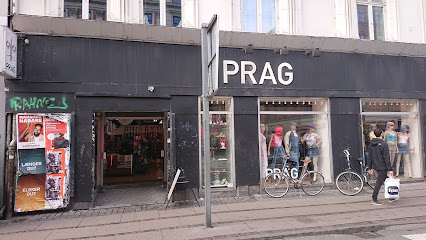
PRAG Nørrebro offers a curated vintage shopping experience surrounded by the eclectic energy and cultural vibrancy of Copenhagen’s trendsetting district.
Red Cross Op Shop
10.9 km
A vibrant Østerbro thrift store where sustainable shopping, Danish design, and community spirit support Red Cross humanitarian work.
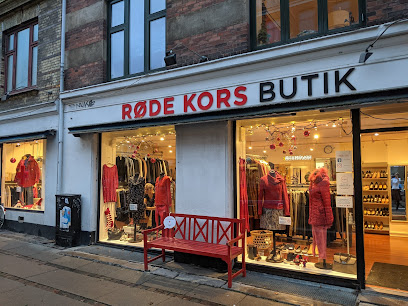
Butik Bungalow
11.0 km
Colorful Danish-Indian design shop in Nørrebro offering hand-printed homeware, unique gifts, and stylish paper goods in a cozy, creative boutique setting.
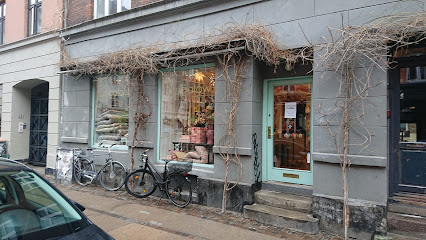
McKorman
11.1 km
Discover McKorman in Nørrebro: Copenhagen’s go-to spot for handpicked streetwear, unique vintage fashion, and urban style essentials for every wardrobe.
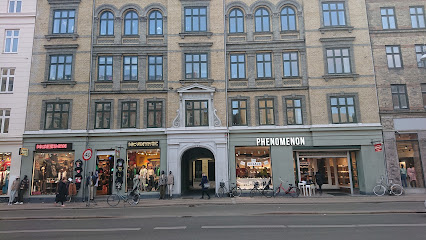
TorvehallerneKBH
11.7 km
A vibrant marketplace in the heart of Copenhagen, TorvehallerneKBH blends Danish culinary tradition with global flavors across over 60 food and drink stalls.
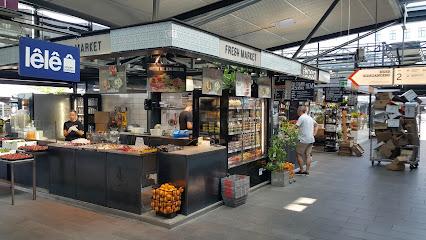
Exotic Mix
11.7 km
Gourmet nuts, dried fruits and chocolate dragées from around the world, served from a colourful family‑run stall inside Copenhagen’s Torvehallerne market.
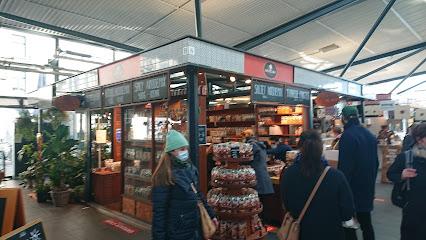
Værnedamsvej
11.8 km
Copenhagen’s beloved Parisian-style street, brimming with independent shops, cafés, wine bars, and Scandinavian charm between vibrant Vesterbro and Frederiksberg.
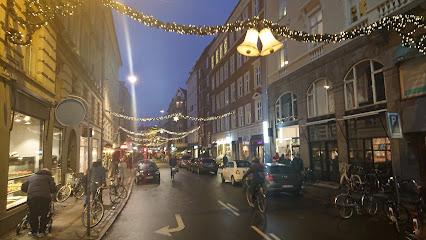
Copenhagen Souvenir & Design World of Memories
11.9 km
Denmark's largest souvenir destination with 2,000+ authentic gifts celebrating Danish design, heritage, and iconic landmarks.
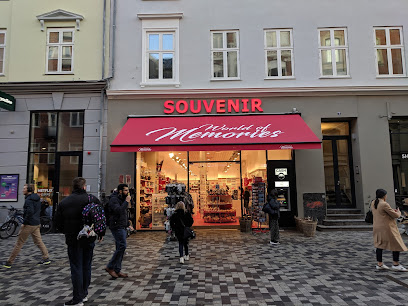
Artikel København
11.9 km
Family-run Copenhagen atelier where timeless, unisex garments are designed, cut and sewn in an open workshop on historic Gammel Kongevej.
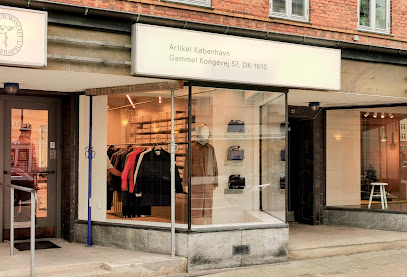
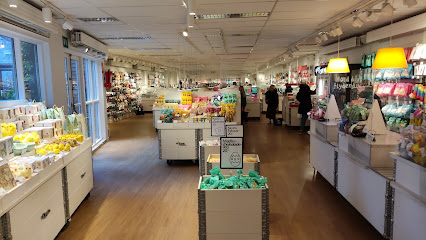
Flying Tiger Copenhagen
12.0 km
Compact, colorful and full of playful Danish design, this Vesterbrogade shop turns everyday essentials, gifts and games into a fun, low-cost treasure hunt.
Essential bars & hidden hideouts

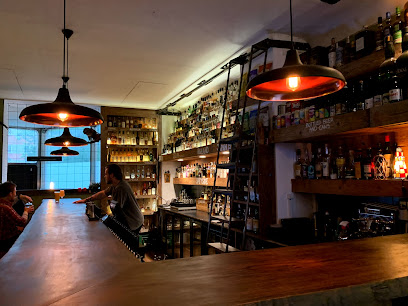
Dispensary, Whisk(e)y And Beer
9.5 km
Discover the heart of Copenhagen's nightlife at Dispensary, Whisk(e)y And Beer, where craft beers and fine whiskies await in a vibrant atmosphere.
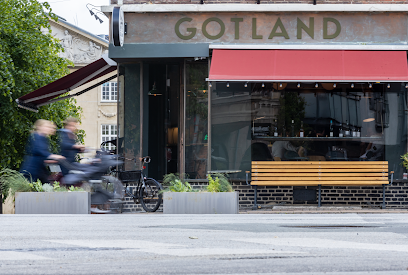
Gotland - Café & Vinbar
10.0 km
Experience the perfect blend of fine wines and cozy café atmosphere at Gotland - Café & Vinbar in Copenhagen.
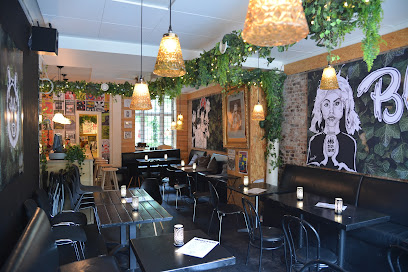
Skovbar
10.1 km
Small, punk-spirited and queer-friendly bar in Nørrebro with vegan drinks, inclusive vibes and intimate music nights at budget-friendly prices.
Kompasset Ølbar
10.2 km
Experience Copenhagen's nightlife at Kompasset Ølbar, a vibrant bar in Østerbro known for its craft beers and inviting atmosphere.
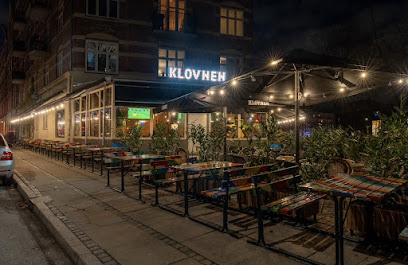
Klovnens Bodega
10.3 km
Discover the heart of Nørrebro at Klovnens Bodega, a cozy pub offering a delightful atmosphere and a taste of local culture.
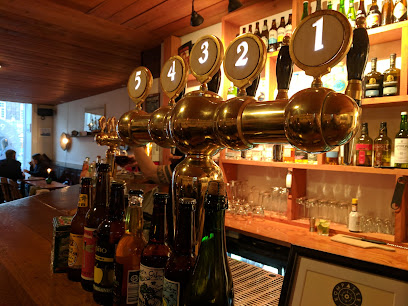
Frederiksberg Ølbar
10.3 km
Experience the best of Denmark's brewing heritage at Frederiksberg Ølbar, a cozy bar with a fantastic selection of local craft beers.
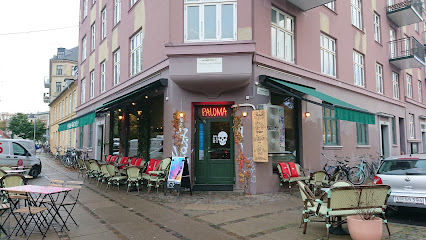
Paloma Vermuteria
10.3 km
Mediterranean vermut culture meets Nordic hospitality in Copenhagen's creative heart.
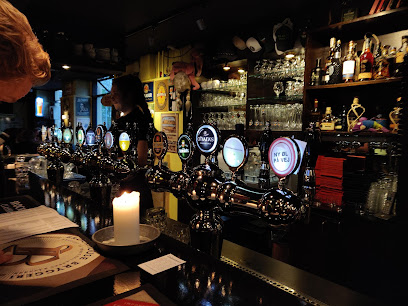
BRUS
10.5 km
Discover the best craft beers and seasonal dishes at BRUS, Copenhagen's top brewpub for foodies and beer lovers alike.
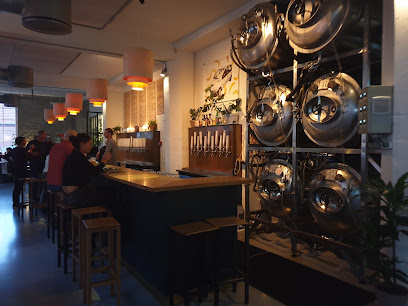
Bubbles Bar
10.5 km
Discover the vibrant atmosphere and exquisite cocktails at Bubbles Bar, Copenhagen's chic nightlife destination for tourists and locals alike.
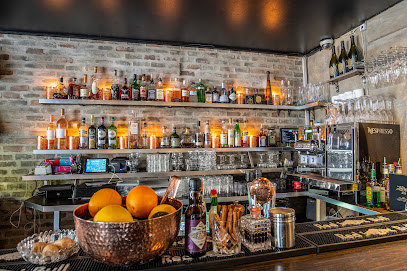
Tap10
10.5 km
Experience the vibrant nightlife of Copenhagen at Tap10, a cozy bar in Østerbro offering exquisite drinks and a lively atmosphere.
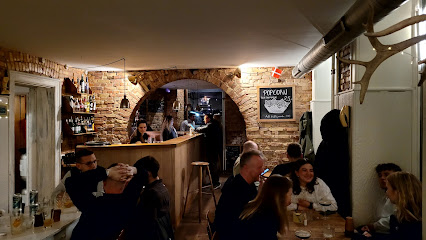
The Mudhoney
10.6 km
Discover The Mudhoney, a stylish cocktail bar in Copenhagen, blending coffee shop charm with expertly crafted cocktails for a perfect night out.
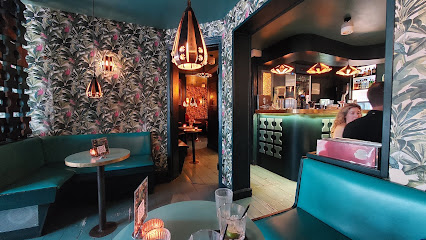
Bootleggers Craft Beer Bar - Frederiksberg
10.6 km
Experience the craft of brewing at Bootleggers Craft Beer Bar, Frederiksberg's premier destination for beer lovers with an extensive selection and vibrant atmosphere.
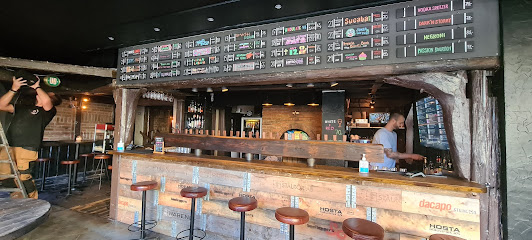
Gensyn Bar
10.6 km
Experience the vibrant nightlife of Frederiksberg C at Gensyn Bar, known for its innovative cocktails and inviting atmosphere.
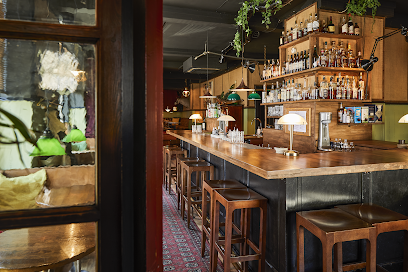
Ølbaren
10.8 km
Experience the heart of Copenhagen’s beer culture at Ølbaren, a cozy bar with an extensive selection of craft brews and vibrant atmosphere.
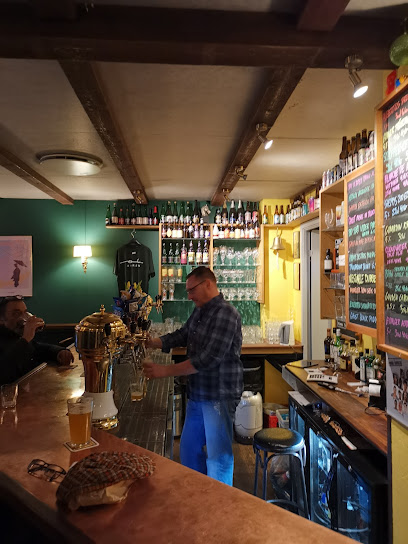
PULP bar
10.8 km
Experience the vibrant nightlife of Copenhagen at PULP Bar, where expertly crafted cocktails meet a lively atmosphere.
Nightclubs & after hour spots

Afrobeat Palace Nightclub
8.8 km
Discover the energetic Afrobeat Palace Nightclub in Copenhagen, where music, dance, and multicultural vibes unite for an unforgettable nightlife experience.
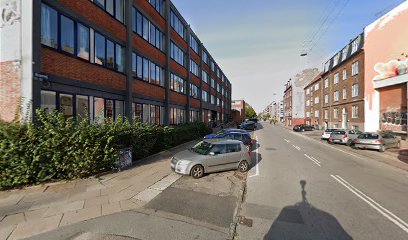
SIGURD CPH
9.5 km
Discover the pulse of Copenhagen's nightlife at SIGURD CPH, where vibrant dancing, fine wines, and pachinko gaming come together for an unforgettable experience.
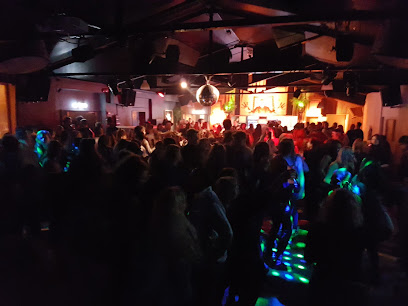
Falafelberg
9.9 km
Discover the pulsating nightlife of Frederiksberg at Falafelberg, a night club offering delicious falafel and electrifying music for an unforgettable experience.
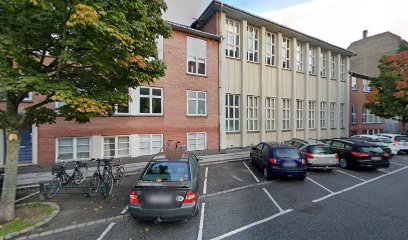
RUST Natklub
10.7 km
Discover the pulsating heart of Copenhagen's nightlife at RUST Natklub, where eclectic beats and vibrant energy come together for an unforgettable experience.
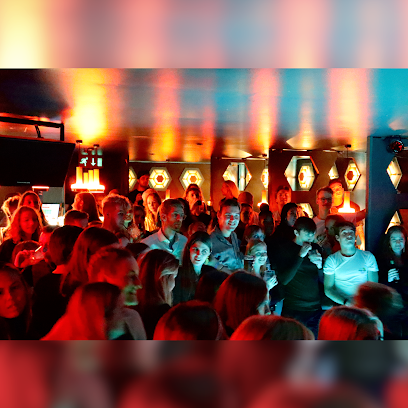
Temple Bar
10.7 km
Discover the energetic vibe of Temple Bar in Nørrebro, Copenhagen, where great drinks and lively entertainment meet.
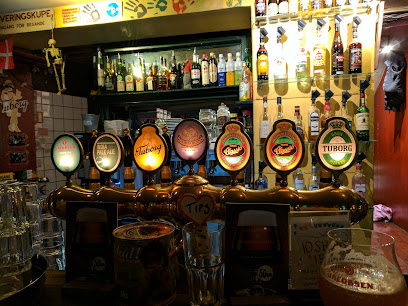
Haven - Events
11.0 km
Discover the electrifying nightlife at Haven, Frederiksberg's top night club, where music, dance, and fun come together for an unforgettable experience.
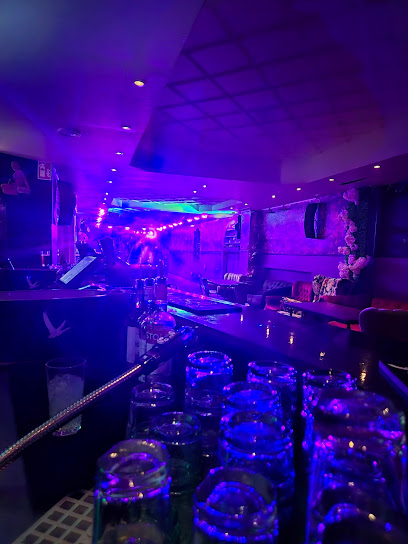
Moon Club
11.4 km
Discover the pulsating nightlife of Copenhagen at Moon Club, where electrifying beats and vibrant energy create unforgettable nights.
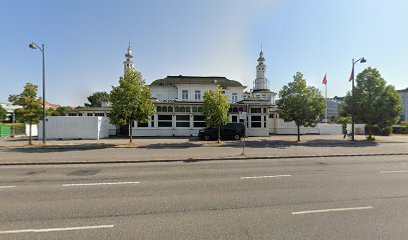
Mirage
11.9 km
Dive into the electrifying nightlife at Mirage, Copenhagen's premier night club for an unforgettable evening of music, dancing, and entertainment.

Arch
12.0 km
Discover the vibrant nightlife of Copenhagen at Arch, a premier night club offering electrifying music and an unforgettable atmosphere.
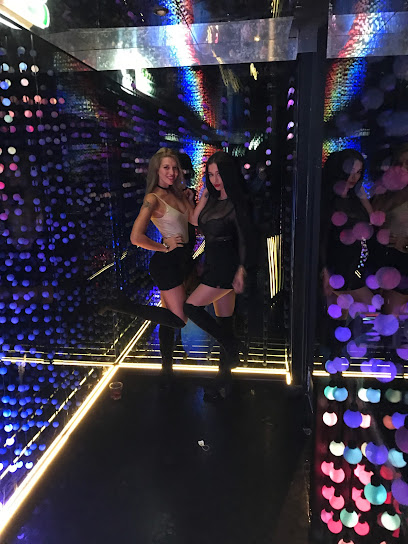
Den Anden Side
12.1 km
Discover the electrifying nightlife of Copenhagen at Den Anden Side, a techno haven for party lovers and night owls.
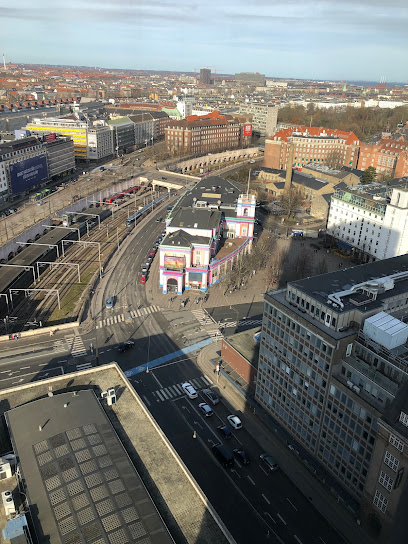
Cosy Bar
12.1 km
Discover the lively atmosphere of Cosy Bar, a top gay nightclub in Copenhagen offering fantastic music, vibrant crowds, and unforgettable nights.
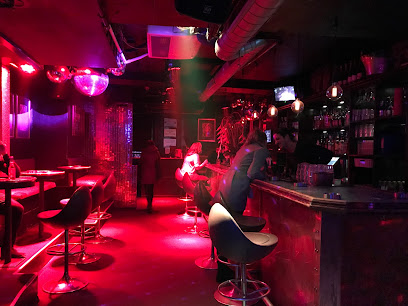
Culture Box
12.1 km
Discover the heartbeat of Copenhagen's nightlife at Culture Box, where music, art, and dance create an unforgettable experience.
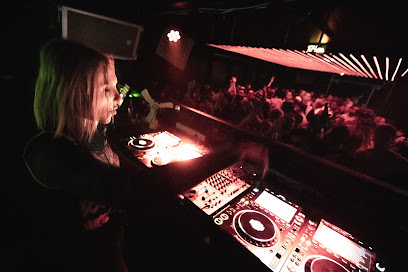
La Terraza
12.2 km
Compact nightclub on Studiestræde in Copenhagen’s old town, offering loud beats, straightforward drinks and an unpretentious late-night dance floor.
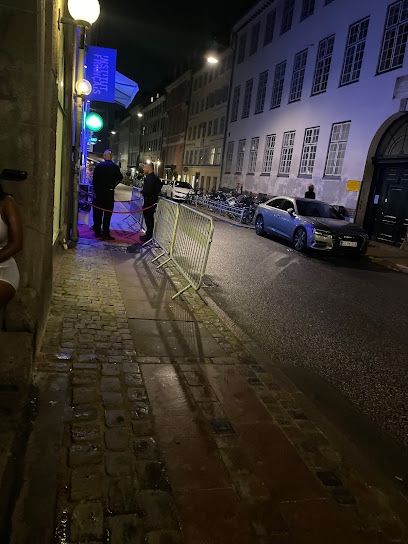
G*A*Y Copenhagen Nightclub
12.2 km
Experience the heart of LGBTQ+ nightlife at G*A*Y Copenhagen Nightclub, where vibrant energy and inclusive atmosphere await every visitor.
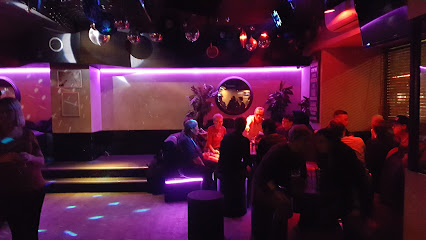
Never Mind
12.2 km
Experience the vibrant nightlife of Copenhagen at Never Mind, where electrifying music meets an eclectic crowd for unforgettable nights.
For the vibe & atmosphere seeker
- Tranquil
- Zen
- Scenic
- Unique
- Casual
For the design and aesthetic lover
- Minimalist Designs
- Modern Designs
For the architecture buff
- Modern
- Landmarks
- Art & Design
- Sacred Sites
For the view chaser and sunset hunter
- Iconic Views
For the social media creator & influencer
- Instagrammable
- Photo Spots
- Architectural Shots
For the eco-conscious traveler
- Public-Transport Accessible
- Low Impact
For the kind of experience you’re after
- Mindfulness
- Meditation Spot
- Cultural Heritage
- Photowalk
- Adventure Photo Shoot
- Day Trip
- Roadtrip Stop
For how adventurous you want the journey to be
- Easy Access
Location Audience
- Family Friendly
- Senior Friendly
- Teen Friendly
- Wheelchair Access
- Solo Friendly
- Couple Friendly
- Solo Female Friendly
- Business Friendly


