From Eve
Know before you go
Hi, I'm Eve. Here are a few practical things to know before exploring Møllestien.
Local know-how to help you travel smarter and make the most of every moment.

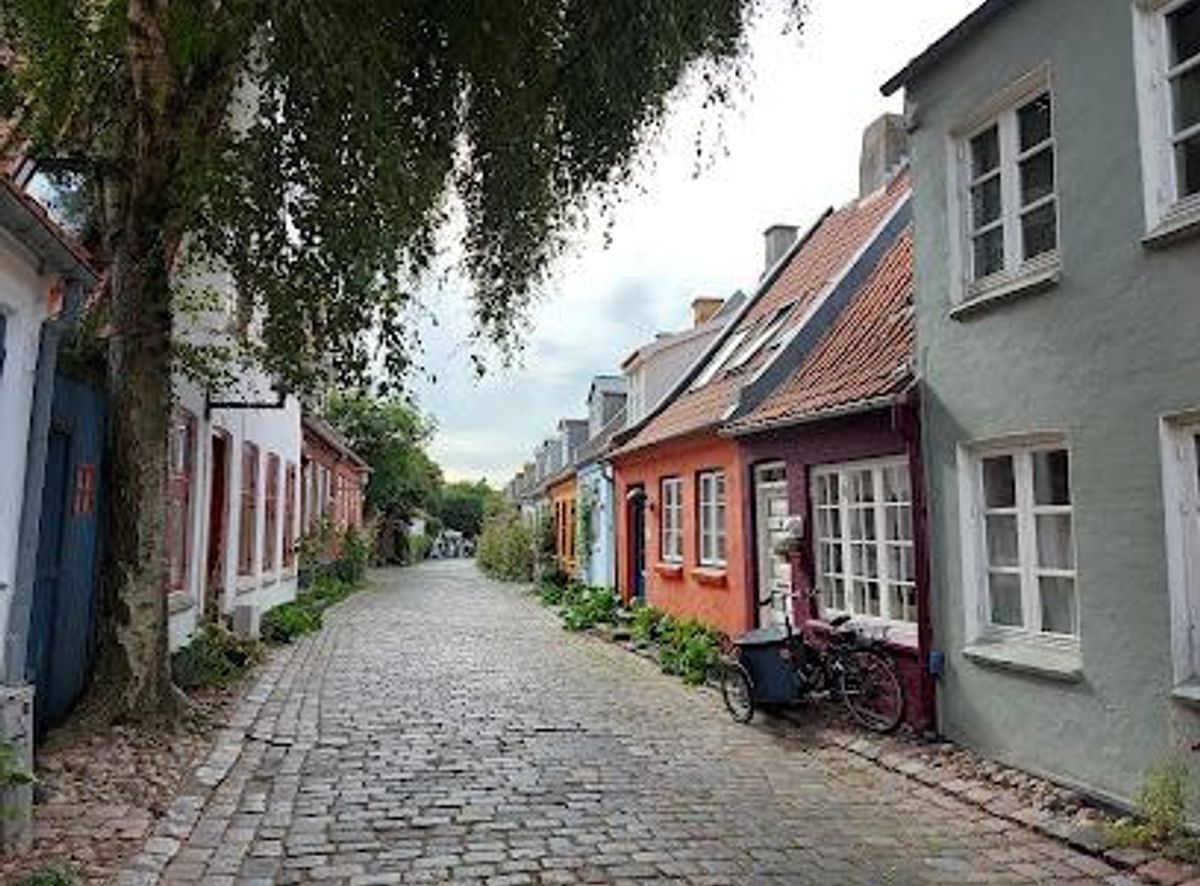
A short, rose-draped cobblestone lane where colorful 19th‑century workers’ houses keep centuries of Aarhus history alive in the quiet heart of the city.
Tucked into the historic heart of Aarhus, **Møllestien** is a short cobblestone lane lined with tiny, color-washed houses and climbing roses. Dating back to at least the 13th century, it offers a rare glimpse of 19th‑century working-class housing, now carefully restored and cherished. Despite its central location, the lane feels like a quiet village alley, ideal for unhurried strolls and atmospheric photos that capture a softer, slower side of the city.
Opening times, essentials, and a few local tips gathered into one calmer, easier-to-scan planning section.
Hi, I'm Eve. Here are a few practical things to know before exploring Møllestien.
Local know-how to help you travel smarter and make the most of every moment.
On foot from central Aarhus
From the central shopping streets and the cathedral area, allow around 5–10 minutes’ walk to reach Møllestien along generally flat pavements. The approach involves some cobblestones and narrow sidewalks, which can be tricky for wheelchairs and strollers but is manageable with care. Walking is free and often the simplest way to reach the lane given its very central location and limited nearby parking.
City bus within Aarhus
Several local bus routes run through the central city with stops a short walk from Møllestien, typically 5–8 minutes away on foot. A single adult ticket within the Aarhus urban zone usually costs about 20–30 DKK, depending on ticket type and purchase method, and buses generally run every 10–20 minutes during the day. Most buses are low-floor and accessible, but the final approach to the lane still includes cobblestones.
Light rail to Aarhus H and short walk
If you are elsewhere in the region, you can take the light rail or regional train to Aarhus H, the main station, then walk around 10–15 minutes through the city centre to Møllestien. Standard adult fares on regional trains and light rail in this part of Denmark typically range from about 25–80 DKK depending on distance and ticket type. Trains and light rail are fully accessible, but the last stretch to the street is on uneven historic surfaces.
 Restrooms
 Drink Options
 Drinking Water
 Food Options
 Seating Areas
 Trash Bins
 Information Boards
Catch the right light and the right mood, whether you want a bright city moment or a more cinematic evening visit.


Use Tower Bridge as your starting point for nearby food, family ideas, nightlife, and more local discoveries.
A quick look at seasonal patterns and peak visiting hours.

Explore expert travel guides, compare and book tours, experiences, hotels, and more—all from the palm of your hand. Download now for seamless trip planning wherever your wanderlust takes you.
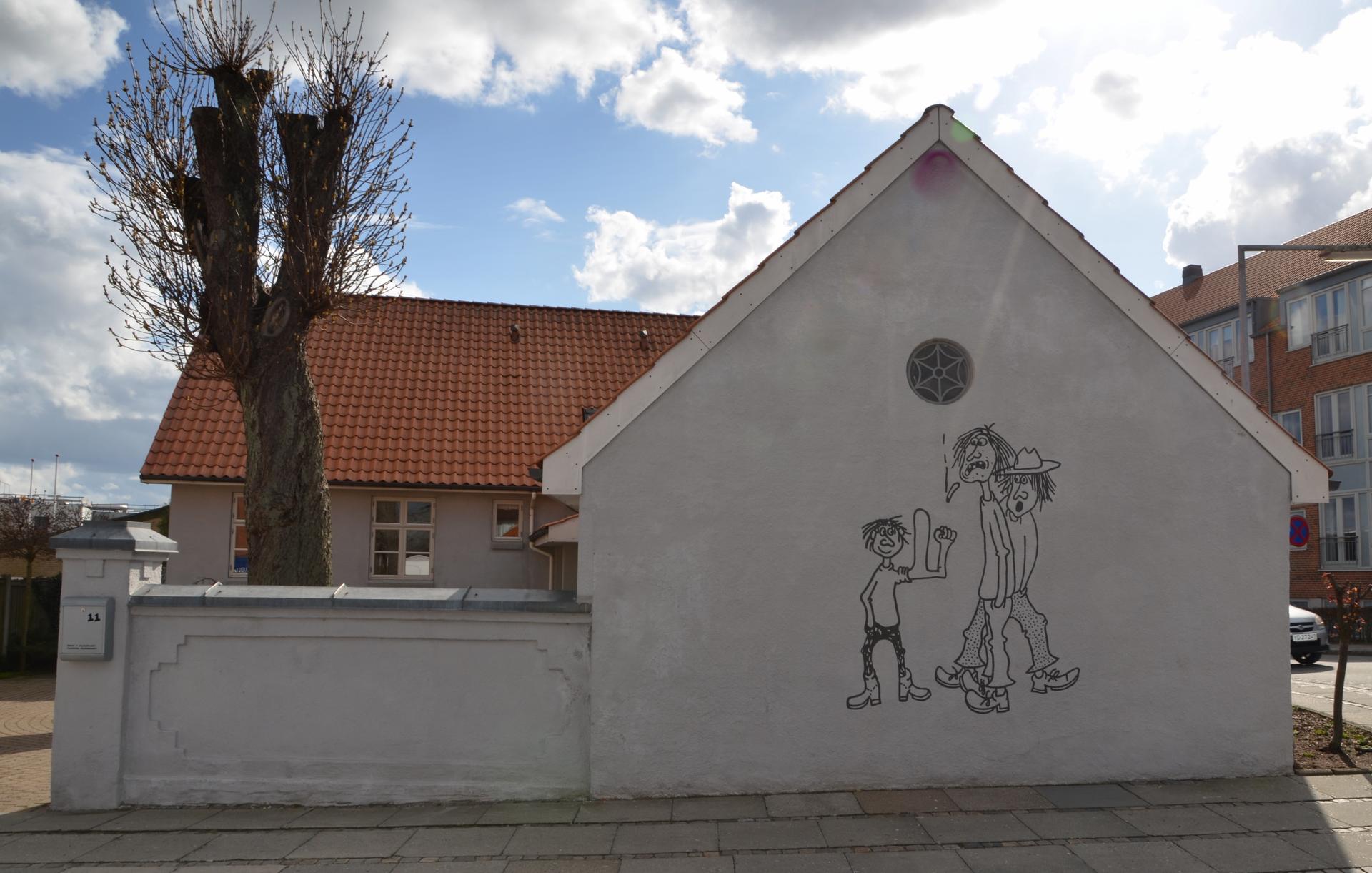
Discover Horsens: A perfect blend of history, culture, and natural beauty in the heart of Denmark.
Tell me more about Horsens