

Store Torv, Aarhus
Aarhus’ grand cathedral square, where medieval market traditions, historic architecture and modern city life meet on a broad sweep of cobblestones.
Store Torv is the grand central square of Aarhus, unfolding as a wide, triangular plaza at the foot of the city’s soaring cathedral. Once a medieval marketplace for livestock and produce, it is now a lively, pedestrianised hub where historic façades, the elegant Hotel Royal and the old Løveapoteket pharmacy frame cobblestones often used for events and seasonal markets. Cafés, nearby boutiques and the adjoining Latin Quarter make it a natural pause point between sightseeing, shopping and people-watching in Denmark’s second city.
A brief summary to Store Torv
- Aarhus, Aarhus C, 8000, DK
- Duration: 0.5 to 2 hours
- Free
-
 Outdoor
- Mobile reception: 5 out of 5

Know before you go
Hi, I'm Eve. Here are a few practical things to know before exploring Store Torv.
- Come early in the morning for soft light, quieter streets and unobstructed views of the cathedral and surrounding façades.
- Wear shoes with good grip: the cobblestones can feel uneven and a bit slippery in wet or icy weather.
- Pair a visit with a look inside Aarhus Cathedral to appreciate how closely the church and square have shaped each other.
- If you enjoy photography, circle the square to capture contrasting angles of the cathedral, Hotel Royal and the pharmacy façade.
- Check local listings for seasonal events such as Christmas markets or open‑air performances that regularly animate the square.
Do you manage this location?
Take control to get all the benefits, like improved information, better appearance, and stronger visibility across AI-powered discovery. Learn more
Activate your presenceOther nearby places you may find interesting
Getting There
-
Walking from Aarhus Central Station
From Aarhus Central Station, allow around 15–20 minutes on foot to reach Store Torv at a relaxed pace. The route is largely flat and follows the main pedestrian shopping streets through the compact city centre. Surfaces are a mix of paving and cobblestones and are generally suitable for wheelchairs and strollers, though they can feel uneven in places and may require extra care in wet or icy conditions.
-
City bus within Aarhus
Several city bus lines stop within a 5–10 minute walk of Store Torv, with typical journey times of 5–15 minutes from central districts depending on traffic. Expect to pay roughly 20–25 DKK for a single adult ticket within the city zones, purchasable via ticket machines or mobile apps. Services run frequently during the day, with reduced frequency in the late evening and on some public holidays.
-
Bicycle in the city centre
Aarhus is very bicycle‑friendly, and cycling to Store Torv from inner neighbourhoods usually takes 5–15 minutes. Dedicated bike lanes lead toward the central pedestrian zone, where you will need to dismount and walk your bike across the square. You can use local bike‑share schemes or rentals, which typically cost from about 30–60 DKK per hour, with day passes available. Be mindful of other cyclists and pedestrians, especially at busy times.
-
Taxi from inner Aarhus
Taxis can drop passengers close to the pedestrian area around Store Torv, usually within a short walk of the square. From locations such as the central station or harbour area, travel times are often 5–10 minutes depending on traffic. Fares within the central zones commonly range from about 80–150 DKK, with higher prices at night and on weekends. Taxis are metered and accept cards, but vehicle access is restricted directly on the square itself.
For the on-the-go comforts that matter to you
-
 Restrooms
-
 Drink Options
-
 Drinking Water
-
 Food Options
-
 Seating Areas
-
 Trash Bins
-
 Information Boards
Discover more about Store Torv
The historic heart beneath the cathedral spire
Store Torv is the broad, triangular square that opens dramatically in front of Aarhus Cathedral, anchoring the city’s old town with a sweep of cobblestones and centuries of history. Emerging around the year 1200 alongside the cathedral, it quickly became one of Aarhus’ main urban stages, where daily life, trade and power all met in the open air.In its early days, Store Torv linked the river crossing at Immervad with the growing town centre, forming a vital corridor of movement and exchange. Today, the traffic is purely on foot, but there is still a sense of passage and gathering as locals cut across the plaza, linger on benches or cluster around temporary stalls and installations.From medieval market square to civic stage
For centuries, Store Torv functioned as a market ground where vegetables, fruit, horses and cattle were traded under royal regulations that structured when and how commerce could take place. You can still sense that generous scale in the open expanse of the square, which feels larger than many historic European plazas relative to the surrounding streets.It was also a place of power and spectacle. The former city hall once stood here, with a jail beneath it, making the square a setting for public punishments and official celebrations. Executions were eventually moved outside the town, but royal birthdays, New Year festivities and civic ceremonies continued to fill the space, a role it retains through modern cultural events and seasonal markets.Architectural landmarks on every side
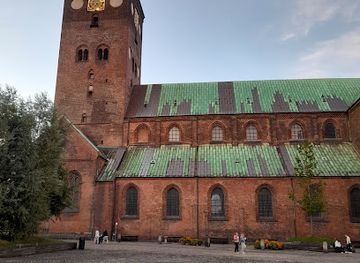
Dominating one side of Store Torv, Aarhus Cathedral draws the eye with its tall, slender spire and long brick body, a Gothic presence that has watched the square evolve for more than 700 years. The cathedral’s sheer length runs almost the entire side of the plaza, lending it a sense of enclosure and solemnity even when the square is busy.Opposite, the stately Hotel Royal adds a touch of 19th‑century elegance with its decorative façade and classic proportions. Nearby, the historic Løveapoteket pharmacy has traded in this location since the early 1700s, its name recalling the lion emblem above the doorway. Together, these buildings create a layered skyline where medieval, baroque and later styles coexist in a compact frame.Cobblestones, cafés and everyday rhythms
Despite its grand buildings, the atmosphere on Store Torv is relaxed and human‑scaled. The cobblestone surface undulates gently, breaking into subtle patterns that hint at earlier layouts and renovations. On fair days, café terraces edge the square and you can sit with a coffee while watching cyclists glide along the nearby pedestrian network and children weave between temporary art pieces or flower stalls.Side streets lead off toward the Latin Quarter, the main shopping street and the harbourfront, so there is a constant, low‑key energy as people pass through. At times the square is nearly empty, with the sound of the cathedral bells carrying across; at others it fills with Christmas markets, open‑air concerts or civic events that transform the cobbles into a shared living room for the city.Experiencing Store Torv across the seasons
Store Torv rewards repeat visits at different times of day and year. In crisp winter light, the façades appear sharper and the Christmas decorations and market stalls add warmth and colour to the stone. Spring and summer bring longer evenings, when the soft northern light washes over the cathedral tower and the square becomes an inviting place to linger after museums and shops have closed.Even in rain, the square has a certain drama as the wet cobbles mirror the cathedral’s outline and reflections of passing umbrellas. Whether you use it as a quiet vantage point to absorb the layers of Aarhus’ past or as a lively stepping stone between neighbourhoods, Store Torv gives a clear sense of the city’s continuity from medieval market town to contemporary Danish hub.Explore the best of what Store Torv has to offer













More about East Jutland
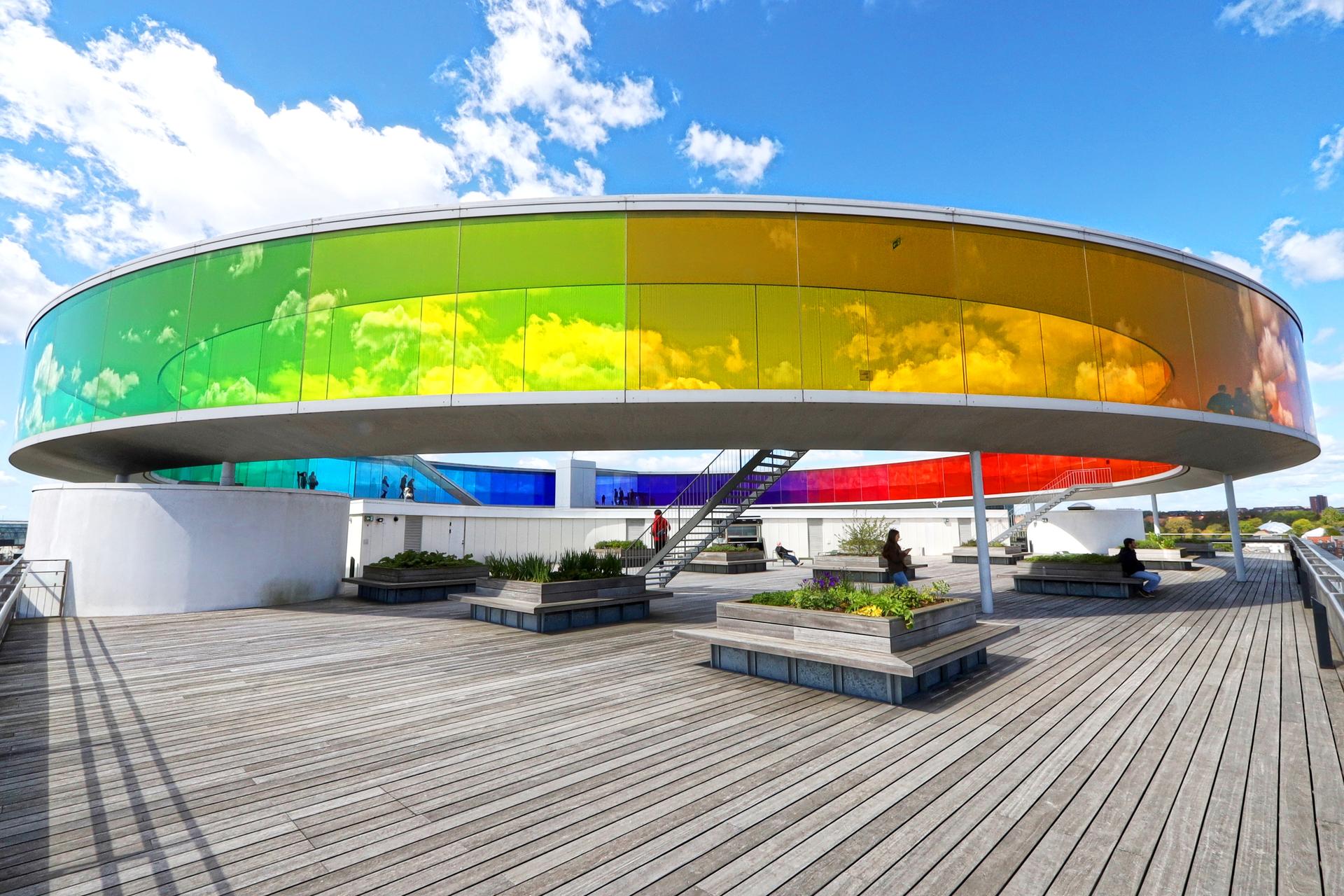
Discover East Jutland, Denmark's enchanting region blending vibrant cities, rich history, and stunning natural landscapes, perfect for every type of traveler.
Tell me more about East Jutland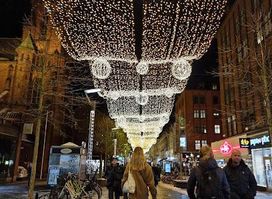
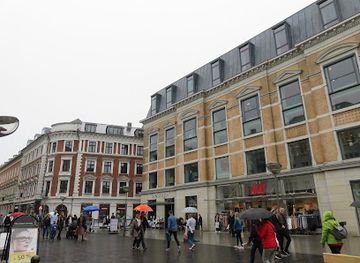
Aarhus’ car-free high street, where Søndergade’s shops, cafés and street life link the station, riverfront and cathedral in one long, walkable urban spine.

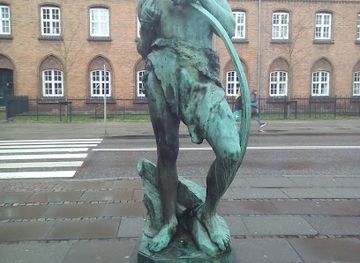
A poised bronze boy with bow and arrow brings quiet drama and historic artistry to the intimate city square of Klostertorvet in central Aarhus.
