
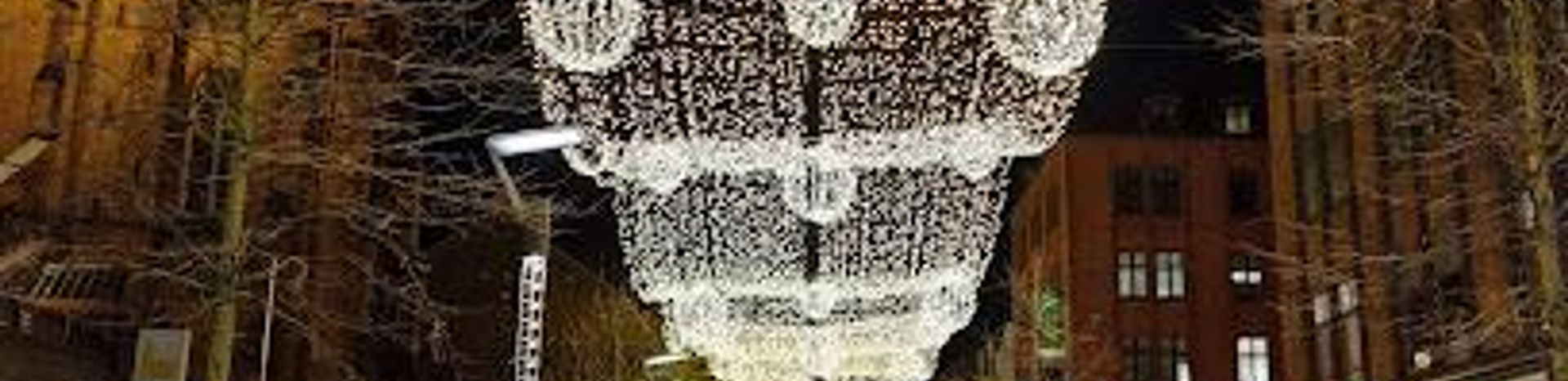
Strøget Pedestrian Street, Aarhus
Aarhus’ car‑free high street: 850 metres of shops, cafés and everyday city life linking the station, cathedral squares and Latin Quarter in one easy stroll.
Strøget is Aarhus’ 850‑metre pedestrianised high street, running along Ryesgade and Søndergade between the central station and the historic squares by Aarhus Cathedral. This traffic‑free spine is the city’s commercial nerve centre, lined with around 130 shops, cafés and two department stores, including Salling. Flat paving, frequent benches and side streets leading to the river and Latin Quarter make it as much a social promenade as a shopping destination.
A brief summary to Strøget
- Søndergade, Aarhus, Aarhus C, 8000, DK
- Duration: 1 to 4 hours
- Free
-
 Outdoor
- Mobile reception: 5 out of 5

Know before you go
Hi, I'm Eve. Here are a few practical things to know before exploring Strøget.
- Start at the central station end and walk north so you naturally finish by the historic cathedral squares and can continue into the Latin Quarter.
- Wear comfortable shoes; browsing both Strøget and its side streets easily turns a short errand into a few kilometres of relaxed walking.
- Carry a payment card instead of cash, as many shops and cafés prefer or only accept cashless payments.
- On wet or cold days, use the department stores and nearby malls as warm indoor breaks between stretches of outdoor wandering.
Do you manage this location?
Take control to get all the benefits, like improved information, better appearance, and stronger visibility across AI-powered discovery. Learn more
Activate your presenceOther nearby places you may find interesting
Getting There
-
From Aarhus H (Central Station) on foot
From Aarhus Central Station, Strøget effectively begins at Banegårdspladsen just outside the main entrance. Allow 5–10 minutes to reach the busier central stretch at a relaxed pace. The route is fully paved, step‑free and suitable for luggage, strollers and wheelchairs. As this is a direct city‑centre walk, there is no transport cost and you will find clear pedestrian signage as soon as you leave the station concourse.
-
City bus to the station end of Strøget
If you are elsewhere in Aarhus, use a city bus to Aarhus H (Central Station), which is the main public transport hub. Typical journeys within the central zones take 10–20 minutes depending on distance and traffic, with buses running frequently throughout the day. A single adult ticket within the city usually costs around 20–30 DKK and can be bought via ticket machines or mobile app. From the station, it is a short, level walk of a few minutes to reach Strøget.
-
Light rail (Letbanen) plus short walk
Travellers arriving by Aarhus Letbane can ride to Aarhus H stop on lines serving the city centre. Journeys from suburban stops typically take 10–25 minutes. Standard single fares within the relevant zones are roughly 20–30 DKK, matching local bus pricing. Trains are low‑floor and generally accessible, though peak hours can be crowded. Once you exit at Aarhus H, follow the signs toward the city centre; Strøget begins a few minutes’ walk away on flat pavements.
-
Car or taxi to nearby streets
Strøget itself is car‑free, so if you arrive by car you must park in nearby streets or multistorey car parks around the city centre, then walk 5–15 minutes to reach the pedestrian zone. Central parking is usually paid, with hourly rates often ranging from about 20–30 DKK and higher in premium garages. Taxis can drop passengers close to either end of Strøget, typically taking 5–15 minutes from inner neighbourhoods depending on traffic and costing from around 80–150 DKK for short urban rides.
For the on-the-go comforts that matter to you
-
 Restrooms
-
 Drink Options
-
 Drinking Water
-
 Food Options
-
 Seating Areas
-
 Sheltered Areas
-
 Trash Bins
-
 Information Boards
-
 Visitor Center
Discover more about Strøget
The pedestrian spine of central Aarhus
Strøget is the local name for Aarhus’ main pedestrian zone, a continuous shopping street formed by Ryesgade and Søndergade in the heart of the city centre. Stretching for about 850 metres, it links Banegårdspladsen by the central railway station to the historic squares around Aarhus Cathedral, effectively stitching together the city’s key sights and districts in one walkable line.Car traffic has been pushed out, leaving a broad, gently sloping route paved for easy walking. The atmosphere changes subtly as you move along: closer to the station the mood is fast‑paced and practical, while nearer the cathedral it feels more historic and leisurely, with church spires and old façades appearing between the shopfronts.Shopping corridor with big brands and local character
This is Aarhus’ commercial nerve centre, home to around 130 shops that range from international fashion chains to Danish design stores, shoe shops, bookshops and technology outlets. Window displays spill light onto the street in winter and showcase Scandinavian minimalism, bold colour and seasonal collections when days grow longer.Anchoring Søndergade is the Salling department store, a local institution dating back to the early 20th century. Its multiple floors gather everything from clothing and beauty to kitchenware and toys under one roof. Around it, side streets lead to more specialist boutiques, while the Latin Quarter just beyond offers independent shops for travellers seeking one‑off finds.Cafés, snacks and everyday street life
Strøget is not only about shopping. Between the storefronts you will find bakeries, coffee bars, quick‑bite counters and sit‑down cafés where people pause with a pastry or linger over a mid‑afternoon meal. Close to the river and Skt. Clemens Torv, outdoor seating appears in good weather and the soundscape shifts to the clink of cups and low conversation.Simple food stands selling hot dogs, kebabs or ice cream punctuate the street, especially near junctions and squares. On busy days, buskers and informal performances add a layer of sound and spontaneity. The overall pace is relaxed rather than rushed, making Strøget feel like a shared living room for locals and visitors alike.Architecture, squares and nearby landmarks
Look above the logos and you notice a varied architectural mix. Historic brick façades sit beside more modern commercial buildings, with decorative details, old signage and bay windows hinting at earlier eras. At several points the street widens into small plazas where public art, seasonal decorations or light installations appear.At the northern end, Store Torv and the neighbouring squares open toward Aarhus Cathedral, whose tower acts as a visual anchor. A short detour in another direction brings you to the riverfront along Åboulevarden, lined with waterside cafés. Cultural heavyweights such as ARoS Aarhus Art Museum and the old city hall are also within walking distance, turning Strøget into a convenient starting line for broader city exploration.Accessibility, seasons and practical details
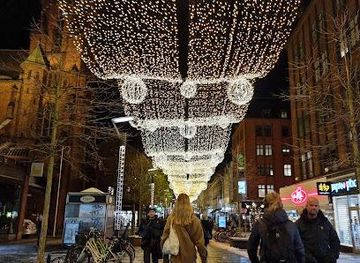
Because Strøget is pedestrian‑only with largely flat surfaces, it works well for strollers, wheelchairs and travellers pulling luggage to or from the station. Occasional gentle slopes and cross streets are easy to manage, and service vehicles operate only at limited times. Benches, steps and indoor malls nearby offer regular opportunities to sit down.The street feels different with the seasons. In summer, long evenings bring lingering sunlight, outdoor tables and light clothing in the shop windows. In winter, decorative lighting, window displays and, in December, festive installations give the area a cosy atmosphere even on short, cold days. Many businesses operate on typical city‑centre hours, with extended opening times on some weekdays and reduced hours on Sundays.How to make the most of your visit
Although you can walk Strøget end‑to‑end in under 15 minutes, it rewards a slower pace. Stepping into courtyards or side passages often reveals quieter corners, small galleries or tucked‑away cafés. The combination of everyday errands, fashion hunting and casual people‑watching makes it an easy place to fold into a day that might also include museums or the harbour.Comfortable footwear and a payment card are useful, as most transactions are cashless. If you are looking for a single place to understand contemporary Danish urban life in Aarhus—how people shop, meet, snack and move through their city—this traffic‑free street is an ideal starting point.Explore the best of what Strøget has to offer













More about East Jutland
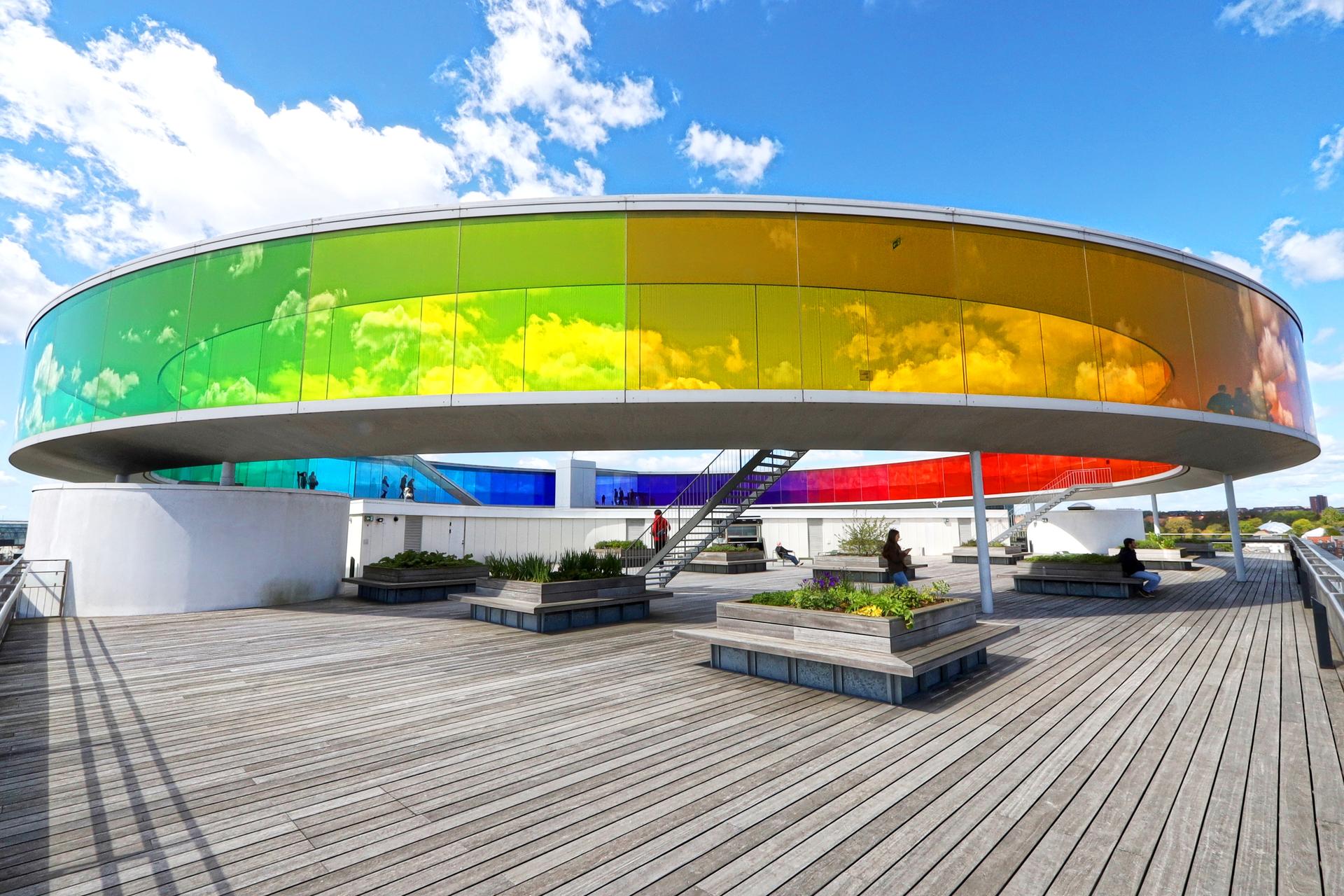
Discover East Jutland, Denmark's enchanting region blending vibrant cities, rich history, and stunning natural landscapes, perfect for every type of traveler.
Tell me more about East Jutland
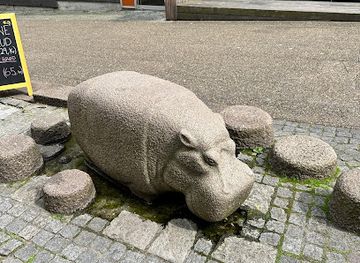
A small granite hippo resting in the middle of Frederiksgade, Flodhesteungen Frederikke adds a playful, tactile pause to the busy streets of central Aarhus.
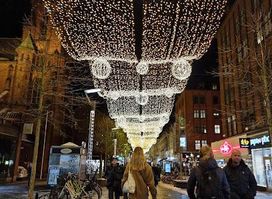
Aarhus’ car-free high street, where Søndergade’s shops, cafés and street life link the station, riverfront and cathedral in one long, walkable urban spine.
