

Roskilde Museum, Køge Travel Guide
Free Guide: A thousand years of Danish history in two heritage buildings at the heart of ancient Roskilde.


A brief summary of Roskilde Museum
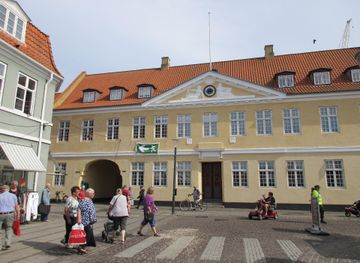
A thousand years of Danish history in two heritage buildings at the heart of ancient Roskilde.
Roskilde Museum is Denmark's premier city museum, housed in two protected heritage buildings in the heart of Roskilde since 1929. The museum spans 1,000 years of history from prehistoric times to the modern era, featuring remarkable archaeological finds including a prehistoric auroch skeleton, medieval weapons, silvercoins, and chesspieces. Interactive exhibitions, guided tours, a museum café, and a curated shop complement the permanent collections, making it an essential stop for understanding one of Denmark's oldest and most historically significant cities.
On-site amenities
 Restrooms
 Drink options
 Food options
 Seating areas
 Information boards
 Visitor centre
Opening hours
- MonClosed
- Tue10 am–4 pm
- Wed10 am–4 pm
- Thu10 am–4 pm
- Fri10 am–4 pm
- Sat10 am–4 pm
- Sun10 am–4 pm
Opening hours as listed on the venue’s Google Business Profile. Hours can change for services and special events, so check with the venue before you go.
- Address
- Sankt Ols Stræde 3, 4000 Roskilde
- Phone
- Website
Getting there
Train from Copenhagen
Bus from Copenhagen
Car from Copenhagen
Walking from Roskilde Station
Discover more about Roskilde Museum
A Thousand Years Beneath One Roof
Roskilde Museum invites visitors to journey through a millennium of Danish history within two remarkable heritage buildings in the city's heart. Since 1929, the museum has occupied Sukkerhuset (The Sugar House), built in 1761 for sugar production, and Liebes Gård, a merchant's residence constructed around 1800. These protected structures themselves are historical artifacts, their walls echoing centuries of Roskilde's transformation from royal capital to garrison town. The museum's exhibitions flow seamlessly from Ice Age artefacts through the Iron Age, Viking period, and medieval times, culminating in narratives of 20th-century warfare and modern Roskilde.
Archaeological Treasures and Mysterious Discoveries
The museum's collections showcase extraordinary finds from excavations across Roskilde and its surrounding region. Among the most striking exhibits is the complete skeleton of a prehistoric auroch, a massive wild ox that roamed northern Europe thousands of years ago. Medieval silvercoins, intricately carved chesspieces, and weapons tell stories of trade, leisure, and conflict in medieval Roskilde. The mysterious tomb of Gerdrup stands as one of the museum's most enigmatic displays, inviting speculation about ancient burial practices and the people who inhabited this land long before written records. Each artifact is contextualized within the broader narrative of how Roskilde developed from a settlement into one of Denmark's most important historical centres.
Interactive Learning for All Ages
Beyond static displays, Roskilde Museum creates immersive experiences for visitors of all ages. An entire floor dedicated to children features interactive activities and storytelling about school life a century ago, engaging young minds with hands-on exploration. Creative workshops run throughout the year, allowing families to participate in historical crafts and activities. Guided tours bring exhibitions to life, available both within the museum galleries and as walking tours through the city itself, connecting the artifacts to the streets and landmarks that shaped Roskilde's destiny. The museum's event program varies seasonally, offering diverse ways to engage with history.
Atmosphere and Setting
The museum's location on Sankt Ols Stræde places it in the historic core of Roskilde, surrounded by medieval architecture and centuries-old streets. The heritage buildings themselves contribute to the experience, their period features and restored interiors creating an authentic historical atmosphere. Natural light filters through windows that frame views of the surrounding cityscape, grounding visitors in the present while exploring the past. The intimate scale of the exhibitions contrasts with the grandeur of the stories they tell—from prehistoric survival to medieval kingship to modern resilience.
Café and Museum Shop
The museum café, Jampa, offers a modern space to rest and reflect, with quality refreshments and honest communication about its offerings. The café welcomes visitors without museum admission, making it accessible to the broader community. The museum shop curates a thoughtful selection of items inspired by the collections, ideal for gifts or personal inspiration, allowing visitors to take home tangible connections to Roskilde's history.
Roskilde's Place in Danish History
Roskilde Museum exists to illuminate why this city matters to Denmark's national story. Once Denmark's capital and home to royal power, Roskilde witnessed the rise and fall of dynasties, the arrival of Christianity, the flourishing of medieval trade, and the upheavals of modern conflict. By presenting artifacts and narratives spanning from prehistoric times to today, the museum demonstrates how geography, maritime access, and human ambition shaped a settlement into a centre of political, religious, and cultural significance. Visitors leave with a deeper understanding of how local history connects to the broader arc of Danish civilization.
Evendo Review Centre
 Google
Guest reviews
Best time to go
Quietest: Jan, Feb & Nov · before 9am or from 4pm
Busy times are Evendo estimates for a typical year, to help you plan. Actual crowds vary with events, school holidays and the weather.
Explore Roskilde Museum on the map
A handpicked selection of must-see spots near Roskilde Museum, mapped for you.
Get your free copy of our complete guide to Roskilde Museum, delivered straight to you.
Everything on this page, from opening hours and how to get there to Eve’s tips and the best time to go, in one PDF you can read offline, print or share.
Already have an account? Sign in
Your Roskilde Museum guide is ready.
We'll send it to · Not you? Sign out

Getting your guide ready…
We are putting together a fresh copy of the Roskilde Museum guide. This can take up to a minute.
This can take a few moments. If your browser asks, choose Allow so the download can start. You'll find the guide in your Downloads folder.
Nothing happened? Download it again
Sorry, the guide is taking longer than usual. Please try again in a minute, or get it by email instead.
Unlock the best of Roskilde Museum
Skip-the-line tickets, guided tours with entry, and walking tours of the area, booked in a few clicks.


Other nearby places you may find interesting
The closest places of the same kind, if this one is not quite what you had in mind.
-
-
-
-
-


Swipe for more places
More to explore near Roskilde Museum

 Best experiences near Roskilde Museum
 Best hotels near Roskilde Museum
 Best landmarks near Roskilde Museum
 Best attractions near Roskilde Museum
 Best shops near Roskilde Museum
 Best restaurants near Roskilde Museum
 Best bars near Roskilde Museum
Do you manage this location?
Take control to get all the benefits, like improved information, better appearance, and stronger visibility across AI-powered discovery.
Explore more
Explore more of Køge
Explore Køge, Denmark's coastal gem, with its medieval charm, beautiful marina, and close proximity to the stunning Stevns Klint UNESCO World Heritage site.
Explore Køge
Explore more of Denmark
Discover Denmark: A perfect blend of history, modern design, and the cozy concept of hygge. Explore vibrant cities, serene landscapes, and world-class cuisine.
Explore Denmark
