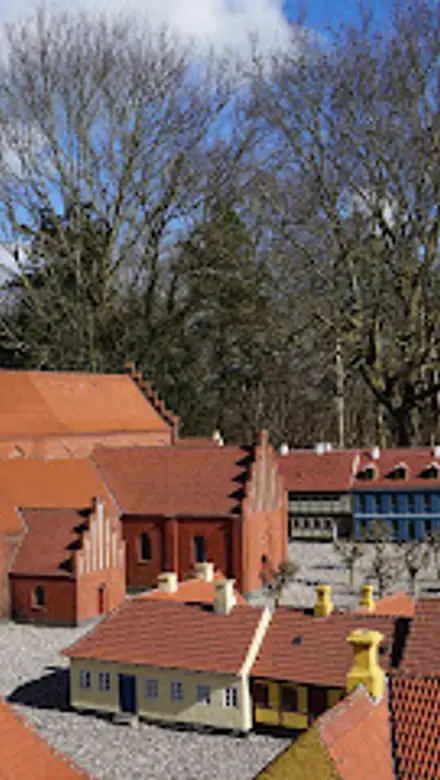
Køge Miniby, Køge Travel Guide
Free Guide: Step into Køge’s past at 1:10 scale, where hand-built model houses, harbour scenes and church spires recreate the market town of 1865 in a tranquil seaside garden.


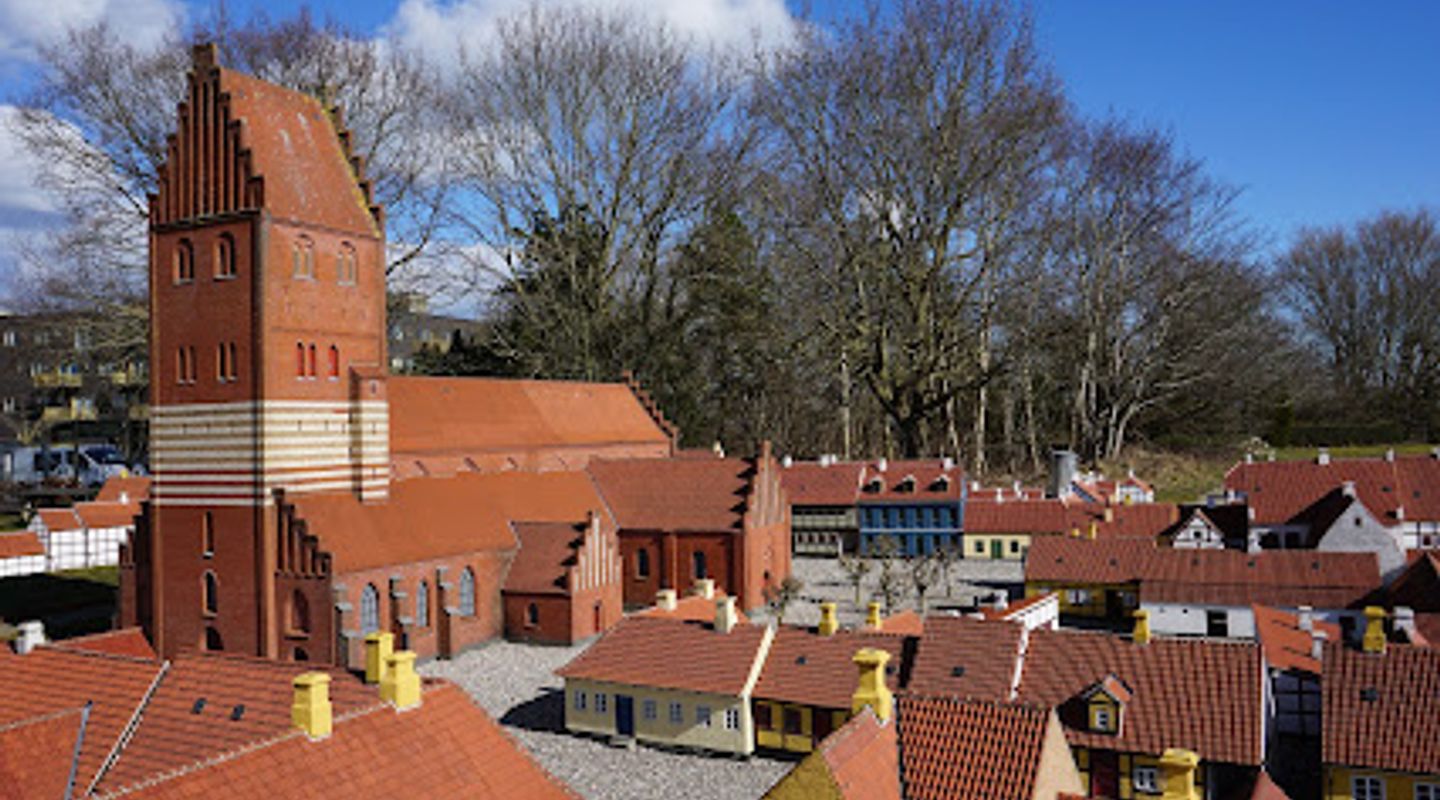
A brief summary of Køge Miniby
Step into Køge’s past at 1:10 scale, where hand-built model houses, harbour scenes and church spires recreate the market town of 1865 in a tranquil seaside garden.
Køge Miniby is an open-air miniature town on Køge’s waterfront, recreating the Danish market town as it looked in 1865 at a meticulous 1:10 scale. Built by local senior volunteers, the evolving project already includes hundreds of hand-crafted brick houses, churches and harbour buildings, many of which still exist in full size in today’s old town. Lawns, trees, picnic spots and a small café make it an easy, family-friendly stop that blends model-making craft, local history and gentle seaside ambience.
On-site amenities
 Restrooms
 Drink options
 Food options
 Seating areas
 Sheltered areas
 Picnic areas
 Trash bins
 Information boards
 Visitor centre
Opening hours
- Every day10 am–4 pm
Opening hours as listed on the venue’s Google Business Profile. Hours can change for services and special events, so check with the venue before you go.
- Address
- Strandpromenaden 26, 4600 Køge
- Phone
- Website
Getting there
Commuter train from Copenhagen
Local bus within Køge
Car from greater Zealand
Cycling from central Køge
Discover more about Køge Miniby
A 19th‑Century Market Town in Miniature
Køge Miniby offers a lovingly detailed recreation of Køge as it appeared in 1865, shrunk to a 1:10 scale and laid out beneath the open sky. Rows of timbered houses, merchants’ yards, cobbled squares and the harbourfront are all arranged to mirror the original street plan from the mid‑19th century. Walking the paths around the model town, you gain a clear sense of how compact, busy and maritime this old market town once was.What makes the place distinctive is its grounding in real architecture. Many of the miniature buildings still stand in full size in Køge’s old streets today, so a visit here can double as an introduction to the broader town. You see gables, rooflines and courtyards in miniature first, then recognise them later at life size.
Handmade Craftsmanship Behind Every Facade
The entire Mini‑Town is the work of dedicated senior volunteers, who have spent years recreating houses, warehouses and public buildings piece by piece. Every brick, tile, chimney and window frame is handmade in the on-site workshops, following historical drawings and old photographs. The result is an unusually high level of accuracy, from roof angles to doorway proportions.Visitors can usually look into the workshops to see this process in action. Here, façades are measured, moulds are cast and tiny clay bricks are fired before being assembled into models. It is as much a living craft project as it is a finished attraction, with new buildings being added over time toward a planned total of around a thousand structures.
Harbour Scenes, Church Spires and Everyday Details
Beyond rows of houses, the miniature landscape also includes the historic harbour, complete with model ships from the 19th century riding at their moorings. Masts rise above the rooftops, hinting at the maritime trade that once defined Køge’s economy. On slightly higher ground, the church model acts as a landmark, its spire anchoring the town’s skyline in miniature.Close inspection rewards patient eyes: laundry lines in backyards, tiny staircases, courtyard gates and carefully painted shopfronts. These details help conjure an image of everyday life in 1860s Denmark, when horse-drawn carts rattled over the cobbles and the harbour bustled with wooden vessels.
Green Setting by the Sea
The Mini‑Town sits in a leafy area close to the beach, with lawns and trees framing the models. Paths run between the miniature city blocks, and there are picnic facilities and a covered terrace where you can sit, look out across the little rooftops and listen to the distant sounds of the real town and waterfront.This relaxed setting makes it easy to linger. Families spread out on the grass, while those interested in architecture or local history can circle slowly, comparing building styles and spotting construction phases. The proximity to the sea and nearby parkland adds a gentle coastal atmosphere rather than an urban museum feel.
Café, Facilities and Practical Comforts
On site you will find a small café serving coffee, tea, cake, ice cream and simple refreshments, ideal for a short break between circuits of the model streets. There are restrooms, including accessible facilities, and seating areas that provide shelter in less‑than‑perfect weather.Information boards explain the project and its historical basis, and staff or volunteers are often on hand to answer questions about specific buildings or the broader history of Køge. The scale of the models is low enough for children to feel immersed, yet detailed enough to satisfy those with an eye for craftsmanship and period architecture.
Planning Your Visit in Season
Køge Miniby operates seasonally, typically opening daily during the warmer months and school holidays, generally from late spring to early autumn. Within those periods, hours are usually mid‑morning to late afternoon. The visit itself is flexible: some travellers spend under an hour making a single circuit, while others stay longer, watching workshop activity, taking photographs and tracing old streets they plan to explore later in full size back in town.Given its compact size and flat paths, it suits a wide range of ages and mobility levels, though it remains primarily an outdoor experience shaped by the weather. Combining a stop here with a walk along the waterfront or into Køge’s historic centre creates a rounded, easy half‑day in this corner of Zealand.
Evendo Review Centre
 Google
Guest reviews
Best time to go
Quietest: Jan, Feb & Nov · before 9am
Busy times are Evendo estimates for a typical year, to help you plan. Actual crowds vary with events, school holidays and the weather.
Explore Køge Miniby on the map
A handpicked selection of must-see spots near Køge Miniby, mapped for you.
Get your free copy of our complete guide to Køge Miniby, delivered straight to you.
Everything on this page, from opening hours and how to get there to Eve’s tips and the best time to go, in one PDF you can read offline, print or share.
Already have an account? Sign in
Your Køge Miniby guide is ready.
We'll send it to · Not you? Sign out

Getting your guide ready…
We are putting together a fresh copy of the Køge Miniby guide. This can take up to a minute.
This can take a few moments. If your browser asks, choose Allow so the download can start. You'll find the guide in your Downloads folder.
Nothing happened? Download it again
Sorry, the guide is taking longer than usual. Please try again in a minute, or get it by email instead.
Other nearby places you may find interesting
The closest places of the same kind, if this one is not quite what you had in mind.
-
-
-
-
-


Swipe for more places
More to explore near Køge Miniby

 Best experiences near Køge Miniby
 Best hotels near Køge Miniby
 Best landmarks near Køge Miniby
 Best attractions near Køge Miniby
 Best shops near Køge Miniby
 Best restaurants near Køge Miniby
 Best bars near Køge Miniby
Do you manage this location?
Take control to get all the benefits, like improved information, better appearance, and stronger visibility across AI-powered discovery.
Explore more
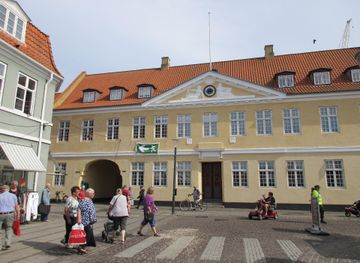
Explore more of Køge
Explore Køge, Denmark's coastal gem, with its medieval charm, beautiful marina, and close proximity to the stunning Stevns Klint UNESCO World Heritage site.
Explore Køge
Explore more of Denmark
Discover Denmark: A perfect blend of history, modern design, and the cozy concept of hygge. Explore vibrant cities, serene landscapes, and world-class cuisine.
Explore Denmark