

Ølsemagle Revle, Køge Travel Guide
Free Guide: A shifting sandbar of shallow lagoons, rich birdlife and wide sandy beaches, where Køge’s urban edge gives way to one of Zealand’s most evocative coastal nature reserves.


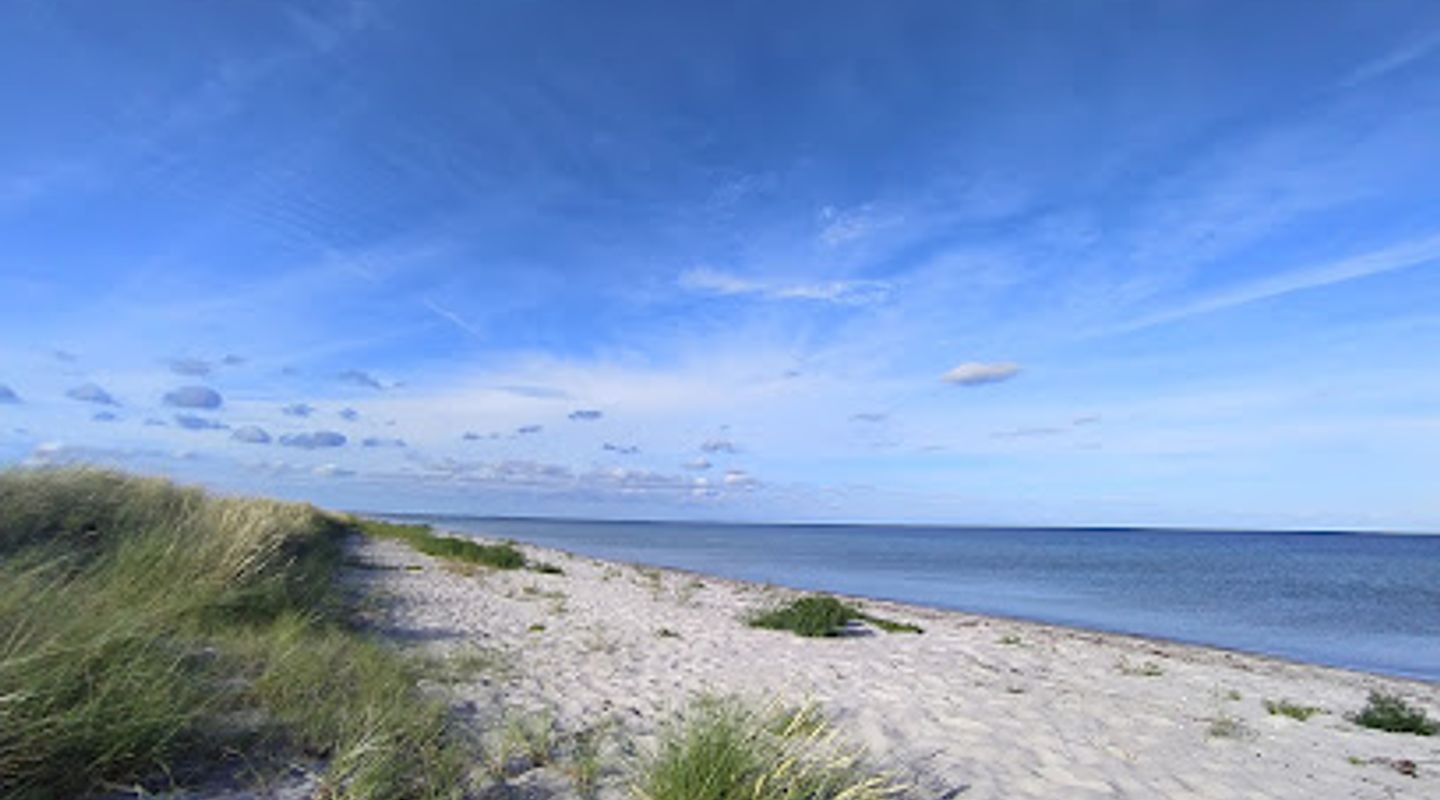
A brief summary of Ølsemagle Revle
A shifting sandbar of shallow lagoons, rich birdlife and wide sandy beaches, where Køge’s urban edge gives way to one of Zealand’s most evocative coastal nature reserves.
Ølsemagle Revle is a long, low sandbar and lagoon landscape on Køge Bay, just north of Køge. Formed as a barrier island from sand and gravel deposited by wind and currents, it shelters shallow, child‑friendly waters and a chain of lagoons, dunes and salt meadows. The area is protected as a bird reserve, famed for its rich wader and waterfowl life throughout the year. With a broad sandy beach, seasonal kiosk, birdwatching tower and big open skies, it blends easy seaside relaxation with outstanding coastal nature.
On-site amenities
 Restrooms
 Drink options
 Food options
 Seating areas
 Trash bins
 Information boards
Opening hours
- Every dayOpen 24 hours
Opening hours as listed on the venue’s Google Business Profile. Hours can change for services and special events, so check with the venue before you go.
- Address
- Revlen 1, 4600 Køge
- Website
Getting there
Regional train and local bus from Copenhagen
Train and bicycle from Køge
Car or taxi within the Køge region
Discover more about Ølsemagle Revle
A shifting sandbar shaping Køge Bay
Ølsemagle Revle is a striking example of how sea, wind and time can redraw a coastline. Stretching offshore in the inner part of Køge Bay, the revle began to appear about a century ago as a low shoal beneath the surface. Over decades, currents pushed broken shell, sand and gravel into a narrow ridge that gradually rose above the water to form a classic barrier island. Between the revle and the mainland, this process created a sheltered lagoon system where the sea feels tamed and the horizon seems to widen.Seen from above, the place is a sinuous ribbon of pale sand, low dunes and scattered vegetation, embracing a patchwork of lagoon lakes. From ground level you sense the same energy: the constant hush of waves on the outer side, and the calmer slap of water in the inner lagoon. It is a landscape still in motion, slowly shifting with storms and tides.
Lagoon lakes, salt meadows and coastal life
Behind the sandbar lies a mosaic of **lagunesøer**, salt meadows and low dunes that support a mix of marine and freshwater species. The shallow lagoon warms quickly in summer and is rich in invertebrates, small fish and aquatic plants, which in turn attract birds in remarkable numbers. Here you can trace the subtle transitions from open water to reed beds, from damp meadows to dry, sandy ridges underfoot.The salt meadows fringing the lagoon are speckled with halophytic plants adapted to brackish conditions, while the dunes carry coarse grasses that bind the sand. In winter, drifting snow can sculpt the low ridges into new shapes; in summer, the light reflects off the water and sand to create a bright, almost shimmering atmosphere. It is an accessible but genuinely wild-feeling corner of Zealand’s coastline.
One of eastern Denmark’s prime bird reserves
Ølsemagle Revle is designated as a bird reserve and is especially renowned for its concentration of waders. During autumn migration, almost all of Denmark’s common wader species can be encountered here, probing the lagoon’s sand and mud for worms and crustaceans. The site also hosts large flocks of ducks and geese resting and feeding before continuing their journeys.A wooden bird tower near the dam out towards the revle offers an elevated view across reed beds, lagoon and the open bay. From here you can scan for lapwings, golden plovers, oystercatchers, godwits and sandpipers, and in some years even experience the dramatic “black sun” of starlings swirling above the reeds at dusk. Raptors and owls hunt over the area, and in winter there is a chance of spotting sea eagles, peregrines and the shy bittern calling from the reeds.
Beach days in sheltered, shallow waters
Despite its scientific interest, Ølsemagle Revle is also an inviting bathing spot. The broad sandy beach and very shallow water along much of the inner shoreline make it particularly suitable for families with children. Here you can wade far out before the water reaches your waist, and the gently sloping seabed encourages paddling, sandcastle building and relaxed swimming on calm days.In the summer season a small kiosk by the main parking area sells simple refreshments, adding a casual seaside feel. The combination of soft sand, easy access and big skies over Køge Bay means you can move seamlessly between birdwatching and beach time, binoculars and bathing towel sharing the same bag.
Seasons of sound, light and coastal weather
The atmosphere at Ølsemagle Revle changes markedly with the seasons. In spring, the air is busy with the calls of migrating birds, and the first green hints appear on the meadows. Summer brings long, bright days, a softer breeze over warm sand and the quiet chatter of families enjoying the water. In autumn the light becomes sharper, flocks of waders gather on exposed sandbanks, and evenings can be dominated by dramatic skies over the bay.Winter strips the landscape back to its bones: pale dunes, dark water and the rattling of dry reeds in the wind. On cold, clear days the low sun throws long shadows across the revle, and the sense of space is heightened. Throughout the year, this exposed edge between land and sea reminds you that you are standing in a dynamic environment still being shaped by natural forces.
Protected nature and gentle visitor etiquette
As a protected coastal and bird area, Ølsemagle Revle is managed with nature conservation in mind. Restrictions on dogs, including a leash requirement from early April to the end of September, help safeguard ground-nesting birds on the beach and in the meadows. Visitor access is channelled along paths and the dam to reduce disturbance, and information on-site highlights the area’s geology and wildlife.Exploring here invites a slower pace: pausing at the bird tower, listening for the deep booming of a bittern or the distant murmur of geese, and noticing how the tide subtly redraws the shoreline. With thoughtful behaviour and a light footprint, you can experience a rare blend of easy seaside recreation and genuinely important coastal habitat, all within sight of Køge’s urban fringe.
Evendo Review Centre
 Google
Guest reviews
Best time to go
Quietest: Jan, Feb & Dec · before 6am or from 9pm
Busy times are Evendo estimates for a typical year, to help you plan. Actual crowds vary with events, school holidays and the weather.
Explore Ølsemagle Revle on the map
A handpicked selection of must-see spots near Ølsemagle Revle, mapped for you.
Get your free copy of our complete guide to Ølsemagle Revle, delivered straight to you.
Everything on this page, from opening hours and how to get there to Eve’s tips and the best time to go, in one PDF you can read offline, print or share.
Already have an account? Sign in
Your Ølsemagle Revle guide is ready.
We'll send it to · Not you? Sign out

Getting your guide ready…
We are putting together a fresh copy of the Ølsemagle Revle guide. This can take up to a minute.
This can take a few moments. If your browser asks, choose Allow so the download can start. You'll find the guide in your Downloads folder.
Nothing happened? Download it again
Sorry, the guide is taking longer than usual. Please try again in a minute, or get it by email instead.
Other nearby places you may find interesting
The closest places of the same kind, if this one is not quite what you had in mind.
-
-
-
-
-


Swipe for more places
More to explore near Ølsemagle Revle

 Best experiences near Ølsemagle Revle
 Best hotels near Ølsemagle Revle
 Best landmarks near Ølsemagle Revle
 Best attractions near Ølsemagle Revle
 Best shops near Ølsemagle Revle
 Best restaurants near Ølsemagle Revle
 Best bars near Ølsemagle Revle
Do you manage this location?
Take control to get all the benefits, like improved information, better appearance, and stronger visibility across AI-powered discovery.
Explore more
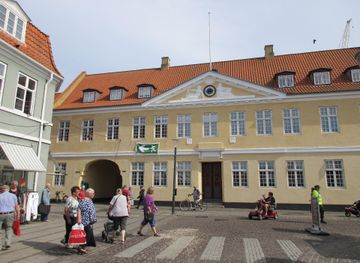
Explore more of Køge
Explore Køge, Denmark's coastal gem, with its medieval charm, beautiful marina, and close proximity to the stunning Stevns Klint UNESCO World Heritage site.
Explore Køge
Explore more of Denmark
Discover Denmark: A perfect blend of history, modern design, and the cozy concept of hygge. Explore vibrant cities, serene landscapes, and world-class cuisine.
Explore Denmark
