Langelandsfort Travel Guide
Free Guide: A concealed Cold War coastal fort turned open-air museum, where bunkers, ships and sea views reveal Denmark’s frontline role between East and West.


A brief summary of Langelandsfort
A concealed Cold War coastal fort turned open-air museum, where bunkers, ships and sea views reveal Denmark’s frontline role between East and West.
Set in windswept coastal landscapes near Bagenkop on South Langeland, Langelandsfort is a former Cold War naval fort transformed into an evocative open‑air museum. Built in the early 1950s to monitor traffic through the Langelandsbelt and stop enemy ships in case of war, it now invites you into original bunkers, gun positions, command posts and radar installations. You can explore a real submarine, a minesweeper, Cold War aircraft, sections of the Berlin Wall and exhibitions on surveillance, espionage and Denmark’s frontline role between East and West.
On-site amenities
 Restrooms
 Drink options
 Food options
 Seating areas
 Picnic areas
 Trash bins
 Information boards
 Visitor centre
Opening hours
- Every day10 am–5 pm
Opening hours as listed on the venue’s Google Business Profile. Hours can change for services and special events, so check with the venue before you go.
- Address
- Vognsbjergvej 4B, 5935 Bagenkop
- Phone
- Website
Getting there
Car from Rudkøbing (Langeland’s main town)
Car via Svendborg and Langelandsbroen bridge
Public bus from Rudkøbing to Bagenkop plus walk
Cycling on the South Langeland roads
Discover more about Langelandsfort
From Secret Coastal Fort to Open-Air Cold War Story
Langelandsfort crouches low in the coastal landscape at the southern tip of Langeland, deliberately concealed when it was built in the early 1950s. For four tense decades, from 1953 until the end of the Cold War, this Danish fort monitored ship traffic through the narrow Langelandsbelt and formed part of NATO’s surveillance line across the Baltic. Its artillery positions and radar could help stop hostile vessels from passing, while underground command rooms coordinated information from across the region.Decommissioned in 1993, the fort has since been carefully preserved as a Cold War museum. Rather than a recreated stage set, you walk through the authentic military installation: low earthen ramparts, camouflaged bunkers and concrete corridors still shaped by the anxieties of an era when Europe was divided in two.
Bunkers, Gun Positions and the Life of the Garrison
Much of the museum’s fascination lies underground. You descend into ammunition bunkers, crew quarters and the command centre, where maps, instruments and communication equipment recreate the atmosphere of constant readiness. Narrow passageways, heavy blast doors and thick walls hint at the level of protection deemed necessary in a nuclear age.Outside, four cannon positions circle the site, once aimed at controlling sea lanes below the cliffs. Today they serve as open-air exhibits, surrounded by grass and sea views. Interpretation panels explain how conscripts and professional soldiers lived here for months at a time, rotating between watch duty, drills and everyday routines that made this remote outpost feel like a self‑contained village.
Ships, Submarine and Machines of the Cold War
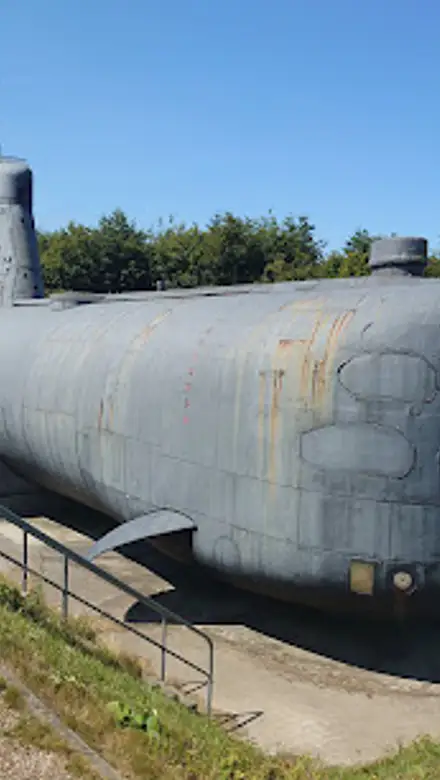
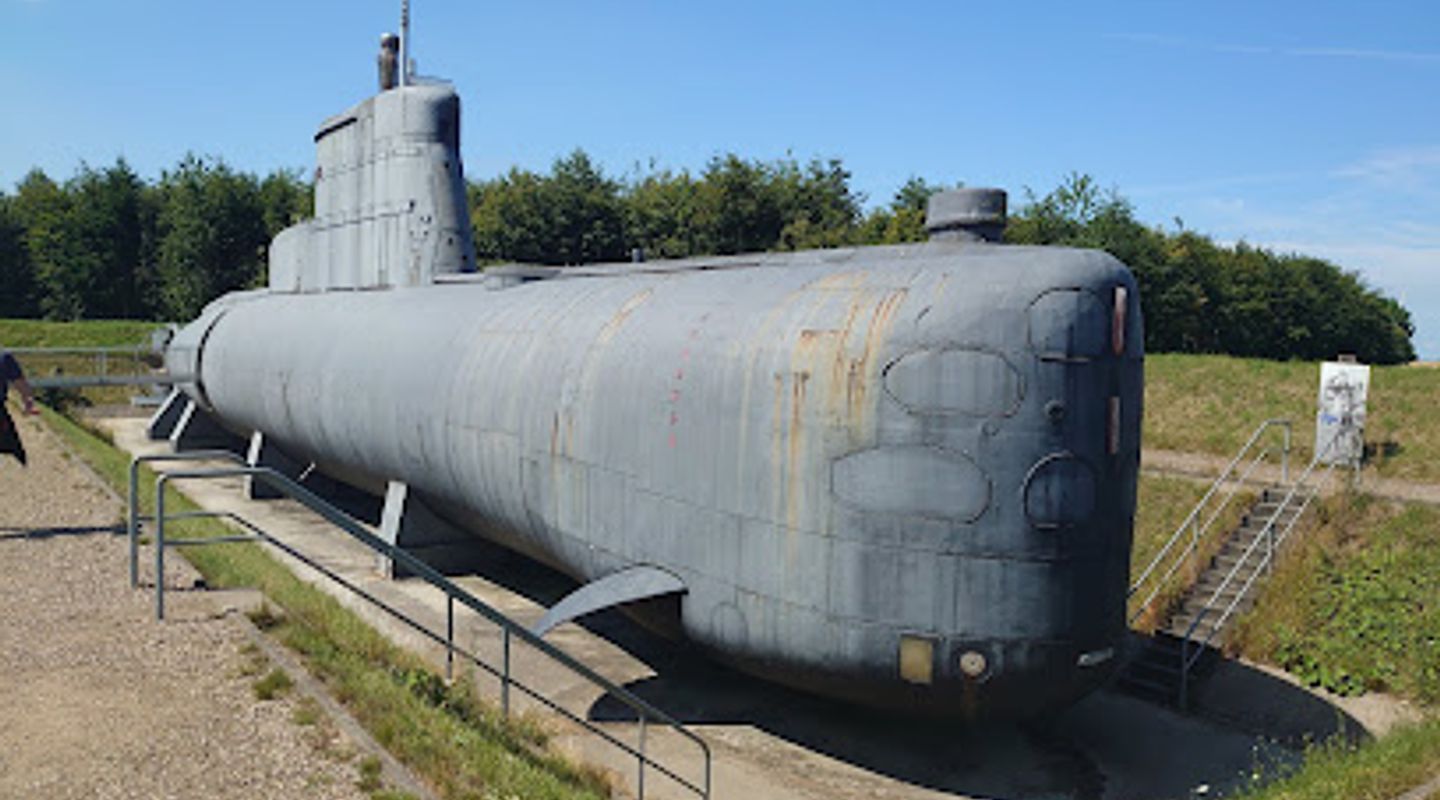
Langelandsfort’s most eye‑catching exhibits are the full‑size vessels and aircraft scattered across the grounds. You can step aboard the submarine "Springeren" and experience the dense, metallic interior where crews worked in cramped conditions beneath the waves. Nearby, the minesweeper "Askø" reveals how hidden explosives were detected and cleared in the Baltic.On land, you encounter a MiG‑23 fighter jet and other military vehicles, including reconnaissance and patrol machines that once moved along the inner-German border. Standing beside these bulky steel forms in the open air, you get a sense of scale and technological ambition that defined the arms race, yet now sit quietly against the Langeland sky.
Espionage, Berlin Wall Fragments and Hidden Narratives
Inside the exhibition buildings, the focus turns from hardware to human stories. Displays on espionage and surveillance unpack tales of Danish agents operating in Eastern Europe, Cold War propaganda and the ever-present risk of betrayal. Archival photographs, personal items and declassified documents show how intelligence work unfolded far from the public eye.A section of the Berlin Wall on site offers a tangible link to the most visible symbol of the era’s division. Standing beside this concrete barrier on a peaceful Danish island underlines how global tensions reached into even remote corners of Northern Europe, and how the events of 1989 reshaped the fort’s purpose almost overnight.
Nature, Geopark Status and Family-Friendly Exploration
The fort lies within a gently rolling coastal landscape that is part of the South Fyn Archipelago UNESCO Global Geopark. Sea views, skylarks and salt‑laden breezes soften the site’s military edges, and open lawns, paths and picnic spots encourage slow exploration between the more intense exhibitions.Families find plenty of space for children to roam among gun emplacements and vehicles, while seasonal activities and interpretive materials help younger visitors grasp complex themes in accessible ways. Simple food options on site, including local sausages and outdoor seating, make it easy to linger for several hours without leaving the grounds.
A Day Immersed in Denmark’s Cold War Frontline
A visit here is easily a half‑day experience. There is time to move from bunker to ship to exhibition hall, to pause at the Berlin Wall segment, and to sit on a bench overlooking the Baltic imagining radar screens and coded messages at work. The combination of authentic military infrastructure, engaging stories and expansive coastal setting creates a layered portrait of Denmark’s role in the Cold War.Whether you are deeply interested in military history or simply curious about how global geopolitics shaped this quiet island, Langelandsfort offers a rare chance to walk through an intact Cold War fortification, breathe in sea air and leave with a clearer sense of a not‑so‑distant past.
Evendo Review Centre
 Google
Guest reviews
Best time to go
Quietest: Jan, Feb & Nov · before 8am or at 7pm
Busy times are Evendo estimates for a typical year, to help you plan. Actual crowds vary with events, school holidays and the weather.
Explore Langelandsfort on the map
A handpicked selection of must-see spots near Langelandsfort, mapped for you.
Get your free copy of our complete guide to Langelandsfort, delivered straight to you.
Everything on this page, from opening hours and how to get there to Eve’s tips and the best time to go, in one PDF you can read offline, print or share.
Already have an account? Sign in
Your Langelandsfort guide is ready.
We'll send it to · Not you? Sign out

Getting your guide ready…
We are putting together a fresh copy of the Langelandsfort guide. This can take up to a minute.
This can take a few moments. If your browser asks, choose Allow so the download can start. You'll find the guide in your Downloads folder.
Nothing happened? Download it again
Sorry, the guide is taking longer than usual. Please try again in a minute, or get it by email instead.
Other nearby places you may find interesting
The closest places of the same kind, if this one is not quite what you had in mind.
-
-
-
-
-


Swipe for more places
More to explore near Langelandsfort

 Best experiences near Langelandsfort
 Best hotels near Langelandsfort
 Best landmarks near Langelandsfort
 Best attractions near Langelandsfort
 Best shops near Langelandsfort
 Best restaurants near Langelandsfort
 Best bars near Langelandsfort
Do you manage this location?
Take control to get all the benefits, like improved information, better appearance, and stronger visibility across AI-powered discovery.
Explore more
Explore more of Lolland
Discover Lolland, Denmark's tranquil island retreat, offering lush landscapes, historic sites, and delightful local cuisine for an unforgettable escape.
Explore Lolland
Explore more of Denmark
Discover Denmark: A perfect blend of history, modern design, and the cozy concept of hygge. Explore vibrant cities, serene landscapes, and world-class cuisine.
Explore Denmark