Langelandsfort Travel Guide
Free Guide: A former coastal stronghold on Langeland’s southern tip where bunkers, ships and Cold War stories meet sea air, open skies and hands-on family exploration.


A brief summary of Langelandsfort
A former coastal stronghold on Langeland’s southern tip where bunkers, ships and Cold War stories meet sea air, open skies and hands-on family exploration.
Set on the windswept southern tip of Langeland near Bagenkop, Langelandsfortet is a former Danish coastal fort turned immersive Cold War museum. Built in the early 1950s to monitor traffic through Langelandsbelt and guard the Baltic approaches, it now lets you walk through original bunkers, gun emplacements, command posts, a submarine and a minesweeper. Surrounded by open sea views and rolling coastal landscape, it combines heavy military hardware with fresh air, thoughtful exhibitions and plenty of space for curious minds and energetic kids.
On-site amenities
 Restrooms
 Food options
 Seating areas
 Picnic areas
 Trash bins
 Information boards
 Visitor centre
Opening hours
- Every day10 am–5 pm
Opening hours as listed on the venue’s Google Business Profile. Hours can change for services and special events, so check with the venue before you go.
- Address
- Vognsbjergvej 4B, 5935 Bagenkop
- Phone
- Website
Getting there
Car from Rudkøbing (Langeland’s main town)
Bus and short walk from Rudkøbing or Bagenkop
Bicycle from Bagenkop and South Langeland
Discover more about Langelandsfort
From Secret Coastal Fort to Open-Air Cold War Museum
Langelandsfortet sprawls across the southern tip of Langeland, disguised in low hills and grassed-over embankments that once hid one of Denmark’s key Cold War strongholds. Constructed in the early 1950s, the fort’s task was to monitor the busy Langelandsbelt and, if conflict ever broke out, to stop hostile ships forcing their way into the Baltic. Four coastal gun positions, ammunition bunkers and radar installations formed a quiet but constant line of defence along this low coastline.After the end of the Cold War and the fort’s decommissioning in 1993, the site was transformed into a museum under Langeland Museum. Instead of soldiers on duty, you now meet carefully curated exhibitions, original equipment and open access to the once-secret infrastructure. The sense of former secrecy lingers, but the atmosphere today is welcoming and educational rather than forbidding.
Walking the Gun Batteries and Buried Bunkers
Above ground, the fort feels surprisingly expansive. Grassy mounds conceal concrete bunkers, while former gun positions still command wide views over the sea lanes. You can walk right up to the coastal artillery, examine the massive barrels and imagine the calculations that once took place here to track and target ships in the narrow strait. Paths link the batteries with radar posts, shelters and technical buildings, making it easy to explore at your own pace.Inside the bunkers and command rooms, the mood shifts. Thick doors, low ceilings and functional fittings recall long shifts behind sealed walls, listening to radio chatter and watching for signals on radar screens. Exhibits explain how the fort’s staff lived and worked, from cramped sleeping quarters and mess rooms to the nerve centre where decisions would have been made if the unthinkable ever happened.
Submarine, Minesweeper and a MiG at Arm’s Length
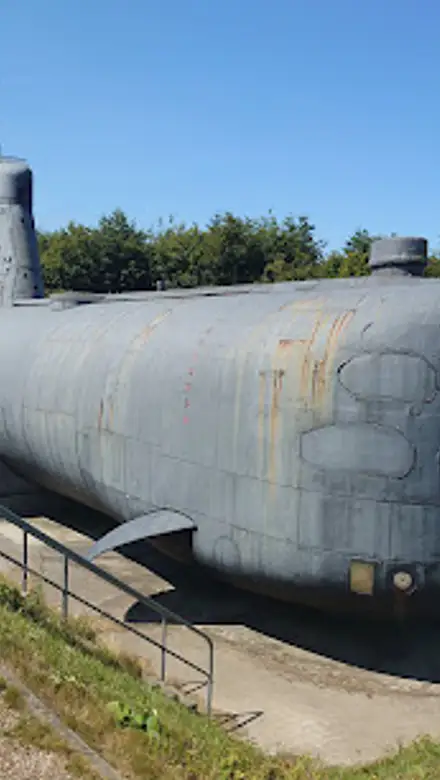
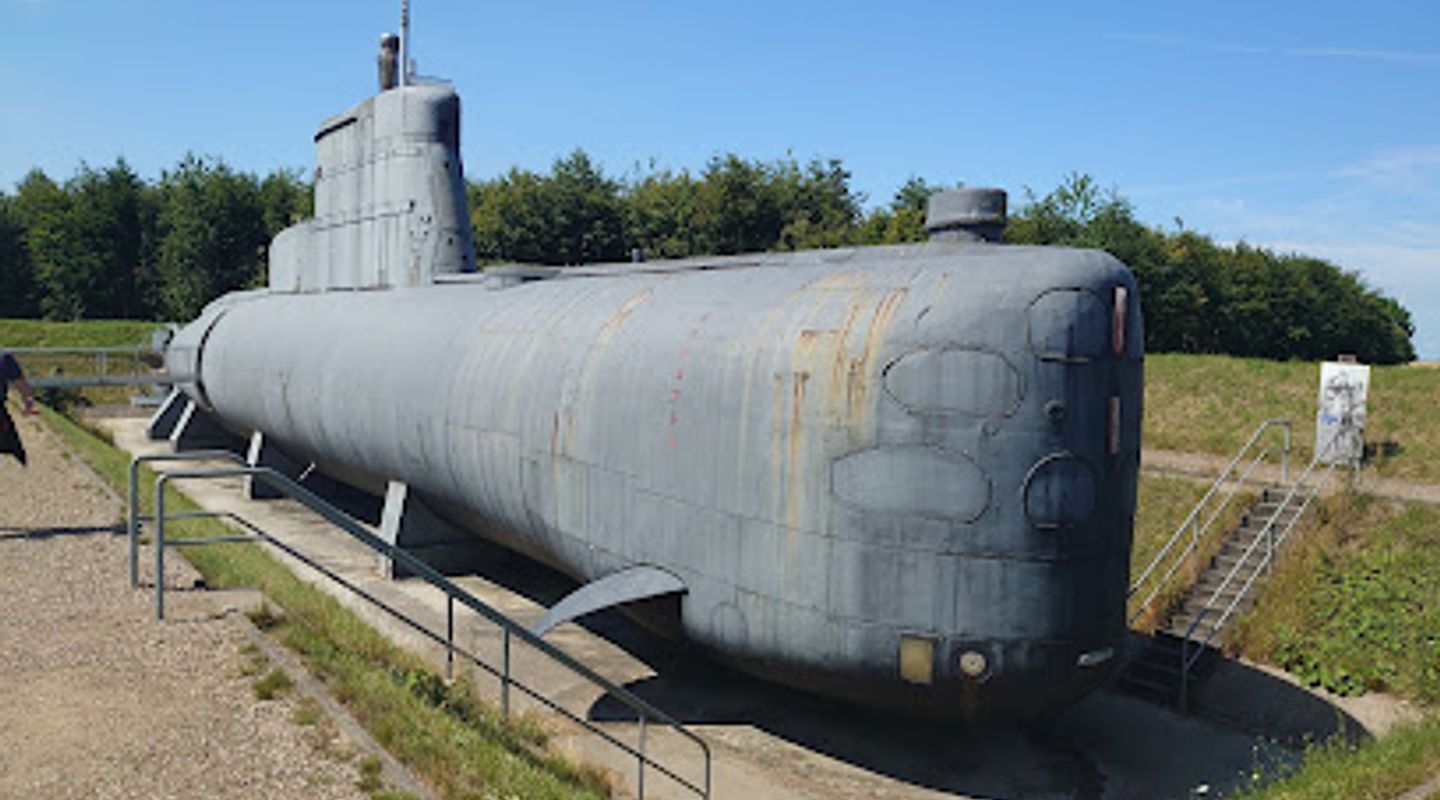
A major highlight is the chance to step aboard substantial Cold War hardware. The submarine “Springeren” lies high and dry, allowing you to move through the tight interior where crews once spent weeks at sea with barely a glimpse of daylight. Nearby, the minesweeper “Askø” illustrates how hidden dangers in the water were located and cleared, turning abstract naval strategy into something tangible.On land, a MiG-23 fighter jet faces you at almost eye level, its swept wings and stark profile a reminder of the very real tensions that defined Europe for decades. Around it, vehicles from the period – including armoured reconnaissance cars and other support equipment – show how both land and sea were tightly integrated into Denmark’s defence planning.
Spies, Surveillance and Stories from a Divided Europe
Beyond heavy machinery, Langelandsfortet dives into the world of espionage and intelligence. Exhibitions explore spymasters, intercepted signals and Danish agents operating on the far side of the Iron Curtain. Some stories are intensely personal, such as agents left behind in Eastern Europe or individuals who attracted the attention of Soviet security services.Fragments of the Berlin Wall and Cold War decorations from the Eastern Bloc add texture to these narratives, underlining how events far away shaped the quiet routines of soldiers posted here on Langeland. Together, the displays make the global stand-off between East and West feel immediate, rooted in specific people and places rather than abstract geopolitics.
Sea Air, Open Spaces and Family-Friendly Exploration
Despite its martial past, the fort today feels surprisingly relaxed. Open lawns, coastal views and scattered picnic tables invite you to linger between bunker visits. Children can burn off energy moving between gun positions, peering into vehicles or climbing steps up to viewpoints, while adults take time with the interpretive panels.A small food outlet offers classic Danish snacks, including locally produced sausages, while you are also welcome to bring your own picnic. On selected days in summer, an open truck nicknamed “Daffen” trundles around the grounds, giving a different vantage point on the fort’s layout. Recognised as part of the UNESCO Global Geopark South Funen Archipelago, the site links military history with the island’s broader coastal landscape.
Practical Visiting Experience and Time Needed
The museum operates with clear daytime opening hours, generally from mid-morning to late afternoon, giving ample time to explore both indoor and outdoor sections in one visit. With bunkers, ships, aircraft and detailed exhibitions spread across the grounds, many visitors find half a day passes quickly, especially when travelling with children or history enthusiasts.Most main paths are reasonably level, and several buildings and exhibition spaces are accessible, though some narrow stairways, steep ladders and tight submarine corridors remain challenging. Plan time for both the large objects and the quieter rooms where documents, uniforms and photographs invite closer attention—this balance between big hardware and subtle details is what gives Langelandsfortet its distinctive character.
Evendo Review Centre
 Google
Guest reviews
Best time to go
Quietest: Jan, Feb & Nov · before 9am or from 8pm
Busy times are Evendo estimates for a typical year, to help you plan. Actual crowds vary with events, school holidays and the weather.
Explore Langelandsfort on the map
A handpicked selection of must-see spots near Langelandsfort, mapped for you.
Get your free copy of our complete guide to Langelandsfort, delivered straight to you.
Everything on this page, from opening hours and how to get there to Eve’s tips and the best time to go, in one PDF you can read offline, print or share.
Already have an account? Sign in
Your Langelandsfort guide is ready.
We'll send it to · Not you? Sign out

Getting your guide ready…
We are putting together a fresh copy of the Langelandsfort guide. This can take up to a minute.
This can take a few moments. If your browser asks, choose Allow so the download can start. You'll find the guide in your Downloads folder.
Nothing happened? Download it again
Sorry, the guide is taking longer than usual. Please try again in a minute, or get it by email instead.
Other nearby places you may find interesting
The closest places of the same kind, if this one is not quite what you had in mind.
-
-
-
-
-


Swipe for more places
More to explore near Langelandsfort

 Best experiences near Langelandsfort
 Best hotels near Langelandsfort
 Best landmarks near Langelandsfort
 Best attractions near Langelandsfort
 Best shops near Langelandsfort
 Best restaurants near Langelandsfort
 Best bars near Langelandsfort
Do you manage this location?
Take control to get all the benefits, like improved information, better appearance, and stronger visibility across AI-powered discovery.
Explore more

Explore more of Langeland
Discover Langeland: Denmark's idyllic island retreat with scenic landscapes, rich history, and vibrant culture. Perfect for nature lovers, history buffs, and festival goers.
Explore Langeland
Explore more of Denmark
Discover Denmark: A perfect blend of history, modern design, and the cozy concept of hygge. Explore vibrant cities, serene landscapes, and world-class cuisine.
Explore Denmark