Lupinmark Travel Guide
Free Guide: A seasonal sea of lupins turning the Lolland farmland into a vivid carpet of color, perfect for a peaceful countryside pause and striking photographs.


A brief summary of Lupinmark
A seasonal sea of lupins turning the Lolland farmland into a vivid carpet of color, perfect for a peaceful countryside pause and striking photographs.
Tucked into the gentle farmland near Søllested on Lolland, Lupinmark at Askøvej 21 is a seasonal burst of color where dense swathes of lupins blanket the fields in blues, purples and pinks. This simple roadside stop is all about open skies, shifting light and the quiet drama of flowers meeting horizon. Come for a short stroll, photographs, or a contemplative pause in the Danish countryside, especially in late spring and early summer when the blooms are at their peak.
- Address
- Askøvej 21, 4920 Søllested
Getting there
Car from Nakskov
Car from Maribo
Public transport and short walk
Discover more about Lupinmark
Blooming fields in the Lolland countryside
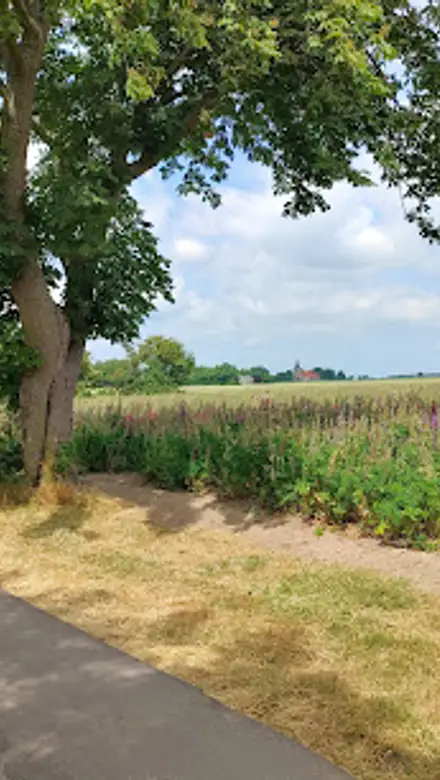
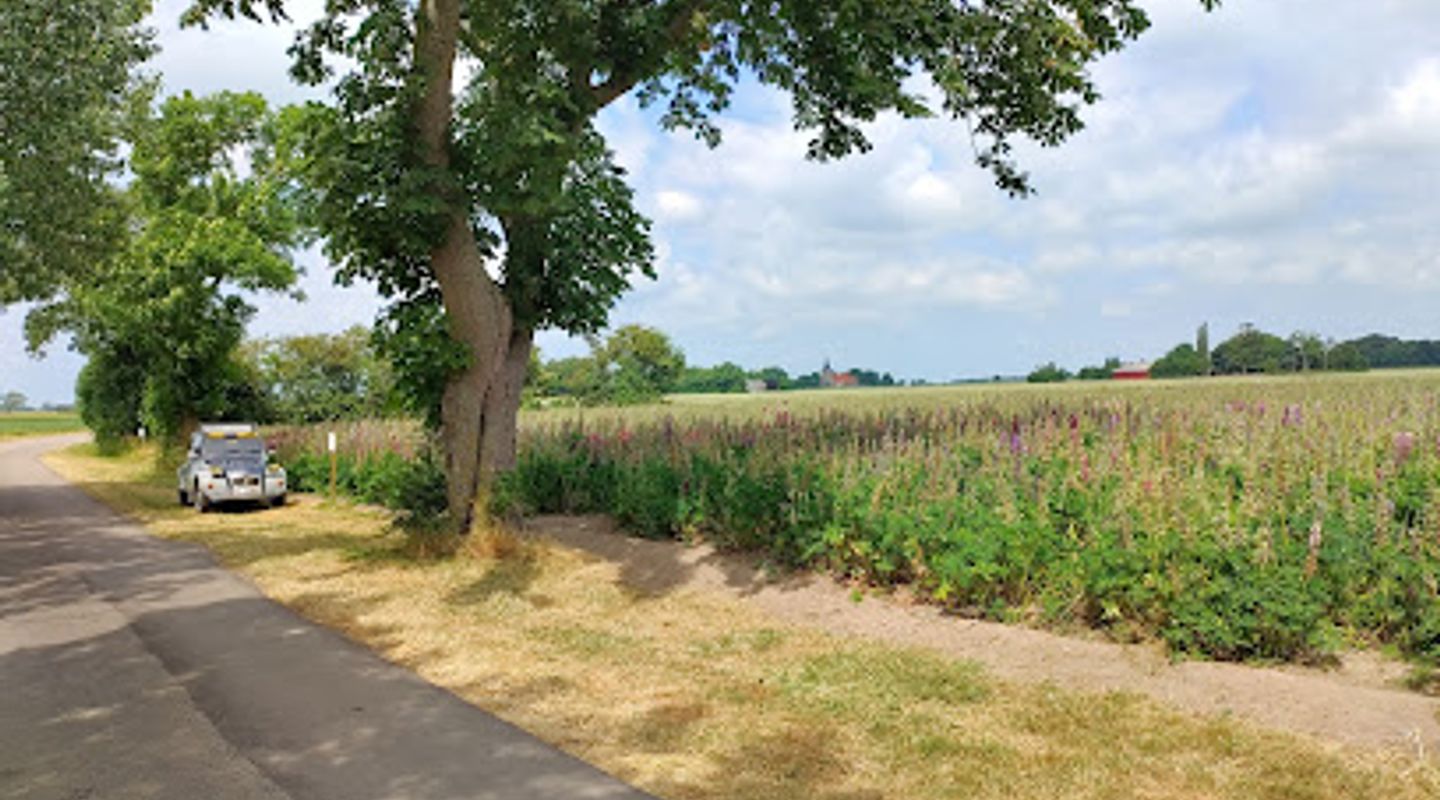
Lupinmark at Askøvej 21 sits in classic Lolland farm country: low, open land, clipped hedgerows and an enormous sky that seems to begin at your feet. For most of the year it is a quiet agricultural landscape, but when the lupins flower, the fields transform into an almost painterly sweep of color. Bands of violet, blue, pink and white seem to run right up to the tree line, framed by windbreaks and distant farm buildings.This is not a manicured garden, but a working rural setting where lupins have been sown as a spectacular flowering crop. The effect is striking in its simplicity – a single species on a grand scale, shifting subtly as light and weather change through the day.
Seasonal rhythm and fleeting color
The magic of Lupinmark is tied to the seasons. Late spring and early summer are usually the best times to see the flowers at their fullest, when tall spires are heavy with blooms and bees thread their way along each stem. Come a little earlier and you may find buds just beginning to open, giving the field a softer, pastel look; come later and the colors start to fade into summer greens as the seed heads form.Because this is an outdoor, cultivated area rather than a formal attraction, there are no guaranteed dates or fixed displays. That sense of uncertainty is part of the appeal: each visit is a snapshot of one moment in the growing year, never exactly the same twice.
Experiencing the fields up close
A visit here is typically short and unhurried. Many people simply pause at the roadside to admire the view and take photographs, while others wander carefully along the field edges to enjoy the scent and the close-up detail of the flowers. The open setting makes it easy to frame wide, cinematic shots of the lupins against the sky or pick out single stalks backlit by the sun.There is little in the way of infrastructure, so the ambience is quiet and low-key. You hear the wind in the stems, distant farm machinery, and the soft hum of insects. On still evenings, the colors deepen as the light turns golden, and the field takes on a more intimate, almost dreamlike character.
Light, weather and atmosphere
The broad horizon of Lolland means that light and weather play a starring role in any visit. Under clear skies, the lupins appear almost saturated, their colors intensifying against bright green foliage and pale clouds. On overcast days, the field becomes moodier and more subdued, with soft, even light that suits close-up photography and quiet contemplation.Wind can set the entire field in motion, rippling across the lupins in waves. After rain, droplets cling to each flower and leaf, turning the field into a glittering surface once the sun breaks through. Every change in the weather brings a different atmosphere, making the site rewarding even on less-than-perfect days.
Respecting a working rural landscape
Although Lupinmark is a photogenic destination, it remains part of an active agricultural area. Visitors are expected to treat the fields with care: staying to the edges where possible, avoiding trampling rows, and taking any rubbish back with them. This light footprint helps ensure that the lupins can continue to be cultivated and appreciated year after year.With no commercial facilities or entertainment, the experience is intentionally simple. It is an easy stop to combine with other outings on Lolland, offering a brief immersion in color and countryside before you move on to nearby villages, manor houses or coastal viewpoints.
A quiet pause between villages
Lupinmark works best as a contemplative pause rather than a full-day excursion. It is well suited to travelers who enjoy slow journeys through the countryside, photographers in search of vivid natural scenes, and anyone who appreciates how a single crop can transform a familiar landscape. Stand at the field edge for a few minutes and you quickly sense the rhythm of rural life unfolding around you, with the lupins as a vibrant, temporary centerpiece.
Evendo Review Centre
 Google
Guest reviews
Best time to go
Quietest: Jan, Feb & Nov · before 7am or from 9pm
Busy times are Evendo estimates for a typical year, to help you plan. Actual crowds vary with events, school holidays and the weather.
Explore Lupinmark on the map
A handpicked selection of must-see spots near Lupinmark, mapped for you.
Get your free copy of our complete guide to Lupinmark, delivered straight to you.
Everything on this page, from opening hours and how to get there to Eve’s tips and the best time to go, in one PDF you can read offline, print or share.
Already have an account? Sign in
Your Lupinmark guide is ready.
We'll send it to · Not you? Sign out

Getting your guide ready…
We are putting together a fresh copy of the Lupinmark guide. This can take up to a minute.
This can take a few moments. If your browser asks, choose Allow so the download can start. You'll find the guide in your Downloads folder.
Nothing happened? Download it again
Sorry, the guide is taking longer than usual. Please try again in a minute, or get it by email instead.
Other nearby places you may find interesting
The closest places of the same kind, if this one is not quite what you had in mind.
-
-
-
-
-


Swipe for more places
More to explore near Lupinmark

 Best experiences near Lupinmark
 Best hotels near Lupinmark
 Best landmarks near Lupinmark
 Best attractions near Lupinmark
 Best shops near Lupinmark
 Best restaurants near Lupinmark
 Best bars near Lupinmark
Do you manage this location?
Take control to get all the benefits, like improved information, better appearance, and stronger visibility across AI-powered discovery.
Explore more
Explore more of Lolland
Discover Lolland, Denmark's tranquil island retreat, offering lush landscapes, historic sites, and delightful local cuisine for an unforgettable escape.
Explore Lolland
Explore more of Denmark
Discover Denmark: A perfect blend of history, modern design, and the cozy concept of hygge. Explore vibrant cities, serene landscapes, and world-class cuisine.
Explore Denmark