Masnedø Fort, Lolland Travel Guide
Secluded island fortress blending coastal defenses, wartime history and contemporary arts in a windswept setting just off the shores of Vordingborg.
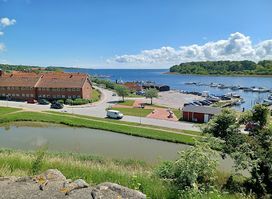
Masnedø Fort is a low-lying coastal fortress on a small island just off Vordingborg, built in the early 1900s to guard the vital link between Zealand and Lolland-Falster. Hidden behind grassy ramparts and surrounded by sea views, it combines dramatic military history, underground passages and artillery emplacements with a contemporary role as an arts venue and event space. The outer grounds are freely accessible year-round, inviting relaxed walks, picnics and quiet exploration in the sea breeze.
A brief summary to Masnedø Fort
- Masnedø, Vordingborg, 4760, DK
- Click to display
- Duration: 1 to 3 hours
- Free
-
 Outdoor
- Mobile reception: 4 out of 5

Know before you go
Hi, I'm Eve. Here are a few practical things to know before exploring Masnedø Fort.
- Wear a windproof layer; the exposed island setting can feel chilly even on bright days, especially along the ramparts.
- Bring a small flashlight if you plan to explore darker corridors and underground rooms during open-event periods.
- Check local listings in advance for the summer art exhibition or concerts, when interior spaces open and small entry fees may apply.
- Allow extra time to wander the exterior grounds; many of the best sea views are from informal paths rather than marked routes.
- After rainfall, expect slippery grass and puddles around the fort’s earthworks—sturdy footwear is more practical than sandals.
Do you manage this location?
Take control to get all the benefits, like improved information, better appearance, and stronger visibility across AI-powered discovery. Learn more about listing your business on Evendo
Activate your presenceOther nearby places you may find interesting
The closest places of the same kind, if this one is not quite what you had in mind.

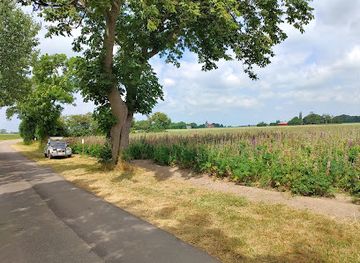
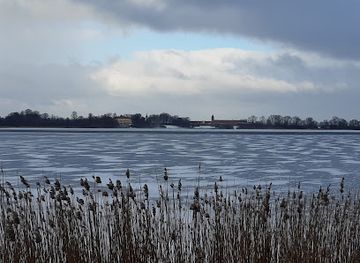
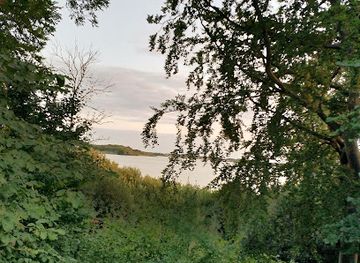
Explore Masnedø Fort on the Map
A handpicked selection of must-see spots near Masnedø Fort, mapped for you.
Getting There
-
Train and local transport
From Copenhagen, take a regular intercity or regional train to Vordingborg; the journey usually takes around 1 hour and 10–30 minutes, with departures at least once an hour. A standard adult ticket typically costs about DKK 120–200 one way, depending on service and time of purchase. From Vordingborg station, taxis can cover the short onward trip to Masnedø Fort in roughly 10–15 minutes, with fares commonly in the DKK 120–180 range. Services run year-round, but late-evening connections are less frequent, so check return times in advance.
-
Regional train from Nykøbing Falster
If you are based on Falster, regional trains run from Nykøbing Falster to Vordingborg in about 20–30 minutes, generally at least once an hour during the day. Single adult tickets are usually around DKK 40–70. From Vordingborg station, you can continue by taxi to the fort, a 10–15 minute ride costing roughly DKK 120–180. This option is convenient in most weather conditions; however, note that taxis may be in higher demand during major local events, so pre-booking is sensible on busy days.
-
Car or rental vehicle
Drivers approaching from Copenhagen or other parts of Zealand can follow the main E47/E55 route toward Vordingborg and continue over the bridge to Masnedø island. Travel time from central Copenhagen is typically 1.5–2 hours, depending on traffic. There is no toll on the bridge, and parking near the fort is generally free, though spaces can fill quickly when concerts or festivals are taking place. Roads are paved and straightforward in most conditions, but strong winds on the exposed bridge can make driving more demanding for high-sided vehicles.
-
Cycling from Vordingborg
For a more leisurely approach, experienced cyclists can ride from Vordingborg across to Masnedø, following local roads and cycle-friendly routes that typically take 20–35 minutes each way at a moderate pace. The terrain is mostly flat and manageable for casual riders, but windy conditions over the water can make the trip feel more strenuous. This is a free option, aside from any bicycle rental costs in town, and works best in mild, dry weather with good visibility.
For the on-the-go comforts that matter to you
-
 Restrooms
-
 Seating Areas
-
 Trash Bins
-
 Information Boards
Discover more about Masnedø Fort
A Seaside Stronghold Shaped by Strategy
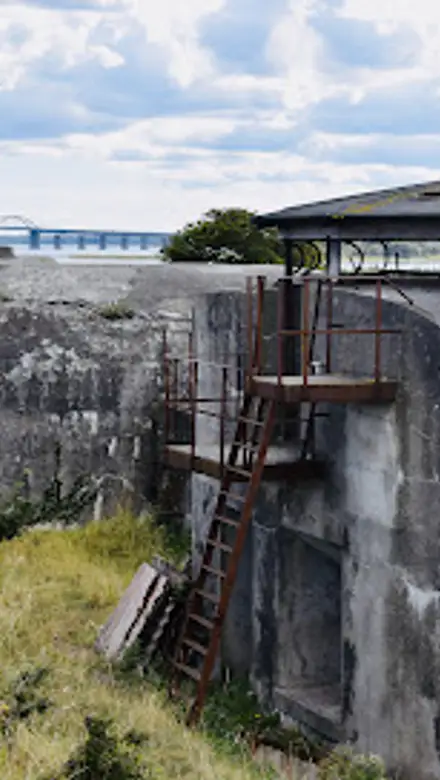
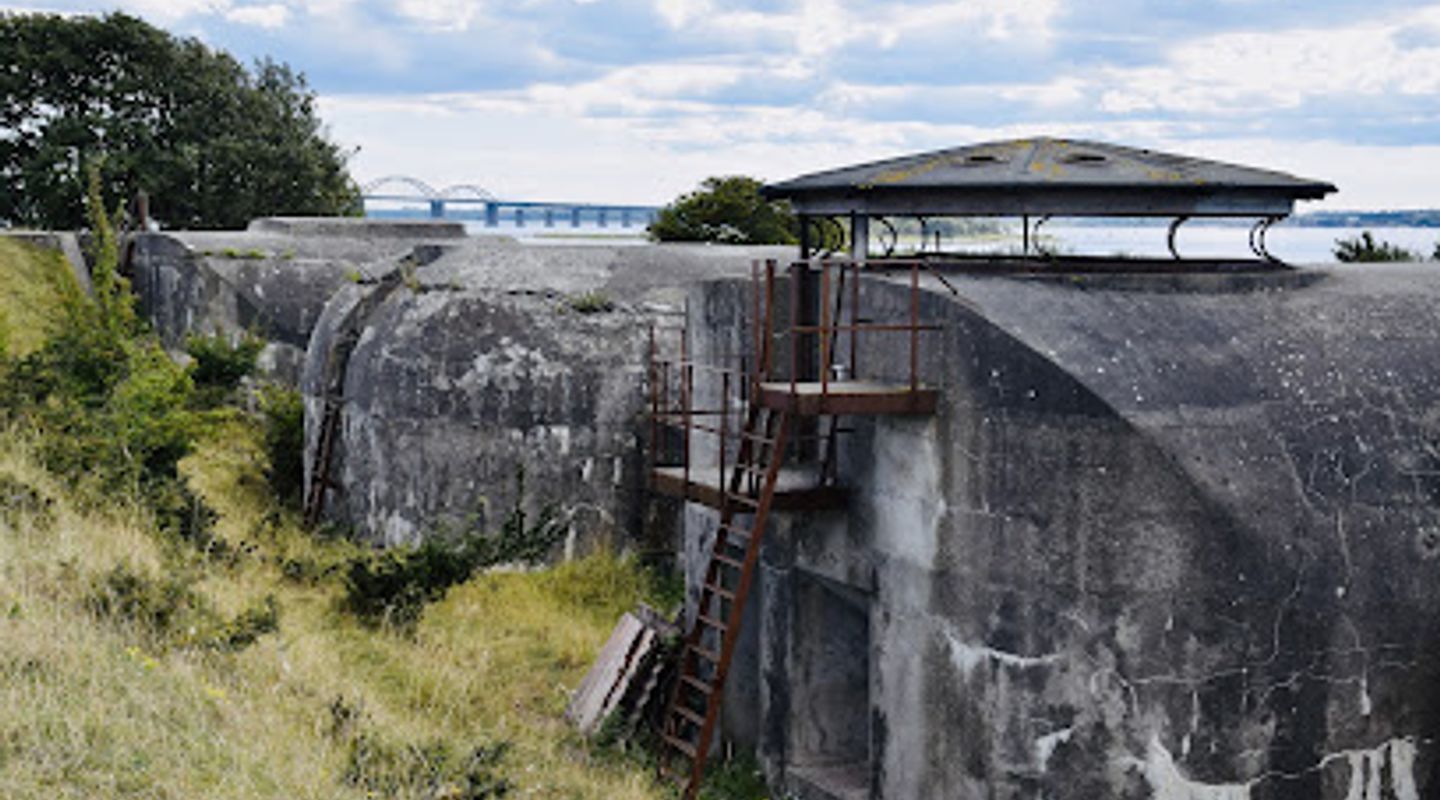
Masnedø Fort occupies a discreet rise on Masnedø island, its earthwork ramparts merging almost seamlessly with the surrounding fields and shoreline. Built between 1912 and 1915, the fort was designed to protect the critical connection between Zealand and the southern islands, overlooking the narrow Storstrømmen waters and the busy bridge and rail route that still link the country today. What looks like a grassy mound from afar reveals itself up close as a carefully engineered defensive position, with concrete gun emplacements, observation points and thick walls tucked into the landscape.The fort forms part of the wider system of Copenhagen’s coastal defenses, conceived at a time when heavy artillery and sea approaches defined national security. Here, cannons once pointed out over the strait, ready to control shipping lanes and safeguard the bridges behind. Even with the guns long silent, you can still trace the logic of the site in its orientation, the height of its embankments and the way the sea remains constantly in view.From Artillery Post to Wartime Target
Masnedø Fort’s quiet atmosphere today belies a turbulent past. In April 1940, it became one of the first places in the world to experience an airborne assault, when German paratroopers captured the position in the opening hours of the Second World War in Denmark. Securing the fort gave them immediate control over the Storstrøm Bridge route, a vital artery between mainland Europe and Copenhagen. For the rest of the conflict, the complex remained in German hands, part lookout, part strongpoint in a highly strategic corridor.After the war, the fort’s sturdy construction and isolated island location made it useful for a succession of military purposes. It has served as a penal and isolation facility, as well as a secret storage site for naval mines and other equipment during the Cold War decades. Walking through the casemates and along the ramparts today, it is easy to imagine the layers of classified work and guarded routines that once defined life here.Hidden Tunnels and Coastal Views
The heart of Masnedø Fort is its network of underground passages and vaulted rooms, some now repurposed for exhibitions and events, others left more atmospheric and bare. Light filters through narrow openings as you move between concrete corridors, magazines and former crew quarters. Outside, a broad grassed top offers pathways along the ramparts, where you can look across to the Storstrøm and Farø bridges, watch ships slip through the channel and feel the constant wind off the water.The entire complex covers a large area, with open lawns, secluded corners and remnants of military infrastructure scattered across the site. It is an inviting place for unhurried wandering, with frequent contrasts between enclosed, bunker-like spaces and expansive sea horizons. Birdsong and the sound of waves replace the echo of drills and orders that once filled the parade ground.Art, Events and Everyday Island Calm
Since the municipality acquired Masnedø Fort in the 1970s, it has gradually evolved from purely military site into a cultural and recreational landmark. The interior spaces periodically host a summer art exhibition featuring professional visual artists, turning former ammunition rooms into galleries and using thick walls as a backdrop for installations. At other times, theater performances, concerts and community events bring a very different energy to the old fort.Even outside event periods, the grounds function as a casual green space for picnics, short coastal walks and quiet reflection. Families come to let children clamber carefully around the ramparts, couples pause on benches to watch the changing light over the water, and photography enthusiasts frame the bridges and silhouettes of bunkers. There is no strict route; part of the appeal is simply discovering corners at your own pace.Planning a Visit to the Island Fortress
The exterior of Masnedø Fort is freely accessible all year, making it an easy stop on a wider exploration of Vordingborg and the surrounding islands. The inner rooms and tunnels typically open only during specific exhibitions or events, when there may be a modest admission fee. Most of the site is outdoors, with exposed paths and limited shelter, so windproof clothing is highly recommended, especially outside high summer.Surfaces around the fort are largely grass, compacted earth and a few uneven steps, which may require care in wet weather. Some areas are more suitable for strollers and wheelchairs than others, though the open lawns and views can still be enjoyed without entering every structure. Simple amenities are usually clustered near the main entrance or event areas, while the rest of the grounds retain a pleasantly unpolished, semi-wild character that fits the fort’s island setting.












Your all‑in‑one travel companion app
Explore expert travel guides, compare and book tours, experiences, hotels, and more—all from the palm of your hand. Download now for seamless trip planning wherever your wanderlust takes you.


Explore More of Lolland
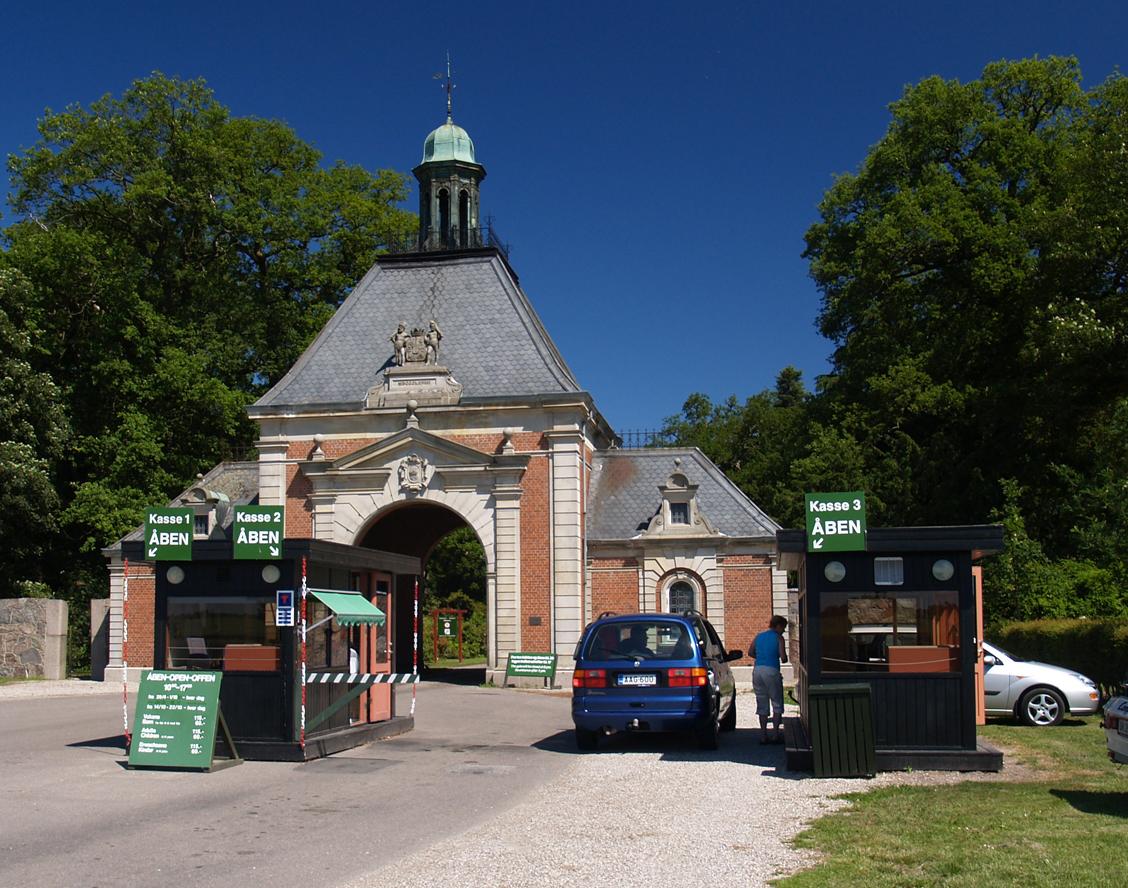
Looking beyond Masnedø Fort? Discover Lolland for broader travel guides, local hot-spots, and regional highlights.
Explore Lolland