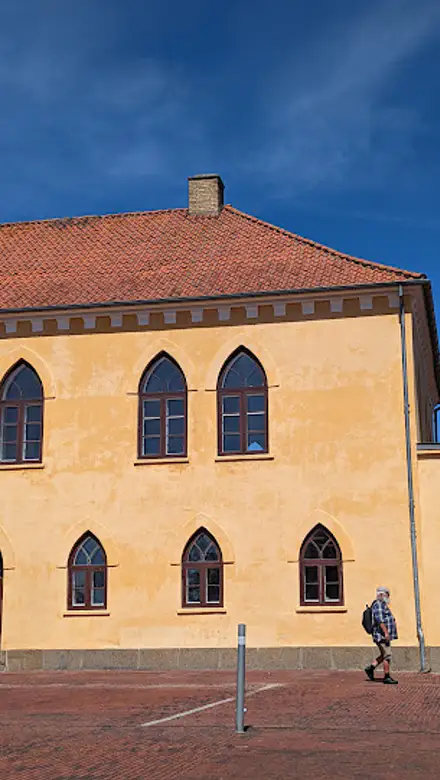
Museum Sydøstdanmark Travel Guide
Free Guide: Regional cultural history museum headquartered at Vordingborg’s castle ruins, weaving together royal power, archaeology and everyday life across South and East Zealand.


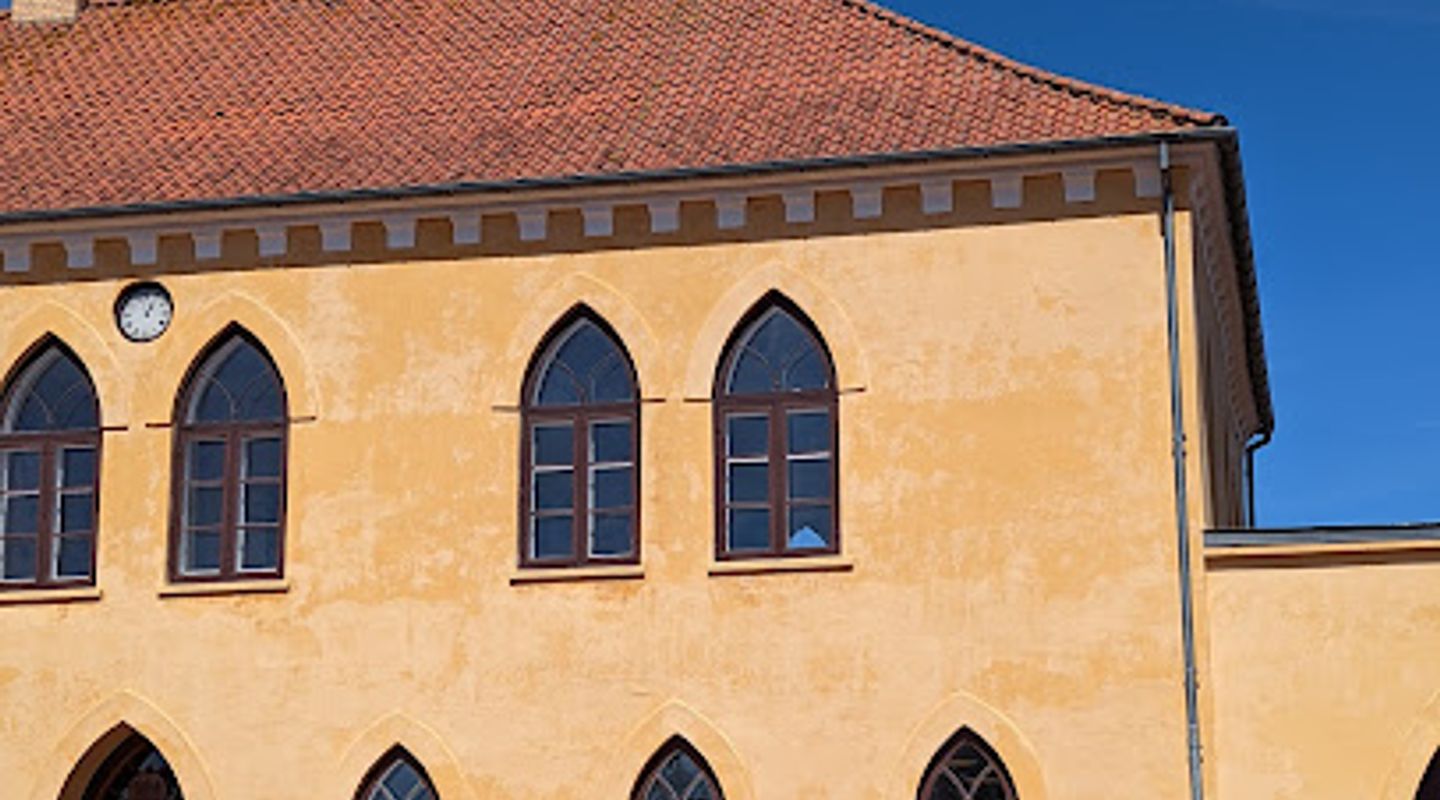
A brief summary of Museum Sydøstdanmark
Regional cultural history museum headquartered at Vordingborg’s castle ruins, weaving together royal power, archaeology and everyday life across South and East Zealand.
Museum Sydøstdanmark is a state-recognised cultural history museum headquartered by the castle ruins in Vordingborg, overlooking one of Denmark’s most evocative medieval sites. Formed in 2013 through the merger of museums in Næstved, Køge and Vordingborg, it curates archaeology and history across large parts of South and East Zealand. From royal power at Vordingborg Castle to everyday life in market towns and countryside, the museum links cutting‑edge research with accessible, story‑driven exhibitions and hands‑on experiences for all ages.
On-site amenities
 Restrooms
 Drink options
 Drinking water
 Food options
 Seating areas
 Sheltered areas
 Trash bins
 Information boards
 Visitor centre
Opening hours
- MonClosed
- TueClosed
- WedOpen 24 hours
- ThuClosed
- FriClosed
- SatClosed
- SunClosed
Opening hours as listed on the venue’s Google Business Profile. Hours can change for services and special events, so check with the venue before you go.
- Address
- Slotsruinen 1, 4760 Vordingborg
- Phone
- Website
Getting there
Train and local walk from Copenhagen
Car from Næstved and South Zealand
Regional bus within the Vordingborg area
Discover more about Museum Sydøstdanmark
A regional museum rooted in a medieval stronghold
Museum Sydøstdanmark is headquartered at Slotsruinen in Vordingborg, where the remains of a mighty medieval fortress form a dramatic backdrop to the museum’s work. From here, staff research, preserve and present the archaeology and history of several municipalities across South and East Zealand, tying together stories from coast, countryside and old market towns. The castle setting is more than scenery: it anchors the museum in centuries of Danish royal and military power.The institution was created in 2013 when Næstved Museum, Køge Museum and the museums of Vordingborg joined forces. This fusion allowed collections, archives and specialist knowledge to be brought under one umbrella, strengthening exhibitions and research projects. Today the museum acts as a regional hub, coordinating excavations, conservation and storytelling across a broad geographical area.
From royal power to everyday lives
One of the museum’s most distinctive strands is its focus on power and kingship, explored in depth through exhibitions linked to Vordingborg Castle and Denmark’s medieval monarchy. Armour, weapons, royal symbols and church objects help explain how authority was displayed and defended. Dramatic episodes of siege, alliance and reform are set against the physical remains of walls, towers and moats just outside.Yet the narrative extends far beyond castles. Across its sites the museum highlights daily life for merchants, craftsmen, farmers and fishermen over many centuries. Archaeological finds such as pottery, tools, jewellery and imported trade goods reveal how global connections reached even small Danish communities. Modern history is present too, from industrial innovation to changing housing and leisure, showing how this part of Zealand has continually reinvented itself.
Collections shaped by land and sea
The region covered by Museum Sydøstdanmark is characterised by coastline, fertile farmland and historic trading routes. This geography is reflected in the collections: maritime finds from inlets and harbours, agricultural tools from manors and village farms, and artefacts uncovered along ancient roads that once linked market towns to the wider Baltic world.Archaeological responsibility is central to the museum’s role. When new construction or infrastructure projects break ground, the museum’s archaeologists survey and, when necessary, excavate sites, rescuing traces of long‑vanished settlements, burial grounds and craft workshops. Many of the objects and stories in the exhibitions began in such trenches, then moved to conservation labs and, finally, into galleries where they are interpreted for a broad audience.
Architecture, atmosphere and exhibition design
The Vordingborg base combines the raw drama of the castle ruins with contemporary museum architecture. Glass, steel and clean lines are used to frame views of the medieval brickwork and the surrounding landscape, creating striking contrasts between old and new. Inside, exhibitions favour darkened rooms, spotlighted objects and large graphic installations that draw attention to intricate details on coins, seals or fragments of sculpture.Interactive elements are a hallmark of the museum’s approach. Digital media, models and tactile replicas invite you to engage with the material even if you do not read Danish. Soundscapes might evoke the clang of armour or the murmur of a medieval hall, while projected maps trace trade routes and battle lines across Northern Europe. The aim is to make complex historical processes tangible and memorable.
Research, education and community ties
Behind the scenes, Museum Sydøstdanmark functions as a research institution, collaborating with universities and other museums on projects ranging from Viking‑age trade to modern urban development. Specialists publish studies, curate thematic exhibitions and contribute to national debates on heritage protection and use of the past.Educational work is another pillar. School classes come to explore archaeology, handle replicas and work through structured learning programmes linked to the curriculum. The museum also engages local communities through talks, family activities and co‑created projects that collect memories, photos and objects from recent decades. In this way, residents help shape the narratives presented in the galleries.
Planning your visit and making the most of it
A visit to the Vordingborg site usually combines indoor exhibitions with time among the castle ruins outside. Weather can transform the experience: on clear days, views stretch across the town and water, while on overcast afternoons the remaining walls and towers feel especially atmospheric. Comfortable shoes and layered clothing are helpful if you intend to explore both museum spaces and the outdoor grounds.Most interpretation uses both Danish and English, and staff are used to welcoming international guests. Allow at least a couple of hours if you enjoy reading background texts, trying interactive stations and wandering around the castle area. Those with a keen interest in Danish history or archaeology may want even longer, especially if combining this site with other branches of Museum Sydøstdanmark elsewhere on Zealand.
Evendo Review Centre
 Google
Guest reviews
Best time to go
Quietest: Jan, Feb & Mar · before 8am or at 7pm
Busy times are Evendo estimates for a typical year, to help you plan. Actual crowds vary with events, school holidays and the weather.
Explore Museum Sydøstdanmark on the map
A handpicked selection of must-see spots near Museum Sydøstdanmark, mapped for you.
Get your free copy of our complete guide to Museum Sydøstdanmark, delivered straight to you.
Everything on this page, from opening hours and how to get there to Eve’s tips and the best time to go, in one PDF you can read offline, print or share.
Already have an account? Sign in
Your Museum Sydøstdanmark guide is ready.
We'll send it to · Not you? Sign out

Getting your guide ready…
We are putting together a fresh copy of the Museum Sydøstdanmark guide. This can take up to a minute.
This can take a few moments. If your browser asks, choose Allow so the download can start. You'll find the guide in your Downloads folder.
Nothing happened? Download it again
Sorry, the guide is taking longer than usual. Please try again in a minute, or get it by email instead.
Other nearby places you may find interesting
The closest places of the same kind, if this one is not quite what you had in mind.
-
-
-
-
-


Swipe for more places
More to explore near Museum Sydøstdanmark

 Best experiences near Museum Sydøstdanmark
 Best hotels near Museum Sydøstdanmark
 Best landmarks near Museum Sydøstdanmark
 Best attractions near Museum Sydøstdanmark
 Best shops near Museum Sydøstdanmark
 Best restaurants near Museum Sydøstdanmark
 Best bars near Museum Sydøstdanmark
Do you manage this location?
Take control to get all the benefits, like improved information, better appearance, and stronger visibility across AI-powered discovery.
Explore more
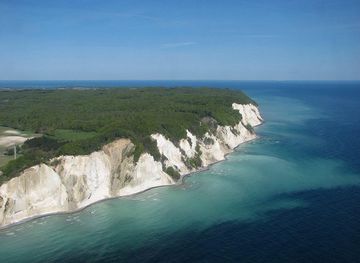
Explore more of South Zealand
Discover South Zealand, where dramatic cliffs, historic castles, and charming coastal towns create the perfect Danish escape.
Explore South Zealand
Explore more of Denmark
Discover Denmark: A perfect blend of history, modern design, and the cozy concept of hygge. Explore vibrant cities, serene landscapes, and world-class cuisine.
Explore Denmark