Yellow Palace, Lolland Travel Guide
A vivid yellow historic house at Denmark’s southern tip, the Yellow Palace turns Gedser’s railway and ferry heritage into an intimate, quietly atmospheric story.
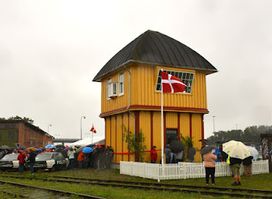
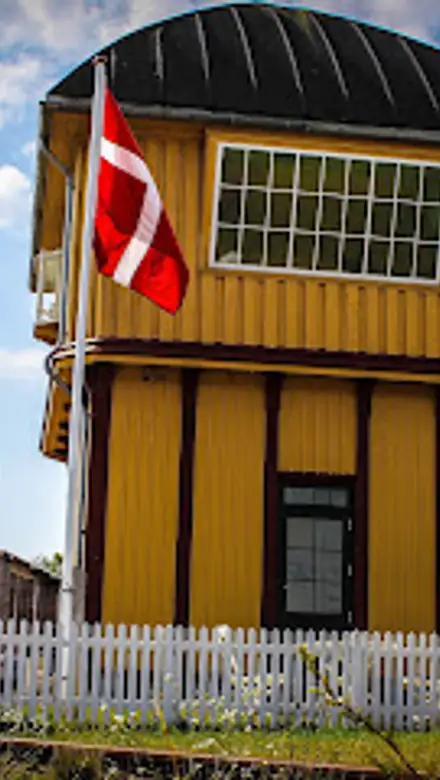
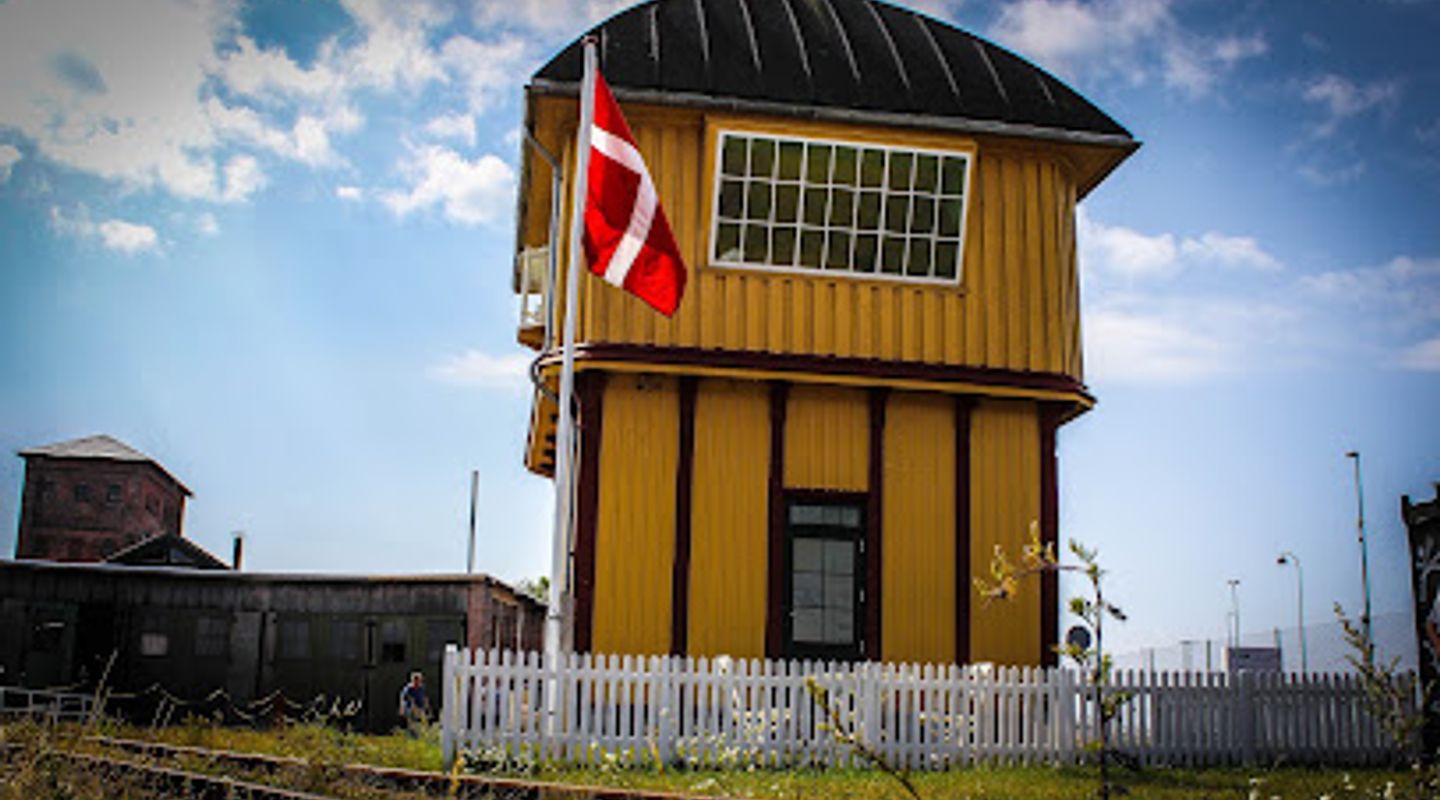
The Yellow Palace in Gedser is a striking canary-yellow historic building set beside the old railway facilities near Denmark’s southern tip. Today it serves as a small cultural and exhibition space, often linked with the nearby Gedser Remise railway museum, showcasing local history, maritime connections and life at the end of Europe. Expect a quiet, intimate visit with evocative interiors, period details and a strong sense of Gedser’s role as a gateway between Denmark and Germany.
A brief summary to Yellow Palace
- Stationsvejen 20, Gedser, 4874, DK
- Click to display
- Click to display
- Duration: 0.5 to 1.5 hours
- Budget
-
 Indoor
- Mobile reception: 4 out of 5
- Monday 11 am-5 pm
- Tuesday 11 am-5 pm
- Wednesday 11 am-5 pm
- Thursday 9 am-5 pm
- Friday 11 am-5 pm
- Saturday 11 am-5 pm
- Sunday 11 am-5 pm

Know before you go
Hi, I'm Eve. Here are a few practical things to know before exploring Yellow Palace.
- Plan around the typical 11:00–17:00 opening window and allow at least an hour so you can also combine your visit with the nearby Gedser Remise railway museum.
- Bring a light layer: coastal winds can be chilly even in summer, and the contrast between indoor and outdoor temperatures can be noticeable.
- Have some Danish kroner or a contactless card ready in case small exhibition fees or local refreshments are not fully cashless.
- Photography of the building’s exterior works well on overcast days; the strong yellow façade pops nicely against a grey sky.
- Combine your stop with a short walk towards the port or lighthouse to appreciate Gedser’s position at the southernmost point of Denmark.
Do you manage this location?
Take control to get all the benefits, like improved information, better appearance, and stronger visibility across AI-powered discovery. Learn more about listing your business on Evendo
Activate your presenceOther nearby places you may find interesting
The closest places of the same kind, if this one is not quite what you had in mind.
Explore Yellow Palace on the Map
A handpicked selection of must-see spots near Yellow Palace, mapped for you.
Getting There
-
Car from Nykøbing Falster
Driving from Nykøbing Falster to Gedser takes around 30–35 minutes via the main road across Falster, with straightforward, well-maintained routes. There are no tolls on this stretch, and fuel is the main cost; expect to spend roughly 40–70 DKK in fuel for a return trip depending on your vehicle. Parking in Gedser around the Yellow Palace area is generally free but may be time-limited in peak summer, so check local signs on arrival.
-
Regional bus from Nykøbing Falster
A regional bus connects Nykøbing Falster with Gedser in about 35–45 minutes, running several times a day with slightly reduced frequency on weekends and public holidays. A standard adult ticket for the journey typically falls in the 35–55 DKK range, with discounts for children and some travel cards. Buses usually stop within walking distance of the Yellow Palace; expect a flat, easy 10–15 minute walk through the town centre from the bus stop.
-
Ferry connection via Gedser port
If you arrive in Gedser on the international ferry from Rostock, the crossing itself takes about 2 hours. Foot passengers and vehicles pay different fares, but typical prices range from 150–400 DKK for a foot passenger and significantly more for a car with occupants, depending on season and booking conditions. From the port, the walk into Gedser town and towards the Yellow Palace takes around 20–25 minutes on mostly level terrain; allow extra time in windy or wet weather.
-
Cycling on Falster
Cycling to Gedser is popular in good weather, with dedicated or quiet roads across Falster. From Nykøbing Falster, expect a ride of about 22–25 km, typically 1.5–2 hours at a relaxed pace on mostly flat ground. There is no direct cost beyond bike hire if needed; daily rental in the region usually ranges from 80–150 DKK. Coastal winds can be strong, especially near Gedser, so bring layers and be prepared for changing conditions.
For the on-the-go comforts that matter to you
-
 Restrooms
-
 Seating Areas
-
 Trash Bins
-
 Information Boards
Discover more about Yellow Palace
A splash of yellow at Denmark’s southern edge
The Yellow Palace, or Det Gule Palæ, stands out immediately as you approach central Gedser, its vivid mustard façade bright against the flat Falster landscape. Set close to the former railway lines and port area, the building once formed part of the town’s transport hub, welcoming travelers heading to and from the ferry routes across the Baltic Sea. Its proportions are modest rather than grand, but the symmetrical frontage, tall windows and crisp detailing give it an air of understated dignity.Gedser is a small community, and the Yellow Palace feels closely woven into everyday life here. On quiet days you may hear only the wind and the distant call of seabirds as you cross the forecourt. The building’s bold color is not just decorative; it also helps it stand out on gloomy coastal days, a cheerful marker in a town where sea mist and low skies are common companions.From transport hub to cultural landmark
Historically, Gedser developed as a crucial ferry and rail connection towards Germany, and the Yellow Palace reflects that story. It has been associated with administrative, residential and representative functions for the railway and port, providing offices and dignified rooms that matched the town’s strategic importance. Inside, traces of that era linger in door frames, staircases and room proportions that feel more official than domestic.Over time, as ferry patterns shifted and rail services changed, the building’s role evolved. Rather than falling into disuse, it has been adopted as a small cultural venue, often complementing exhibitions at the nearby Gedser Remise railway museum. This transition from working hub to heritage site means visitors can now step into spaces that once shaped everyday operations and see them reinterpreted for storytelling and display.Exhibitions that bring Gedser’s stories to life
The heart of a visit lies in the exhibitions hosted within the Yellow Palace’s rooms. Displays typically focus on Gedser’s maritime links, the history of the railway connection, and the experiences of travelers passing through Europe’s northern gateways. Archival photographs, period objects and interpretive panels help explain how this small town found itself on major continental routes.Because the building is relatively compact, the experience feels intimate. You move from room to room, following thematic threads rather than a rigid circuit. Some spaces highlight engineering and infrastructure, others focus on local lives and personal stories. The setting itself—creaking floors, high ceilings and light falling through tall windows—adds an extra layer of atmosphere to the material on display.A calm stop on a wider Gedser itinerary
Most travelers weave the Yellow Palace into a broader exploration of Gedser, combining it with the nearby Gedser Remise, the port area and walks along the coast. The town is known for its quiet, almost contemplative feel, and the pace here matches that mood. There is no rush: you can linger over panels, step outside for fresh air, then return indoors if the weather turns.Expect a low-key visit rather than a large, interactive attraction. This is a place for curious travelers who enjoy piecing together stories from objects and spaces. Families with older children, railway and history enthusiasts, and anyone road-tripping through southern Falster will find it a rewarding stop, especially when paired with time at the lighthouse or the rhododendron arboretum elsewhere in town.Atmosphere, seasons and practical impressions
The building’s character shifts subtly with the seasons. In summer, warm light intensifies the yellow walls and the surrounding greenery, creating a gentle, almost nostalgic holiday atmosphere. In colder months, the exterior stands out against grey skies, and the interior feels like a sheltered retreat where you can escape the coastal wind for an hour or two.Inside, the mood is calm and unhurried. There is usually space to move around freely, read at your own speed and take photographs of architectural details such as doorways, stair rails and window views towards the former railway area. Combined with Gedser’s broader sense of remoteness at the tip of Denmark, the Yellow Palace offers a quiet, reflective encounter with local history rather than a crowded blockbuster attraction.












Your all‑in‑one travel companion app
Explore expert travel guides, compare and book tours, experiences, hotels, and more—all from the palm of your hand. Download now for seamless trip planning wherever your wanderlust takes you.


Explore More of Lolland
Looking beyond Yellow Palace? Discover Lolland for broader travel guides, local hot-spots, and regional highlights.
Explore Lolland