Yellow Palace Travel Guide
Free Guide: A cheerful ochre landmark in Gedser, the Yellow Palace blends small-town history, railway heritage, and garden charm at Denmark’s southern edge.


A brief summary of Yellow Palace
A cheerful ochre landmark in Gedser, the Yellow Palace blends small-town history, railway heritage, and garden charm at Denmark’s southern edge.
Painted in a warm ochre hue and set close to Gedser’s small-town center, the Yellow Palace is a quirky local landmark that once formed part of the town’s railway environment. Today this compact site combines historic architecture with small-scale exhibitions and objects linked to Gedser’s role as a ferry and rail gateway at the edge of Denmark. It is an easy, low-key stop to pair with walks around the harbor, visits to Gedser Odde, or a leisurely day exploring the southern tip of Falster.
On-site amenities
 Restrooms
 Trash bins
 Information boards
Opening hours
- MonClosed
- TueClosed
- WedClosed
- Thu9 am–5 pm
- Fri9 am–5 pm
- Sat9 am–5 pm
- Sun9 am–5 pm
Opening hours as listed on the venue’s Google Business Profile. Hours can change for services and special events, so check with the venue before you go.
- Address
- Stationsvejen 20, 4874 Gedser
- Phone
- Website
Getting there
Car from Nykøbing Falster
Regional bus within Falster
Ferry and on-foot from Rostock
Discover more about Yellow Palace
A bright landmark at Denmark’s southern edge
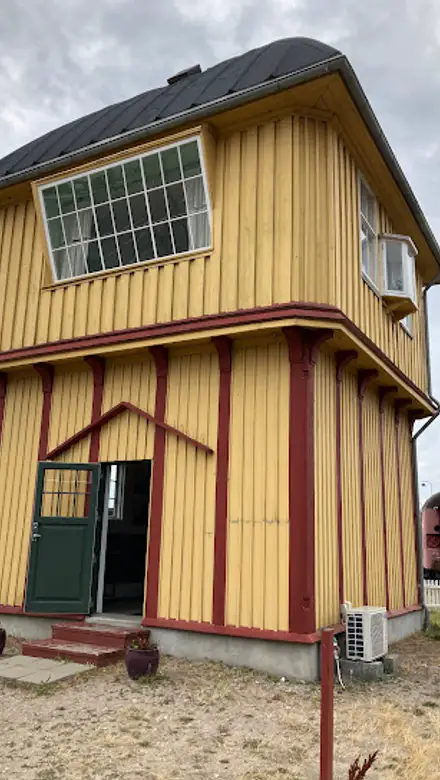
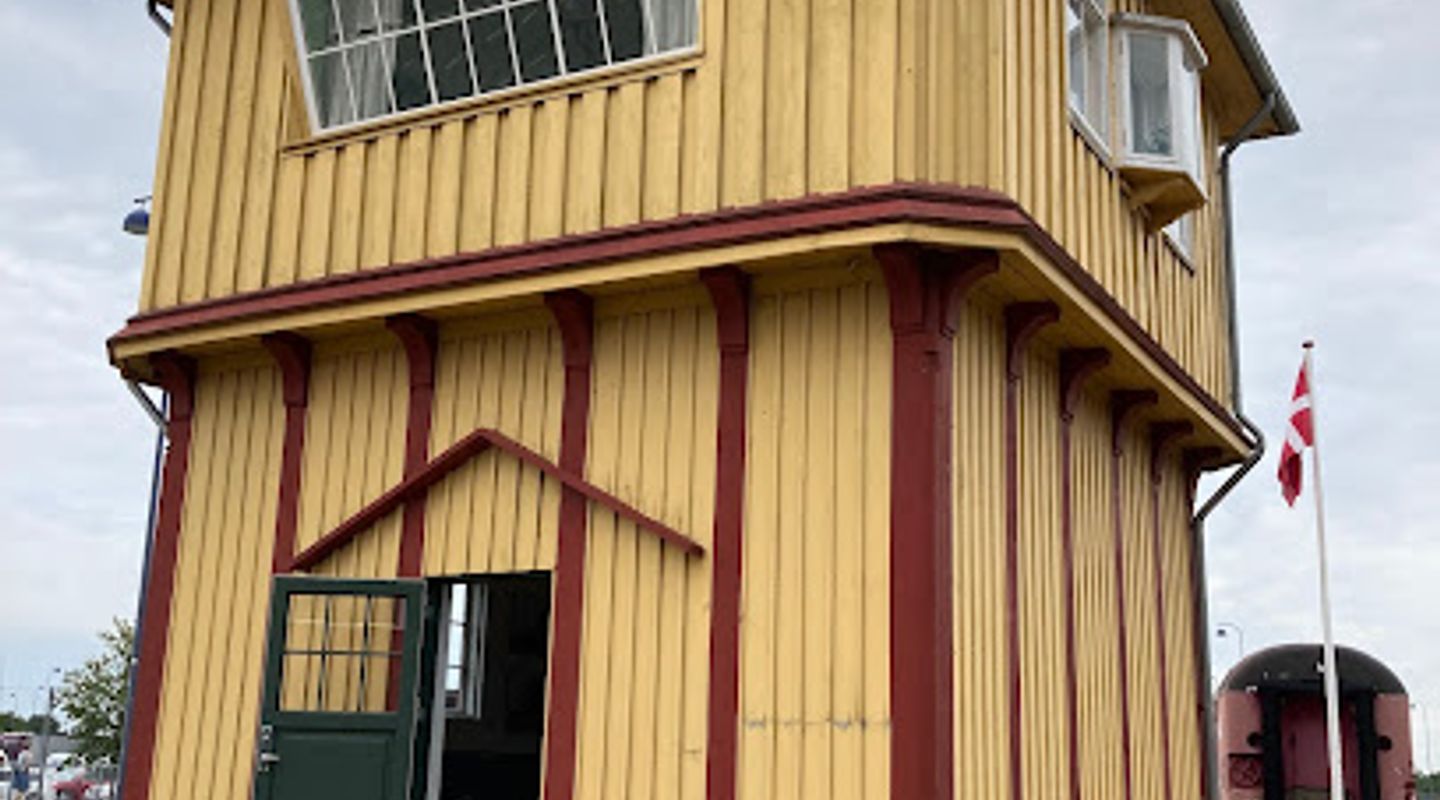
The Yellow Palace, or Det Gule Palæ, stands on Stationsvejen in Gedser, a compact town perched at the southern end of Denmark. The building’s sunny facade immediately catches the eye, with deeply saturated yellow walls framed by white details and a traditional pitched roof that feels unmistakably Danish. Although called a “palace,” it is closer to a dignified civic house than a grand royal residence, and that modesty is very much part of its charm.Its location a short stroll from the former railway facilities and ferry harbor hints at Gedser’s long role as a transport gateway to Germany and the wider Baltic region. The Yellow Palace fits into this story as one of several buildings that clustered around the tracks and port, giving the town its slightly maritime, slightly railway character.
From railway town backdrop to local attraction
Gedser grew in importance in the late 19th and 20th centuries as train and ferry links stitched Denmark more tightly to continental Europe. Around the station and nearby streets, solid, practical buildings appeared to house administration, services, and people who worked with the railway and the harbor. The Yellow Palace is a survivor of that period, with its name later adopted as a nod to its standout color and dignified lines.Although it is no longer a bustling transport office, the building’s interiors and small displays help anchor stories of Gedser as a frontier town. The focus is less on royal portraits and more on everyday life, crossings to and from Germany, and the infrastructure that once made Gedser feel like a hinge between north and south.
Inside the house: intimate stories and objects
Step through the doorway and the atmosphere shifts from bright facade to the soft creak of floors, modest rooms, and simple decor. The interior spaces are compact, with a homely feel rather than formal museum grandeur. Walls may hold photographs, documents, or modest objects that illustrate how Gedser’s rail and ferry links shaped local life, while smaller rooms invite you to move slowly and notice details.Because the building is relatively small, you can comfortably see everything without rushing. This makes it well suited to travelers who enjoy unhurried visits and the sense of having time to pause over a particular model, picture, or text panel. The experience is more like visiting a lived-in historic house than a large institutional museum.
Gardens, colors, and seasonal atmosphere
The Yellow Palace is framed by a neat outdoor area that comes into its own in spring and summer. The yellow walls glow against the greenery, and simple plantings add a gentle garden feel to the setting. It is an easy place to linger for a moment after your visit, taking in the contrast between the colorful facade, the often-fresh Baltic air, and Gedser’s quiet streets.Light plays a big part in how the building looks through the year. Under high summer sun, the yellow becomes almost luminous; on cooler, overcast days, it takes on a softer, pastel quality. Photographers will find plenty of angles, from close-up architectural details to wider compositions with the street and sky.
Planning a visit alongside Gedser’s other sights
Most visitors pair a stop at the Yellow Palace with a broader exploration of Gedser. The harbor, lighthouse, and wild coastal landscapes at Gedser Odde are all within easy reach, making the house a cultural counterpoint to long sea views and open nature. Its manageable size means it slots neatly into half a day spent walking between town and shore.You do not need to set aside a large block of time; anything from a short look inside to a more detailed hour with the exhibits can work. Combined with a cafe break in town or a walk along the coastal paths, the Yellow Palace helps round out an impression of Gedser as both a frontier port and a lived-in community at the end of the Danish peninsula.
Evendo Review Centre
 Google
Guest reviews
Best time to go
Quietest: Jan, Feb & Mar · before 7am or from 7pm
Busy times are Evendo estimates for a typical year, to help you plan. Actual crowds vary with events, school holidays and the weather.
Explore Yellow Palace on the map
A handpicked selection of must-see spots near Yellow Palace, mapped for you.
Get your free copy of our complete guide to Yellow Palace, delivered straight to you.
Everything on this page, from opening hours and how to get there to Eve’s tips and the best time to go, in one PDF you can read offline, print or share.
Already have an account? Sign in
Your Yellow Palace guide is ready.
We'll send it to · Not you? Sign out

Getting your guide ready…
We are putting together a fresh copy of the Yellow Palace guide. This can take up to a minute.
This can take a few moments. If your browser asks, choose Allow so the download can start. You'll find the guide in your Downloads folder.
Nothing happened? Download it again
Sorry, the guide is taking longer than usual. Please try again in a minute, or get it by email instead.
Other nearby places you may find interesting
The closest places of the same kind, if this one is not quite what you had in mind.
-
-
-
-
-


Swipe for more places
More to explore near Yellow Palace

 Best experiences near Yellow Palace
 Best hotels near Yellow Palace
 Best landmarks near Yellow Palace
 Best attractions near Yellow Palace
 Best shops near Yellow Palace
 Best restaurants near Yellow Palace
 Best bars near Yellow Palace
Do you manage this location?
Take control to get all the benefits, like improved information, better appearance, and stronger visibility across AI-powered discovery.
Explore more

Explore more of Gedser Odde
Discover Gedser Odde, Denmark's southernmost point, offering stunning Baltic Sea views, rich birdlife, and a peaceful retreat in untouched nature.
Explore Gedser Odde
Explore more of Denmark
Discover Denmark: A perfect blend of history, modern design, and the cozy concept of hygge. Explore vibrant cities, serene landscapes, and world-class cuisine.
Explore Denmark