Gedser Remise, Gedser Odde Travel Guide
Historic 12‑track roundhouse at Denmark’s southern tip, where vintage locomotives and a preserved depot tell the story of Gedser’s international rail gateway.
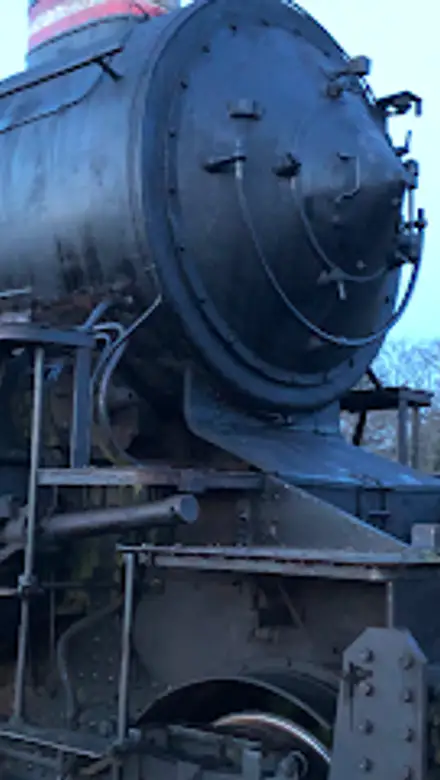
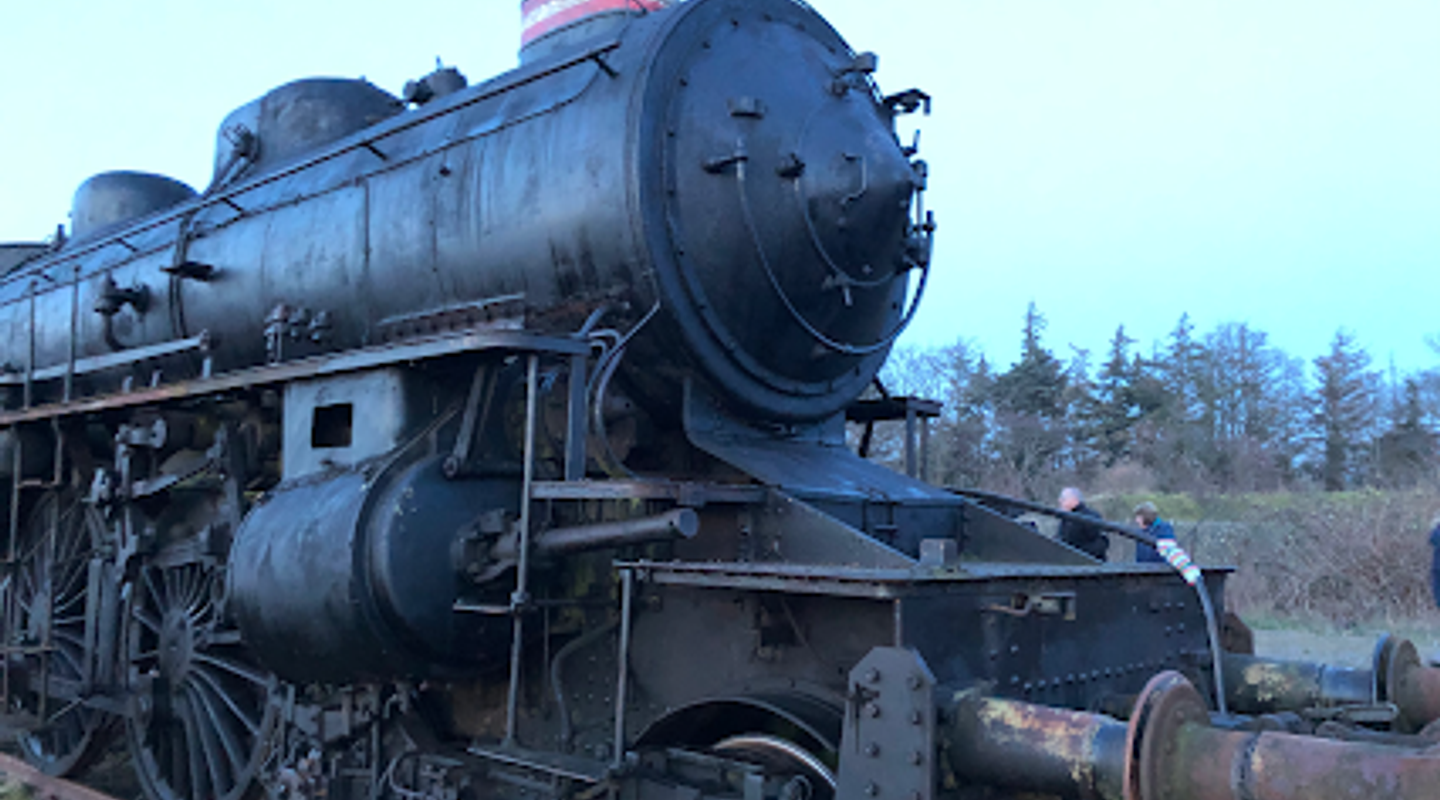
In Denmark’s southernmost town, Gedser Remise is a beautifully preserved 12-track railway roundhouse that once served as a vital depot for international trains heading to the ferry and on to Germany. Today it functions as an atmospheric rail museum, where you can wander among vintage locomotives, rolling stock and workshop equipment, step into historic carriages, and sense the era when Gedser was a busy Baltic gateway. It is a compact, engaging stop for rail enthusiasts, families and anyone curious about transport history.
A brief summary to Gedser Remise
- Stationsvejen 20, Gedser, 4874, DK
- Click to display
- Click to display
- Duration: 1 to 2 hours
- Budget
-
 Indoor
- Mobile reception: 4 out of 5
- Tuesday 11 am-4 pm
- Wednesday 11 am-4 pm
- Thursday 11 am-4 pm
- Friday 11 am-4 pm
- Saturday 11 am-4 pm
- Sunday 11 am-4 pm

Know before you go
Hi, I'm Eve. Here are a few practical things to know before exploring Gedser Remise.
- Check the museum’s current opening calendar in advance, as Gedser Remise opens seasonally and on selected dates rather than every day year‑round.
- Plan around one to two hours for your visit so you have time to walk each bay of the roundhouse, read displays and take photos without hurrying.
- Wear comfortable, closed shoes; floors can be uneven near tracks and you may step over rails while exploring the locomotives.
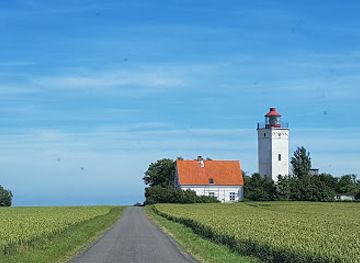
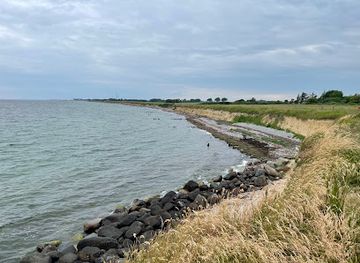
- Combine the museum with a coastal walk or a stop at Gedser Odde to make a varied half‑day of history and Baltic Sea scenery.
- Bring a light layer even in summer, as the large indoor hall can feel cool compared with the outside temperature.
Do you manage this location?
Take control to get all the benefits, like improved information, better appearance, and stronger visibility across AI-powered discovery. Learn more about listing your business on Evendo
Activate your presenceOther nearby places you may find interesting
The closest places of the same kind, if this one is not quite what you had in mind.
Explore Gedser Remise on the Map
A handpicked selection of must-see spots near Gedser Remise, mapped for you.
Getting There
-
Car
From Nykøbing Falster, driving to Gedser Remise takes about 30–35 minutes via the main route south across Falster. The roads are paved and straightforward, with normal traffic outside peak holiday periods. Parking near the museum and in central Gedser is typically free, but spaces can fill more quickly on busy summer days, so allow a little extra time if you are visiting in July or August.
-
Public transport
Regular regional buses connect Nykøbing Falster with Gedser in around 40–50 minutes, serving the town and port area. Tickets for the journey usually cost in the range of 40–70 DKK one way, depending on discounts and ticket type. Services run more frequently on weekdays than late evenings or Sundays, so check the timetable and aim for a daytime arrival if you want a relaxed visit.
-
Taxi
A taxi from Nykøbing Falster to Gedser Remise typically takes about 30 minutes, offering a direct ride without changes. Fares for this distance are commonly in the region of 300–400 DKK one way, varying with time of day and waiting time. Booking ahead by phone is advisable in the evening or outside the main holiday season to ensure availability.
-
On foot from Gedser centre
If you are already in Gedser, walking to the museum from the central area or near the harbour takes roughly 10–20 minutes at a relaxed pace. The route is flat and on urban streets, generally suitable for most visitors including families with strollers, though surfaces can be uneven in places near the former railway area, so watch your footing as you approach.
For the on-the-go comforts that matter to you
-
 Restrooms
-
 Seating Areas
-
 Trash Bins
-
 Information Boards
Discover more about Gedser Remise
Railway gateway at Denmark’s southern edge
Gedser Remise sits just inland from the harbour in Gedser, long a strategic gateway between Denmark and Germany. Built as a 12-track roundhouse, it served as a key depot where locomotives and carriages were prepared for the onward ferry crossing across the Baltic Sea. From here, passenger and freight services linked Copenhagen and the rest of Denmark with Rostock and the European mainland, making this small town far more important than its size suggests.Stepping into the broad, semi-circular hall, you immediately understand the scale of operations that once pulsed through Gedser. Tracks fan out from a central turntable, each leading into a separate bay under the high roof. The structure is an impressive example of early 20th‑century rail architecture, designed for efficiency but now appreciated for its industrial beauty and sense of space.Inside the roundhouse: locomotives and lives
Today the building houses a rail museum that brings this history to life through an evolving collection of locomotives, carriages and maintenance vehicles. You can walk right up to robust diesel and preserved steam engines, studying the details of buffers, couplings and control cabs. Vintage carriages evoke a slower age of travel, with simple seating, luggage racks and period fittings that hint at stories of commuters, soldiers and holidaymakers who once passed through Gedser.Around the edges of the hall, smaller exhibits and tools show how the railway was maintained: heavy jacks, workshop benches and signalling equipment all testify to the craft and labour behind each departure. Interpretive material explains how the depot supported both local services on Falster and the international trains timed to meet the ferries.Sounds, smells and seasonal atmosphere
Part of Gedser Remise’s charm is its sensory atmosphere. Light filters through high windows onto steel wheels and oily tracks, and the lingering smell of metal and timber gives the hall a workshop character even when engines are silent. On certain days there may be movements of heritage stock or activities in side rooms, adding clangs, echoes and the occasional horn blast to the ambient soundtrack of gulls and distant port noise.The museum’s opening days are concentrated into specific seasons and selected dates, often centred on school holidays and late-year periods. This gives visits a slightly special-event feel: some days are quiet and contemplative, ideal for slow wandering and photography, while others can be more animated with families, enthusiasts and organised groups.A compact visit in a wider coastal day out
Gedser Remise is not a full‑day attraction on its own, but it fits neatly into a broader exploration of Gedser and southern Falster. Its compact size makes it easy to experience in depth without rushing, and it pairs naturally with walks to the nearby harbour or further out along the coast towards Gedser Odde. For many visitors it becomes the cultural or historical counterpoint to the area’s open landscapes and sea views.Practical facilities are straightforward rather than elaborate, and the setting remains pleasantly down‑to‑earth. This is a place where you come primarily to engage with the material history of the railway, appreciate the preserved structure and take time to imagine the bustle of trains that once cycled through the bays on a tightly choreographed timetable.For families, enthusiasts and curious travellers
Rail fans will find details to linger over, from the arrangement of the tracks and turntable to paint schemes and mechanical components. Children often respond to the sheer size of the engines and the chance to stand close to them, while adults can enjoy explaining how international train‑ferry travel once worked before fixed links transformed routes elsewhere in Denmark.Because the museum is manageable in scale, it works well for multi‑generational visits: there is enough to fascinate specialists but not so much that casual visitors feel overwhelmed. Combined with Gedser’s small‑town calm and coastal surroundings, Gedser Remise offers a quietly distinctive stop at the end of the rail line and the beginning of the Baltic Sea.












Your all‑in‑one travel companion app
Explore expert travel guides, compare and book tours, experiences, hotels, and more—all from the palm of your hand. Download now for seamless trip planning wherever your wanderlust takes you.


Explore More of Gedser Odde
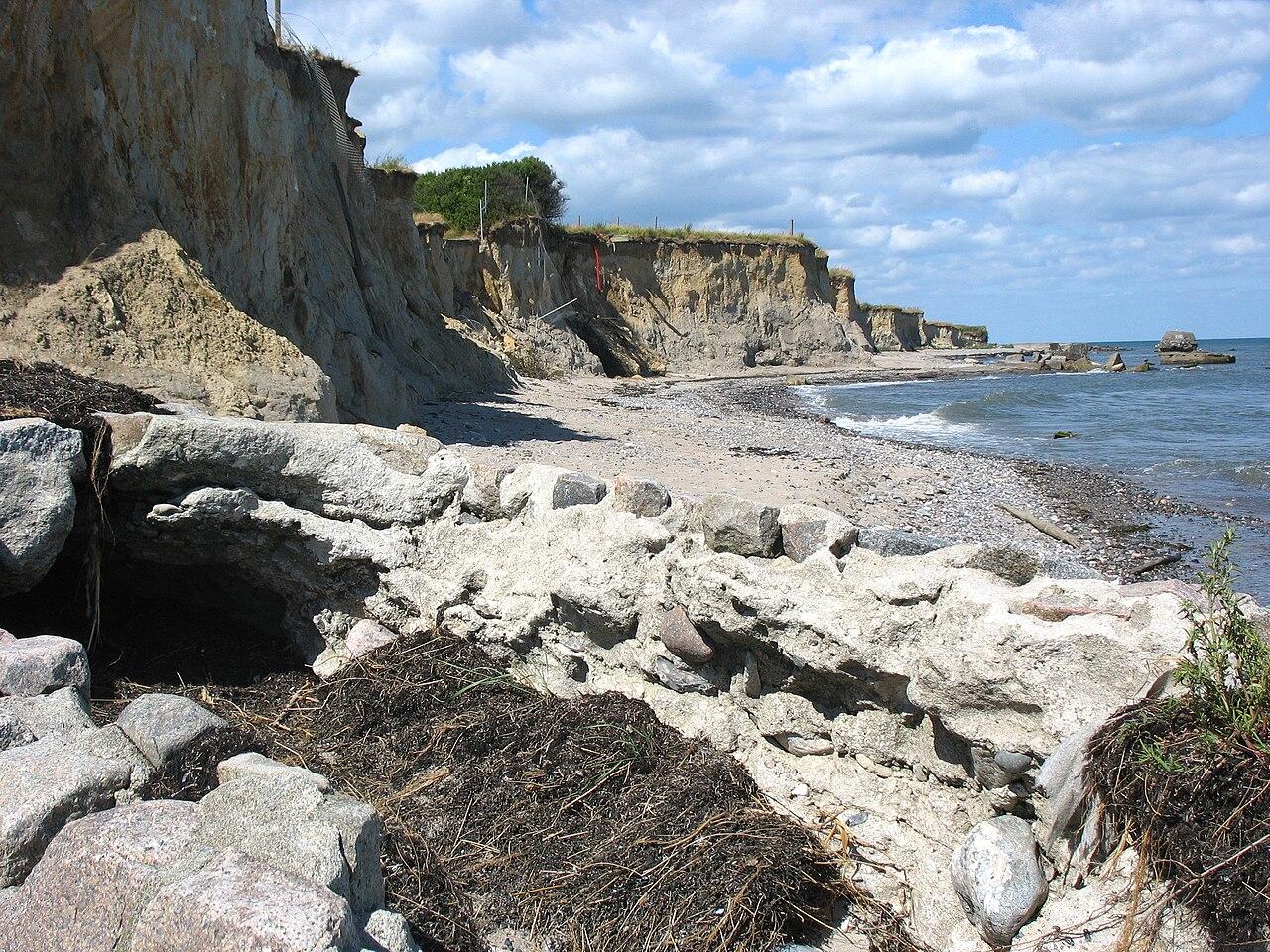
Looking beyond Gedser Remise? Discover Gedser Odde for broader travel guides, local hot-spots, and regional highlights.
Explore Gedser Odde