Fuglsang Kunstmuseum, Mon Travel Guide
Light-filled Danish art museum in the Lolland countryside, where minimalist architecture, strong collections and big-sky views create a quietly memorable escape.
Set on the flat, windswept landscapes of Lolland, Fuglsang Kunstmuseum is a bright, contemporary art museum known for its strong collection of Danish art from the 18th century to today. Inside its minimalist galleries, you move from Golden Age landscapes and Skagen light to modern and contemporary works, framed by striking views across fields and wetlands. Thoughtful architecture, level access and a calm, spacious layout make this a rewarding stop for art lovers, design fans and families alike.
A brief summary to Fuglsang Kunstmuseum
- Nystedvej 71, Guldborgsund Municipality, Toreby L, 4891, DK
- Click to display
- Click to display
- Duration: 1.5 to 3 hours
- Mid ranged
-
 Indoor
- Mobile reception: 4 out of 5
- Monday 10 am-5 pm
- Tuesday 10 am-5 pm
- Wednesday 10 am-5 pm
- Thursday 10 am-5 pm
- Friday 10 am-5 pm
- Saturday 10 am-5 pm
- Sunday 10 am-5 pm

Know before you go
Hi, I'm Eve. Here are a few practical things to know before exploring Fuglsang Kunstmuseum.
- Plan 2–3 hours so you can see both the permanent collection and any temporary exhibition, then finish with time by the large landscape window or a short walk outside.
- Check current opening hours and any seasonal closures in advance, as winter schedules and renovation periods can affect which galleries are accessible.
- If you enjoy quiet galleries, aim for late morning on weekdays outside school holidays, when group visits and family activities are less frequent.
- Make use of the highly accessible layout; if needed, reserve a wheelchair or walker in advance so it is ready for you when you arrive.
- Combine your visit with the nearby manor grounds or a stroll towards the coast to see how the surrounding landscape has inspired many works in the collection.
Do you manage this location?
Take control to get all the benefits, like improved information, better appearance, and stronger visibility across AI-powered discovery. Learn more about listing your business on Evendo
Activate your presenceOther nearby places you may find interesting
The closest places of the same kind, if this one is not quite what you had in mind.
Explore Fuglsang Kunstmuseum on the Map
A handpicked selection of must-see spots near Fuglsang Kunstmuseum, mapped for you.
Getting There
-
Regional train plus bus from Nykøbing Falster
From Nykøbing Falster station, take the regional bus toward Toreby or Nysted that serves Fuglsang Kunstmuseum; the ride typically takes 20–30 minutes depending on the route. Services generally run at least once per hour during the day, with reduced frequency in the evening and on weekends. A standard adult ticket for this regional bus journey usually costs around DKK 24–40 each way, depending on zones and discounts. Buses stop a short walk from the museum entrance and are suitable for visitors with limited mobility, though it is wise to check the latest timetable and any holiday schedules in advance.
-
Car from Nykøbing Falster and Lolland towns
Driving from Nykøbing Falster to Fuglsang Kunstmuseum typically takes about 15–20 minutes, while journeys from other Lolland towns such as Maribo often take 30–40 minutes. The roads are paved and straightforward, and no special vehicle is required. Parking is available near the museum at no or low cost, but spaces can fill up on busy days, especially when events or school visits are scheduled, so arriving earlier in the day gives you more choice. This option is convenient for families and those combining the museum with wider exploration of Lolland-Falster.
-
Bicycle from nearby villages
For a slower approach, you can cycle from nearby villages or accommodations in the countryside, with typical journey times of 20–45 minutes from the closer settlements. The terrain around Fuglsang Kunstmuseum is largely flat, making cycling accessible to most reasonably fit visitors, but you are exposed to wind and weather, so suitable clothing is important. There is no extra cost beyond bicycle rental if needed, which in the region usually starts from about DKK 100–150 per day. Basic bicycle parking is available by the museum, allowing you to secure your bike before heading inside.
For the on-the-go comforts that matter to you
-
 Restrooms
-
 Drink Options
-
 Drinking Water
-
 Food Options
-
 Seating Areas
-
 Sheltered Areas
-
 Trash Bins
-
 Information Boards
-
 Visitor Center
Discover more about Fuglsang Kunstmuseum
A museum in the wide-open fields of Lolland
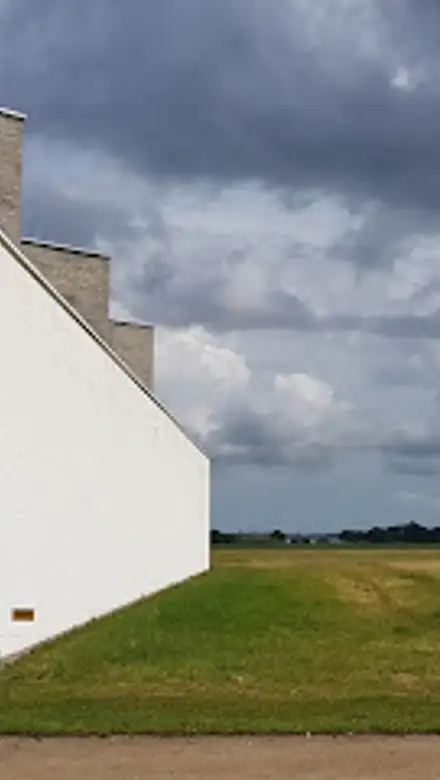
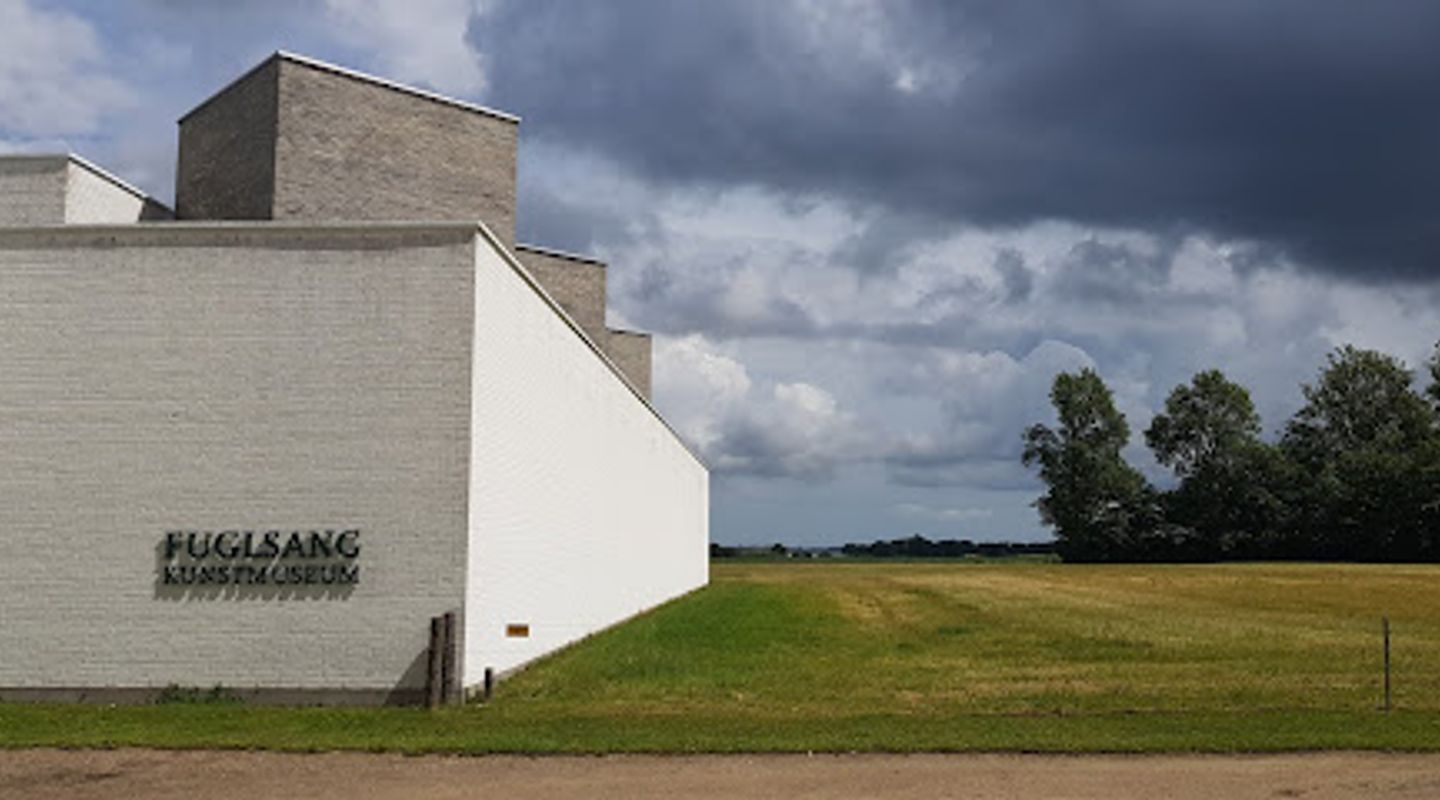
Fuglsang Kunstmuseum sits almost unexpectedly in open countryside near Guldborgsund, surrounded by flat fields, big skies and the historic Fuglsang Manor. The approach across the agricultural landscape heightens the sense of arrival: a low, contemporary building set against a horizon of dikes, trees and the distant Baltic shoreline. This rural setting is an integral part of the experience, giving the museum a quiet, contemplative character far from city noise.The name Fuglsang, meaning “birdsong”, hints at the sensory mix here: on breezy days you may hear the rustle of reeds and calls of shorebirds as you walk from car or bus to the entrance. The museum forms part of a small cultural cluster together with the manor and nearby nature areas, yet it retains a clear identity as a place devoted to Danish art and careful looking.Danish art from Golden Age to contemporary voices
Inside, the collection focuses on Danish art from the late 1700s up to the present, arranged in a sequence that lets you trace changing ideas about landscape, people and modern life. Early rooms often feature Golden Age painters working with delicate light and meticulous detail, giving a sense of Denmark as a land of quiet coasts and modest towns. Further along, 19th‑century realism and Symbolism introduce more dramatic skies, social themes and inner worlds.The museum is particularly known for strong holdings of landscape and regional motifs from Lolland‑Falster and surrounding islands, so you can compare the painted fields and coastlines on the walls with the vistas glimpsed through the windows. Modern and contemporary works bring color, abstraction and experimental forms, often in dialogue with the older pieces. Temporary exhibitions, which change through the year, might spotlight a single artist, a theme such as the sea or the body, or fresh perspectives on the permanent collection.Architecture that frames art and landscape together
The building, by architect Tony Fretton, is a crisp, modernist volume in pale materials that feels both modest and carefully honed. Long corridors and enfilades of galleries create framed views, so each doorway offers a new composition of paintings, sculpture and light. Skylights and high windows bring in a soft, even illumination that suits Danish painting particularly well, avoiding harsh shadows.One of the most memorable spaces is a long room ending in a single, large window that looks straight out across meadows towards the water. Here the boundary between museum and nature blurs: visitors often pause on benches simply to sit, watch the weather move over the landscape and let the artworks and the view merge. Throughout, the architecture encourages slow movement, with wide passages, resting spots and subtle sightlines linking one exhibition zone to the next.Practical comforts, café culture and family‑friendly details
Despite its rural location, Fuglsang Kunstmuseum is well equipped for a comfortable visit. The entrance area gathers ticketing, a small but carefully curated shop and information about current exhibitions and events. A café serves drinks, light meals and cakes, with seating that often enjoys garden or landscape views, turning a visit into a relaxed half‑day outing rather than a quick stop.The museum is designed with accessibility in mind, featuring level access, wide doors and accessible restrooms. Mobility aids such as wheelchairs and walkers can be borrowed on request, making it straightforward for visitors with reduced mobility to enjoy the galleries. Families benefit from uncluttered spaces where children can move relatively freely, as well as activity materials and occasional workshops that introduce younger visitors to art in a playful way.Between art, manor house and nature reserves
Step outside after the galleries and you are quickly back in the Lolland landscape. Paths link the museum to the historic Fuglsang Manor and the coastal nature area at Skejten, where grazing animals, wetlands and low vegetation create a semi‑wild edge to the island. Many visitors combine indoor art viewing with a short walk in these surroundings, letting the motifs seen on canvas echo in real life.This interplay between culture and nature is one of the site’s distinctive strengths. The museum feels neither like a remote white cube nor a grand urban institution, but something in between: an approachable cultural hub embedded in working countryside. Whether you come for a specific exhibition, an architectural pilgrimage, or simply to sit before the great picture window and watch clouds over the fields, Fuglsang Kunstmuseum offers a quietly memorable way to engage with Danish art and landscape in the same visit.












Your all‑in‑one travel companion app
Explore expert travel guides, compare and book tours, experiences, hotels, and more—all from the palm of your hand. Download now for seamless trip planning wherever your wanderlust takes you.


Explore More of Mon
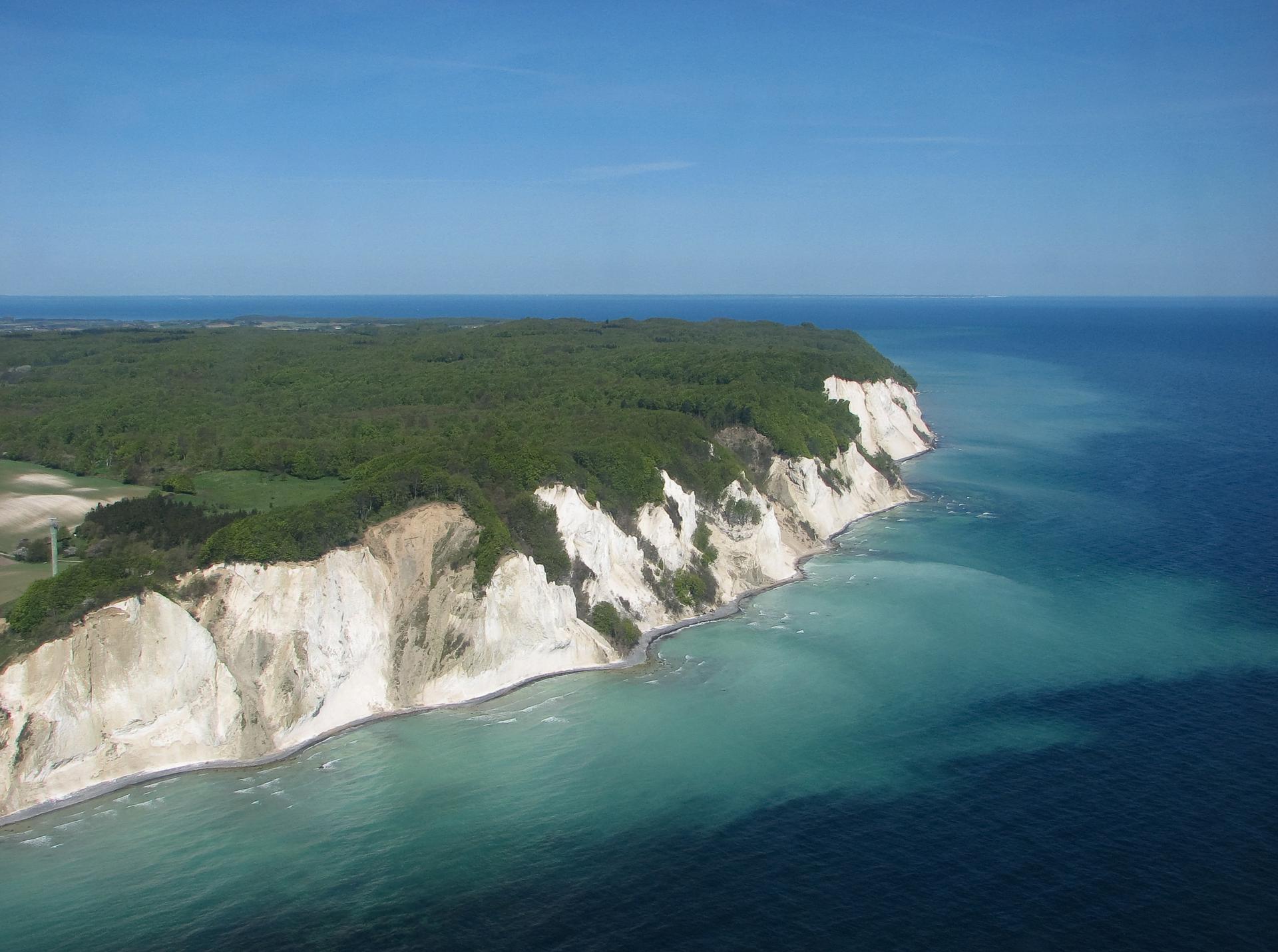
Looking beyond Fuglsang Kunstmuseum? Discover Mon for broader travel guides, local hot-spots, and regional highlights.
Explore Mon
Intimate south‑Lolland marina with big‑sky sea views, cosy quayside life and easygoing facilities for sailors, day trippers and camper van travellers.
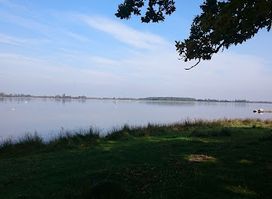
Untamed meadows, ice-age boulders and ancient oaks linking Fuglsang’s manicured park to the wide, wind-brushed waters of Guldborgsund on Lolland’s quiet shore.