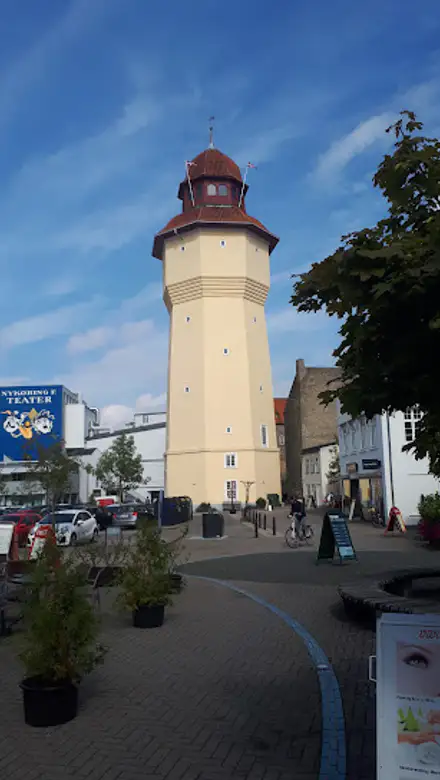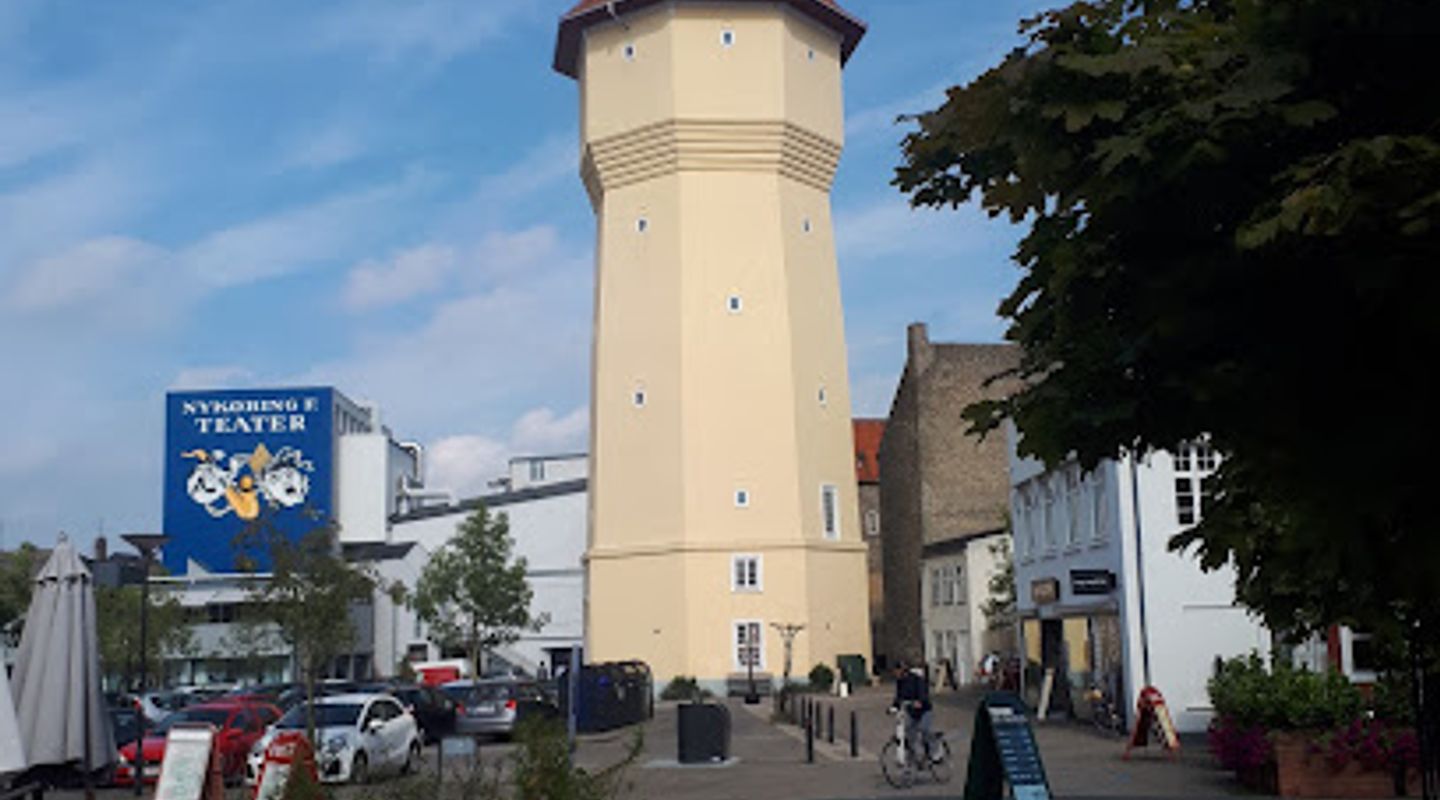
Museum Obscurum, Mon Travel Guide
Step into Cornelius S.C. Rödder’s dimly lit townhouse, where cryptids, curiosities and occult archives invite you to question what is museum fact and what is carefully crafted myth.
Museum Obscurum in Nykøbing Falster is a theatrically staged "cabinet of curiosities" built around the fictional 19th‑century collector Cornelius S.C. Rödder and his secret cryptozoological hoard. Housed in the historic Falsters Minder building, its dimly lit rooms are packed with uncanny specimens, occult objects and oddities that blur the line between folklore and fact. Expect atmospheric storytelling, playful scares and a gently provocative question running through every room: what here is real, and what is illusion?
A brief summary to Museum Obscurum
- Færgestræde 1a, Nykøbing Falster, 4800, DK
- Click to display
- Click to display
- Duration: 1 to 2 hours
- Mid ranged
-
 Indoor
- Mobile reception: 5 out of 5
- Monday 10 am-4 pm
- Tuesday 10 am-4 pm
- Wednesday 10 am-4 pm
- Thursday 10 am-4 pm
- Friday 10 am-4 pm
- Saturday 10 am-3 pm

Know before you go
Hi, I'm Eve. Here are a few practical things to know before exploring Museum Obscurum.
- Plan around the low light: some rooms are intentionally very dim to enhance the mysterious mood, so allow extra time to read illuminated texts and let your eyes adjust gently.
- If you prefer a calmer atmosphere, aim for the last couple of hours on a weekday, when the compact rooms feel less crowded and the eerie storytelling becomes more immersive.
- Combine your visit with the Old Grocery Store on the ground floor to balance the darker exhibition upstairs with a taste of local history and nostalgic treats.
- Families with sensitive children may want to talk through the difference between fantasy and reality in advance, as some figures and stories are designed to be unsettling.
- Bring a curious mindset rather than a camera checklist; many of the most intriguing details are small labels, sketches and symbols that reward close, unhurried looking.
Do you manage this location?
Take control to get all the benefits, like improved information, better appearance, and stronger visibility across AI-powered discovery. Learn more about listing your business on Evendo
Activate your presenceOther nearby places you may find interesting
The closest places of the same kind, if this one is not quite what you had in mind.


Explore Museum Obscurum on the Map
A handpicked selection of must-see spots near Museum Obscurum, mapped for you.
Getting There
-
Train and on-foot from Copenhagen
From Copenhagen Central Station, take the hourly regional train to Nykøbing Falster; the journey usually takes about 1 hour 15 minutes to 1 hour 30 minutes and a standard adult one‑way ticket typically costs around 150–220 DKK in standard class. Once at Nykøbing Falster station, allow roughly 10 minutes to walk through the town centre to the museum along level, paved streets that are straightforward for most visitors and suitable for wheelchairs and strollers.
-
Regional train from other Zealand and Falster towns
If you are staying elsewhere on Lolland‑Falster or southern Zealand, use the regional train network that converges on Nykøbing Falster; typical travel times range from 20 to 60 minutes and fares are generally between 40 and 120 DKK depending on distance and time of day. Services run regularly during daytime hours but are less frequent in the late evening, so check the timetable in advance and plan to arrive during the museum’s opening window to avoid long waits between connections.
-
Car from Copenhagen and southern Denmark
Driving from central Copenhagen to Nykøbing Falster usually takes around 1 hour 30 minutes to 1 hour 45 minutes via the motorways across Zealand and the Guldborgsund area, with no separate bridge tolls on this section. In Nykøbing Falster, public parking areas are available within walking distance of the historic centre; some are time‑limited or paid during weekdays, so check local signage and allow an extra 10 minutes to stroll through the compact old town to the museum entrance.
-
Local bus and town walk within Nykøbing Falster
Local buses connect surrounding villages and coastal areas with Nykøbing Falster’s central stops, with journey times typically between 15 and 45 minutes and single tickets usually in the 20–40 DKK range depending on zones. From central bus stops it is an easy, mostly flat 5–15 minute walk through the pedestrian streets to reach the museum, but be aware that services may be reduced in the evenings, on Sundays and in winter, so aim for daytime departures when planning your visit.
For the on-the-go comforts that matter to you
-
 Restrooms
-
 Drink Options
-
 Food Options
-
 Seating Areas
-
 Trash Bins
-
 Information Boards
-
 Visitor Center
Discover more about Museum Obscurum
A shadowy townhouse on the edge of reality
From the cobbled street outside, Museum Obscurum looks like a quiet, old-town house in Nykøbing Falster’s historic quarter. Inside, the atmosphere changes immediately. The former local museum Falsters Minder has been transformed into the imagined home of Cornelius S.C. Rödder, a 19th‑century gentleman whose curiosity drew him to the strange, the mystical and the unexplained. Narrow staircases, creaking floors and low ceilings create an almost theatrical set for the story that unfolds room by room.Lighting is intentionally low in many spaces, nudging your senses to work harder. Objects seem to loom out of half‑shadow, while illuminated labels and small spotlights guide your attention. Rather than neutral display cases, you step into lived‑in studies, parlours and corridors where every shelf, desk and corner feels like part of Cornelius’ private world.The secret collection of Cornelius S.C. Rödder
The narrative begins with the discovery of a forgotten door during renovation in 2017, revealing a hidden room stacked with crates and notes from Cornelius’ occult collection. This discovery becomes your invitation into his universe. As you move through the reconstructed apartment, you encounter transport boxes, handwritten diagrams and cryptic sketches that suggest years of obsessive collecting and classification.Some rooms hint at more conventional natural history – jars, bones and taxidermy from far‑flung travels. Others drift into the speculative: cryptids, hybrid creatures and artefacts that sit uneasily between hoax and authenticity. The whole exhibition is designed as a story to be decoded, with Cornelius’ presence felt in absentia through his archives and strange domestic arrangements.Creatures from folklore, science and nightmare
Museum Obscurum is best known for its menagerie of uncanny beings. You may find yourself face to face with a “werewolf”, tiny dragons, fairies preserved in bell jars, or the skull of a so‑called forest child. Nearby, more recognisable oddities like a platypus or pufferfish complicate the picture, reminding you that the natural world itself can look unbelievable at first glance.Many objects nod to cryptozoology – the study of animals whose existence is unproven – and to old European folk beliefs about beasts lurking in forests, seas and shadows. The line between specimen, sculpture and stage prop is deliberately blurred. Rather than clearly labelling what is fabricated and what is authentic, the museum leans into unease, asking you to examine your own thresholds for credibility.Stories of superstition, faith and critical thinking
Beyond the chills and curios, the exhibition is structured as a meditation on belief. Texts and room themes explore how past generations interpreted unexplainable events, how rumours grow into legends, and how scientific methods emerged alongside older forms of knowledge. Sun and moon motifs, symbolic diagrams and fragments from Cornelius’ notebooks invite you to think about ways humans have tried to navigate the unknown.Instead of providing neat answers, the museum repeatedly poses a quiet challenge: what convinces you that something is true? Is it evidence, authority, repetition, or your own desire to believe? That question threads through both the historical material and the more playful elements, turning the visit into a light‑touch lesson in skepticism and imagination.An immersive atmosphere for all ages
Although the subject matter leans dark, the tone remains more eerie than gruesome. The warren of small rooms keeps the experience intimate, with new surprises at each turn – a hidden niche here, a strange sound effect there. Children who enjoy ghost stories and fantasy creatures often find plenty to engage with, while adults tend to linger over period details and the layered storytelling.Practical touches soften the spookiness: there is guidance for visually impaired visitors, illuminated text panels and opportunities to step into brighter areas between the darkest rooms. The ground floor also includes the Old Grocery Store with nostalgic goods, anchoring the experience back in local history after your journey through Cornelius’ obscured world.A compact visit with lingering questions
Museum Obscurum is not vast, but it is dense. Most visitors spend around one to two hours here, moving at their own pace through the apartment‑like spaces. The layout encourages backtracking to pick up narrative threads you may have missed on a first pass. Occasional themed evenings and guided tours add extra layers of folklore and storytelling for those who want a deeper dive.When you finally step back into daylight on Færgestræde, the ordinary townscape can feel momentarily unreal. That is perhaps the museum’s quietest achievement: not simply to showcase bizarre objects, but to make you question how thin the boundary can be between documented history, collective superstition and the stories we tell ourselves about the world.












Your all‑in‑one travel companion app
Explore expert travel guides, compare and book tours, experiences, hotels, and more—all from the palm of your hand. Download now for seamless trip planning wherever your wanderlust takes you.


Explore More of Mon

Looking beyond Museum Obscurum? Discover Mon for broader travel guides, local hot-spots, and regional highlights.
Explore Mon
Volunteer-driven chamber concerts in a historic manor landscape, where intimate performances, thoughtful programs and rural calm shape a refined classical music escape.

An intimate 17th‑century museum house in Nykøbing Falster, where island history, an old grocer’s shop and the eerie Museum Obscurum share the same creaking floors.