Nykøbing F. Firemuseum, Falster Travel Guide
A compact former fire station packed with classic red engines, rescue gear and three quirky sister museums, offering a vivid glimpse of everyday history in Nykøbing Falster.
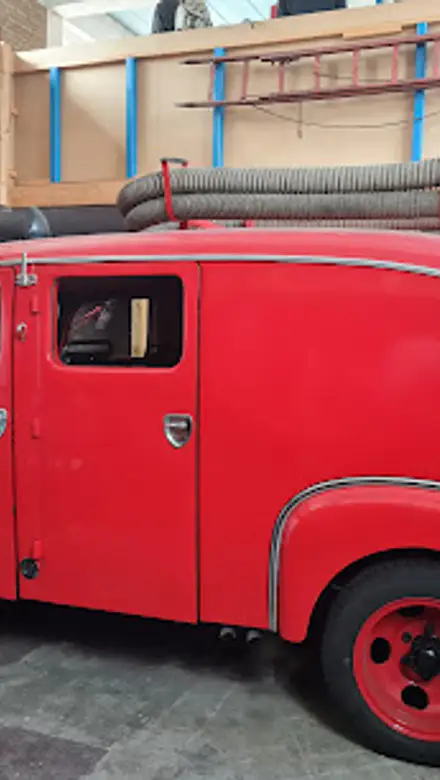
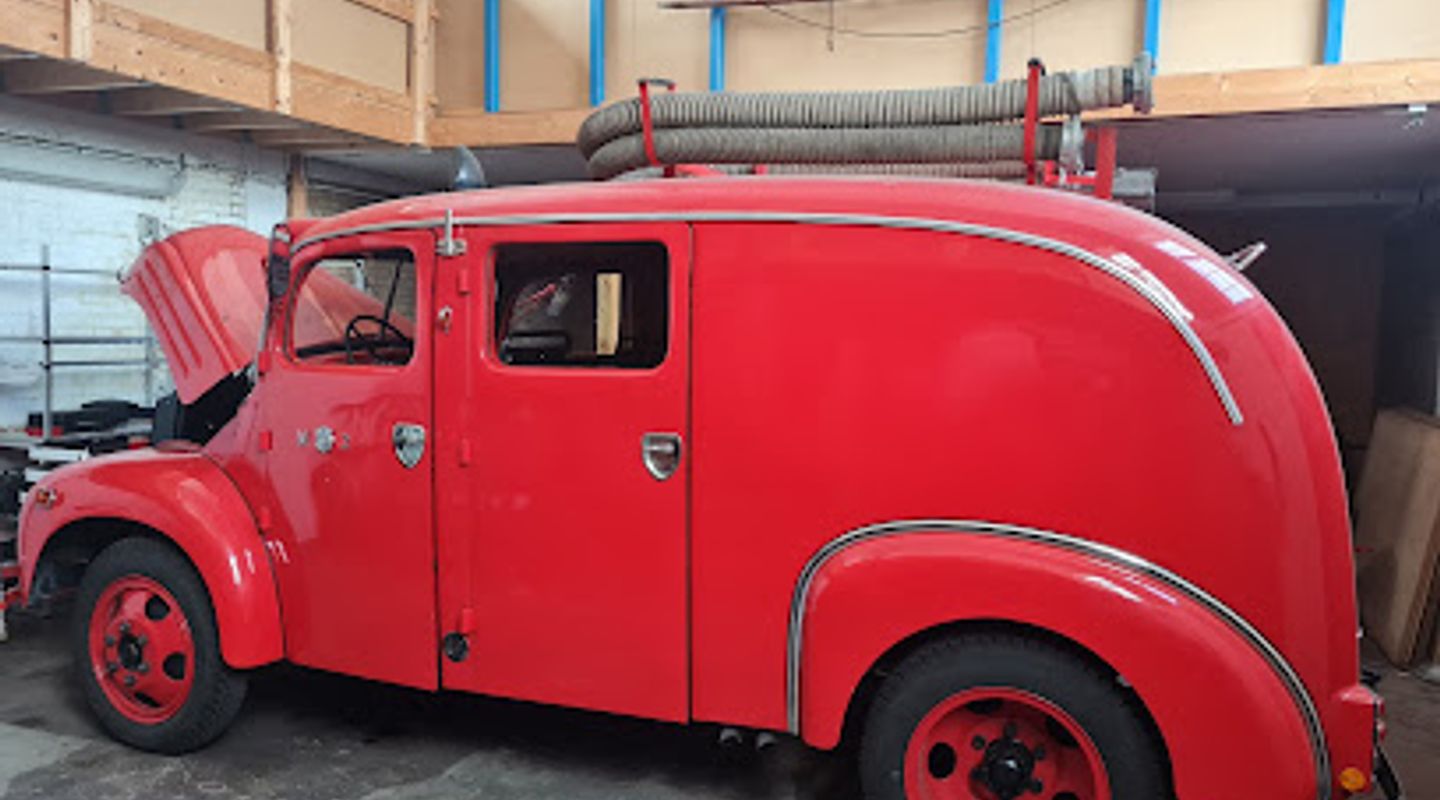
Nykøbing F. Firemuseum is a charming local museum in Nykøbing Falster devoted to the world of firefighting and rescue. Housed in the town’s former fire station, it showcases gleaming red fire engines, ladder trucks, equipment wagons, uniforms and historic tools that trace how local fire and rescue services evolved over the 20th century. Under the same roof you also find a quirky hairdressing, photo and radio museum, turning this modest complex into an unexpectedly rich time capsule of everyday life.
A brief summary to Nykøbing F. Firemuseum
- Vendersgade 6, Nykøbing Falster, 4800, DK
- Click to display
- Click to display
- Duration: 0.5 to 1.5 hours
- Budget
-
 Indoor
- Mobile reception: 4 out of 5
- Monday 11 am-3 pm
- Tuesday 11 am-3 pm
- Wednesday 11 am-3 pm
- Thursday 11 am-3 pm
- Friday 11 am-3 pm
- Saturday 10 am-12 pm

Know before you go
Hi, I'm Eve. Here are a few practical things to know before exploring Nykøbing F. Firemuseum.
- Check the seasonal opening period; the museum typically operates from early May to late September plus one autumn week, mainly late morning to early afternoon.
- Bring cash or a contactless card for the modest entrance fee, as extremely small museums sometimes have limited payment options.
- Allow extra time to explore the hairdressing, photo and radio collections housed in the same building for a fuller experience.
- Families with young children may want to visit near opening time on weekdays or early Saturday to enjoy the exhibits in a quieter atmosphere.
- Photography without flash is usually acceptable for personal use; ask staff before taking close-ups of delicate objects.
Do you manage this location?
Take control to get all the benefits, like improved information, better appearance, and stronger visibility across AI-powered discovery. Learn more about listing your business on Evendo
Activate your presenceOther nearby places you may find interesting
The closest places of the same kind, if this one is not quite what you had in mind.

Explore Nykøbing F. Firemuseum on the Map
A handpicked selection of must-see spots near Nykøbing F. Firemuseum, mapped for you.
Getting There
-
Regional train and short walk
From other towns on Lolland-Falster or from larger Zealand hubs, take a regional train to Nykøbing Falster Station; services from Copenhagen typically take about 1.5–2.5 hours and cost roughly 160–260 DKK each way in standard class. From the station it is an easy 10–15 minute walk through town on mostly level pavements, suitable for most visitors with basic mobility. Trains run regularly throughout the day, but late evening and weekend frequencies are lower, so check return times in advance.
-
Car from within Lolland-Falster
Driving from nearby towns such as Maribo or Sakskøbing usually takes 25–40 minutes via main regional roads. Expect normal urban traffic conditions when entering Nykøbing Falster. Street parking and small public car parks are available in the town centre within walking distance of the museum, often with time limits or modest hourly fees in the range of 10–20 DKK, and some free spaces slightly further out. The approach is straightforward, but narrow streets near the centre can be busy in daytime.
-
Local bus within Nykøbing Falster area
Local bus routes connecting surrounding districts, villages and the station with central Nykøbing Falster provide a convenient option if you do not wish to walk far. Typical journey times are 10–30 minutes depending on distance, with single tickets usually around 20–35 DKK within the local zone. Buses tend to run more frequently on weekdays than at weekends and evenings, and some lines are reduced outside the main commuting hours, so plan your outward and return journeys ahead of time.
-
Bicycle from town and nearby areas
For visitors already staying in Nykøbing Falster, cycling to the museum is quick and pleasant, often taking 5–15 minutes from most central or residential areas. The town is largely flat, and there are cycle lanes or quiet streets on many routes, making this a comfortable option for families and less experienced cyclists. Standard city bike rentals in Denmark typically cost around 80–150 DKK per day, and you can usually store or lock your bicycle close to the entrance in the surrounding streets.
For the on-the-go comforts that matter to you
-
 Restrooms
-
 Seating Areas
-
 Trash Bins
-
 Information Boards
Discover more about Nykøbing F. Firemuseum
Engines, Sirens and the Drama of Firefighting
Step inside Nykøbing F. Firemuseum and the first thing that greets you is a line-up of classic red fire engines polished to a shine. The former fire station now holds a collection of historic vehicles, from compact early motorised tenders to larger trucks with extended ladders and heavy pumps. Walking between them, you can study the details: brass fittings, analogue gauges, old sirens and searchlights that once cut through smoke and darkness on emergency callouts.Beyond the engines, equipment wagons and hose carts show how fires were fought before modern technology took over. Coiled hoses, nozzles, axes and breathing gear are displayed with a focus on their practical use rather than just aesthetics. Together they outline the story of how local crews gradually upgraded their tools in response to growing towns, taller buildings and new fire risks.Stories from the Local Fire and Rescue Service
At its heart, the museum is about the people behind the machines. Uniforms hang on display – heavy wool tunics, bright helmets, reflective modern jackets – each representing a particular era in the life of Nykøbing Falster’s fire brigade. Old photos capture crews posing proudly with their vehicles or working amid smoke and foam at factory fires and house blazes.Panels and objects highlight how the town organised its fire protection, from volunteer brigades to more professionalised services. Simple alarm systems evolved into telephone-based alerts and modern dispatch. Exhibits on rescue work show equipment used for traffic accidents, floods and other emergencies, underlining that these teams did far more than extinguish flames.Four Small Museums Under One Roof
One of the surprises here is that the fire museum shares its address with three other niche collections: a hairdressing museum, a photo museum and a radio museum. This creates a compact cultural hub where you can wander from fire trucks into a vintage salon scene, then on to shelves of cameras and early radios.In the hairdressing section, retro salon chairs, dryers and styling tools evoke the world of mid-century grooming. Next door, the photography collection features cameras, lenses and developing equipment that chart how everyday images were captured before the digital age. The radio exhibits add another layer, with valve sets, dials and speakers that once carried news and music into local living rooms.Hands-On Moments and Family Appeal
Nykøbing F. Firemuseum is particularly appealing to families and anyone who has ever dreamed of riding in a fire engine. The scale of the vehicles, the gleam of metal and the bold colours naturally draw in children. While many objects are for viewing only, the setting invites close inspection: peering into cabs, counting ladders and comparing old equipment with what young visitors know from today.Interpretive material is straightforward and accessible, focusing on clear explanations rather than technical overload. The modest size of the museum makes it manageable for shorter attention spans, yet there is enough detail for enthusiasts interested in fire service history and historic vehicles.A Short but Memorable Stop in Nykøbing Falster
Located close to the centre of Nykøbing Falster, the museum works well as a short stop within a wider day exploring the town and the island of Falster. Opening hours are limited to daytime slots on selected months of the year, so visits tend to feel calm and unhurried rather than rushed.The building’s scale means you can see the main highlights in under an hour, but anyone curious about the technical side of rescue work, or the broader story told by the neighbouring niche museums, may linger longer. The combination of local history, everyday objects and impressive machinery turns this small fire museum into a compact window on 20th-century life in a Danish provincial town.












Your all‑in‑one travel companion app
Explore expert travel guides, compare and book tours, experiences, hotels, and more—all from the palm of your hand. Download now for seamless trip planning wherever your wanderlust takes you.


Explore More of Falster
Looking beyond Nykøbing F. Firemuseum? Discover Falster for broader travel guides, local hot-spots, and regional highlights.
Explore Falster
Light-filled Danish art museum in the Lolland countryside, where minimalist architecture, strong collections and big-sky views create a quietly memorable escape.
Step into Cornelius S.C. Rödder’s dimly lit townhouse, where cryptids, curiosities and occult archives invite you to question what is museum fact and what is carefully crafted myth.