

Museum Obscurum, Gedser Odde Travel Guide
A shadowy cabinet of curiosities in an old Falster townhouse, where Cornelius Rödder’s cryptozoological collection blurs the line between folklore, superstition and science.
Museum Obscurum in Nykøbing Falster is a theatrically staged cabinet of curiosities built around the fictional 19th‑century collector Cornelius S.C. Rödder. Set in the historic Falsters Minder house, its dim rooms, creaking floors and cluttered shelves are filled with cryptozoological creatures, odd specimens and occult paraphernalia that blur the line between folklore and science. Visitors wander through his recreated home, piecing together diaries, sketches and eerie finds while constantly wondering what is real and what is invented.
A brief summary to Museum Obscurum
- Færgestræde 1a, Nykøbing Falster, 4800, DK
- Click to display
- Click to display
- Duration: 1 to 2 hours
- Mid ranged
-
 Indoor
- Mobile reception: 4 out of 5
- Wednesday 10 am-4 pm
- Thursday 10 am-4 pm
- Friday 10 am-4 pm
- Saturday 10 am-2 pm

Know before you go
Hi, I'm Eve. Here are a few practical things to know before exploring Museum Obscurum.
- Plan at least 1–1.5 hours so you have time to read Cornelius’s notes and labels; the storytelling is a big part of the experience.
- Some rooms are quite dim to enhance the mysterious mood, so allow your eyes to adjust and watch your step on the uneven floors.
- The upper exhibition is only accessible via stairs; wheelchair users can instead explore the atmospheric Old Grocery Store on the ground floor.
- If you prefer a quieter ambience, aim for the last couple of hours before closing on weekdays outside school holidays.
- Combine your visit with a stroll through Nykøbing Falster’s old streets and the harbor area for a relaxed half‑day in town.
Do you manage this location?
Take control to get all the benefits, like improved information, better appearance, and stronger visibility across AI-powered discovery. Learn more about listing your business on Evendo
Activate your presenceOther nearby places you may find interesting
The closest places of the same kind, if this one is not quite what you had in mind.
Explore Museum Obscurum on the Map
A handpicked selection of must-see spots near Museum Obscurum, mapped for you.
Getting There
-
Train and walking
From Copenhagen, take the hourly regional train toward Nykøbing Falster; the journey typically takes around 1 hour 15 minutes and standard adult tickets usually cost about 200–260 DKK one way in standard class. From Nykøbing Falster station it is roughly a 10‑minute level walk through the town centre to Færgestræde, suitable for most visitors though cobblestones can be uneven in places.
-
Car from Copenhagen and Zealand
Driving from central Copenhagen to Nykøbing Falster generally takes 1.5–2 hours via the main motorway across southern Zealand, depending on traffic. Expect to pay around 250–350 DKK in fuel for a return trip in a typical rental car, with no extra bridge tolls on this route. In Nykøbing Falster, look for public parking areas near the historic centre and be aware that spaces can be limited on busy weekends and summer days.
-
Regional bus within Lolland-Falster
If you are staying elsewhere on Lolland-Falster, regional buses connect towns such as Maribo or Sakskøbing with Nykøbing Falster, with typical travel times of 30–60 minutes. Standard single tickets usually fall in the 30–70 DKK range depending on distance, and services run more frequently on weekdays than on late evenings or Sundays. From the bus stops near the centre it is a short, straightforward walk to the museum area.
-
Cycling on local and national routes
Museum Obscurum lies close to several signposted cycle routes, including the Baltic Sea Route and local circuits around Guldborgsund. Cycling from nearby holiday areas or campsites will often take 20–60 minutes on mostly flat terrain, though coastal winds can make the ride feel longer. Bike rental prices in the region typically range from 100 to 200 DKK per day, and you can safely wheel your bike through the old streets and lock it near the museum.
For the on-the-go comforts that matter to you
-
 Restrooms
-
 Drink Options
-
 Drinking Water
-
 Food Options
-
 Seating Areas
-
 Trash Bins
-
 Information Boards
-
 Visitor Center
Discover more about Museum Obscurum
A house of shadows in the heart of Nykøbing
Museum Obscurum occupies the old Falsters Minder building on Færgestræde, a creaky historic house whose narrow staircases and low ceilings are an atmospheric setting for strange tales. As you step inside, you leave the bright market streets behind and enter a warren of small, dimly lit rooms where every surface seems to hold a story. Wooden floors slope gently with age, walls are crowded with framed drawings and maps, and the air smells faintly of dust, wood polish and old paper.The museum is part of Museum Lolland-Falster, but it feels more like entering a private residence frozen in time than a conventional gallery. On the ground floor, the nostalgic Old Grocery Store recalls everyday life from another era, while the more unsettling world of Museum Obscurum reveals itself as you climb to the upper level.Cornelius Rödder’s curious collection
The exhibition is staged as the home and study of Cornelius S.C. Rödder, an eccentric 19th‑century traveler and collector fascinated by the mysterious and unexplained. Using reconstructed diaries, labels and notes, the curators have pieced together a narrative in which Cornelius roams the world in search of oddities, returning to Falster with crates filled with specimens and stories.In glass cases and on open shelves you encounter an eclectic mix of ethnographic trinkets, preserved animals and more dubious discoveries. A stuffed platypus and a pufferfish share space with bones, jars, handwritten catalogues and half‑finished sketches, all carefully arranged to suggest the mind of a man driven by curiosity and a taste for the uncanny.On the border between myth and reality
As you move deeper into the house, the exhibits grow stranger. A small “dragon”, a supposed werewolf, fairy‑like beings and other cryptozoological creatures appear in cabinets and specimen drawers. Some objects clearly belong to the world of folklore; others are disturbingly plausible. The lighting is deliberately low, shadows stretching long across the floor, while discreet sound effects add a low murmur of whispering winds and distant creaks.Nothing in the rooms tells you outright what is authentic and what is staged. Instead, carefully worded texts, ambiguous dates and suggestive sketches invite you to question your own assumptions. The theme running through the exhibition is not simply the supernatural itself, but the human need to believe, doubt and interpret.The secret room behind the hidden door
The framing story behind Museum Obscurum is that, during renovation work in 2017, staff discovered a forgotten door in the old building. Behind it lay a concealed room stacked with transport crates, mysterious artefacts and documents linked to Cornelius Rödder. This “find” provides the narrative excuse for the exhibition: that a long‑hidden private museum has been reopened to the public.Many rooms feel like they could be that secret annex. Crates stand half‑opened, straw packing spills from corners, and hastily tied labels dangle from trunks. Visitors are encouraged to linger over the small details—a scribbled margin note, an unusual symbol, or an odd mismatch between object and description—that hint at a larger backstory.An immersive atmosphere for all ages
Museum Obscurum is compact but dense, and it typically rewards an unhurried visit. Families weave through the maze of rooms on gentle slopes and staircases, with older children drawn to the eerie elements and younger ones captivated by the animal specimens and quirky props. Adults often find themselves reading the longer texts and piecing together Cornelius’s life and travels.Because the building is old and the rooms intentionally dark in places, the experience feels intimate and slightly theatrical rather than grand or overwhelming. There is no fixed route; visitors choose their own path between study, bedroom, secret cabinets and transitional corridors, which reinforces the sense of exploring a private obsession.From historic house to modern storytelling
Museum Obscurum sits at the intersection of local history and imaginative scenography. The Falsters Minder house anchors the story in real Nykøbing Falster, a reminder of the town’s past and its trading connections. Within that framework, the exhibition plays with modern museum techniques—soundscapes, lighting, narrative texts—to pose questions about evidence, superstition and how stories are constructed.The result is an experience that is as much about the act of looking and believing as it is about the objects themselves. By the time you descend the stairs back toward the daylight of Færgestræde, you may find yourself glancing twice at the everyday world outside, wondering where the border between obscurum and reality truly lies.












Your all‑in‑one travel companion app
Explore expert travel guides, compare and book tours, experiences, hotels, and more—all from the palm of your hand. Download now for seamless trip planning wherever your wanderlust takes you.


Explore More of Gedser Odde
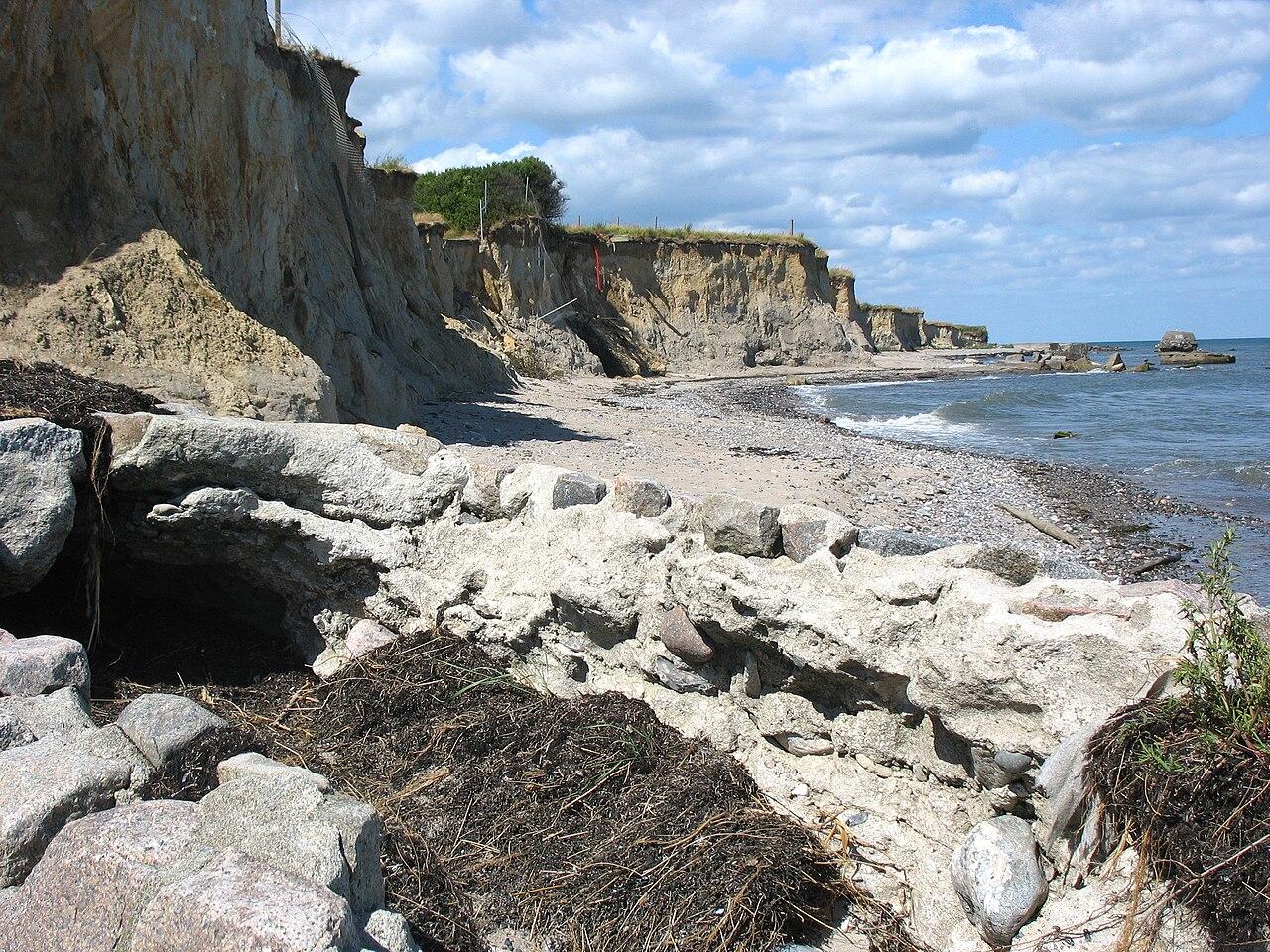
Looking beyond Museum Obscurum? Discover Gedser Odde for broader travel guides, local hot-spots, and regional highlights.
Explore Gedser Odde