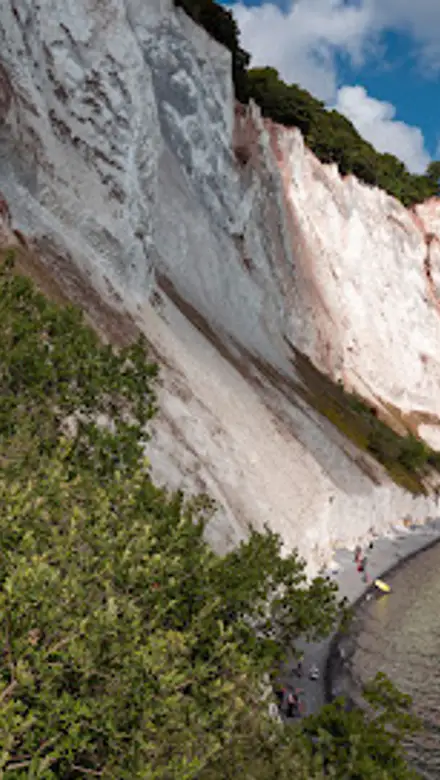
Stranden Møns Klint Travel Guide
Free Guide: Denmark's iconic white chalk cliffs rising 128 metres above turquoise seas—a UNESCO World Heritage Site of geological wonder and rare wildlife.


A brief summary of Stranden Møns Klint
Denmark's iconic white chalk cliffs rising 128 metres above turquoise seas—a UNESCO World Heritage Site of geological wonder and rare wildlife.
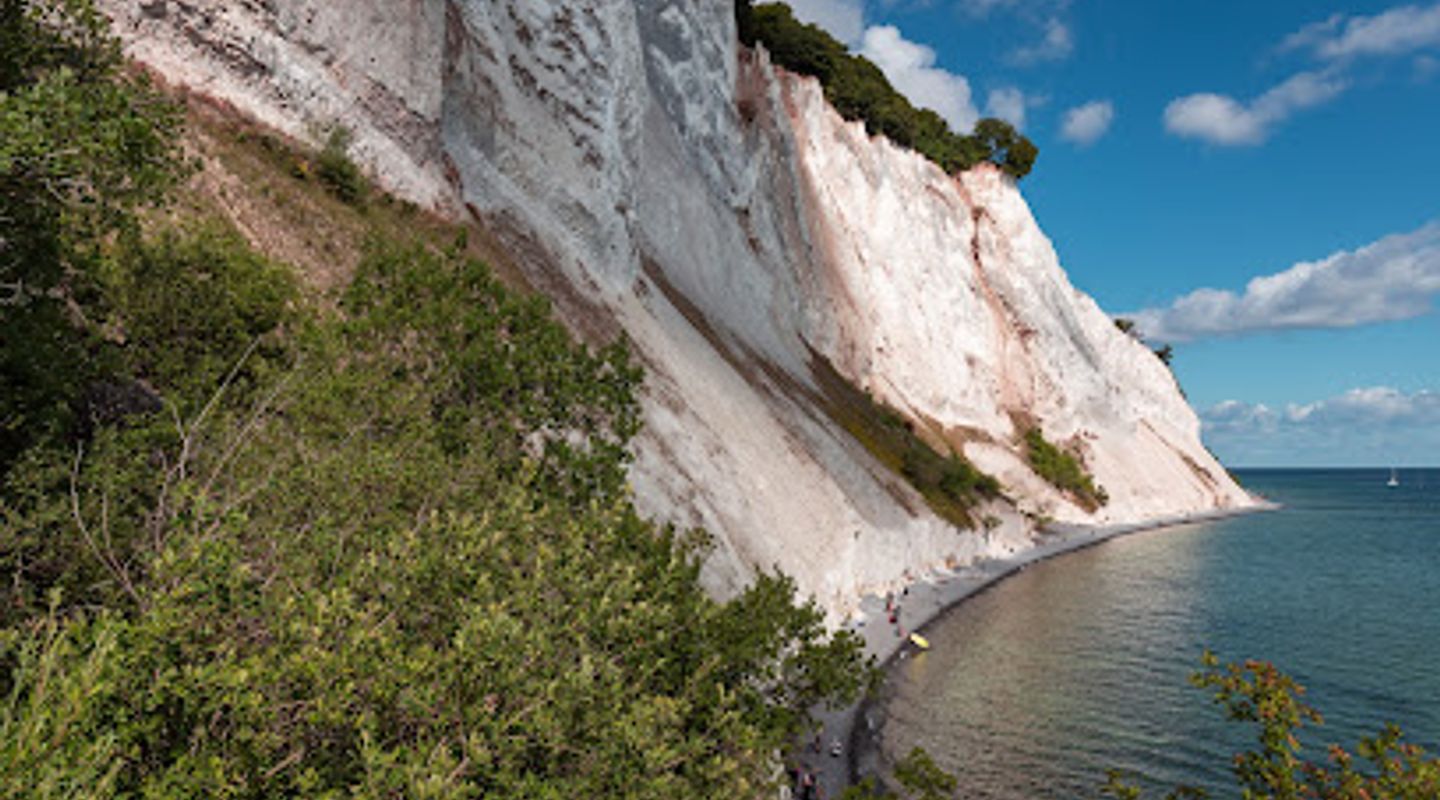
Møns Klint is a dramatic 6-kilometre stretch of towering white chalk cliffs rising 128 metres above the turquoise-green Baltic Sea on Denmark's island of Møn. Recently designated a UNESCO World Heritage Site, this geological wonder features ancient beech forests, rare wildlife including peregrine falcons, and a dynamic landscape shaped by 70-million-year-old deposits. Visitors can hike cliff-top trails, descend nearly 500 steps to fossil-rich beaches, kayak along the coast, or explore the surrounding UNESCO Biosphere Reserve. The site receives around 250,000 visitors annually and offers activities for all fitness levels.
On-site amenities
 Restrooms
 Drink options
 Food options
 Seating areas
 Sheltered areas
 Picnic areas
 Trash bins
 Information boards
 Visitor centre
- Address
- 4791 Borre
Getting there
Train and Bus from Copenhagen
Car Rental from Copenhagen
Guided Tour from Copenhagen
Bicycle from Stege
Discover more about Stranden Møns Klint
Geological Marvel and Ancient Origins
Møns Klint represents one of Europe's most spectacular geological formations, a 6-kilometre stretch of white limestone and chalk cliffs that rise majestically 128 metres above the Baltic Sea. These cliffs were formed approximately 70 million years ago from deposits of shells and microscopic marine organisms, and they emerged when glaciers retreated at the end of the last ice age roughly 11,000 years ago. The cliffs form part of the same geological system as the famous white cliffs of Rügen in Germany, separated only by the Baltic waters. Today, the ongoing process of erosion continues to shape the landscape, with the cliffs retreating an average of 2 to 4 centimetres annually. Visitors frequently discover fossils of ancient shellfish embedded in the chalk and scattered across the beach, offering tangible connections to prehistoric seas.The dynamic nature of Møns Klint means the landscape is constantly evolving. Significant landslides occur periodically, most notably in 2007 when a massive collapse created a 300-metre peninsula of chalk and fallen trees extending into the sea. Spring and winter months see the highest frequency of rockfalls, though they can occur year-round due to rainfall saturation and frost action on the chalk face. This geological instability adds to the site's raw, untamed character and serves as a powerful reminder of nature's immense forces.
Ecological Richness and Protected Habitat
The area surrounding Møns Klint has been recognised as a UNESCO Biosphere Reserve and was designated a UNESCO World Heritage Site in 2025, reflecting its exceptional ecological value. The chalky soil creates unique growing conditions that support an extraordinary diversity of plant life found nowhere else in Denmark. Approximately 18 to 20 species of wild orchids flourish in the meadows and woodlands, alongside rare plant communities adapted to the limestone-rich environment. The peregrine falcon, the world's fastest bird, has been observed breeding on the cliff faces, diving at speeds exceeding 350 kilometres per hour to capture prey. The extremely rare large blue butterfly, a species of international conservation concern, inhabits the grasslands. The entire area has been designated an Important Bird Area by BirdLife International, recognising its significance for migratory and resident bird populations.The landscape extends well beyond the cliff edge, encompassing ancient beech forests, rolling hills, ponds, and marshes that create a mosaic of habitats. Aborrebjerg, at 142 metres, ranks among Denmark's highest points and dominates the inland topography. This diverse terrain supports a rich array of wildlife and provides multiple ecological niches that contribute to the region's exceptional biodiversity.
Pathways and Cliff-Top Exploration
Møns Klint offers clearly marked walking, cycling, and equestrian paths that traverse the cliff tops and wind through the surrounding woodlands and pastures. The most celebrated route is the Klintekongens Rige trail, a 5.6-kilometre quality hiking path that has been awarded the best hiking trail in Europe by the Deutsches Wanderinstitut. This route guides visitors past the island's most magnificent sites while meandering through ancient beech forests, providing a tranquil immersion in nature. A wooden boardwalk extends 267 metres from the cliff base to the viewpoint at Freuchens Pynt, accessible to visitors of varying mobility levels and offering stunning perspectives of the cliffs and sea.Several locations along the cliff top feature stairways descending to the beach, with the most prominent being the Maglevandstrappen near Geocenter Møns Klint, which comprises 496 to 497 steps. These stairs provide a direct route from the cliff summit to the shoreline, allowing visitors to experience the full scale of the cliffs from water level. The descent is challenging but rewarding, offering intimate views of the chalk formations and access to fossil-hunting opportunities on the beach. Rest areas positioned along the stairs provide opportunities to pause and absorb the surrounding landscape.
Beach and Water-Based Activities
The beach at Møns Klint is unlike typical Danish shores, characterised by rocky terrain, large pebbles, and sand interspersed with chalk fragments. The water displays a distinctive turquoise-green hue resulting from chalk particles suspended in the sea, creating a visually striking contrast with the white cliffs. Visitors can explore the rocky beach at the cliff's base, search for fossils and mineral specimens, and enjoy the unique geological setting. Water shoes are recommended due to the rocky substrate. The shallow waters near the shore are suitable for swimming and paddling, though visitors should be aware of potential rockfalls from above.Water-based activities extend beyond beach exploration. Kayaking along the coast provides a perspective of the cliffs from sea level, revealing details invisible from above. Stand-up paddleboarding, sailing, and boat tours operate from nearby Klintholm Harbour, offering guided expeditions that include sunrise and sunset viewings, lunch stops on the beach, and night tours showcasing the cliffs under moonlight. The waters support diverse marine life and provide opportunities for snorkelling in certain areas.
Visitor Infrastructure and Seasonal Considerations
Geocenter Møns Klint serves as the primary visitor facility, operating from the Saturday before Easter through 31 October. The centre provides information about the site's geology, fossils, and natural history, helping visitors understand the forces that shaped the landscape. Parking is available at the geocentre for a fee of 35 Danish kroner. A camping site operates near the main entrance, and a youth hostel is located nearby, alongside various hotels and pensions throughout the region. Accommodation options range from basic camping to four-star hotels such as Hotel Præstekilde, situated in natural surroundings near the cliffs. Shelters and designated wild camping areas allow visitors to experience the landscape in harmony with nature.The site is accessible year-round, with free access to all outdoor areas. However, visitor numbers peak during summer months and weekends. Spring and winter present challenges due to increased rockfall risk, requiring visitors to exercise caution when walking beneath the cliff face. The area's designation as Scandinavia's first Dark Sky Park makes it exceptional for stargazing during clear nights, particularly in autumn and winter when longer darkness periods and clearer skies prevail. Weather conditions significantly influence the experience, with clear skies offering dramatic views and dramatic lighting for photography, while overcast conditions create moody atmospheres that emphasise the cliffs' scale and majesty.
Evendo Review Centre
 Google
Guest reviews
Best time to go
Quietest: Jan, Feb & Dec · before 6am or at 10pm
Busy times are Evendo estimates for a typical year, to help you plan. Actual crowds vary with events, school holidays and the weather.
Explore Stranden Møns Klint on the map
A handpicked selection of must-see spots near Stranden Møns Klint, mapped for you.
Get your free copy of our complete guide to Stranden Møns Klint, delivered straight to you.
Everything on this page, from opening hours and how to get there to Eve’s tips and the best time to go, in one PDF you can read offline, print or share.
Already have an account? Sign in
Your Stranden Møns Klint guide is ready.
We'll send it to · Not you? Sign out

Getting your guide ready…
We are putting together a fresh copy of the Stranden Møns Klint guide. This can take up to a minute.
This can take a few moments. If your browser asks, choose Allow so the download can start. You'll find the guide in your Downloads folder.
Nothing happened? Download it again
Sorry, the guide is taking longer than usual. Please try again in a minute, or get it by email instead.
Other nearby places you may find interesting
The closest places of the same kind, if this one is not quite what you had in mind.
-
-
-
-
-


Swipe for more places
More to explore near Stranden Møns Klint

 Best experiences near Stranden Møns Klint
 Best hotels near Stranden Møns Klint
 Best landmarks near Stranden Møns Klint
 Best attractions near Stranden Møns Klint
 Best shops near Stranden Møns Klint
 Best restaurants near Stranden Møns Klint
 Best bars near Stranden Møns Klint
Do you manage this location?
Take control to get all the benefits, like improved information, better appearance, and stronger visibility across AI-powered discovery.
Explore more
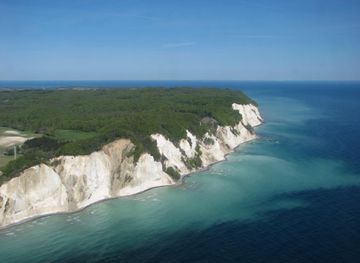
Explore more of Møn
Discover the breathtaking cliffs, rich history, and serene beauty of Møn, Denmark's hidden gem in the Baltic Sea, perfect for nature lovers and history enthusiasts alike.
Explore Møn
Explore more of Denmark
Discover Denmark: A perfect blend of history, modern design, and the cozy concept of hygge. Explore vibrant cities, serene landscapes, and world-class cuisine.
Explore Denmark