Liselund, Mon Travel Guide
An 18th-century neoclassical palace and Denmark's finest Romantic garden, where love and art shaped a timeless landscape.
Liselund is an exquisite 18th-century neoclassical palace nestled on the island of Møn, surrounded by Denmark's finest Romantic garden. Built in 1792 by architect Andreas Kirkerup for the noble couple Antoine and Lisa de la Calmette, this intimate estate showcases refined Danish architecture and enchanting landscaped grounds. The palace interior features distinctive period rooms, including the iconic Monkey Room, while the garden—the best-preserved Romantic garden in Denmark—invites wanderers through meandering paths, water features, and carefully composed vistas that shift from idyllic to dramatic.
A brief summary to Liselund
- Langebjergvej 4, Borre, 4791, DK
- Click to display
- Click to display
- Duration: 1 to 3 hours
- Free
-
 Outdoor
- Mobile reception: 4 out of 5

Know before you go
Hi, I'm Eve. Here are a few practical things to know before exploring Liselund.
- Visit the garden in spring or early summer when flowers bloom and water features are most active; the garden is open year-round but the café operates seasonally.
- Book a guided palace tour in advance if you wish to see the interior, including the distinctive Monkey Room; tours are available during the opening season.
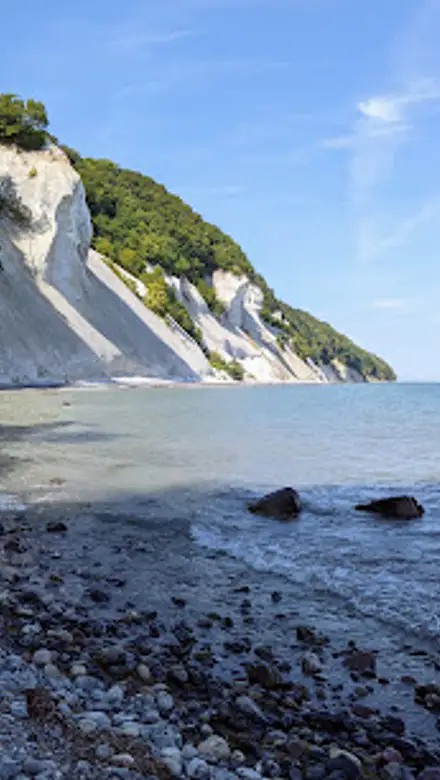
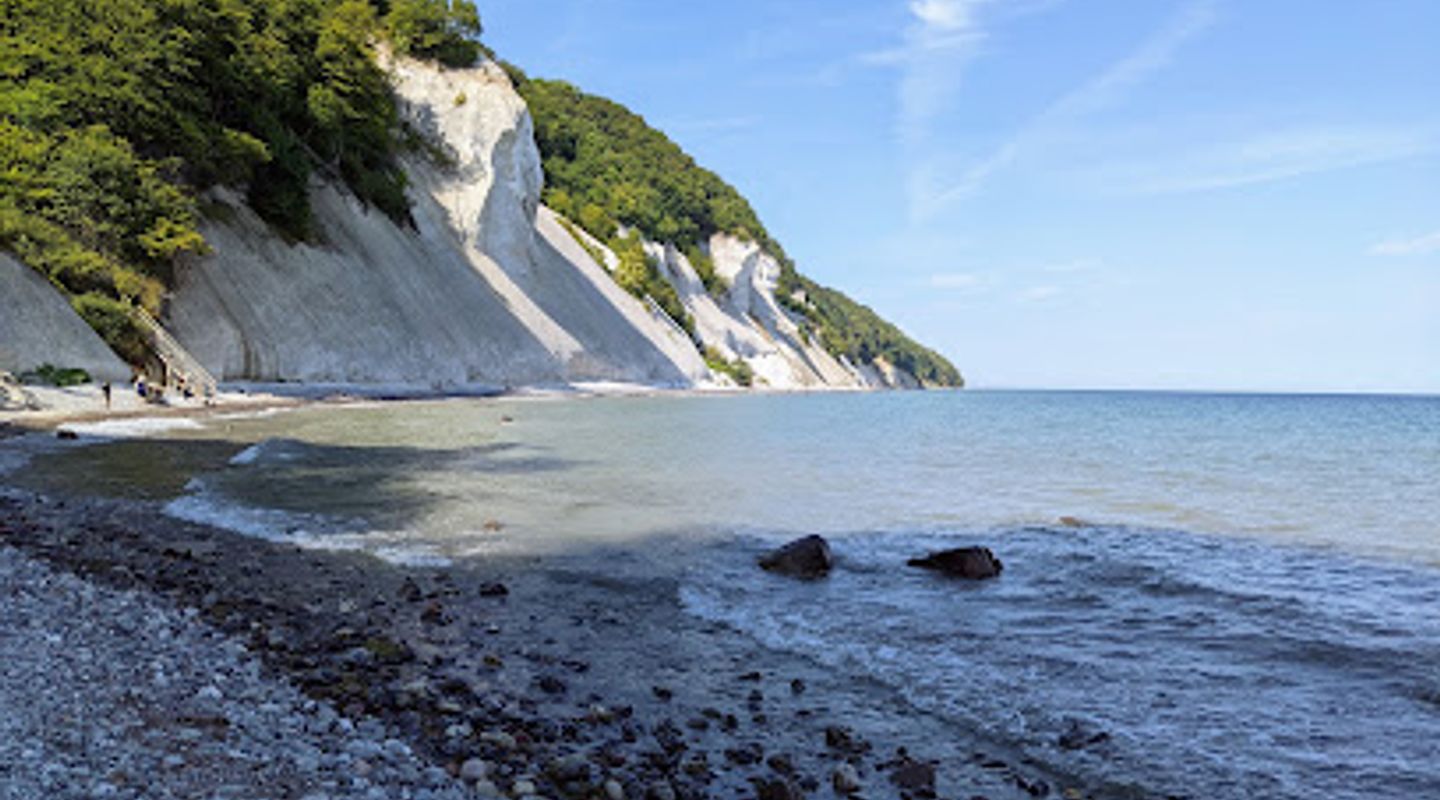
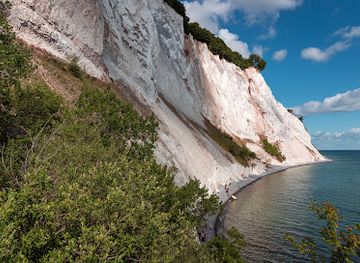
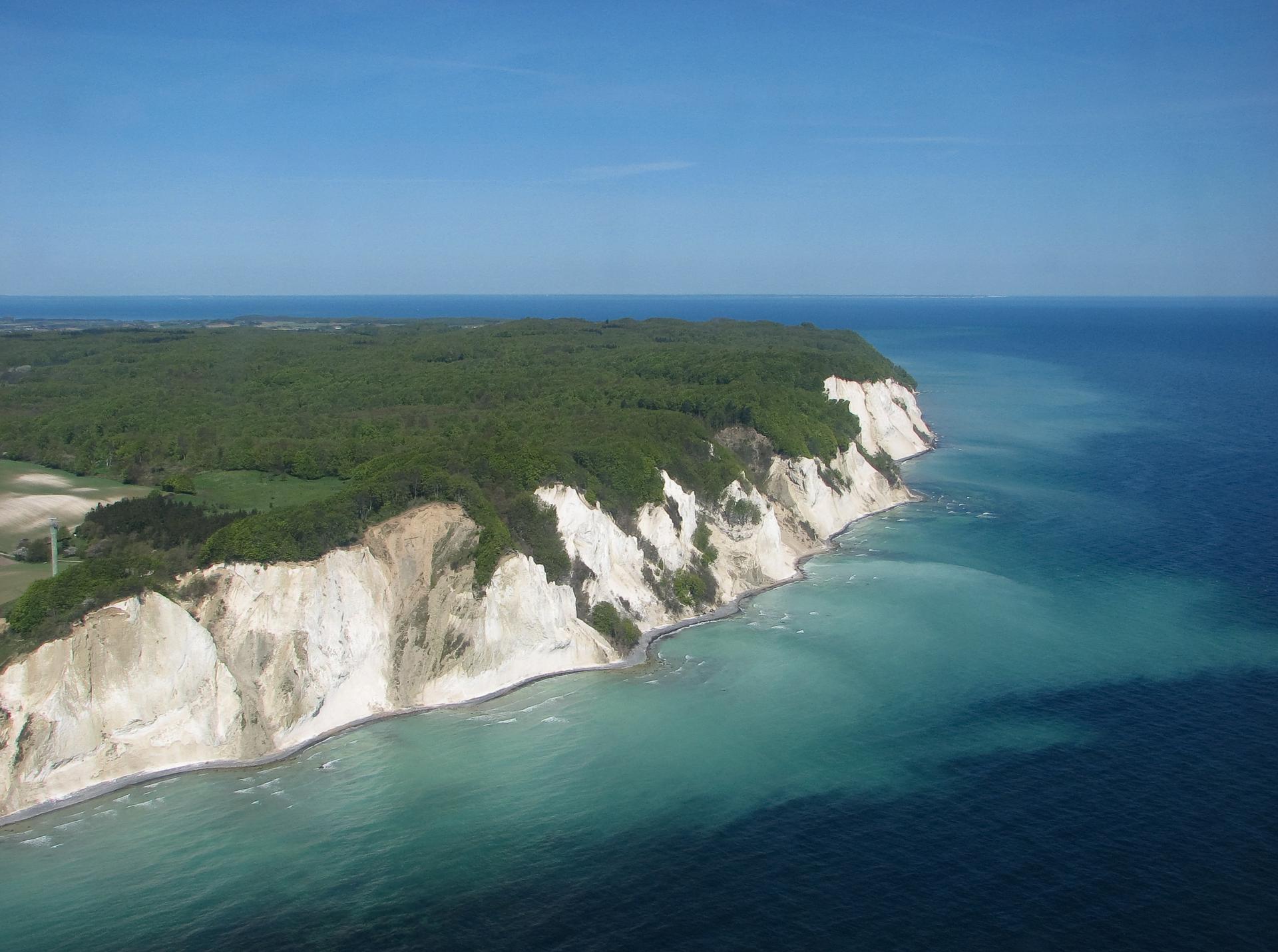
- Combine your visit with nearby Møns Klint white cliffs and hiking trails; multiple paths connect Liselund to the cliff area, offering both cultural and natural experiences.
- Allow time to wander the meandering garden paths slowly; the Romantic design rewards unhurried exploration and quiet reflection.
- Bring a picnic or visit the seasonal café to enjoy the gardens' tranquil atmosphere; the setting is ideal for lingering and absorbing the landscape's romantic character.
Do you manage this location?
Take control to get all the benefits, like improved information, better appearance, and stronger visibility across AI-powered discovery. Learn more about listing your business on Evendo
Activate your presenceOther nearby places you may find interesting
The closest places of the same kind, if this one is not quite what you had in mind.


Explore Liselund on the Map
A handpicked selection of must-see spots near Liselund, mapped for you.
Getting There
-
Car from Næstved
Drive from Næstved (approximately 25 kilometers away) via Route 27 toward Borre, following signs to Liselund. Journey time is approximately 30–40 minutes depending on traffic. Parking is available at the site. This is the most flexible option for visitors with luggage or those exploring multiple locations on Møn.
-
Bus from Næstved
Take a regional bus service from Næstved toward Borre or Møn. Journey time is approximately 45–60 minutes depending on the route and service frequency. Services operate several times daily but are less frequent on weekends. This option is economical and requires no parking arrangements.
-
Bicycle from Borre Village
If staying in Borre village, Liselund is accessible by bicycle via local roads. The journey is approximately 4–5 kilometers and takes 15–25 minutes depending on fitness level and terrain. The route is relatively flat and passes through rural Møn landscape. Bicycle rentals are available in nearby towns.
-
Hiking from Møns Klint
Experienced hikers can reach Liselund via marked trails from Møns Klint white cliffs area, approximately 5 kilometers away. The walk takes 60–90 minutes and includes varied terrain with hills and forest sections. This option combines natural scenery with cultural exploration but requires moderate fitness and appropriate footwear.
For the on-the-go comforts that matter to you
-
 Drink Options
-
 Food Options
-
 Seating Areas
-
 Picnic Areas
-
 Trash Bins
-
 Information Boards
Discover more about Liselund
A Palace Built for Love
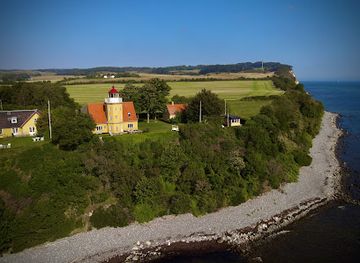
Liselund stands as a testament to 18th-century elegance and romantic ideals. Constructed in 1792 by architect Andreas Kirkerup, this neoclassical villa was commissioned by Antoine de la Calmette, a nobleman who named the estate after his beloved wife, Lisa. Rather than a grand palace, Liselund is an intimate country house—a miniature masterpiece that captures the refined tastes and artistic sensibilities of Denmark's aristocratic class during the Golden Age. The white-painted exterior with its distinctive thatched roof exemplifies the restrained elegance of neoclassical design, while the interior reveals the worldliness and cultural sophistication of its original inhabitants.The Iconic Monkey Room and Period Interiors
The palace interior offers a fascinating window into the life and travels of Antoine de la Calmette. The most distinctive space is the Monkey Room, whose decorative scheme reflects Antoine's dramatic experiences abroad, particularly his time in Lisbon during the catastrophic earthquake of 1755. The room's whimsical yet historically significant design conveys the cosmopolitan worldview of the entire era. Other rooms showcase exquisite period furnishings, floral decorations, and carefully curated views of the surrounding gardens, demonstrating how the house was designed to harmonize interior comfort with the natural landscape beyond its windows.Denmark's Most Enchanting Romantic Garden
The garden at Liselund represents the pinnacle of Romantic landscape design in Denmark and remains the nation's best-preserved example of this aesthetic philosophy. Antoine and Lisa toured Europe's most celebrated Romantic gardens to gather inspiration, understanding that a garden walk could itself be a journey of discovery. The result is a masterpiece of composed nature: meandering paths guide visitors through shifting landscapes that transition from peaceful, idyllic scenes to more dramatic vistas. Water features, including ponds with ducks and water lilies, create moments of reflection and tranquility. The ordered wilderness of the Romantic era—nature refined but not rigidly controlled—surrounds visitors at every turn, inviting contemplation and wonder.Artistic Inspiration and Cultural Legacy
Liselund's garden became a preferred subject for painters of Denmark's Golden Age, who were captivated by its picturesque compositions and romantic atmosphere. The estate represents a unique moment in Danish cultural history when aristocratic patrons could cultivate both artistic taste and personal happiness within a single, harmonious setting. The garden's influence extended beyond the 18th century, continuing to inspire artists and enchant visitors who recognize in its design the ideals of beauty, nature, and human connection that define the Romantic movement.Setting and Natural Context
Located on the eastern part of Møn island, Liselund occupies a dramatic landscape near the foot of hills that rise toward the famous Møns Klint white cliffs. The proximity to these geological formations—just 5 kilometers away—creates a striking contrast between the cultivated elegance of the palace and gardens and the raw, imposing beauty of nature's cliff faces. Multiple hiking trails descend from Liselund toward the water and toward Møns Klint, allowing visitors to experience both the refined human landscape and the island's wild natural character. This juxtaposition of civilized beauty and untamed nature was precisely what appealed to Romantic sensibilities.Access and Experience
The garden remains open year-round and offers free access, making it an accessible destination for all visitors. The palace itself can be visited during the opening season through guided tours, with private group tours available by arrangement. Whether exploring the manicured paths of the garden, discovering hidden garden monuments, or touring the intimate rooms of the palace, visitors experience a rare preservation of 18th-century aristocratic life and aesthetic ideals.












Your all‑in‑one travel companion app
Explore expert travel guides, compare and book tours, experiences, hotels, and more—all from the palm of your hand. Download now for seamless trip planning wherever your wanderlust takes you.


Explore More of Mon
Looking beyond Liselund? Discover Mon for broader travel guides, local hot-spots, and regional highlights.
Explore Mon