Æ Fywerhus, North Jutland Travel Guide
A small 1911 fjord house on Jegindø Harbour where eel traps, tools and old photos bring the working life of Limfjord fishermen vividly into focus.
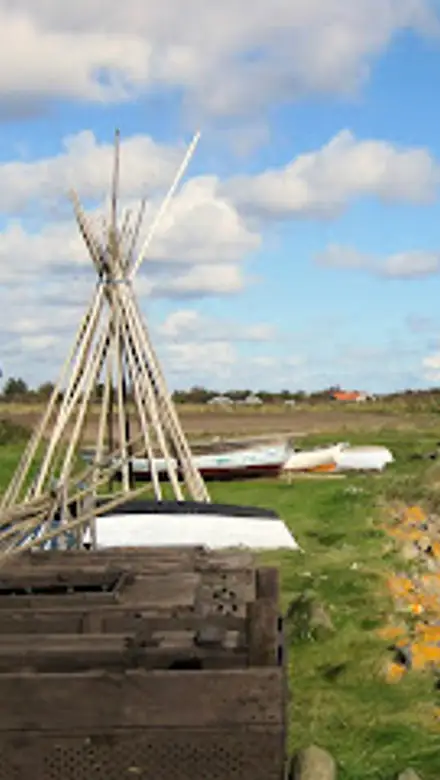
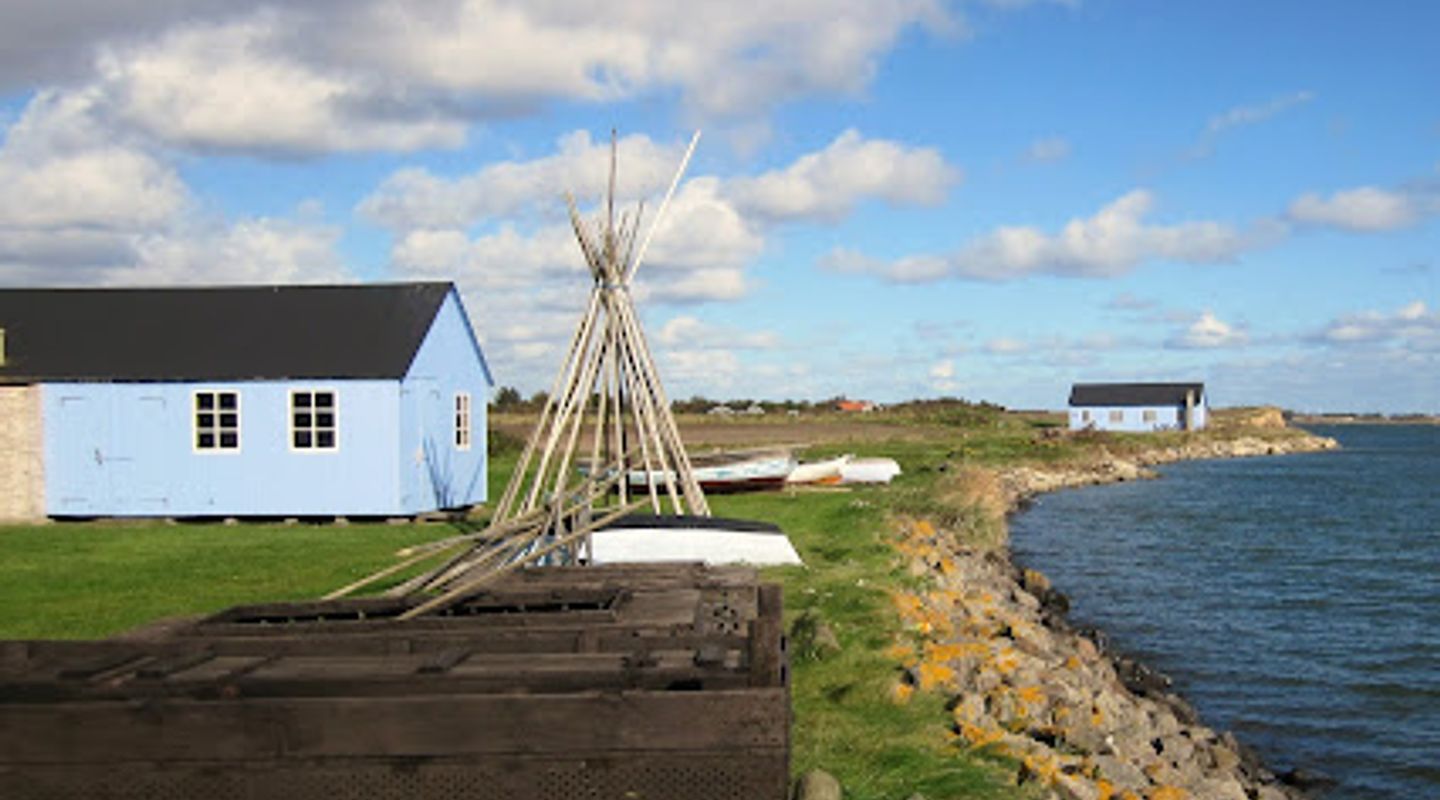
Set on the quayside of Jegindø Harbour in the Limfjord, Æ Fywerhus is a compact, atmospheric museum housed in a 1911 fjord house that once served local fishermen. Inside, simple whitewashed rooms are packed with eel traps, nets, tools, photos and still-image presentations that trace a century of coastal life and fishing traditions. Step outside and the story continues in real time, with working boats, mussel fishing and wide Limfjord views framing this small but evocative glimpse into Denmark’s maritime heritage.
A brief summary to Æ Fywerhus
- Jegindø, 7790, Havnegade 26, Thyholm, 7790, DK
- Duration: 0.5 to 1.5 hours
- Free
-
 Mixed
Mixed
- Mobile reception: 4 out of 5
- Monday 10 am-6 pm
- Tuesday 10 am-6 pm
- Wednesday 10 am-6 pm
- Thursday 10 am-6 pm
- Friday 10 am-6 pm
- Saturday 10 am-6 pm
- Sunday 10 am-6 pm

Know before you go
Hi, I'm Eve. Here are a few practical things to know before exploring Æ Fywerhus.
- Plan your visit for the summer season, when the museum is typically open during the day and late afternoon; outside these months it may be closed.
- Allow extra time to wander Jegindø Harbour after exploring the exhibits; the working boats and fjord views complete the story told inside.
- Bring a light jacket, as winds off the Limfjord can feel cool even on sunny days, especially if you linger outside by the water.
- Combine the museum with a walk or cycle ride around Jegindø to spot real‑life nets, jetties and mussel culture that mirror the displays.
- Photography is especially rewarding in the soft evening light; step outside the house for wide harbour shots framed by the fjord.
Do you manage this location?
Take control to get all the benefits, like improved information, better appearance, and stronger visibility across AI-powered discovery. Learn more about listing your business on Evendo
Activate your presenceOther nearby places you may find interesting
The closest places of the same kind, if this one is not quite what you had in mind.
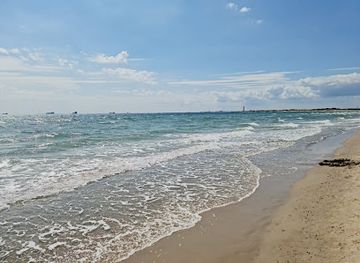
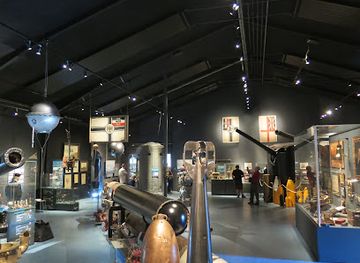
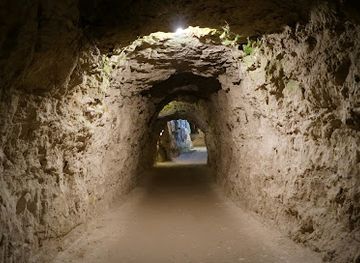
Explore Æ Fywerhus on the Map
A handpicked selection of must-see spots near Æ Fywerhus, mapped for you.
Getting There
-
Car from Struer and mainland Jutland
From Struer and the Jutland mainland, you can drive to Jegindø via Thyholm and the dam connection in around 30–40 minutes, depending on traffic. The route uses ordinary regional roads and does not require tolls or ferries. Parking near Jegindø Harbour is typically free but limited in peak summer, so arrive earlier in the day if you want to park close to Æ Fywerhus.
-
Regional bus via Thyholm
Regional buses run between Struer, Thyholm and Jegindø on most weekdays, typically taking 45–70 minutes depending on the connection. Services are less frequent in the evenings and on weekends, so check the current timetable in advance. Standard single tickets on regional buses in this part of Denmark usually cost in the range of 30–70 DKK per adult, with discounts for children and seniors.
-
Cycling on Jegindø and Thyholm
Confident cyclists can reach Jegindø and Æ Fywerhus by bike using quiet country roads across Thyholm and the short dam to the island. From central Struer the ride is roughly 20–30 km and typically takes 1.5–2.5 hours depending on fitness and wind direction. The terrain is mostly gentle but exposed, so be prepared for strong coastal winds and limited shelter along the way.
-
Walking from elsewhere on Jegindø
If you are already staying on Jegindø, Æ Fywerhus can be reached on foot from many holiday homes and small accommodations in 20–60 minutes. Expect narrow roads without pavements in places and be mindful of local traffic. The island is mostly flat with slight undulations, making the walk manageable for most visitors with average mobility in dry weather.
For the on-the-go comforts that matter to you
-
 Restrooms
-
 Drink Options
-
 Food Options
-
 Seating Areas
-
 Trash Bins
-
 Information Boards
Discover more about Æ Fywerhus
A modest fjord house with a big maritime story
Æ Fywerhus sits right on Jegindø Harbour, a small white fjord house from 1911 that once served as a working base for local fishermen on the Limfjord. Its name simply means “the fjord house” in the local dialect, and that is exactly what it is: a no‑nonsense, weathered building where gear was stored, boats were watched and deals were struck. Today it has been carefully preserved as a museum that tells the story of how generations here have lived with, and from, the water.The house is closely tied to the harbour’s own development. When Jegindø’s fishing harbour was established in the first half of the 20th century and later expanded, Æ Fywerhus stood as a front‑row witness to changing boats, regulations and markets. Walking through its door feels less like entering a formal institution and more like stepping into a working shed that has paused in mid‑stride.Tools, eel traps and the life of Limfjord fishermen
Inside, the museum focuses on fishing in the Limfjord, particularly the labour‑intensive trapping of eels and harvesting of mussels and other shellfish. Original wooden traps, wicker eel pots, floats, nets and hooks line the walls, many of them bearing the patina of years of use. Simple labels and photographs explain how each tool was handled through the seasons, how catches were sorted on the quayside and how families organised their year around the rhythms of the fjord.A still‑picture show and poster displays add extra context, showing old harbour scenes, ice winters, storm surges and boat launches. Rather than high‑tech effects, the presentation leans on clarity and authenticity: you see the faces of fishermen, the cramped interiors of their boats and the modest homes their work supported on Jegindø and Thyholm.Harbour atmosphere framed by the Limfjord
Part of the appeal of Æ Fywerhus lies outside its walls. Step out and you are immediately in the harbour environment that gave the museum its reason to exist. Fishing boats, berths for leisure craft and mussel‑processing activity create a low‑key working soundtrack of clanking rigging and soft engine noise. Gulls circle overhead, and the salty, slightly briny smell of the Limfjord drifts across the quays.On clear days the views over the water stretch towards other low islands and peninsulas of the Limfjord landscape. The combination of a small traditional house and wide horizons makes this an excellent place for slow photographs, sketching or simply watching the light shift over the fjord. In summer, the long Scandinavian evenings give the harbour a gentle glow that suits the museum’s quiet character.Seasonal opening and a relaxed visiting rhythm
Æ Fywerhus generally opens during the summer season in the daytime and late afternoon, with hours that suit a relaxed coastal outing. There is no entrance fee, underscoring its role as a community‑minded place that shares local heritage rather than a commercial attraction. The museum is compact, so even a short visit of half an hour will give you a good overview, but it also rewards slower exploration if you enjoy reading old captions or comparing tools to the boats outside.Because the house is small and simple, there is an informal feel: you can step out, wander the quays, then return to check one last detail inside. Nearby benches and harbour facilities make it easy to combine a stop at Æ Fywerhus with an ice cream, a picnic or a stroll along the water.Pairing the fjord house with Jegindø’s landscapes
A visit to Æ Fywerhus naturally fits into a wider exploration of Jegindø and Thyholm. The island’s gently rolling fields, low cliffs and quiet beaches reflect the same relationship with the fjord that the museum interprets indoors. Walking or cycling along the coast, you will spot small jetties, nets drying in gardens and mussel ropes in the water, threads that connect today’s island life with the tools and photos you have just seen.Combining the museum with a walk to one of Jegindø’s beaches or viewpoints gives a rounded sense of place: human stories in the fjord house, and the open Limfjord landscape outside. For travellers interested in everyday maritime culture rather than grand monuments, Æ Fywerhus offers an intimate, grounded look at how a small Danish island has lived with the sea for more than a century.












Your all‑in‑one travel companion app
Explore expert travel guides, compare and book tours, experiences, hotels, and more—all from the palm of your hand. Download now for seamless trip planning wherever your wanderlust takes you.


Explore More of North Jutland
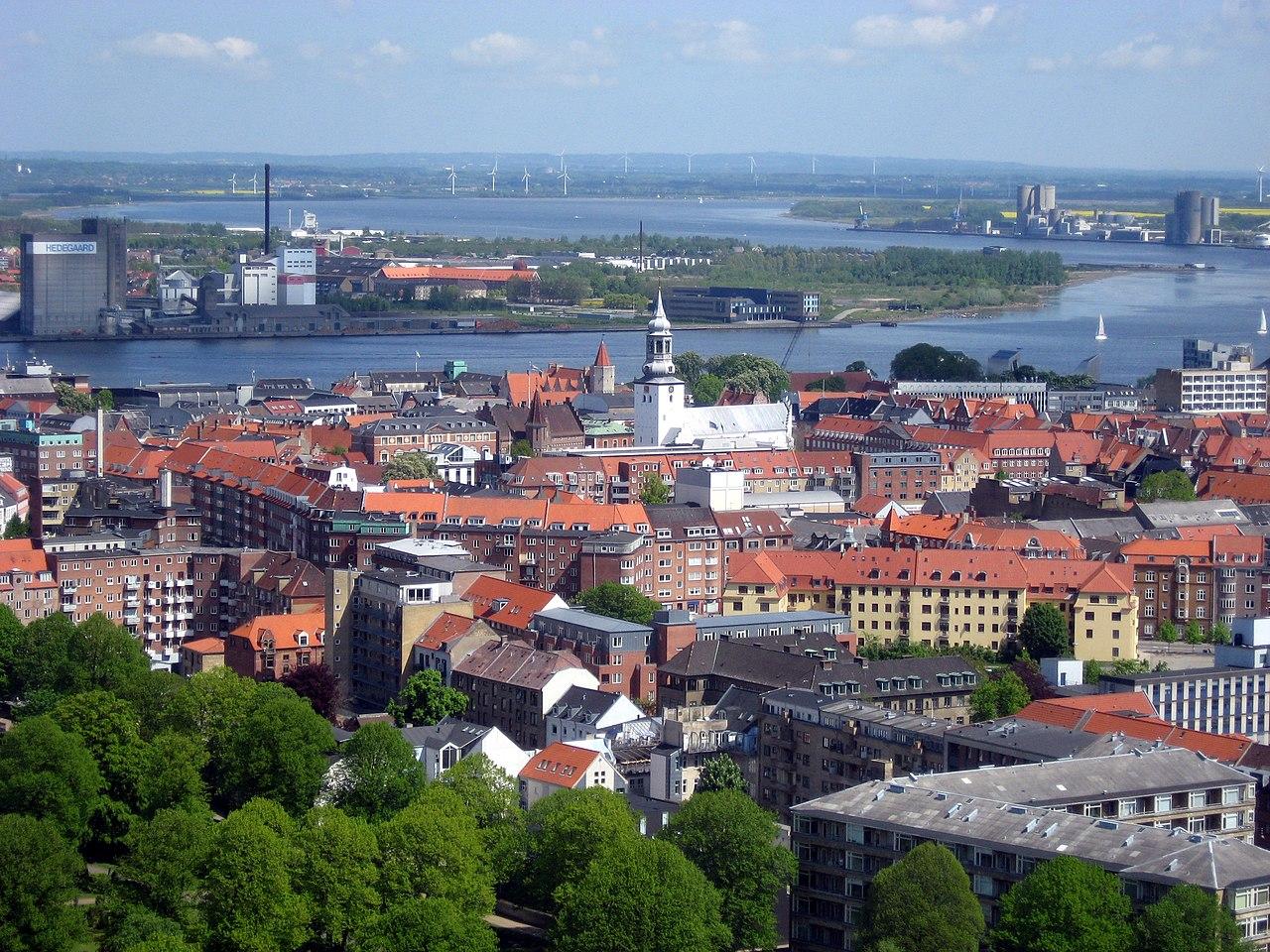
Looking beyond Æ Fywerhus? Discover North Jutland for broader travel guides, local hot-spots, and regional highlights.
Explore North Jutland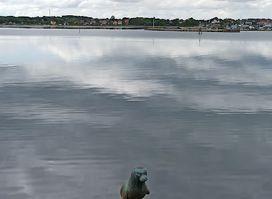
Intimate bronze-and-granite seal by Constantin Sørensen, gazing over the Limfjord and celebrating Nykøbing Mors’ quiet, everyday bond with the sea.
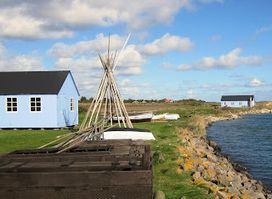
A humble 1911 fjord house at Jegindø Harbour, where tools, photos and film quietly tell the story of traditional fishing on the Limfjord’s sheltered waters.