Æ Fywerhus Travel Guide
Free Guide: A tiny 1911 fjord house on Jegindø where eel traps, photographs and harbour views bring Limfjord fishing life into quiet, authentic focus.


A brief summary of Æ Fywerhus
A tiny 1911 fjord house on Jegindø where eel traps, photographs and harbour views bring Limfjord fishing life into quiet, authentic focus.
Æ Fywerhus on Jegindø is a tiny fjord-side museum in a 1911 fisherman’s tool house, telling the story of life and work on the Limfjord. Inside the whitewashed shed you find eel-fishing gear, old photographs, and a still-picture or film presentation that brings the island’s maritime traditions to life. Free to enter and located just north of Jegindø Harbour, it’s an intimate stop where you can step straight from the exhibits out to the quayside and wide Limfjord views.
On-site amenities
 Restrooms
 Drink options
 Drinking water
 Food options
 Seating areas
 Trash bins
 Information boards
Opening hours
- Every day10 am–6 pm
Opening hours as listed on the venue’s Google Business Profile. Hours can change for services and special events, so check with the venue before you go.
- Address
- Jegindø, 7790, Havnegade 26, 7790 Thyholm
Getting there
Car from Struer / Thyholm
Regional bus plus short walk
Bicycle from Thyholm
Discover more about Æ Fywerhus
A modest fisherman's shed with a big story
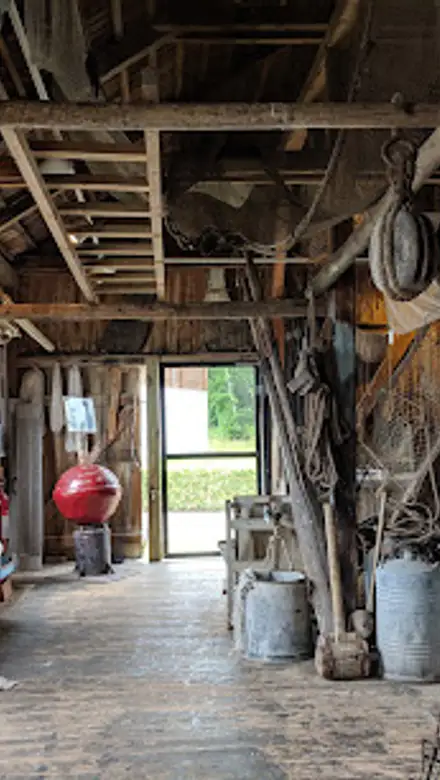
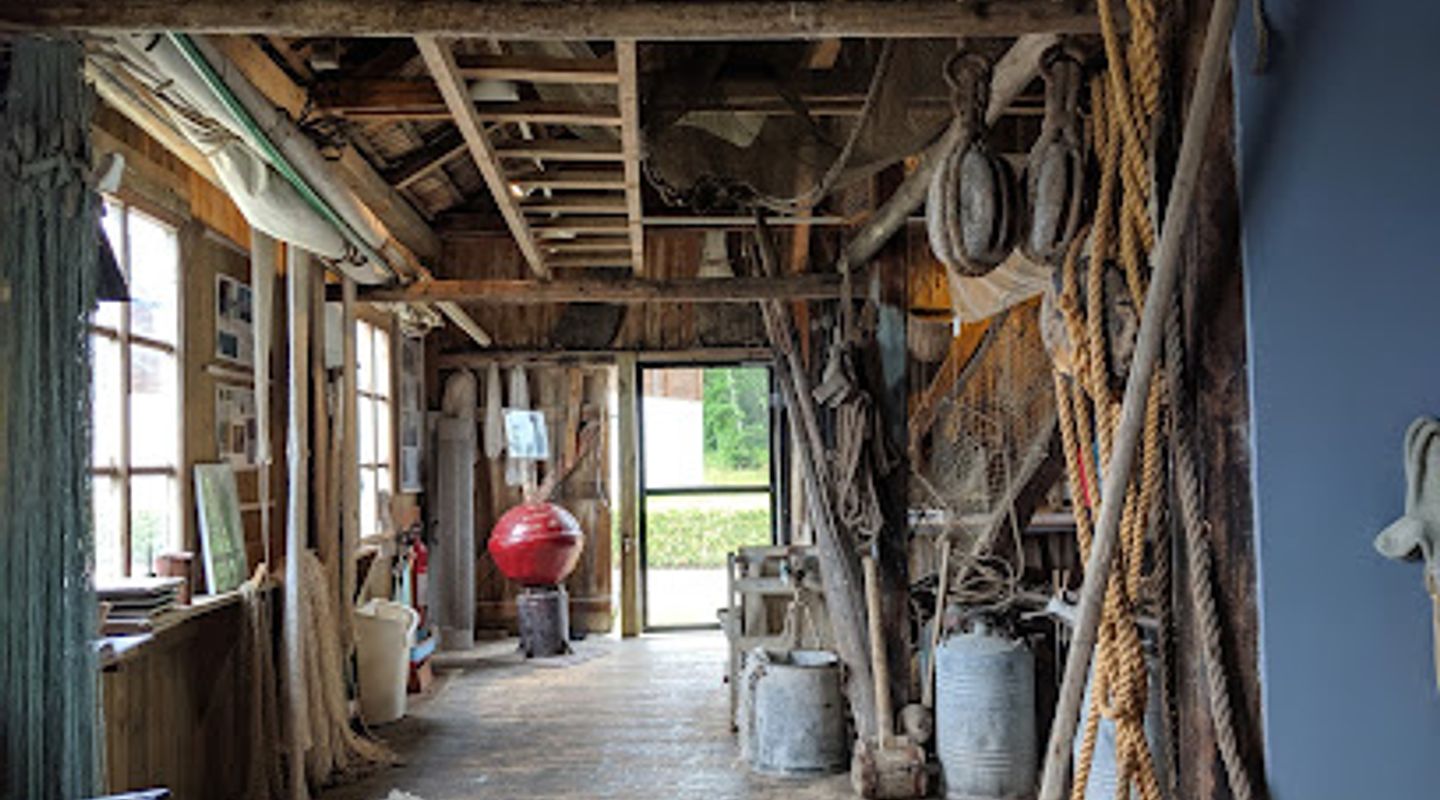
Æ Fywerhus looks unassuming at first glance: a low, traditional tool house near Jegindø Harbour, painted in simple tones and shaped for hard work rather than show. Built in 1911 for fisherman Ivar Holm, it once stored nets, eel traps and gear that were essential to surviving on the Limfjord. Today the space has been carefully converted into a small museum, but it still feels authentic, with creaking floors, the smell of old timber and the sense that someone has just stepped outside to check the nets.In a single compact room, the building holds more than a century of local memory. The original purpose of the house is still evident in its robust construction, low ceiling and practical layout, all designed to withstand salt air and heavy equipment. This is not a grand museum; it is a preserved work space, gently adapted so visitors can understand how much of Jegindø’s identity was shaped right here.
Fishing life on the Limfjord revealed
The exhibition focuses on everyday life for the fjord’s fishermen rather than heroic tales. Traditional eel traps, hooks and nets are displayed alongside floats, wooden boxes and other tools that once filled boats and sheds all along the Limfjord. Simple labels and photo boards explain how fishing patterns followed the seasons, and how knowledge passed quietly from one generation to the next.Photographs show weather-beaten boats, packed net racks and families posed in their Sunday best in front of modest houses. A still-picture or film presentation adds movement to the story, with archival images of working boats cutting across the fjord and close-ups of the equipment in use. Together, these elements give a clear sense of how specialised fjord fishing was, and how closely it tied people to the surrounding waters.
An intimate museum experience by the harbour
Visiting Æ Fywerhus is a short, concentrated experience. The museum is typically open daily in the summer season from late morning to early evening, and entry is free, inviting casual drop-ins before or after a harbour stroll. With just a few steps between the door and the quayside, you can move easily from reading about the fjord to standing at its edge, listening to the clink of rigging and the call of seabirds.The setting at Jegindø Harbour adds an extra dimension. Modern pleasure craft share the space with working boats and mussel activity, so the historic fishing tools inside the museum feel directly connected to what happens outside today. Benches and low walls nearby offer informal seating, making it easy to pause, reflect and watch life on the water after exploring the exhibits.
Jegindø's wider coastal landscape
Æ Fywerhus also acts as a gentle introduction to Jegindø itself. The island-peninsula is known for its quiet roads, open fields and long views across the Limfjord. From the harbour, walking routes follow the shoreline, and it is easy to imagine boats heading out in the early morning light, as shown in the museum photos. Other spots along the coast, such as the narrow spit at Jegindø Tap, show different faces of the fjord, from shallow waters and birdlife to wide expanses of sky and sea.Spending time here encourages unhurried exploration. Many visitors combine a short stop at Æ Fywerhus with a longer wander along the harbour and beaches, using the museum’s stories as a lens for the landscape. The result is a cohesive picture of a community whose fortunes rose and fell with the catch and the weather.
A quiet stop for reflection and curiosity
For all its modest size, Æ Fywerhus invites reflection on resilience, adaptation and the skills required to work a challenging but generous fjord. It is particularly engaging for those interested in maritime history, coastal culture or simple, low-key museums that preserve everyday life rather than grand events. Children can see and touch the solid forms of gear that look very different from modern equipment, while adults may be drawn to the details of craftsmanship in the wooden traps and hand-made floats.Above all, the museum offers a calm, human-scale encounter with Jegindø’s past. Without crowds or noise, you are free to move at your own pace, studying the objects that catch your eye and then stepping back outside to connect them with the harbour, the boats and the broad, shifting waters of the Limfjord.
Evendo Review Centre
 Google
Guest reviews
Best time to go
Quietest: Jan, Feb & Dec · before 8am or at 7pm
Busy times are Evendo estimates for a typical year, to help you plan. Actual crowds vary with events, school holidays and the weather.
Explore Æ Fywerhus on the map
A handpicked selection of must-see spots near Æ Fywerhus, mapped for you.
Get your free copy of our complete guide to Æ Fywerhus, delivered straight to you.
Everything on this page, from opening hours and how to get there to Eve’s tips and the best time to go, in one PDF you can read offline, print or share.
Already have an account? Sign in
Your Æ Fywerhus guide is ready.
We'll send it to · Not you? Sign out

Getting your guide ready…
We are putting together a fresh copy of the Æ Fywerhus guide. This can take up to a minute.
This can take a few moments. If your browser asks, choose Allow so the download can start. You'll find the guide in your Downloads folder.
Nothing happened? Download it again
Sorry, the guide is taking longer than usual. Please try again in a minute, or get it by email instead.
Other nearby places you may find interesting
The closest places of the same kind, if this one is not quite what you had in mind.
-
Abbey Mill Historic Abbey Mill on Mossø’s shore, where Denmark’s longest wooden building meets bird-rich wetlands, gentle trails and a tranquil corner of the Gudenå River.
-
Clausholm Castle A moated Baroque manor near Hadsten, where painted ceilings, royal love stories and terraced gardens bring Denmark’s aristocratic past vividly to life.
-
Slotsholmen Tranquil green islet at Silkeborg’s origins, where a vanished riverside castle meets calm water views, quiet lawns and a gentle sense of early local history.
-
The Manor House of Hald An 18th-century manor fronting centuries-old ruins, deep forest and Hald Lake, where writers find seclusion and visitors wander through Danish history in nature.
-
Marselisborg Castle Royal retreat above Aarhus Bay, where sculpture-filled gardens, a rose-scented park and quiet ceremony surround Denmark’s Jutland summer palace.
Swipe for more places
More to explore near Æ Fywerhus

 Best experiences near Æ Fywerhus
 Best hotels near Æ Fywerhus
 Best landmarks near Æ Fywerhus
 Best attractions near Æ Fywerhus
 Best shops near Æ Fywerhus
 Best restaurants near Æ Fywerhus
 Best bars near Æ Fywerhus
Do you manage this location?
Take control to get all the benefits, like improved information, better appearance, and stronger visibility across AI-powered discovery.
Explore more

Explore more of Central Jutland
Explore Central Jutland in Denmark: A perfect blend of natural beauty, cultural heritage, and family-friendly attractions.
Explore Central Jutland
Explore more of Denmark
Discover Denmark: A perfect blend of history, modern design, and the cozy concept of hygge. Explore vibrant cities, serene landscapes, and world-class cuisine.
Explore Denmark