Cultural-botanical Garden, Odense Travel Guide
A tranquil 10-hectare botanical sanctuary housing 13,000 plant species and Denmark's finest birch and fern collections.
Kulturbotanisk Have is a serene 10-hectare botanical garden in eastern Odense featuring over 13,000 plant species from around the world. Originally established in 1947 as a teaching resource for local schools, this idyllic green space now serves as both an inspiration garden for horticulture enthusiasts and a peaceful retreat for visitors of all ages. The garden showcases Denmark's largest collection of birch and fern plants, alongside tropical and temperate species arranged in thematic circles designed to engage the senses.
A brief summary to Cultural-botanical Garden
- Odense, Odense SØ, 5220, DK
- Duration: 1.5 to 4 hours
- Free
-
 Outdoor
- Mobile reception: 4 out of 5

Know before you go
Hi, I'm Eve. Here are a few practical things to know before exploring Cultural-botanical Garden.
- Visit during spring or summer for peak floral displays, though autumn offers equally stunning scenery with warm-toned foliage and fewer crowds.
- Wear comfortable walking shoes with good grip, as paths vary in terrain and can be uneven in places.
- Allow at least 2–3 hours to explore the thematic circles and river areas without rushing; the garden rewards slow, attentive wandering.
- Bring a picnic or visit early morning to experience the garden at its most peaceful, before afternoon foot traffic increases.
- Check the official website for seasonal events, guided tours, and any temporary closures or special programming before your visit.
Do you manage this location?
Take control to get all the benefits, like improved information, better appearance, and stronger visibility across AI-powered discovery. Learn more about listing your business on Evendo
Activate your presenceOther nearby places you may find interesting
The closest places of the same kind, if this one is not quite what you had in mind.

Explore Cultural-botanical Garden on the Map
A handpicked selection of must-see spots near Cultural-botanical Garden, mapped for you.
Getting There
-
Public Bus
Multiple bus routes serve the Odense SØ district where the garden is located. Journey times from central Odense typically range from 15–25 minutes depending on the route and traffic conditions. Buses run regularly throughout the day with reduced frequency in evenings and on Sundays. Single tickets cost approximately 24 DKK, or consider a day pass for multiple journeys. Check the Midtrafik website or local transport apps for current schedules and route numbers serving the garden's vicinity.
-
Bicycle
Cycling is a practical and popular option in Odense, with dedicated cycle paths connecting most neighborhoods. The journey from central Odense to the garden typically takes 15–20 minutes depending on your starting point and route. Odense has excellent bicycle infrastructure and rental services are widely available. The garden area is relatively flat and accessible by bike, with secure parking facilities available on-site.
-
Car
Driving to Kulturbotanisk Have is straightforward via local roads in the Odense SØ district. Journey times from central Odense range from 10–15 minutes depending on traffic and parking availability. The garden has dedicated parking areas, though spaces can be limited during peak visiting hours on weekends and in summer. Parking is typically free or low-cost. GPS coordinates (55.399, 10.430) can be used for navigation via standard mapping applications.
-
Walking
Walking from central Odense to the garden is feasible but requires 45–60 minutes depending on your starting point and route. The walk passes through residential neighborhoods with varying terrain and pedestrian infrastructure. This option suits those with time to spare and interest in exploring Odense's local character. Comfortable walking shoes are essential, and the route is generally accessible year-round, though winter conditions may affect some paths.
For the on-the-go comforts that matter to you
-
 Restrooms
-
 Drinking Water
-
 Food Options
-
 Seating Areas
-
 Picnic Areas
-
 Trash Bins
-
 Information Boards
Discover more about Cultural-botanical Garden
A Living Classroom Born from Educational Vision
Kulturbotanisk Have emerged from a practical need in 1947, when Odense's schools required a dedicated space to cultivate plants for botany lessons. What began as an educational resource has evolved into one of Denmark's most comprehensive botanical collections, spanning 10 hectares of carefully curated landscapes. The garden's dual purpose—serving both as a teaching institution and public sanctuary—remains central to its identity, welcoming school groups, university researchers, and casual visitors seeking horticultural inspiration.A World of Plants in One Garden
The garden houses more than 13,000 different plant species gathered from across the globe, creating a living encyclopedia of botanical diversity. Visitors encounter tropical specimens thriving alongside temperate varieties, organized within thematic circles that guide exploration and encourage sensory engagement. Denmark's largest collection of birch and fern plants forms a particularly distinctive feature, offering specialists and curious amateurs alike the opportunity to study these groups in unprecedented depth. Perennials and seasonal bloomers ensure that the garden transforms throughout the year, with spring and summer bringing spectacular floral displays of greens and vibrant colors.Seasons of Transformation
The garden's character shifts dramatically with the seasons, each period offering distinct visual and atmospheric qualities. Spring and summer showcase abundant flowering plants and lush foliage, while autumn brings warm oranges and golds that contrast beautifully against evergreen plantings. Even winter reveals the structural elegance of bare branches and persistent seed heads. A serene river winds through the grounds, adding a contemplative dimension to walks and providing habitat for local wildlife. The peaceful setting, combined with open green areas and shaded pathways, creates an environment suited to leisurely strolling, quiet reflection, or family outings.Design and Accessibility
The garden functions as both an inspiration resource for garden designers and a practical public park. Its layout encourages exploration through open areas and planted zones, with comfortable walking paths suitable for visitors of varying mobility. The grounds accommodate picnicking, informal gatherings, and extended visits, while information boards and thematic plantings provide educational context without overwhelming casual visitors. The combination of cultivated garden spaces and more naturalistic areas creates varied experiences within a single destination.Community and Educational Role
Beyond its appeal to tourists and garden enthusiasts, Kulturbotanisk Have remains deeply embedded in Odense's educational infrastructure. Kindergartens and schools regularly visit for outdoor learning experiences, while the garden continues to serve researchers studying plant taxonomy, horticulture, and ecology. This multifaceted function ensures the space remains dynamic and purposeful, supporting both formal education and informal discovery.More to explore near Cultural-botanical Garden













Your all‑in‑one travel companion app
Explore expert travel guides, compare and book tours, experiences, hotels, and more—all from the palm of your hand. Download now for seamless trip planning wherever your wanderlust takes you.


Explore More of Odense
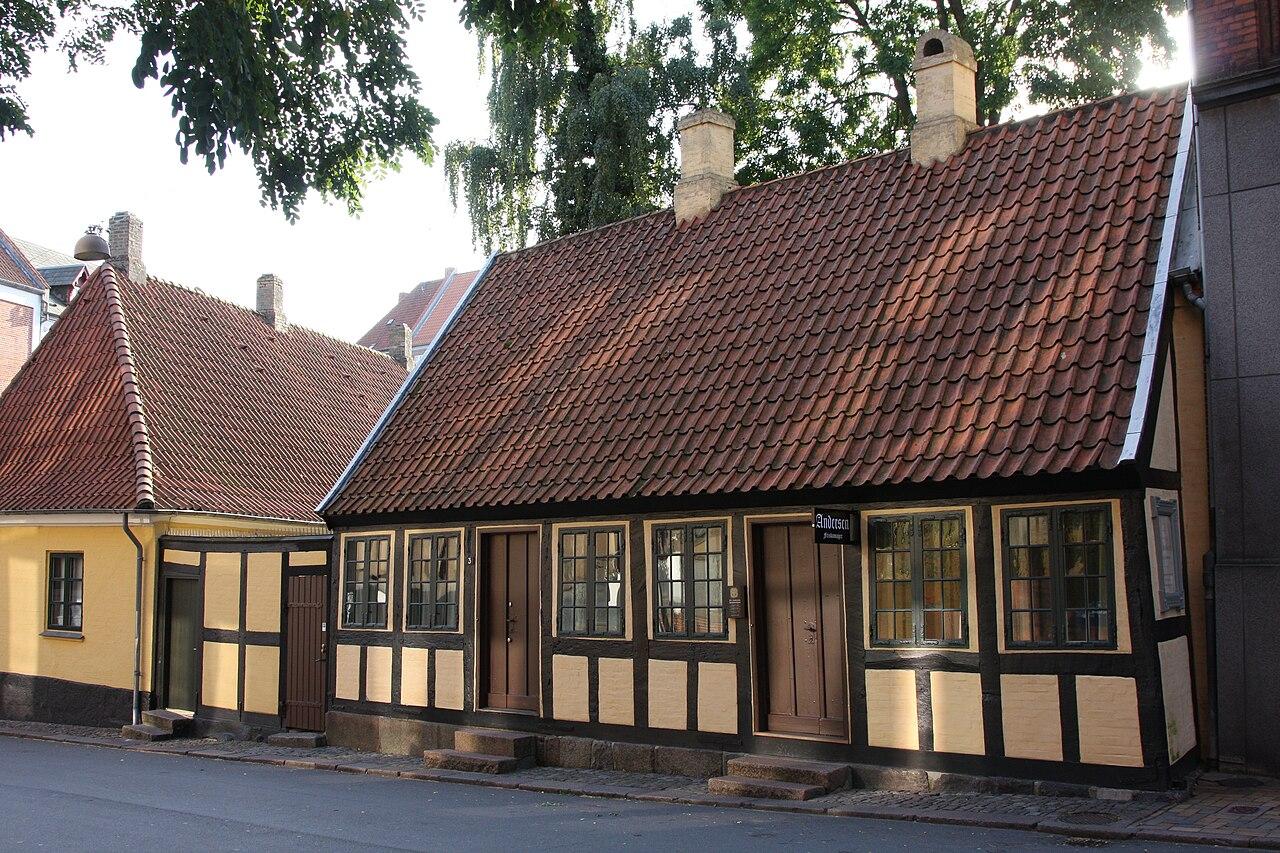
Looking beyond Cultural-botanical Garden? Discover Odense for broader travel guides, local hot-spots, and regional highlights.
Explore Odense