Munke Mose, Odense Travel Guide
Free Guide: Central Odense’s riverside wetland park where fairy-tale sculptures, grand old trees and easygoing outdoor life meet along the gentle Odense River.


A brief summary of Munke Mose
Central Odense’s riverside wetland park where fairy-tale sculptures, grand old trees and easygoing outdoor life meet along the gentle Odense River.
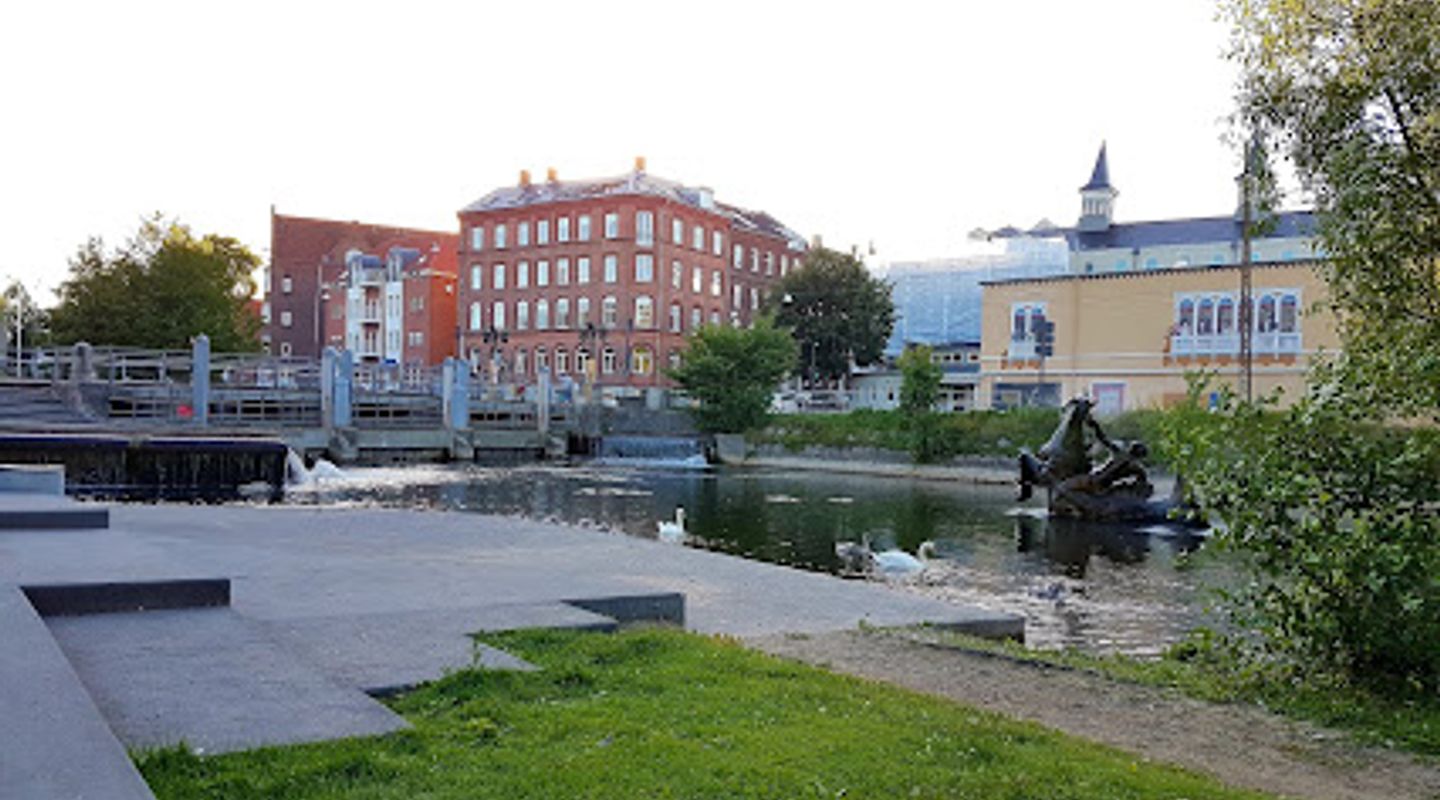
Munke Mose is Odense’s central green oasis, an 8.5-hectare wetland park where manicured lawns meet wilder swampy corners along the Odense River. Once a boggy meadow linked to medieval monastic mills, it is today a relaxed, family-friendly park with lakes, islands, and grand old trees. Fairy-tale sculptures inspired by Hans Christian Andersen, a celebrated Thumbelina-themed playground, river cruises, pedalos, and café life make it a natural pause point between Odense’s museums and historic streets.
On-site amenities
 Restrooms
 Drink options
 Drinking water
 Food options
 Seating areas
 Picnic areas
 Trash bins
 Information boards
Opening hours
- Every dayOpen 24 hours
Opening hours as listed on the venue’s Google Business Profile. Hours can change for services and special events, so check with the venue before you go.
- Address
- Havhesten, Filosofgangen, 5000 Odense
Getting there
Walking from central Odense
City bus within Odense
Bicycle access
Car and parking in central Odense
Discover more about Munke Mose
From Monks’ Meadows to City Oasis
Munke Mose occupies a broad bend of the Odense River, right in the city’s heart, but its story stretches back nearly a millennium. The area once belonged to the Benedictine monks of St Canute’s Monastery, whose watermill powered Odense’s grain supply and gave the park its name. Low-lying meadows flooded in winter, turning into natural skating rinks, while in summer the land served for grazing and hay.In the late 19th and early 20th centuries the municipality deliberately preserved the open space, transforming the former bog and factory grounds into a public park. Landscape architect Edv. Glæsel helped shape a design that would keep parts of the area feeling wild yet welcoming. Today, that history still lingers in the broad water surfaces, relict millpond and soft, marshy edges that make Munke Mose feel different from a conventional city garden.
Water, Islands and Grand Old Trees
Water defines the atmosphere here. The Odense River snakes through the park, widening into calm basins where ducks and swans glide between reed beds and grassy banks. Small islands, linked by low bridges, break up the views so that new perspectives appear with each few steps. The main lake near Jagtvej traces the line of the old mill dam, a reminder of the park’s working past.Around these waters stands an impressive collection of trees: oaks, hornbeam, red and copper beeches, ash, chestnut, magnolia and the remarkable ginkgo, often called a living fossil. In autumn the foliage burns gold and copper; in spring, fresh leaves frame the water with bright green. Manicured lawns roll down to the river in some sections, perfect for a picnic blanket, while elsewhere paths slip into more shadowy, almost swamp-like corners that hint at the original wetland.
Fairy-Tale Art in a Storyteller’s City
Munke Mose plays an important role in Odense’s network of Hans Christian Andersen–inspired sculptures. At one entrance, the powerful bronze seahorse fountain rears from the river with a mermaid on its back, a dynamic figure drawn from Agnete’s Lullaby. Elsewhere you may spot scenes from The Wild Swans or a version of The Little Mermaid, cleverly placed so they interact with water and greenery.These works anchor the park firmly in the identity of Andersen’s birthplace, turning ordinary strolls into a gentle sculpture hunt. They also provide a satisfying visual counterpoint to the soft landscape: dark bronze against bright grass, mythological figures framed by quiet channels and overhanging branches.
Playgrounds, River Cruises and Everyday Leisure
For many locals, Munke Mose is all about casual outdoor life. The celebrated playground, themed around the tale of Thumbelina, enlarges butterflies, lily pads, birds and fish into climbable structures where children scramble and slide amid bold colours. Nearby, Odense’s river boats depart for leisurely cruises, while pedal boats and canoes offer a more hands-on way to explore the water.On warm days, queues form at the small café and ice-cream counter near the river cruise pier, and the lawns become an informal dining room of blankets and takeaway boxes. Fitness enthusiasts jog along the riverside paths, yoga groups find flat grass under shade trees, and office workers slip into the park for a few quiet minutes beside the water.
Seasons, Events and Neighbouring Gardens
Munke Mose’s character shifts with the seasons. Spring brings flowering trees and longer light that lingers on the river. In high summer the park hums with picnics, outdoor games and student celebrations, and occasionally large gatherings such as May Day events or end-of-school traditions fill the lawns. Autumn lays a carpet of leaves along the paths, and in winter the open views make the low northern light particularly striking over the water.The park also forms a green hinge between other nearby spaces, including the H.C. Andersen gardens and Eventyrhaven. Together, these linked parks create an almost continuous belt of greenery around the historic core. Munke Mose sits at the centre of this chain: a flexible, welcoming space that can feel contemplative on a quiet morning or pleasantly sociable on a sunny afternoon, always with the gentle movement of the Odense River as its backdrop.
Evendo Review Centre
 Google
Guest reviews
Best time to go
Quietest: Jan, Feb & Mar · before 8am or at 10pm
Busy times are Evendo estimates for a typical year, to help you plan. Actual crowds vary with events, school holidays and the weather.
Explore Munke Mose on the map
A handpicked selection of must-see spots near Munke Mose, mapped for you.
Get your free copy of our complete guide to Munke Mose, delivered straight to you.
Everything on this page, from opening hours and how to get there to Eve’s tips and the best time to go, in one PDF you can read offline, print or share.
Already have an account? Sign in
Your Munke Mose guide is ready.
We'll send it to · Not you? Sign out

Getting your guide ready…
We are putting together a fresh copy of the Munke Mose guide. This can take up to a minute.
This can take a few moments. If your browser asks, choose Allow so the download can start. You'll find the guide in your Downloads folder.
Nothing happened? Download it again
Sorry, the guide is taking longer than usual. Please try again in a minute, or get it by email instead.
Other nearby places you may find interesting
The closest places of the same kind, if this one is not quite what you had in mind.
-
-
-
-
-


Swipe for more places
More to explore near Munke Mose

 Best experiences near Munke Mose
 Best hotels near Munke Mose
 Best landmarks near Munke Mose
 Best attractions near Munke Mose
 Best shops near Munke Mose
 Best restaurants near Munke Mose
 Best bars near Munke Mose
Do you manage this location?
Take control to get all the benefits, like improved information, better appearance, and stronger visibility across AI-powered discovery.
Explore more

Explore more of Odense
Discover Odense, Denmark's enchanting city where fairy tales come to life amidst historic streets, vibrant culture, and scenic beauty.
Explore Odense
Explore more of Denmark
Discover Denmark: A perfect blend of history, modern design, and the cozy concept of hygge. Explore vibrant cities, serene landscapes, and world-class cuisine.
Explore Denmark