

Bunkermuseum Of Odense, Odense Travel Guide
Free Guide: Step into a fully preserved Cold War command bunker beneath Odense and explore an atmospheric maze of control rooms, exhibits and civil defence history.


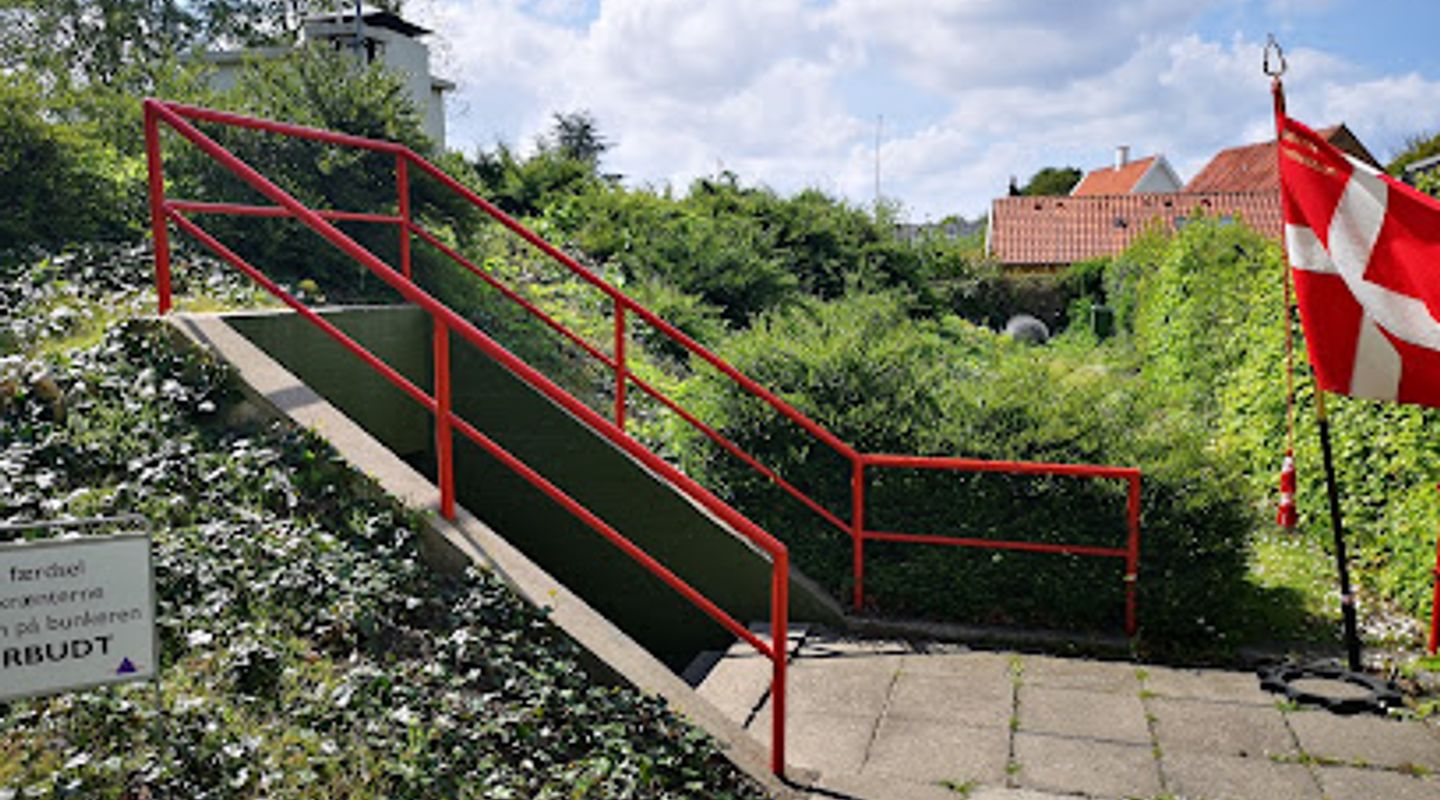
A brief summary of Bunkermuseum Of Odense
Step into a fully preserved Cold War command bunker beneath Odense and explore an atmospheric maze of control rooms, exhibits and civil defence history.
Hidden beneath a quiet residential street in Odense, the Bunkermuseum is a fully preserved 1950s nuclear bunker that once housed the municipality’s Cold War command centre. In this compact, atmospheric maze of concrete corridors and control rooms, original equipment, maps and radios remain in place, accompanied by focused exhibitions on civil defence, the “enemy from the east” and local emergency planning. Guided tours bring the tense Cold War era vividly to life in an intimate, immersive setting.
On-site amenities
 Restrooms
 Trash bins
 Information boards
Opening hours
- MonClosed
- TueClosed
- WedClosed
- ThuClosed
- FriClosed
- Sat10 am–4 pm
- Sun10 am–4 pm
Opening hours as listed on the venue’s Google Business Profile. Hours can change for services and special events, so check with the venue before you go.
- Address
- Kragsbjergvej 99, 5230 Odense
- Phone
- Website
Getting there
City bus from central Odense
Taxi within Odense
Cycling from central Odense
Discover more about Bunkermuseum Of Odense
A Cold War Nerve Centre Beneath Odense
Midway between suburban villas and everyday life, Odense Bunkermuseum lies hidden underground, forming a self-contained world of concrete, cables and crisis planning. Built in the early 1950s at the height of Cold War tensions, the bunker served as Odense Municipality’s command centre, designed to remain operational even in the event of a nuclear strike. With heavy blast doors, filtered air systems and reinforced walls, it was prepared for the unthinkable.The facility was active for decades and only decommissioned in the 2000s. Today it stands almost exactly as it was left: clocks on the walls, phones at the ready, status boards waiting to be updated. Stepping inside feels less like a reconstructed museum and more like entering a preserved time capsule of municipal emergency preparedness.
Inside the Underground Maze
Once you pass the entrance, you descend into a network of narrow corridors leading to specialised rooms. There are communications hubs filled with radios and switchboards, map rooms where coloured pins once tracked incidents, and offices equipped with robust desks, typewriters and stacks of paperwork. The layout is compact but intricate, giving a palpable sense of how many roles had to come together to manage a crisis.Simple furnishings, harsh fluorescent lighting and the low hum of machinery create an atmosphere that is both practical and subtly eerie. The relatively low ceiling height and windowless environment enhance the feeling of being deep below the surface, sealed off from the outside world and entirely focused on coordination and survival.
Stories of Civil Defence and the “Enemy from the East”
Interpretive displays throughout the bunker explore how Danish civil defence was organised during the Cold War. Panels and objects explain how fire brigades, medical services, police and municipal staff would have responded to major emergencies, from conventional attacks to nuclear fallout scenarios. You see equipment, uniforms, gas masks and documentation that reveal the scale of planning behind the scenes.One exhibition concentrates on the perceived “enemy from the east”, illustrating the military and ideological stand-off that shaped everyday life and policy in Western Europe. Another focuses on local aspects of preparedness in Odense, showing how an ordinary Danish city prepared for extraordinary events. The mix of official documents and personal items offers a human angle on a period often told only through high-level geopolitics.
Life Sealed Inside for a Month
The bunker was designed to house around 30 to 35 key personnel for up to a month without outside contact. That meant its own power supply, water system, food stores and sleeping facilities. As you move through the rooms, you encounter the practical traces of this planned isolation: bunk beds, simple kitchen equipment and storage spaces intended to keep the command team functioning under intense pressure.Imagining weeks spent here, following unfolding events only through radios and telephones, adds a psychological dimension to the visit. The constant balancing act between technical readiness and human endurance becomes easier to grasp when you stand in the same confined spaces where those decisions would have been taken.
Visiting the Museum Today
Odense Bunkermuseum is relatively small in size but rich in detail, and visits often centre on guided tours that thread through the complex. Open on selected days, typically weekends, it operates with a modest admission fee and offers tours at set times that delve deeply into the bunker’s history and operation.Because the site is an authentic underground facility, access can feel tight in places and may be challenging for some visitors with mobility issues. Expect a cool, stable indoor climate and bring a light layer. Most visitors find that one to two hours allows enough time to explore the rooms, read key displays and join a tour, making the bunker an absorbing historical stop within a wider day in Odense.
Evendo Review Centre
 Google
Guest reviews
Best time to go
Quietest: Jan, Feb & Dec · before 8am or from 6pm
Busy times are Evendo estimates for a typical year, to help you plan. Actual crowds vary with events, school holidays and the weather.
Explore Bunkermuseum Of Odense on the map
A handpicked selection of must-see spots near Bunkermuseum Of Odense, mapped for you.
Get your free copy of our complete guide to Bunkermuseum Of Odense, delivered straight to you.
Everything on this page, from opening hours and how to get there to Eve’s tips and the best time to go, in one PDF you can read offline, print or share.
Already have an account? Sign in
Your Bunkermuseum Of Odense guide is ready.
We'll send it to · Not you? Sign out

Getting your guide ready…
We are putting together a fresh copy of the Bunkermuseum Of Odense guide. This can take up to a minute.
This can take a few moments. If your browser asks, choose Allow so the download can start. You'll find the guide in your Downloads folder.
Nothing happened? Download it again
Sorry, the guide is taking longer than usual. Please try again in a minute, or get it by email instead.
Other nearby places you may find interesting
The closest places of the same kind, if this one is not quite what you had in mind.
-
-
-
-
-


Swipe for more places
More to explore near Bunkermuseum Of Odense

 Best experiences near Bunkermuseum Of Odense
 Best hotels near Bunkermuseum Of Odense
 Best landmarks near Bunkermuseum Of Odense
 Best attractions near Bunkermuseum Of Odense
 Best shops near Bunkermuseum Of Odense
 Best restaurants near Bunkermuseum Of Odense
 Best bars near Bunkermuseum Of Odense
Do you manage this location?
Take control to get all the benefits, like improved information, better appearance, and stronger visibility across AI-powered discovery.
Explore more

Explore more of Odense
Discover Odense, Denmark's enchanting city where fairy tales come to life amidst historic streets, vibrant culture, and scenic beauty.
Explore Odense
Explore more of Denmark
Discover Denmark: A perfect blend of history, modern design, and the cozy concept of hygge. Explore vibrant cities, serene landscapes, and world-class cuisine.
Explore Denmark
