
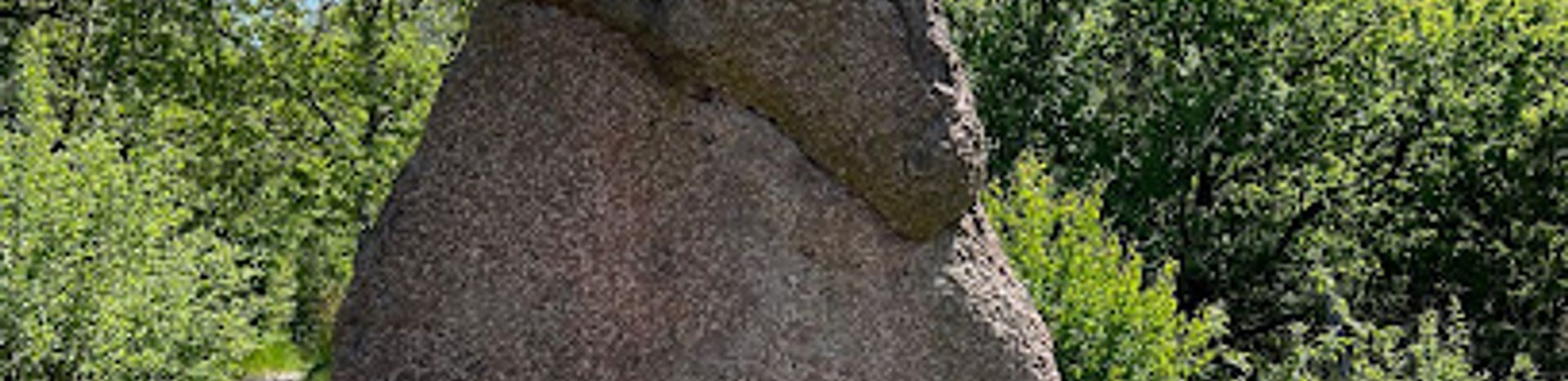
Kimbrerstenen in Rebild Bakker
A carved tribute to the ancient Cimbri, Kimbrerstenen stands amid Rebild’s heather‑clad hills, uniting Iron Age legend, sculpted granite and wide North Jutland skies.
Set among the rolling heather-clad hills of Rebild Bakker near Skørping, Kimbrerstenen is a monumental granite stone commemorating the ancient Cimbri tribe. Carved by sculptor Anders Bundgaard, it bears the inscription that the Cimbri set out from these parts in 120 BCE, tying the quiet Danish landscape to dramatic Iron Age migrations. Surrounded by sweeping views and open skies, it offers both a historic landmark and a contemplative pause on walks through Rebild National Park.
A brief summary to Kimbrerstenen i Rebild Bakker
- Skørping, 9520, DK
- Visit website
- Duration: 0.5 to 2 hours
- Free
-
 Outdoor
- Mobile reception: 4 out of 5
Local tips
- Aim for late July or August to see the surrounding heather in full purple bloom, which dramatically enhances the setting around the stone.
- Wear sturdy footwear; the approach crosses uneven, sometimes sandy slopes characteristic of Rebild Bakker’s meltwater‑formed valleys.
- Bring a windproof layer even in summer, as the exposed hills can feel significantly cooler and breezier than nearby sheltered areas.
- Combine your stop at Kimbrerstenen with a loop through Rebild National Park’s marked trails to experience both the monument and the wider landscape.
- If you are interested in archaeology and the Cimbri story, pair your visit with a trip to nearby museums that interpret Iron Age history from the region.

For the on-the-go comforts that matter to you
- Restrooms
- Seating Areas
- Trash Bins
- Information Boards
Getting There
-
Train and local walk from Aalborg
From Aalborg, take a regional train toward Skørping; the journey typically takes 20–30 minutes and runs at least once an hour during the day. A standard adult single ticket usually costs around 50–80 DKK in second class. From Skørping station, expect roughly an hour of walking on mixed terrain with some hills to reach Rebild Bakker and the area around Kimbrerstenen. The walk includes forest paths and open slopes and is not ideal for wheelchairs or prams, especially in wet weather.
-
Car from Aalborg and regional towns
Arriving by car from Aalborg or nearby towns typically takes 25–40 minutes, depending on traffic and starting point. There is public parking near the main entrances to Rebild Bakker, often free or with only modest seasonal charges; check local signs on arrival. From the parking areas, you continue on foot along waymarked trails over uneven, sometimes sandy ground to Kimbrerstenen. In peak summer and on public holidays, parking spaces can fill quickly, so early or later-in-the-day visits are advisable.
-
Bike from Skørping and surroundings
Cyclists based in Skørping or nearby villages can reach Rebild Bakker in roughly 20–35 minutes, using local roads with moderate hills. There is no formal bike charge, though you should bring a lock and plan to leave your bicycle at designated or sensible spots near the main access points to the hills. From there, continue on foot to the monument along natural-surface paths. This option suits reasonably confident cyclists, as sections of road may have fast-moving traffic and limited shoulders.
Kimbrerstenen i Rebild Bakker location weather suitability
-
 Clear Skies
-
 Mild Temperatures
-
 Hot Weather
-
 Cold Weather
-
 Any Weather
-
 Windy Conditions
Discover more about Kimbrerstenen i Rebild Bakker
A solitary stone in the heather hills
Kimbrerstenen rises from the undulating slopes of Rebild Bakker, a single massive boulder set against a backdrop of heather, grass and broad North Jutland skies. The granite is rhomb porphyry, flecked with crystals that catch the light when the sun breaks through the clouds. Standing here, the stone feels simultaneously modest and monumental, perfectly in scale with the surrounding landscape yet clearly marked out as something deliberate and significant. Around it, the terrain falls away into dry valleys and sandy hollows formed by meltwater at the end of the last Ice Age, a reminder that both the land and the story it carries have been shaped by long, slow forces of change. Paths thread past the monument, so you can approach it quietly from different angles, letting the stone emerge gradually from the heath.Echoes of the Cimbri and the Iron Age
The monument is dedicated to the Cimbri, an Iron Age people whose migrations brought them into conflict with the Roman Republic in the second century BCE. An inscription on the stone proclaims that the Cimbri departed from these regions around 120 years before the birth of Christ, linking this peaceful corner of Himmerland to one of antiquity’s more dramatic episodes. The wording is less a proven fact than a powerful cultural narrative, expressing a local sense of origin and belonging. For many visitors, Kimbrerstenen serves as an introduction to the area’s deeper prehistory, inviting you to imagine how these hills might have looked when the Cimbri tended their herds, buried their dead and prepared for journeys into the unknown. The surrounding countryside contains archaeological finds from the Iron Age, reinforcing the feeling that this is an old cultural landscape rather than untouched wilderness.Anders Bundgaard’s carved bull and symbolism
The stone was created by Danish sculptor Anders Bundgaard, known for his energetic, muscular figures and national monuments. Here he carved a stylised bull, the so‑called Kimbrer bull, into the side of the boulder. The animal’s heavy head and lowered horns suggest strength, endurance and a readiness to move, all qualities long associated with the Cimbri in Danish imagination. Bundgaard used the rough texture of the granite to give the bull a sense of emerging from the rock rather than simply being placed upon it. The carving is not overly polished, allowing lichen and weathering to soften the lines over time. This slow ageing ties the artwork to the natural environment, making it feel less like an imposed sculpture and more like a feature that belongs in the hills.Rebild Bakker’s landscape as a natural amphitheatre
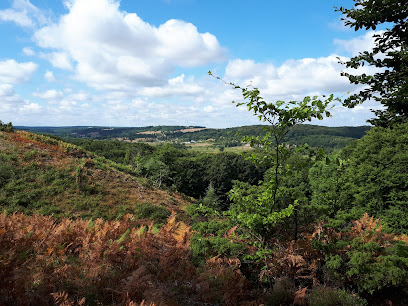
Kimbrerstenen does not stand in isolation; it is framed by Rebild Bakker’s sweeping valleys and ridges, which function almost like a natural amphitheatre. From the monument you can look out over a patchwork of heather, grass and scattered trees, with the larger forests of Rold Skov lying beyond. In late summer, the heather can turn the slopes into a purple carpet, creating a vivid contrast with the grey stone. The openness of the terrain means that wind, light and weather are constant companions. On bright days, the stone is sharply lit and the views stretch far across the hills. On misty mornings or in low winter light, the scene becomes more introspective, and the monument feels like a quiet marker in a subdued, almost monochrome landscape.A contemplative pause on walking routes
Most people encounter Kimbrerstenen as part of a wider exploration of Rebild National Park, using it as a stopping point along marked walking trails. The ground here is uneven but not extreme, and the monument is easily incorporated into both short strolls and longer circuits through the hills. There is space around the stone to sit on the grass, read the inscription and take in the views. The absence of heavy infrastructure reinforces the sense of being outdoors in a living landscape rather than in a formal memorial park. It is a place where history, geology and everyday recreation quietly overlap.National identity and transatlantic connections
Rebild Bakker has long been associated with Danish‑American gatherings and celebrations of shared heritage, and Kimbrerstenen fits into this broader pattern of national symbolism. By commemorating the Cimbri and their journeys, the monument subtly echoes more recent stories of migration, return visits and cultural ties across the Atlantic. Standing by the stone, you can sense how a simple carved boulder can carry multiple layers of meaning: a tribute to ancient warriors, a nod to local pride in Himmerland’s past, and a marker in a landscape that continues to draw visitors from far beyond Skørping. It is both a specific historical reference and an open invitation to reflect on movement, memory and belonging.Iconic landmarks you can’t miss

Hotel BramslevGaard
19.2 km
Experience tranquility and history at Hotel BramslevGaard, nestled in the scenic Bramslev Bakker by Mariager Fjord, offering gourmet dining, spa retreats, and easy access to Northern Jutland's natural wonders.
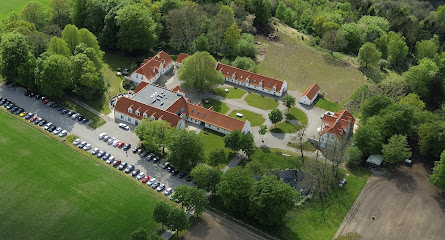
Restaurant BramslevGaard
19.2 km
Experience Danish history and gastronomy at BramslevGaard, a charming manor house nestled in the scenic Bramslev Bakker near Hobro, offering stunning views and French-inspired cuisine.
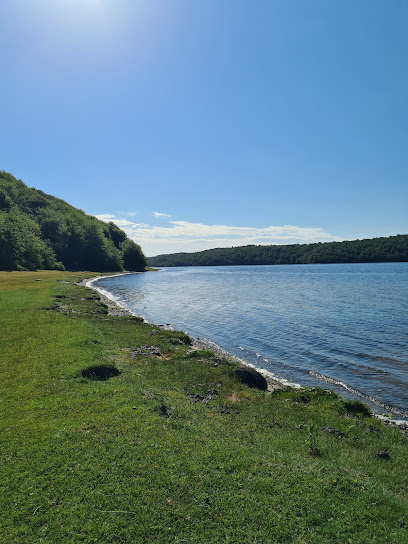
Mariager Fjord
19.9 km
Denmark's longest fjord winds through pristine Jutland landscapes, offering unspoilt nature, charming villages, and exceptional outdoor adventures.
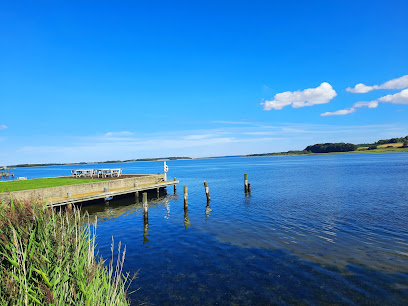
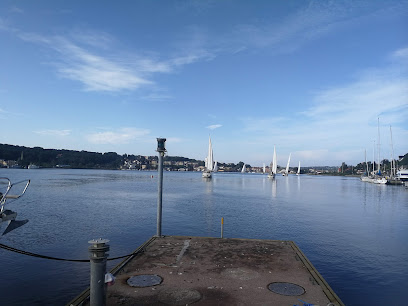
Hobro Lystbådehavn
20.9 km
Denmark's premier fjord marina with historic charm and modern comfort.
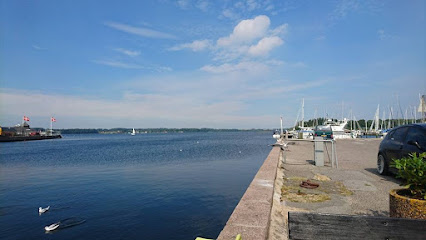
Mariager Lystbådehavn
21.5 km
Denmark's most beautiful fjord meets a thriving sailing community in this welcoming maritime harbor.
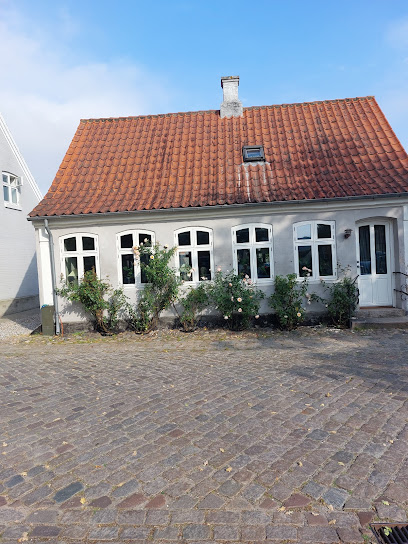
Hotel Postgaarden Mariager
21.8 km
Experience historic Danish charm and modern comfort at Hotel Postgaarden Mariager, nestled in the heart of the 'City of Roses' with easy access to Mariager Fjord's natural beauty.

Mariager Kirke
22.0 km
A lofty Bridgettine abbey church turned parish landmark, where Gothic stone, noble tombs and organ music tell Mariager’s story above the fjord.
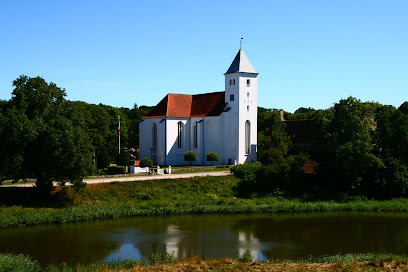
Mariager Church
22.0 km
A towering former abbey church above Mariager Fjord, where Gothic brickwork, noble tombs and a distinctive Aubertin organ keep centuries of faith and history alive.
Alstrup krat
22.1 km
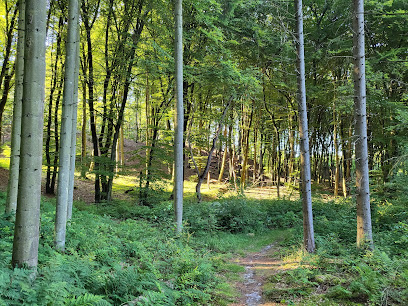
Explore Alstrup Krat near Mariager: Hike through ancient forests, discover Bronze Age burial mounds, and enjoy stunning views of Mariager Fjord. A blend of history and nature awaits.
Rosenhaven
22.2 km
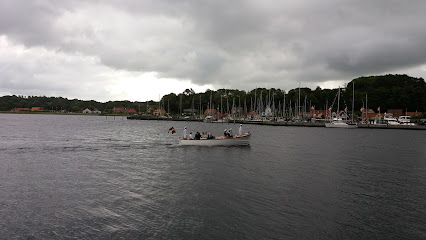
Discover Rosenhaven in Mariager, Denmark: a serene city park with over 400 rose species, blending history and beauty for a tranquil escape in the 'City of Roses'.
Munkholmanlægget
22.2 km
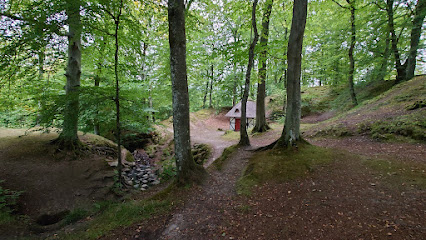
Discover Munkholmanlægget in Mariager: A historic park with tranquil nature, a charming lake, and a touch of whimsy, perfect for a peaceful escape and exploration.
Kings Hill | Megalithic tomb
22.2 km
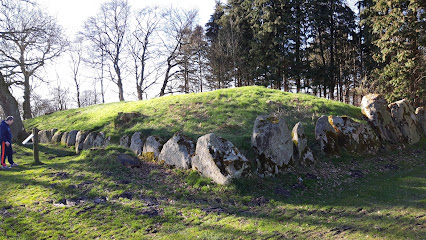
Explore the rich tapestry of Danish and international design at Copenhagen's premier design museum.
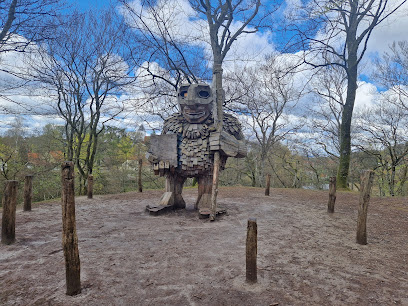
Ivan Evigvår trold
22.3 km
Explore Ivan Evigvår Trold, a magical tourist attraction in Mariager, Denmark, where folklore meets artistry in a stunning natural setting.
Lille Vildmose
22.8 km
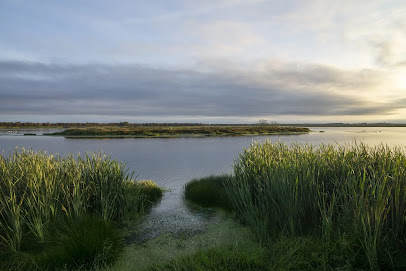
Discover Denmark's largest protected area, Lille Vildmose, a haven for wildlife and a unique raised bog ecosystem, offering immersive nature experiences and conservation insights.
Aalborg Zoo
23.2 km
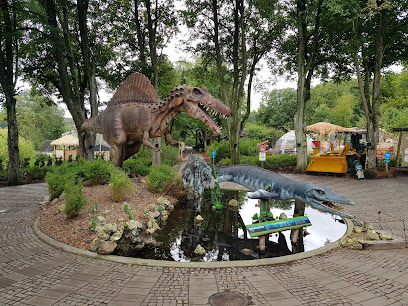
Explore Malmö’s premier museum for technology, science, and seafaring, featuring interactive exhibitions, classic vehicles, and Sweden’s only public submarine display.
Unmissable attractions to see

Bålhytten i Rebild Bakker
0.1 km
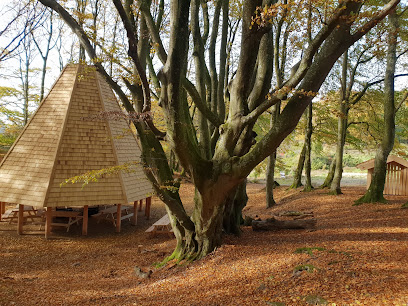
Octagonal fire shelter honoring Danish-American heritage in Rebild's protected hills.
Rebild National Park
0.1 km
Denmark's historic heathland where glacial hills meet Danish-American heritage and Europe's finest certified hiking trails.
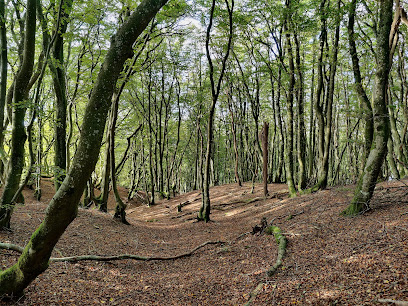
VINGES VANDRING
0.1 km
Experience Denmark’s most iconic heathland vistas and heritage on the well-marked Kvalitetssti Rebild hiking trail in the legendary Rebild National Park.
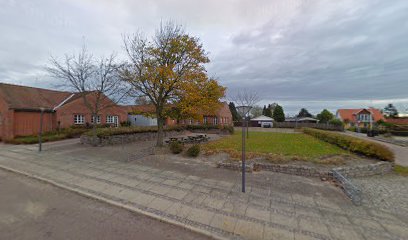
RebildPorten
0.1 km
Contemporary welcome center and terrace at the gateway to Rebild Hills and Rold Forest, where maps, stories and local insight prepare you for the landscape ahead.
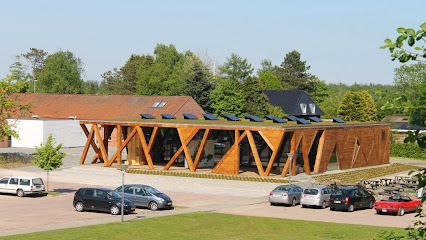
Museum Rebild
0.1 km
Where Danish emigration stories meet transatlantic friendship in historic northern Jutland hills.
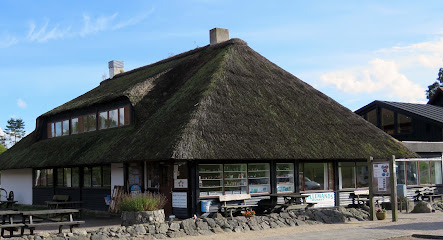
Kvalitetssti Rebild
0.2 km
A certified premium hiking loop through Rebild Bakker’s purple heaths, deep springs and ancient forest, showcasing some of Denmark’s most dramatic lowland terrain.
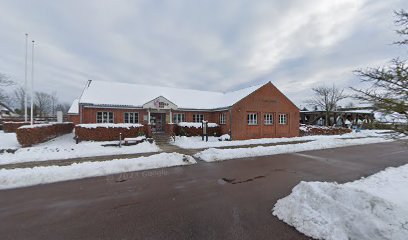
Rebild Bakker Information
0.2 km
Compact visitor hub with restrooms and trail information at the edge of Rebild Bakker, linking Skørping’s everyday life to Denmark’s heather-clad national park.
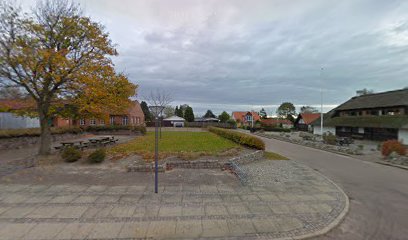
Danhostel Rebild
0.2 km
Welcoming hostel near Denmark's scenic Rebild Bakker hills with modern rooms, friendly staff, and included breakfast.
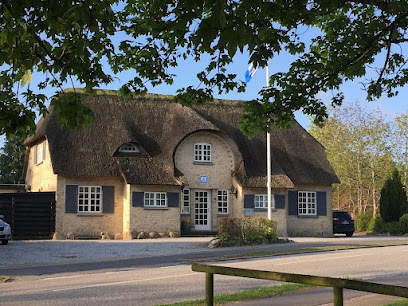
Comwell Rebild Bakker
0.4 km
Luxury resort immersed in Denmark's most visited national park, blending Nordic wellness with historic landscape.
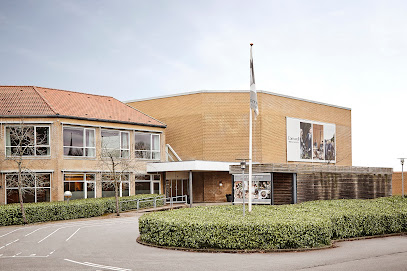
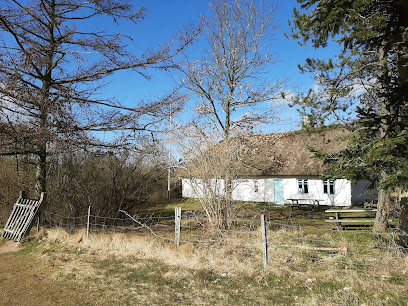
Lars Kjærs Hus
0.9 km
Tiny forest cottage, big folk tale: step into the poacher Lars Kjær’s world and his fortune-telling wife’s home in the hills of Rebild Bakker.
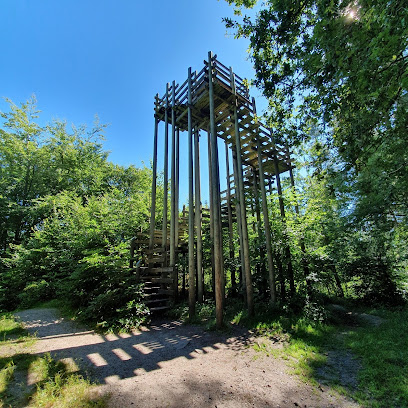
Skovtårnet
1.0 km
Modest in height but rich in views, Skovtårnet lifts you above Rold Skov’s twisted pines for wide horizons over Rebild’s hills and valleys in every season.
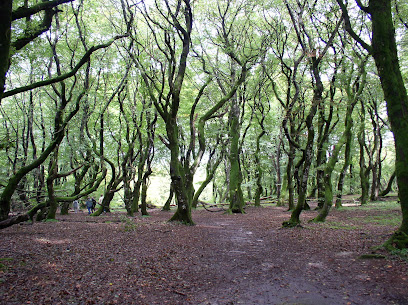
Troldeskoven
1.1 km
A compact corner of Rold Skov where centuries‑old beech trees twist into troll-like sculptures, blending folklore, forest history and quietly enchanting woodland atmosphere.
Røverknolden
1.2 km
Artistic forest playground where imagination meets adventure in Denmark's largest woodland.
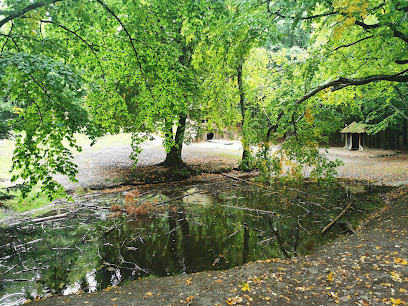
Ravnkilde
1.2 km
A powerful clear-water spring hidden in the wooded folds of Rebild Bakker, where rare wetland plants, cool streams and seasonal sea trout share a tranquil valley.
Hvasstræet
1.3 km
A modest memorial tree in the depths of Rold Skov, Hvasstræet quietly honours forester Jens Hvass amid rustling conifers and tranquil North Jutland woodland.
Essential places to dine

Top Karens Hus
0.1 km
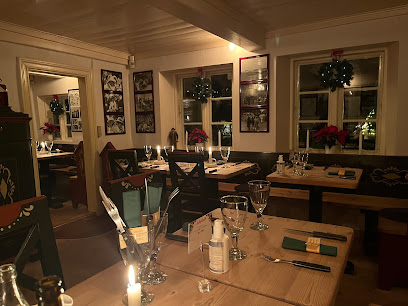
Historic countryside traktørsted at the gateway to Rebild Bakker, serving traditional Danish food, coffee and cake in intimate low‑ceilinged rooms and garden.
Westernhuset
0.1 km
Skørping's premier venue for group celebrations and traditional Danish dining
Rebildhus
0.2 km
Hearty Danish lunch and countryside charm on the edge of Rebild Bakker’s rolling hills, a relaxed restaurant base for walks, family outings and day trips.
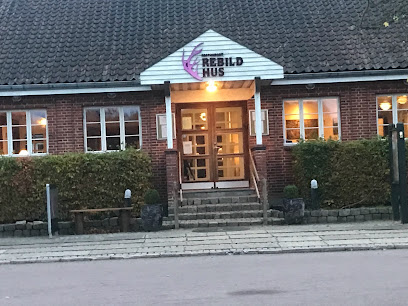
Bb Rold
0.2 km
A homely little café and B&B-style retreat in a quiet Skørping street, offering simple comforts and easy access to the forests and hills of Rold Skov.
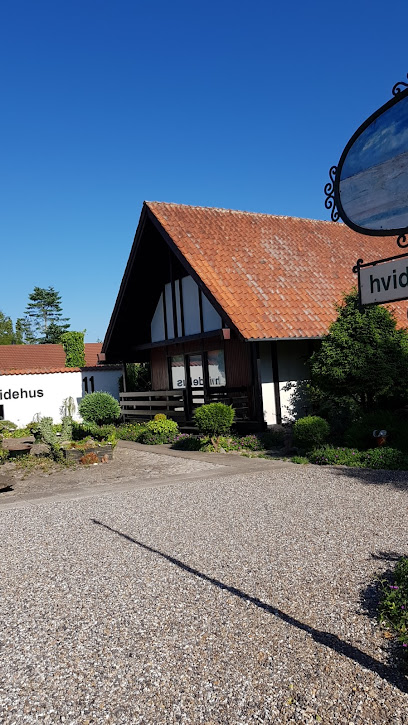
Røverstuen
0.3 km
Woodland restaurant at Rebild’s edge, where Danish comfort cooking, rustic interiors and forest legends combine into a relaxed, story-rich meal stop in Skørping.
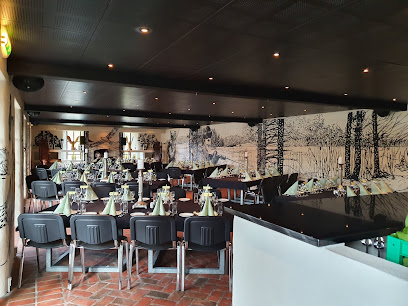
Papas Pizza Og Kebab House V/Serdar Keskin
2.9 km
Casual neighborhood pizzeria and kebab house in central Skørping, serving generous Danish-style pizzas, kebabs and grill favorites at moderate prices all week.
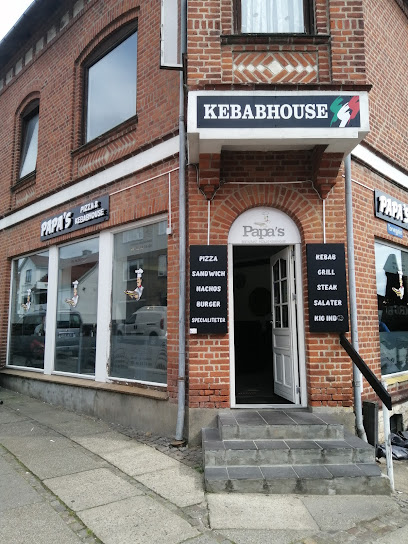
Mosskovpavillonen
3.8 km
Historic forest pavilion serving French-Danish cuisine beside a pristine lake in North Jutland's natural heart.
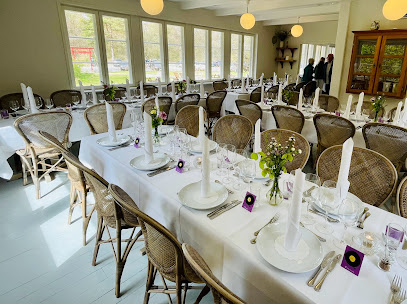
Restaurant Hul19
5.0 km
Laid-back Scandinavian clubhouse dining with sweeping views over Rold Skov Golfklub’s closing hole and the forested landscape beyond in Skørping.
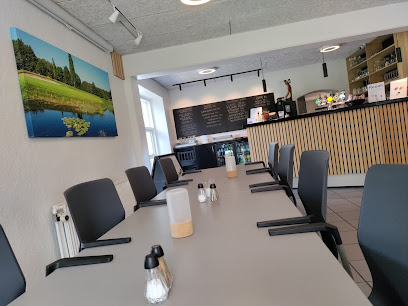
Ice Sushi
6.4 km
Straightforward sushi takeaway on Hobrovej in Støvring, serving practical sharing boxes and casual eat-in options for easy weeknight dinners and road-trip stops.
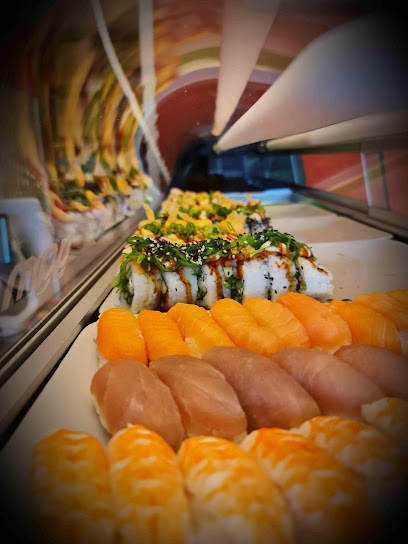
Bella Italia Støvring
6.8 km
Cozy pizza and steakhouse on Støvring’s main street, serving generous Italian-inspired comfort food and easygoing Danish hospitality for locals and road‑trippers alike.
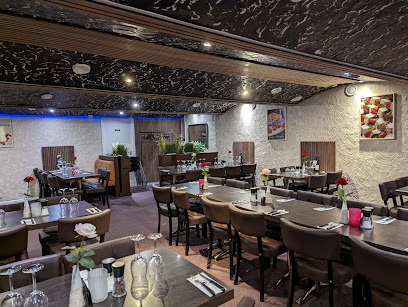
MesterBageren Støvring
6.8 km
Lively neighborhood bakery-café in central Støvring, serving classic Danish breads, pastries and celebration cakes from early morning until late afternoon.
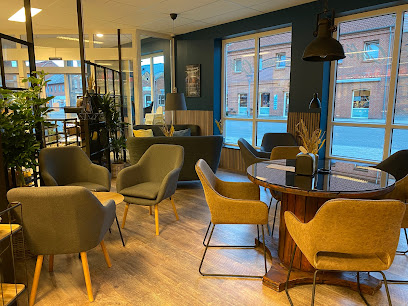
MADUMSØHUS ISBAR
7.4 km
Homely countryside ice cream stop by Madum Lake, where classic Danish soft ice meets quiet Jutland landscapes and relaxed summer-evening vibes.
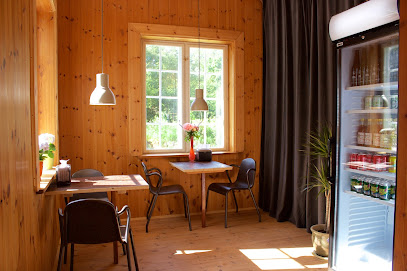
Burger King
10.3 km
Flame-grilled burgers and quick meals in rural Jutland's convenient fast-food hub.
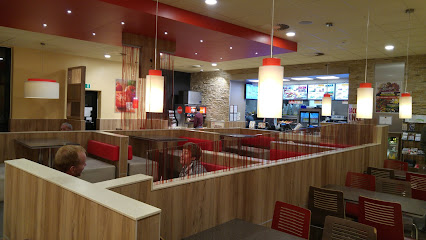
Motorvejsgrillen
10.4 km
Old-school Danish roadside grill off the Nørager motorway, serving hearty burgers, fries and classic fast food to drivers, locals and truckers all week.
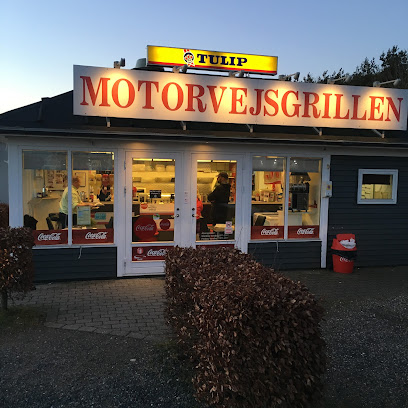
Sønderup Landkøkken v/Dorthe Nørhave Johansen
11.6 km
Rural North Jutland kitchen turning classic Danish farm recipes into hearty daily meals and generous buffets for locals, pensioners and countryside celebrations.
Markets, malls and hidden boutiques

Roldhøj Lopper og Luksus
0.1 km
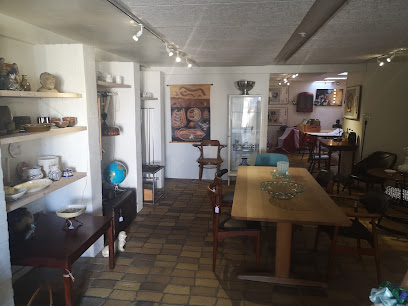
A cosy vintage barn near Rebild Bakker packed with Danish design, retro furniture and quirky treasures for slow, sustainable treasure hunting in Skørping.
Rebild Bakker (Rebildvej / Rebild)
0.3 km
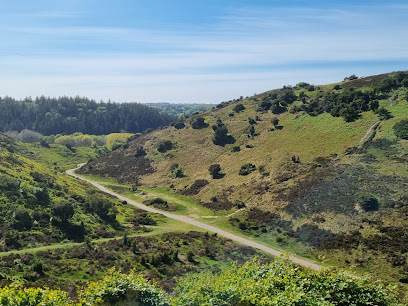
Heather-clad hills, glacial gorges, and cross-Atlantic heritage unite in Rebild Bakker, Denmark’s iconic national park and cultural meeting ground.
Vinhandel La BourGogne
1.5 km
Discover Vinhandel La BourGogne in Skørping: A curated selection of fine wines and expert guidance await wine enthusiasts.
Holy Moses Wineshop
2.2 km
Characterful neighbourhood wine shop in Skørping, pouring American bottles, local vintages and sustainable delights from morning to evening every day.
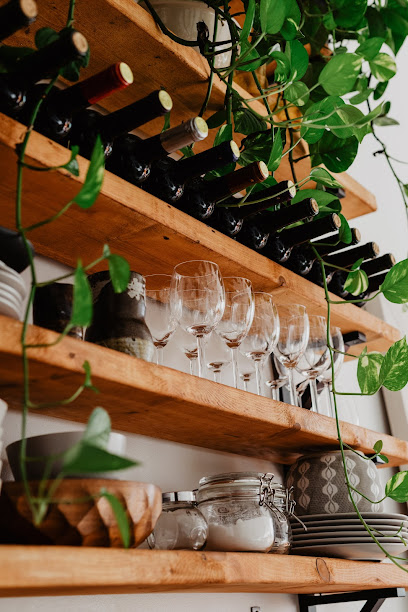
Lenas Blomster
2.9 km
Friendly neighbourhood florist and gift boutique in the heart of Skørping, blending seasonal blooms, curated presents and local small-town charm.
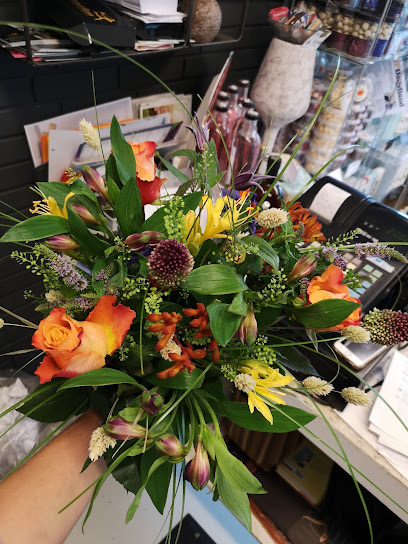
Bogby 9520
2.9 km
Volunteer‑run book town in Skørping, where thousands of second‑hand volumes and a cosy, local atmosphere turn browsing into a slow‑travel highlight.
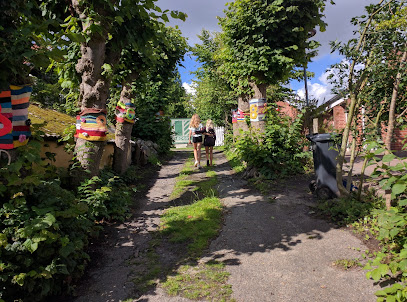
REMA 1000
2.9 km
No‑frills Danish discount supermarket in Skørping, ideal for stocking up on groceries, snacks and everyday essentials before exploring Rebild Bakker and Rold Skov.
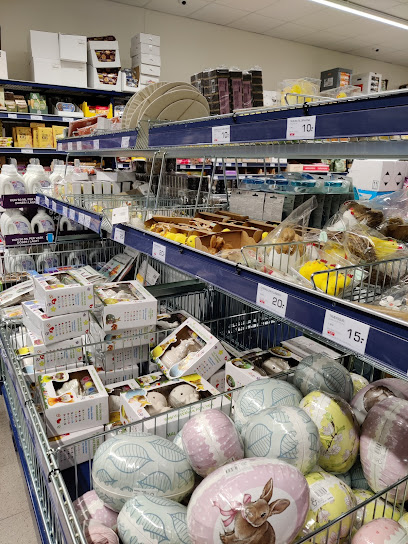
Maggies Gemakker
2.9 km
A cosy Skørping fashion boutique offering timeless, mix-and-match women’s clothing and personal styling advice focused on longevity rather than fast trends.
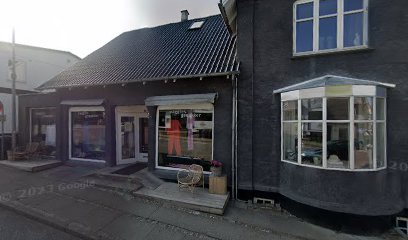
FKN Genbrug / DCA Op Shop
3.0 km
Cozy volunteer-run charity thrift shop in central Skørping, where slow treasure-hunting, reuse and global solidarity all meet on one compact shop floor.
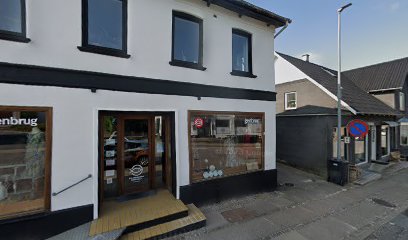
Folkekirkens Nødhjælp Genbrug
3.0 km
Small-town Danish charity shop where second-hand fashion, homeware and local community spirit come together to support global humanitarian work.
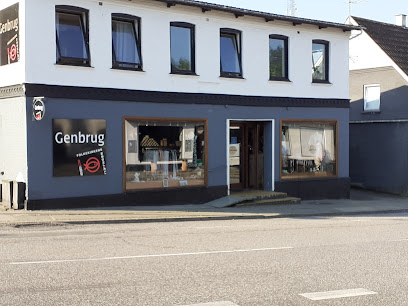
Meny
3.0 km
Modern Danish supermarket in Skørping Centret with fresh counters, local specialties and a strong wine selection – a practical one‑stop shop for travelers.
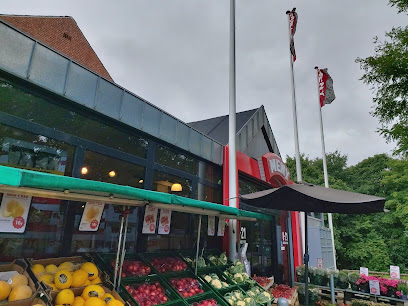
Garndamen
3.0 km
Intimate yarn shop in the heart of Skørping, brimming with colourful fibres, patterns and friendly expertise for knitters and crocheters of every level.
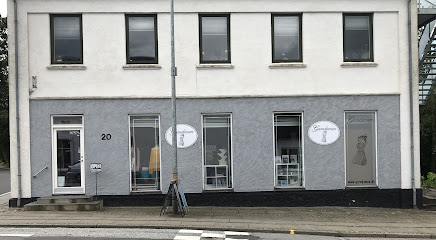
Kirkens Korshær Genbrug
3.0 km
Small-town Danish thrift shop where every second-hand bargain helps fund social work and offers a glimpse into everyday community life in Skørping.
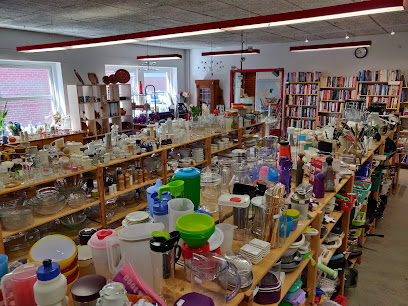
Rold Forest Bike Shop
3.2 km
Denmark's premier mountain bike hub in the heart of Rold Forest's 50-kilometer trail network.
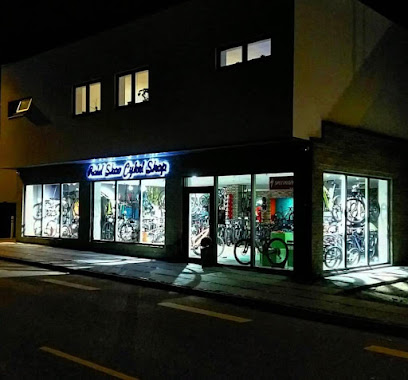
Louise Nørgaard
3.2 km
A cosy holistic beauty clinic and natural lifestyle boutique in small-town Skørping, blending personalised treatments, clean products and a calm, slow-paced atmosphere.
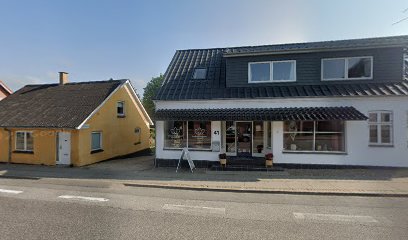
Essential bars & hidden hideouts

Skørping Bodega
2.9 km
Down-to-earth local bodega in central Skørping, serving cold beers, simple drinks and small-town atmosphere from midday until late on weekends.
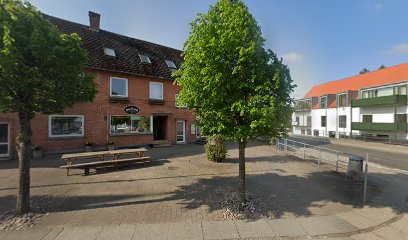
Happy Friday
5.5 km
Cozy Støvring cocktail bar with crafted drinks, warm lighting and a Friday-night feeling any day of the week.
City Bar Støvring
6.6 km
Unpretentious local bar in Støvring’s City Centret, offering simple drinks, friendly chat and a down-to-earth glimpse of everyday Danish small-town life.
Støvring Mc
6.8 km
Laid‑back neighborhood bar in small‑town Støvring, with a subtle motorbike vibe, simple drinks and a down‑to‑earth atmosphere on Viborgvej.
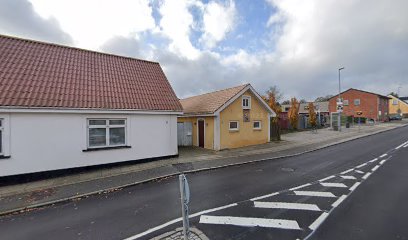
Loke's Ølstue
8.7 km
Suldrup’s no-frills bodega bar, where cold beer, local stories and small-town Danish pub culture come together in a cozy, lived-in corner on Aarestrupvej.
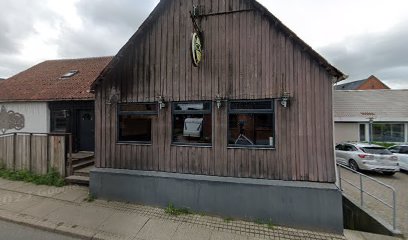
Carsten fenger
10.2 km
A low-key rural bar near Skørping where locals gather, travelers are welcomed, and simple drinks fuel long conversations in a relaxed countryside setting.
Rottehullet / Bodega
11.0 km
Laid‑back Danish bodega in quiet Arden, where cold beer, worn wood and easy conversation create a timeless neighborhood hangout.
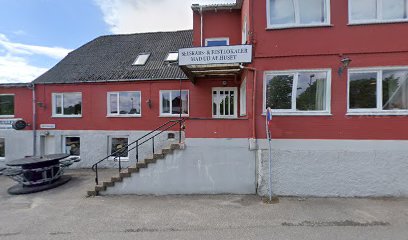
Center Pubben ApS
13.4 km
Cozy neighborhood pub in Terndrup Center, pouring cold beer, simple drinks and warm small-town atmosphere in a no-nonsense Danish bar setting.
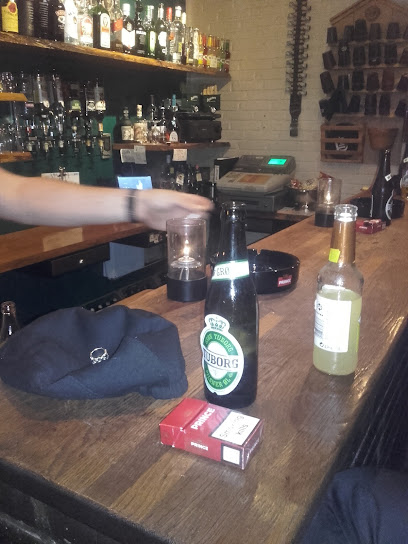
Skotten
18.6 km
Aalborg's casual neighborhood bar for relaxed socializing and unwinding with friends
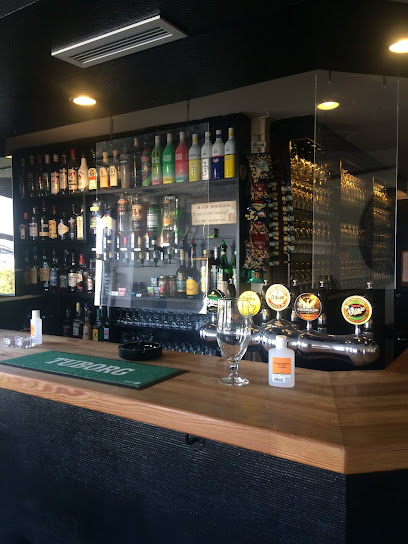
Club 85@Nibe Festival
20.8 km
Small-town bar turned festival hotspot, Club 85 is where Nibe’s intimate music nights spill over into easygoing drinks, local charm and late-night singalongs.
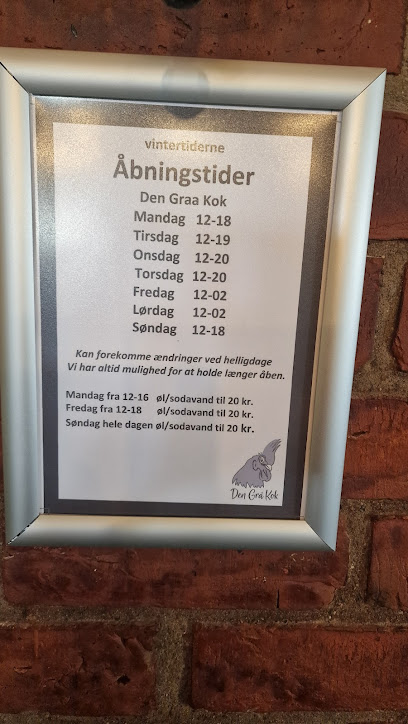
Den Graa Kok Vinkælderen
20.8 km
Refined wine bar and cellar in North Jutland offering curated selections and elegant dining.
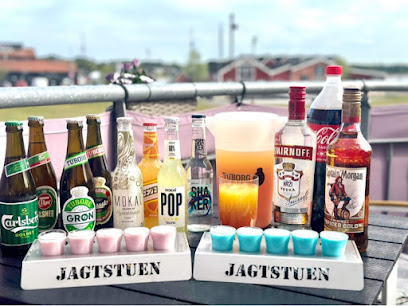
Jagtstuen
21.0 km
Traditional Danish bodega-style bar in central Hadsund, known for its cozy atmosphere and pioneering dementia-friendly approach to everyday social life.
Kælderen
21.0 km
Intimate basement bar at the heart of Hadsund's town square, open for evening gatherings Thursday through Sunday.
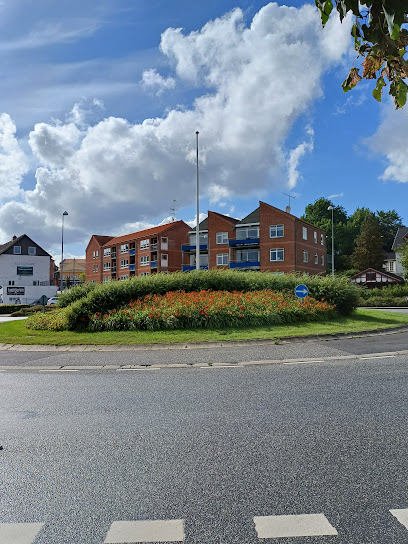
Jernkroen
21.2 km
Cozy harbor-side kro-bar in the heart of Nibe, where inexpensive drinks, a friendly courtyard and true small-town atmosphere invite you to linger.
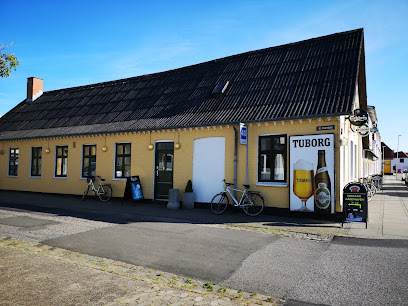
ar
21.3 km
Unpretentious waterfront bar on Ved Stranden in Hadsund, where simple drinks, fjord views and small-town atmosphere create an easygoing evening stop.
Nightclubs & after hour spots

Buddy Holly
21.6 km
Late-night disco hub in central Hobro, where locals and visitors pack the dance floor to chart hits, lights and drinks until the early hours.

Mjølner
21.9 km
Small-town Nibe’s late-night heartbeat, where a compact dance floor, loud party tunes and local crowds turn a quiet fjord town into a lively night out.
Mariager Fjord Golf
22.6 km
Mariager Fjord Golf blends a challenging 18-hole course with spectacular fjord views, laid-back Danish charm, and a welcoming clubhouse overlooking North Jutland’s scenic waters.
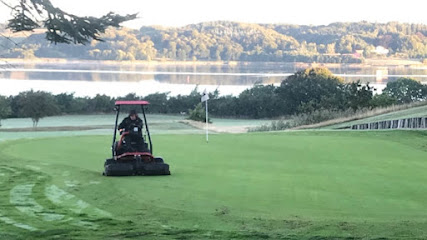
Night Cirque
24.5 km
Compact, high-energy nightclub in central Aalborg, where pulsing beats, bold lighting and a stylish crowd keep the dance floor alive late into the night.
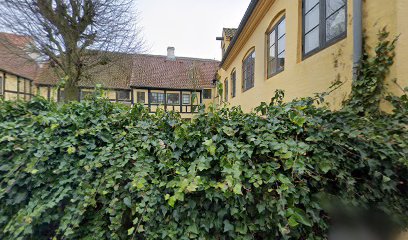
LouLou Aalborg
24.8 km
Polished cocktails and high-energy club vibes collide at this compact, late-night hotspot on Aalborg’s legendary Jomfru Ane Gade.
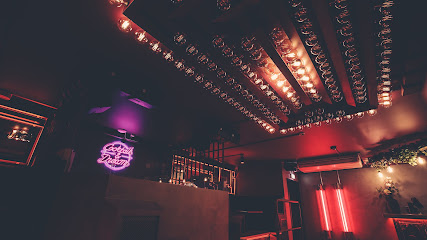
Club Stygge
24.8 km
Compact, late-night Aalborg nightclub with loud party hits, simple cocktails and a tightly packed dance floor on bustling Vesterå.
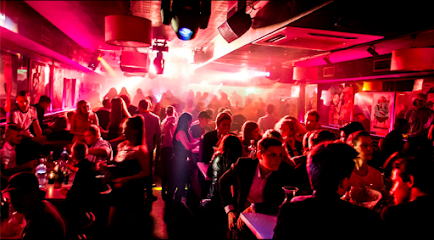
ESCAPE CLUB & Shisha Lounge
24.8 km
Intimate nightclub and shisha lounge in the heart of Aalborg’s Jomfru Ane Gade, mixing DJ-driven dancing, drinks and hookah corners late into the night.
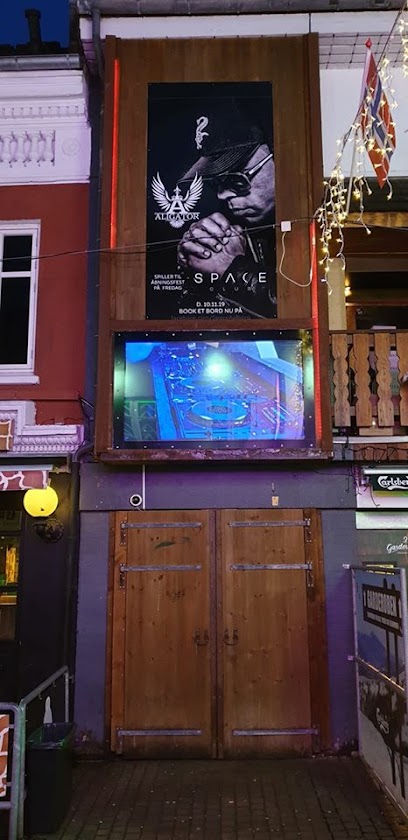
Club Wolf
24.8 km
Compact, late-night nightclub on Aalborg’s Jomfru Ane Gade, blending chart hits, strong weekend energy and a tightly packed dance floor in the city’s bar street hub.
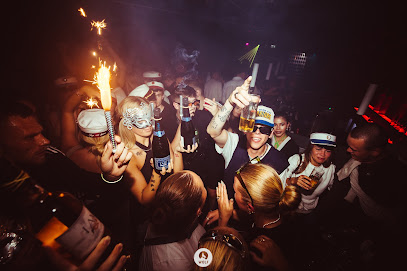
C Night Club
24.9 km
Craft cocktails meet dance floor energy on Aalborg's premier nightlife street.
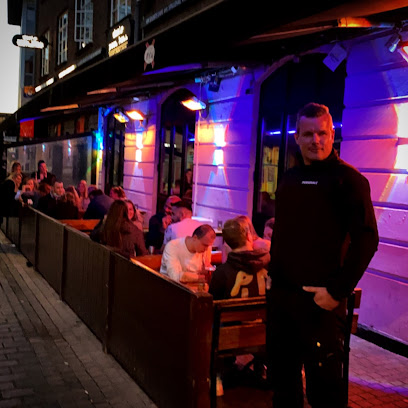
Hugos Garage
24.9 km
Experience Aalborg's iconic party vibe at Hugos Garage, a lively bodega-style bar and dance club on Jomfru Ane Gade featuring live music and classic Danish hospitality.
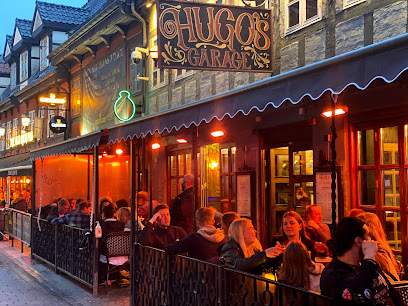
CLUB MOONLIGHT Aalborgs dansested for voksne
24.9 km
Adult‑only dance bar in central Aalborg, mixing 80s, 90s, 00s and current hits with cocktails and late‑night energy in an intimate courtyard setting.
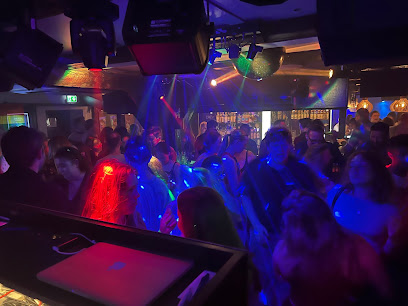
Rocken
24.9 km
Aalborg's premier basement rock and metal nightclub, hosting live bands and DJ sets Friday through Sunday.
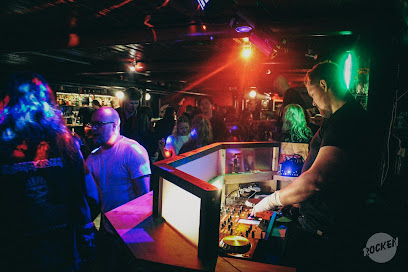
Casino Aalborg
24.9 km
Compact, adult-only casino in the heart of Aalborg, pairing classic table games and slots with a relaxed Nordic nightlife atmosphere inside a city-center hotel.
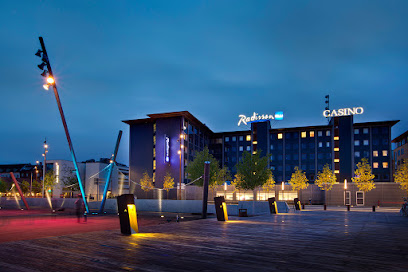
Randers Rave
40.5 km
Compact, bass-heavy nightclub in Randers NØ, where an unassuming façade hides a late-night dance floor fueled by rave-inspired lights, DJs and high energy.
Jazzens Venner
41.7 km
Experience live jazz performances in Randers' intimate and vibrant Jazzens Venner club.
For the vibe & atmosphere seeker
- Tranquil
- Scenic
- Relaxing
- Unique
- Casual
For the design and aesthetic lover
- Rustic Designs
For the architecture buff
- Landmarks
- Parks & Gardens
For the view chaser and sunset hunter
- Iconic Views
- Panoramas
- Sunset Spots
For the social media creator & influencer
- Photo Spots
- Selfie Spots
- Architectural Shots
- Reel-Friendly
For the eco-conscious traveler
- Low Impact
- Protected Area
- Public-Transport Accessible
- Leave-No-Trace Critical
- Wildlife Habitat
For the kind of experience you’re after
- Cultural Heritage
- Photowalk
- Adventure Photo Shoot
- Nature Escape
- Day Trip
- Roadtrip Stop
- Myth & Legends
- Mindfulness
For how adventurous you want the journey to be
- Easy Access
Location Audience
- Family Friendly
- Senior Friendly
- Child Friendly
- Teen Friendly
- Solo Friendly
- Couple Friendly
- Solo Female Friendly


