Højer Sluse
Historic lock, tidal marshes and sweeping Wadden Sea views where Denmark’s struggle with storm surges and rising waters is written into gates, dikes and sky.
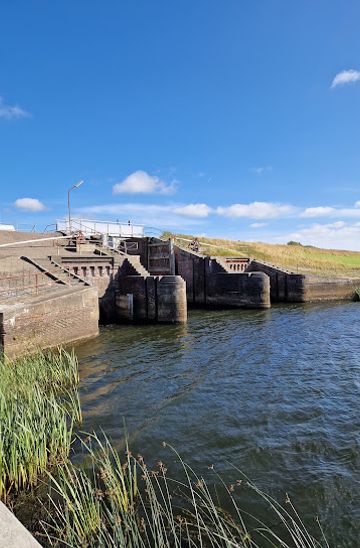
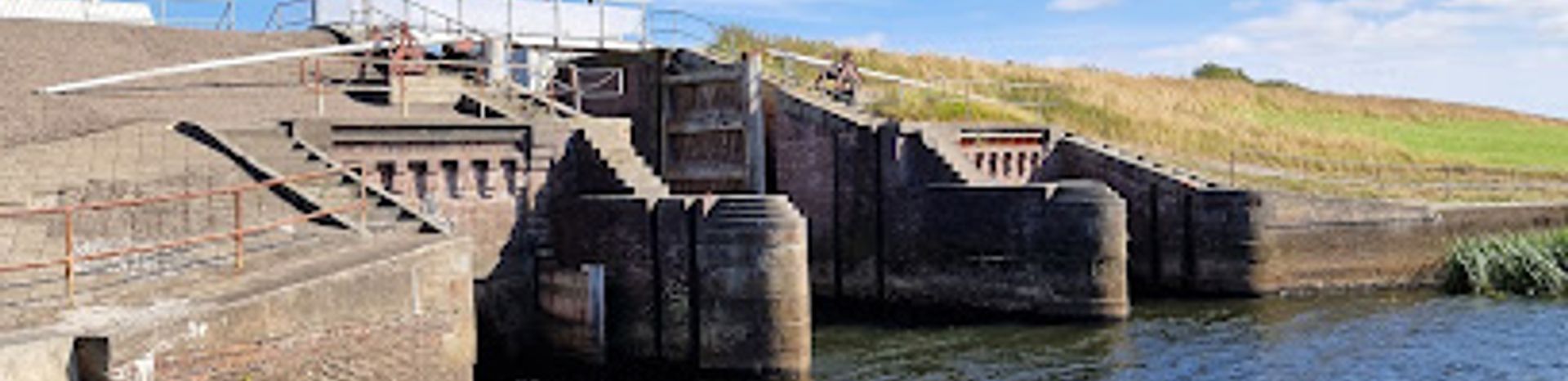
Set on the edge of the Wadden Sea near the little town of Højer, Højer Sluse is a historic lock and floodgate system protecting the low-lying marshes from storm surges. Built in the 19th century together with the Højer–Siltoft dike, it once guarded a busy tidal harbour and canal. Today you come for big skies, wind, birdlife and wide marsh views, as well as the clear sense of how people here have lived with – and against – the sea for generations.
A brief summary to Højer Sluse
- Slusevej 25, Højer Municipality, 6280, DK
- Duration: 0.5 to 2 hours
- Free
-
 Outdoor
- Mobile reception: 4 out of 5

Know before you go
Hi, I'm Eve. Here are a few practical things to know before exploring Højer Sluse.
- Bring windproof layers, even in warmer months; the exposed dike and lock area can feel significantly colder and windier than inland.
- Time your visit around low tide for the clearest sense of the Wadden Sea mudflats and drainage function of the lock system.
- Combine the lock with a stop at nearby viewpoints or the mill in Højer for a fuller picture of the marsh landscape and local history.
- If cycling from Højer, expect very flat but often windy conditions; allow extra time when the wind is blowing in from the sea.
- Pack water and a snack outside high season, as nearby cafés may have limited opening hours on quieter days.
Do you manage this location?
Take control to get all the benefits, like improved information, better appearance, and stronger visibility across AI-powered discovery. Learn more
Activate your presenceOther nearby places you may find interesting
Getting There
-
Car from Tønder
From the town of Tønder, reaching Højer Sluse by car typically takes around 20–30 minutes, using regional roads that cross open farmland and marsh. There is usually free parking near the dike and lock area, but spaces can fill on fine weekends and during school holidays. Fuel stations are available in Tønder and Højer rather than at the lock itself, so plan refuelling before or after your visit.
-
Bicycle from Højer town
From central Højer, the ride to Højer Sluse usually takes 15–25 minutes by bicycle along mostly flat dike and country roads. The route is exposed, so headwinds from the sea can make the trip slower and more strenuous, especially for younger cyclists. There is no dedicated bike hire at the lock, so arrange cycles in town, and bring lights and reflective gear if you plan to return in the evening.
-
Regional bus plus short walk
Regional buses connect Tønder with Højer in around 25–40 minutes, depending on the service and intermediate stops, with standard single fares typically in the range of 25–50 DKK. From bus stops in Højer, allow an additional 25–40 minutes on foot along level roads and dike paths to reach the lock area. Services may run less frequently on weekends and public holidays, so checking the timetable in advance helps avoid long waits.
For the on-the-go comforts that matter to you
-
 Restrooms
-
 Trash Bins
-
 Information Boards
-
 Seating Areas
Discover more about Højer Sluse
A working gateway between marsh and sea
Højer Sluse sits where the flat marshland meets the Wadden Sea, controlling the flow of water between the Vidå River and the tidal mudflats outside the dike. The lock complex was originally built in 1861 together with the Højer–Siltoft dike, at a time when storm surges repeatedly threatened farms and villages in this exposed corner of southwest Jutland. Heavy lock gates, sluices and embankments were designed to let freshwater drain out at low tide while holding the sea back when the tide and wind rose.Looking at the massive gates and concrete structures, you can read the engineering logic at a glance: robust, functional and built for survival rather than beauty. Yet there is a stark elegance in the way the lock sits in the landscape, a clear line between cultivated green fields on one side and the wilder, tidal world beyond.From trading harbour to quiet edge of Denmark
Behind Højer Sluse there was once a sheltered trading harbour, busy with ships carrying building materials, fuel and fertilizer along the canal to local businesses and farms. The tide dictated the rhythm of life, with vessels timing their entrance through the lock to reach the safety of Højer Havn. As shipping routes changed and larger ports took over, commercial traffic faded and the harbour gradually became a calm backwater.Today only traces of that maritime bustle remain: the line of the canal, mooring points, old foundations and the clear sense that this was once an important working gateway. Standing here you can imagine masted ships slipping through the open lock, sails furled as they entered the protected waters behind the dike.Big skies, strong winds and Wadden Sea nature
Højer Sluse lies within the Wadden Sea landscape, part of one of Europe’s most important coastal wetland systems. The horizon is wide and low, the sky often feels huge, and the wind can be fierce, especially outside the dike where the sea breeze meets the flat marsh. On clear days, light shimmers over the mudflats and channels; in rough weather the same view turns dramatic and austere.The surrounding meadows and salt marshes are rich in birdlife. Throughout the year you may spot flocks of waders, geese and ducks using the wetlands as feeding and resting grounds. In spring and autumn, migrating birds pass through in vast numbers, using the Wadden Sea as a crucial stopover on their long journeys.Storm floods written into stone and steel
One of the most striking aspects of visiting Højer Sluse is the constant reminder of past storm surges. Nearby markers and columns in the area record water levels reached during major floods over the last 150 years. Seeing those heights against today’s calm landscape makes the region’s vulnerability tangible.The lock and dikes are part of a broader system of coastal defence that has evolved over time. Reinforcements, new gates and additional dikes have been added as engineering knowledge and sea-level challenges have changed. The site offers a concrete lesson in how societies adapt, rebuild and rethink their defences in response to extreme weather and rising water.Experiencing the landscape on foot or by bike
Paths atop and alongside the dikes make it easy to explore the surroundings on foot or by bicycle. The routes are mostly flat, giving comfortable access to broad views across pastures, canals and out to the tidal flats. In late spring and summer, dike slopes can be dotted with wildflowers and buzzing with insects, softening the industrial feel of the lock structures themselves.Simple seating spots and open grassy areas invite you to pause and watch the play of light and cloud over the marsh. The openness means little shelter from sun, wind or rain, so clothing and timing matter. Many visitors combine a short stop at the lock with a longer ramble along the dikes, linking Højer, the mill in town and other viewpoints over the wetlands.A free, year-round window on the Wadden Sea
Access to Højer Sluse is free, and the site is open at all hours, though the experience changes radically with tide, season and weather. In bright, still conditions the lock is a peaceful spot, with soft light over grazing cattle and distant calls of birds. On a cold, windy day the same place can feel raw and elemental, underlining why such substantial defences were ever needed.Information panels in the wider area help explain the history of dike building, flood protection and life in the marshes. Together with the physical presence of the lock and its gates, they turn this quiet corner of Denmark into an outdoor classroom on coastal engineering and the enduring relationship between people and the sea.Explore the best of what Højer Sluse has to offer













More about Southern Jutland
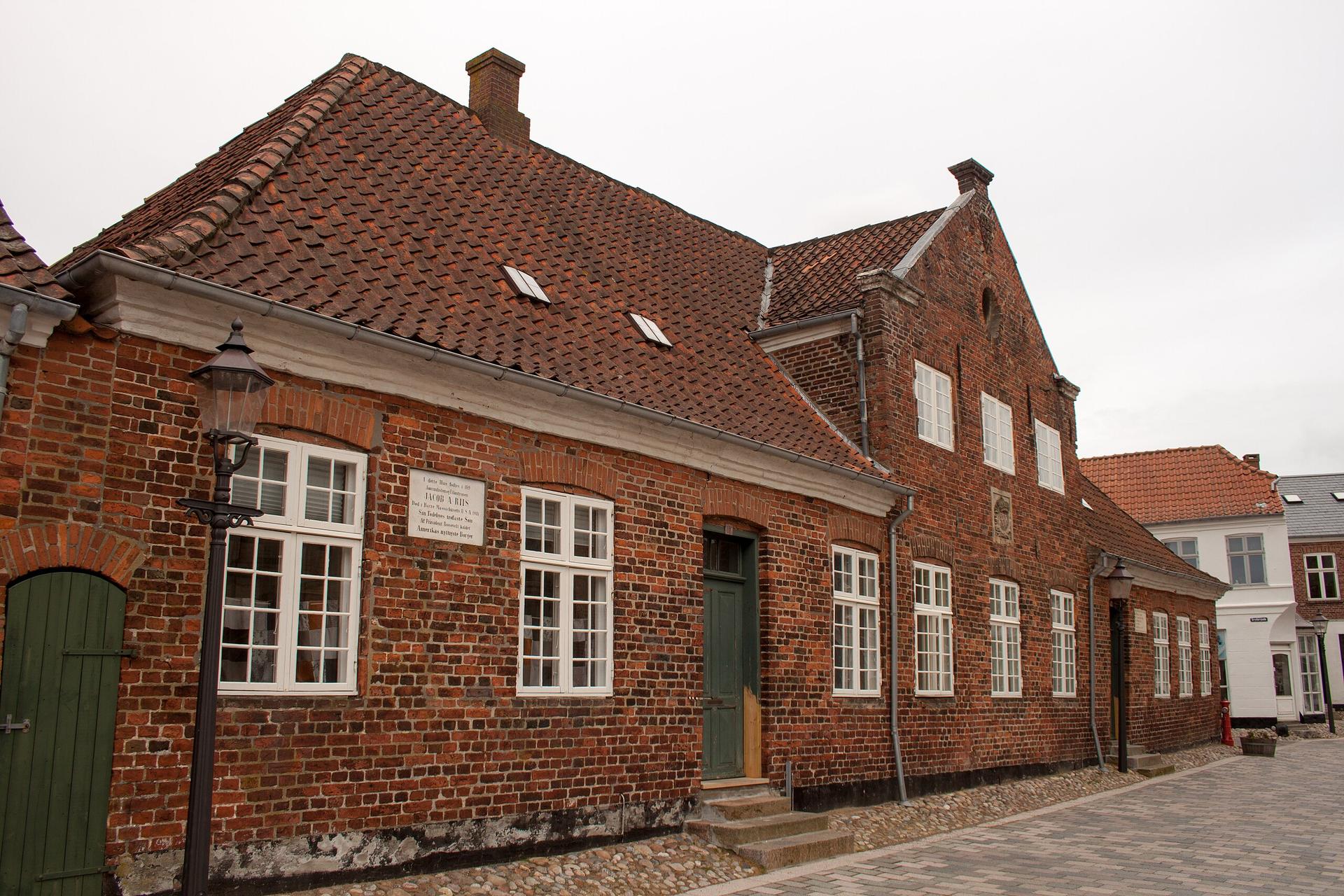
Explore Southern Jutland: A blend of scenic nature, rich history, and delightful cuisine in Denmark's picturesque region.
Tell me more about Southern Jutland
Coastal links golf on Rømø’s windswept southern edge, pairing a championship 18‑hole layout and relaxed pay‑and‑play course with full resort comforts beside the Wadden Sea.
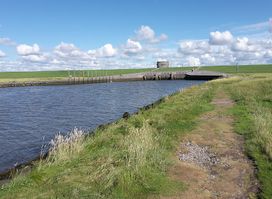
Experience the natural beauty and historical significance of Vidåslusen, a serene Danish tourist attraction perfect for nature lovers and history buffs.