

Trøjborg Castle Ruins Travel Guide
Free Guide: Evocative moated ruins of a former Renaissance manor, Trøjborg offers quiet marshland scenery, layered borderland history and plenty of room for imagination.


A brief summary of Trøjborg Castle Ruins
Evocative moated ruins of a former Renaissance manor, Trøjborg offers quiet marshland scenery, layered borderland history and plenty of room for imagination.
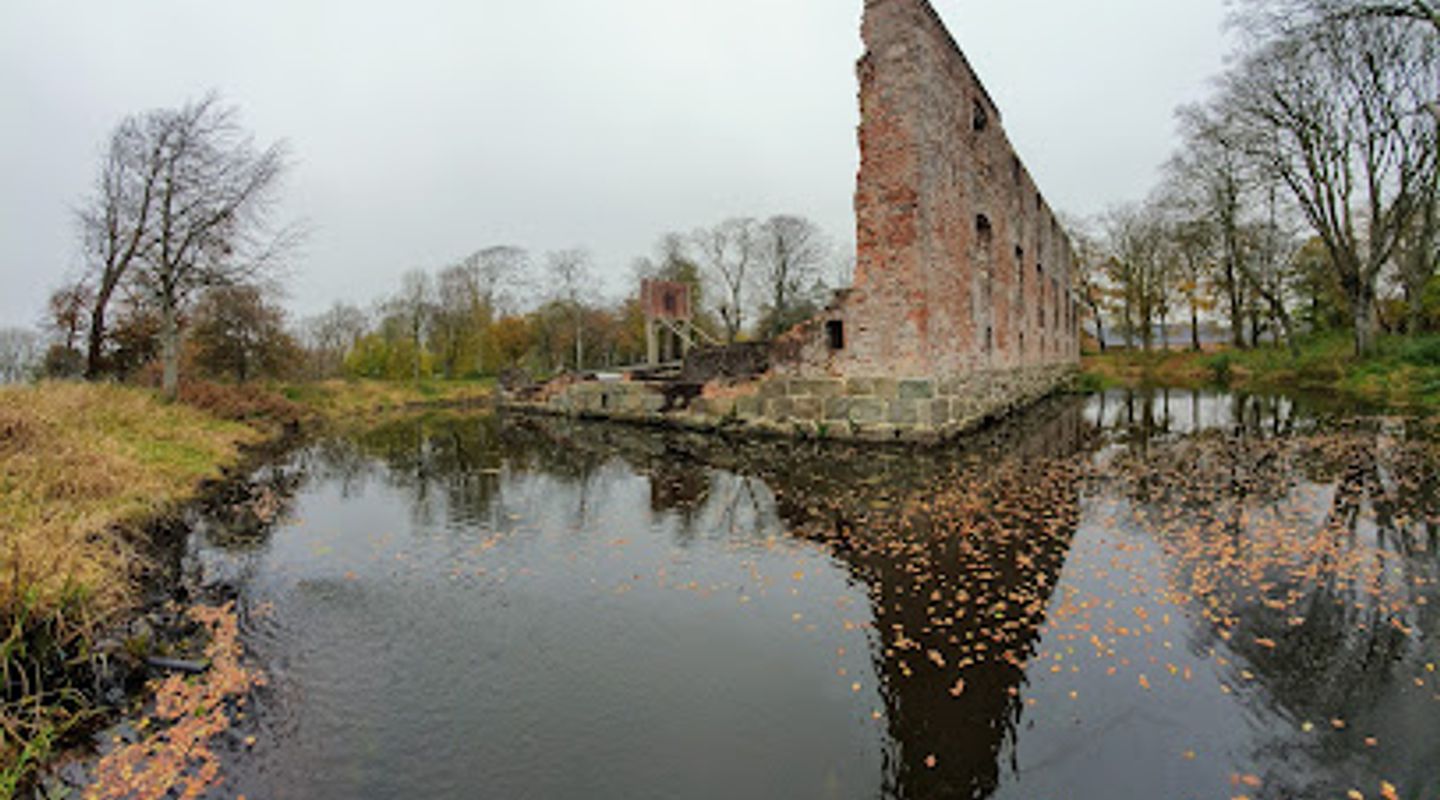
Hidden in the flat marshlands north of Tønder, Trøjborg Castle Ruins are all that remain of one of South Jutland’s grand Renaissance manor castles. Encircled by a still-watered moat and sheltered by old trees, the fragmentary south wall, vaulted cellars and reconstructed portal hint at centuries of power, war and decline. Today the ruins offer a quiet, atmospheric stop where you can wander the grassy courtyard, trace the outlines of lost wings, and let the surrounding countryside frame a richly layered piece of Danish history.
On-site amenities
 Information boards
Opening hours
- Every dayOpen 24 hours
Opening hours as listed on the venue’s Google Business Profile. Hours can change for services and special events, so check with the venue before you go.
- Address
- Trøjborgvej, 6261 Tønder
- Phone
- Website
Getting there
Car from Tønder
Regional train and bicycle
Cycling from Tønder
Discover more about Trøjborg Castle Ruins
From Medieval Stronghold to Renaissance Manor
Trøjborg began as a fortified manor in the Middle Ages, when the Limbek family controlled this corner of Southern Jutland in the 14th century. Later it passed into royal hands under Queen Margrete I as the crown sought firmer control of the borderlands. Over time the modest stronghold grew into a prestigious estate, strategically placed in the wide marsh landscape close to key trade and military routes linking Denmark and the German duchies.In the late 16th century, new owner Peter Rantzau demolished the older castle and commissioned an ambitious four‑winged residence in the Dutch Renaissance style. Built in brick atop granite, with towers in each corner and slate roofs, it was every bit the statement of wealth and influence. Surrounded by water-filled moats, palisades and a drawbridge, Trøjborg combined fashionable architecture with the lingering need for defence in an often-contested frontier region.
A Castle Pulled Down by Its Own Century
By the 18th century, changing tastes and fortunes reshaped Trøjborg yet again. The once-Renaissance castle was remodelled with baroque touches, its interiors updated for comfort rather than conflict. The manor remained important locally, managing extensive farmland and marsh pastures, but its political role waned as borders stabilised and power shifted to other centres.In the 1850s, the story took a dramatic turn. When an attempt to hand the castle over for institutional use failed, the owner chose demolition instead of costly maintenance. Stones were methodically removed and reused on nearby farms, literally scattering Trøjborg’s fabric across the surrounding countryside. Only parts of the south wall and the underground levels survived, saved almost by accident when the bridge over the moat collapsed during the work and halted further dismantling.
The Moated Island in the Marshes
Today you approach Trøjborg across open fields and sheltering woodland until the circular moat appears, still holding dark, still water that mirrors reeds and overhanging branches. The ruins stand on a low, man‑made island in the centre, ringed by grass and mature trees that soften the outlines of brick and stone. Despite the loss of its four wings, the footprint of the former courtyard is clear, and the reconstructed entrance portal hints at the castle’s former symmetry.Stand by the surviving wall and you can still read details in the masonry: blocked openings, lines of dressed stone and brick patterns where floors once ran. Below ground, vaulted cellar spaces and foundations remain cool and damp even on warm days, adding a faint sense of mystery. The wide moat encircling the site underlines how isolated this small island of history once was, even as it managed the surrounding farmland and tenants.
Walking Through Layers of Quiet History
A visit here is less about grand spectacle and more about atmosphere. Paths curve gently around the moat, offering shifting views of the broken wall framed by trees and sky. Birdsong and rustling leaves dominate the soundscape, occasionally joined by the distant noise of agricultural machinery on the horizon. It is easy to picture boats gliding along the water or soldiers guarding the bridge that once controlled entry to the courtyard.Because there is no dense modern development immediately around the ruins, the sense of stepping out of time is strong. Simple information boards typically explain the main phases of Trøjborg’s history and architecture, but much of the experience comes from imagining the missing wings and towers. Families wander the grass, history enthusiasts examine the masonry, and photographers wait for soft light to pick out textures in brick and water.
A Peaceful Stop in the Tønder Borderlands
Trøjborg Castle Ruins sit naturally within a day exploring the Tønder region’s dykes, marshes and historic villages. The landscape that once made this a defensible manor now provides an open, almost meditative backdrop. The flat horizon, big skies and slow-moving clouds contrast with the compact size of the island, inviting unhurried strolling and quiet reflection.There are no lavish facilities here, which helps preserve the low-key, rural character of the site. Visits are usually self-guided and unstructured, leaving you free to linger on the bridge, circle the moat, or stand in the centre of the former courtyard and imagine the four enclosing wings rising around you. In a part of Denmark shaped by shifting borders and loyalties, Trøjborg offers a tangible, quietly evocative link to centuries of power, loss and reinvention.
Evendo Review Centre
 Google
Guest reviews
Best time to go
Quietest: Jan, Feb & Mar · before 8am or at 8pm
Busy times are Evendo estimates for a typical year, to help you plan. Actual crowds vary with events, school holidays and the weather.
Explore Trøjborg Castle Ruins on the map
A handpicked selection of must-see spots near Trøjborg Castle Ruins, mapped for you.
Get your free copy of our complete guide to Trøjborg Castle Ruins, delivered straight to you.
Everything on this page, from opening hours and how to get there to Eve’s tips and the best time to go, in one PDF you can read offline, print or share.
Already have an account? Sign in
Your Trøjborg Castle Ruins guide is ready.
We'll send it to · Not you? Sign out

Getting your guide ready…
We are putting together a fresh copy of the Trøjborg Castle Ruins guide. This can take up to a minute.
This can take a few moments. If your browser asks, choose Allow so the download can start. You'll find the guide in your Downloads folder.
Nothing happened? Download it again
Sorry, the guide is taking longer than usual. Please try again in a minute, or get it by email instead.
Other nearby places you may find interesting
The closest places of the same kind, if this one is not quite what you had in mind.
-
Fregatten Jylland Step aboard one of the world’s great wooden warships in Ebeltoft and explore Danish naval history, royal voyages and life at sea across Jylland’s creaking decks.
-
Sea War Museum Jutland Immersive First World War naval museum on Denmark’s west coast, combining salvaged wreck artifacts with a powerful dune-top memorial to the Battle of Jutland.
-
Jutland Wind-shaped coasts, heather hills, old trading towns and modern cities meet across Denmark’s broad Jutland peninsula between the North Sea and the Baltic.
-
Anno Dom 1913 A small 1913 fountain on Vejle’s church square, Anno Dom 1913 adds quiet historic character and a simple sculptural focus to lively Kirketorvet.
-
Koldinghus Medieval fortress turned royal palace turned award-winning museum—750 years of Danish history in stone and steel.
Swipe for more places
More to explore near Trøjborg Castle Ruins

 Best experiences near Trøjborg Castle Ruins
 Best hotels near Trøjborg Castle Ruins
 Best landmarks near Trøjborg Castle Ruins
 Best attractions near Trøjborg Castle Ruins
 Best shops near Trøjborg Castle Ruins
 Best restaurants near Trøjborg Castle Ruins
 Best bars near Trøjborg Castle Ruins
Do you manage this location?
Take control to get all the benefits, like improved information, better appearance, and stronger visibility across AI-powered discovery.
Explore more

Explore more of Southern Jutland
Explore Southern Jutland: A blend of scenic nature, rich history, and delightful cuisine in Denmark's picturesque region.
Explore Southern Jutland
Explore more of Denmark
Discover Denmark: A perfect blend of history, modern design, and the cozy concept of hygge. Explore vibrant cities, serene landscapes, and world-class cuisine.
Explore Denmark
