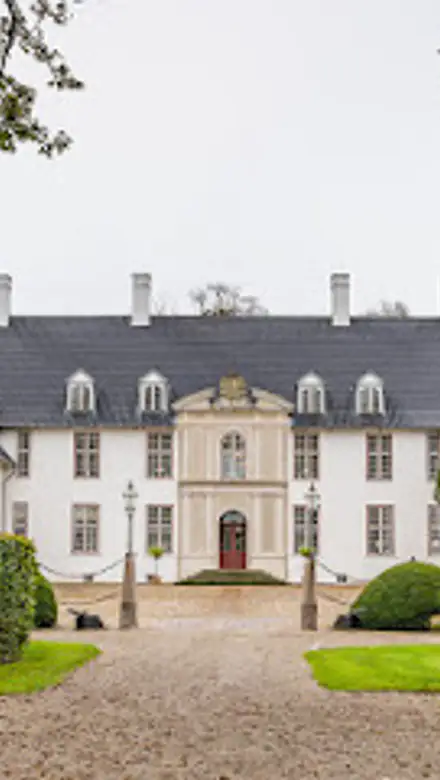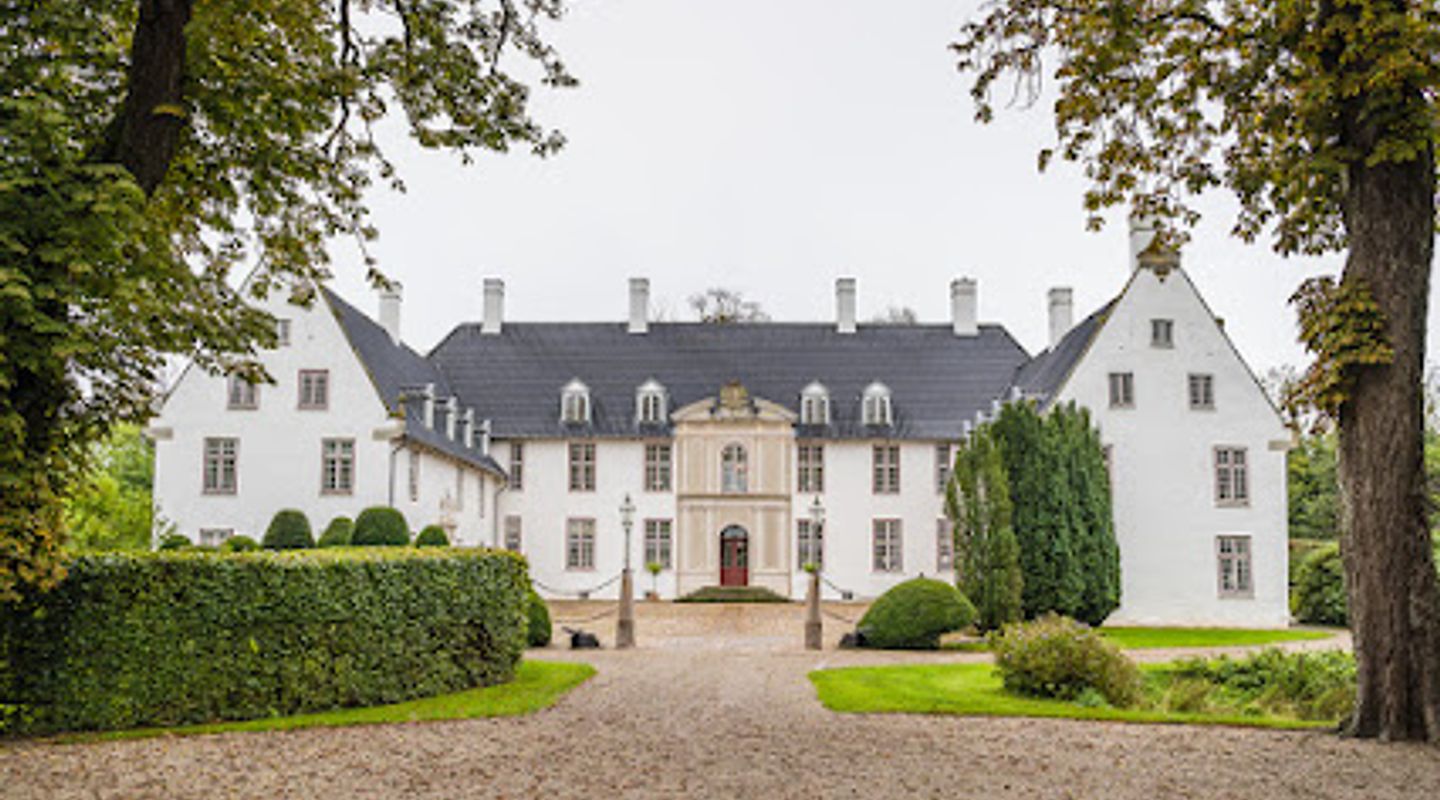
Schackenborg Castle, Southern Jutland Travel Guide
Baroque splendor and timeless beauty in Denmark's most picturesque village street.
Schackenborg Castle is a magnificent baroque château built in 1661 in Møgeltønder, Southern Jutland, Denmark. Originally a bishop's stronghold, it was transformed by Count Hans Schack into an impressive noble residence that remained in his family for eleven generations. The castle features stunning gardens open to the public during summer months, and the surrounding village of Møgeltønder is renowned as one of Denmark's most beautiful village streets. While the castle interior requires advance booking for tours, visitors can freely explore the serene castle park and picturesque surroundings year-round.
A brief summary to Schackenborg Castle
- Schackenborg 1, Tønder, 6270, DK
- Click to display
- Click to display
- Duration: 1.5 to 4 hours
- Mid ranged
-
 Outdoor
- Mobile reception: 4 out of 5

Know before you go
Hi, I'm Eve. Here are a few practical things to know before exploring Schackenborg Castle.
- Book castle interior tours in advance, as they have limited time slots and can fill quickly during peak season. Garden access is free during daytime hours and requires no reservation.
- Allow time to walk through Møgeltønder village and along Slotsgaden, the village's main street, which is considered one of Denmark's most beautiful and offers excellent photo opportunities.
- Visit in summer months when guided garden tours are available and the castle hosts special events. Winter visits are possible but with limited tour availability.
- Combine your visit with nearby attractions including Møgeltønder Church (400m away) and the broader cultural heritage sites of Southern Jutland within easy driving distance.
- Check the official website for special experiences such as gourmet dining events in the castle's dining hall, which are offered seasonally and require advance booking.
Do you manage this location?
Take control to get all the benefits, like improved information, better appearance, and stronger visibility across AI-powered discovery. Learn more about listing your business on Evendo
Activate your presenceOther nearby places you may find interesting
The closest places of the same kind, if this one is not quite what you had in mind.

Explore Schackenborg Castle on the Map
A handpicked selection of must-see spots near Schackenborg Castle, mapped for you.
Getting There
-
Car from Tønder town center
Drive south from Tønder town center toward Møgeltønder, approximately 8 kilometers via Route 407. Journey time is approximately 12–15 minutes. Parking is available at the castle grounds. This is the most practical option for visitors with vehicles.
-
Bus from Tønder
Regional bus services connect Tønder to Møgeltønder village, with journey time approximately 20–30 minutes depending on route and stops. Services operate several times daily but frequency varies seasonally. Check local transport schedules in advance. Buses stop in Møgeltønder village center, approximately 400 meters from the castle entrance.
-
Bicycle from Tønder
Cycling from Tønder to Møgeltønder is feasible via local roads, approximately 8 kilometers on relatively flat terrain. Journey time approximately 25–35 minutes depending on fitness and route chosen. The route passes through rural Danish landscape and is suitable for moderate cyclists. Bike parking is available at the castle.
-
Guided tour from regional operators
Several regional tour operators in Southern Jutland offer guided excursions to Schackenborg Castle combined with visits to nearby attractions. Tours typically include transport from Tønder or other regional centers, guided commentary, and entrance to castle gardens. Prices range approximately 400–800 Danish kroner per person depending on tour duration and inclusions. Advance booking is essential.
For the on-the-go comforts that matter to you
-
 Food Options
-
 Seating Areas
-
 Information Boards
-
 Restrooms
Discover more about Schackenborg Castle
A Baroque Masterpiece on Denmark's Southern Border
Schackenborg Castle stands as one of Northern Europe's most impressive baroque châteaux, rising majestically from the fertile landscape of Southern Jutland near the German border. Built in 1661 by Count Hans Schack, a celebrated war hero and nobleman, the castle replaced an earlier medieval stronghold known as Møgeltønderhus. The original fortress had served the Roman Catholic bishops of Ribe as a strategic defense against Frisians from the south and as a guardian of the vital waterway connecting Vidå to Tønder. When the Reformation swept through Denmark, the crown confiscated the property, and King Frederick III rewarded Schack's military service by granting him the estate. Schack's vision transformed the deteriorating medieval structure into a refined baroque palace that would define the landscape for centuries to come.Eleven Generations of Noble Heritage
For over three centuries, Schackenborg remained the seat of the von Schack family, passing through eleven generations of nobility who shaped its character and expanded its influence across the region. The castle and its extensive lands became a symbol of Danish aristocratic power and cultural refinement, accumulating art, porcelain, and architectural treasures that reflected the family's prominence. In 1978, after nearly 300 years of private ownership, the property reverted to the Danish Royal Family. The castle gained international attention in 1993 when it became the residence of Prince Joachim of Denmark, the younger son of Queen Margrethe II. For his wedding in 1995, a national collection raised several million Danish kroner—known as the "Nation's Gift"—which funded a comprehensive restoration programme. Prince Joachim and his family occupied the castle until 2014, when it was transferred to a foundation that now manages it as a cultural and hospitality destination.The Enchanting Village of Møgeltønder
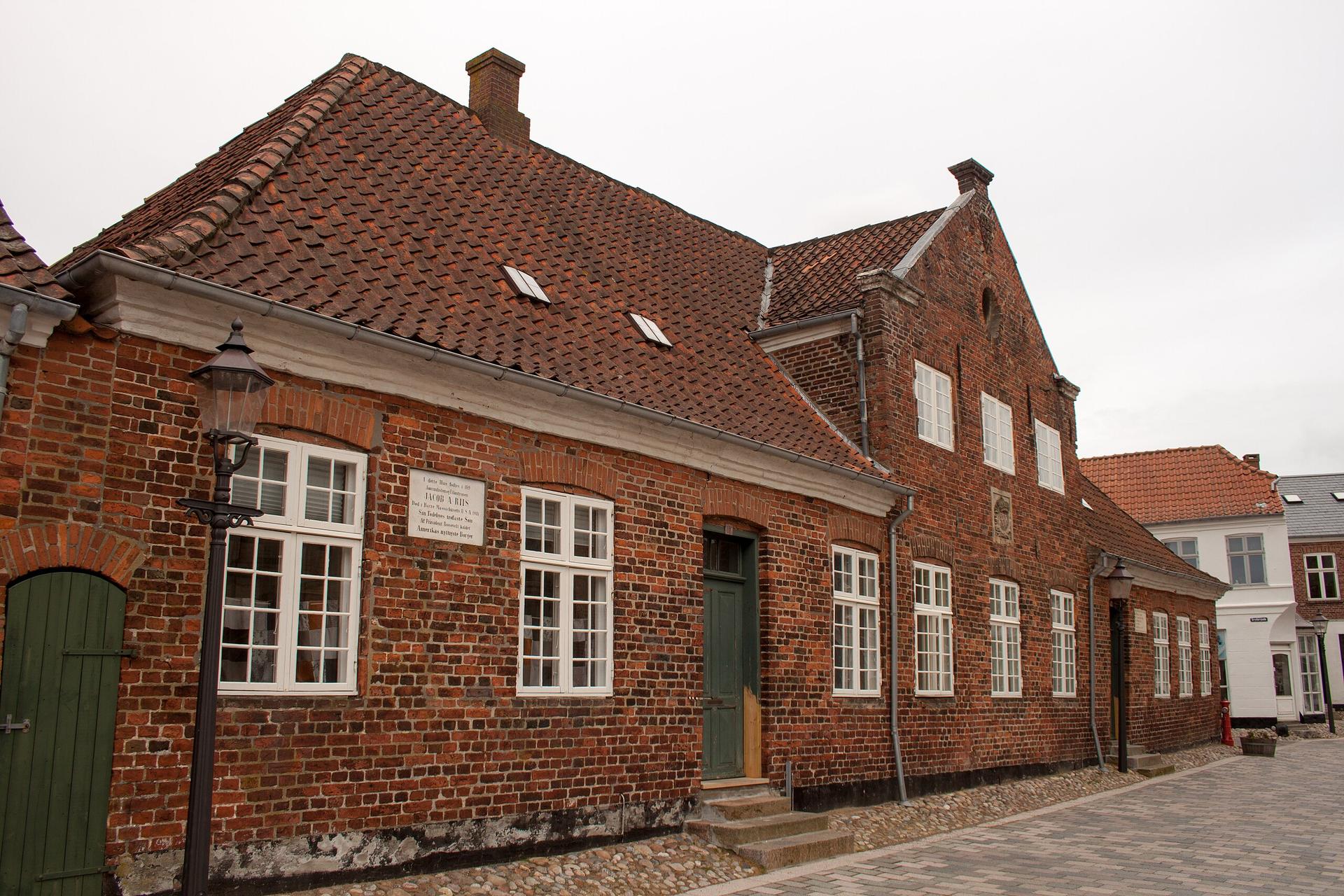
The castle's setting within Møgeltønder village creates an unparalleled atmosphere of historical authenticity and visual beauty. Slotsgaden, the main street leading to the castle, is widely regarded as one of Denmark's most beautiful village streets, lined with meticulously preserved period buildings that transport visitors back to the 18th century. The street's elegant proportions, charming architecture, and harmonious streetscape create an immersive historical experience that complements the castle itself. Møgeltønder Church, located just 400 meters from the castle, is one of Southern Jutland's largest village churches, originally constructed around 1180 and representing centuries of spiritual and community life. Walking through this village offers visitors a complete sensory journey through Danish heritage, with each building contributing to a cohesive narrative of regional identity and cultural continuity.Gardens, Parks, and Seasonal Experiences
The castle's surrounding park represents one of its greatest attractions, offering visitors a serene oasis of manicured gardens, mature trees, and carefully designed landscapes. The castle gardens are accessible to the public during daytime hours, providing a peaceful environment for contemplation and exploration. The park's design reflects centuries of aesthetic refinement, with pathways, plantings, and vistas carefully orchestrated to enhance the castle's architectural presence. During summer months, guided tours of the gardens and castle interior are available by advance booking, allowing visitors deeper insight into the property's history, art collections, and architectural details. The interior tours reveal rooms adorned with historical furnishings, fine art, intricate plaster ceilings, and decorative porcelain that illustrate the castle's role as a center of Danish cultural life.Archaeological Significance and Ancient Prosperity
The land surrounding Schackenborg holds profound historical significance extending far beyond the castle itself. The fertile landscape has attracted human settlement since ancient times, and the region was clearly prosperous during the Germanic Iron Age. Just kilometers from the castle, Denmark's most sensational and richest gold find was discovered—two elaborate and beautiful gold horns dating to the 4th century, found almost 100 years apart. These artifacts testify to the area's wealth and importance in antiquity, suggesting that the strategic and agricultural advantages that made Schackenborg valuable to medieval bishops and noble families had been recognized for millennia. This archaeological heritage adds layers of meaning to the landscape, connecting the castle to a continuum of human civilization spanning thousands of years.Contemporary Hospitality and Cultural Offerings
In recent years, Schackenborg has evolved beyond its role as a private residence to become a destination for cultural experiences and luxury hospitality. The Schackenborg Castle Inn, located nearby, offers visitors accommodation and dining options. Most notably, the castle has begun hosting exclusive culinary experiences, including gourmet dinners in the iconic dining hall—a rare opportunity to dine within the castle's historic walls. The foundation's stewardship has balanced preservation of the property's heritage with thoughtful public access, creating opportunities for visitors to engage with the castle's history while respecting its character as a significant cultural monument. These initiatives reflect a modern approach to heritage management that honors the past while creating meaningful contemporary experiences.












Your all‑in‑one travel companion app
Explore expert travel guides, compare and book tours, experiences, hotels, and more—all from the palm of your hand. Download now for seamless trip planning wherever your wanderlust takes you.


Explore More of Southern Jutland
Looking beyond Schackenborg Castle? Discover Southern Jutland for broader travel guides, local hot-spots, and regional highlights.
Explore Southern Jutland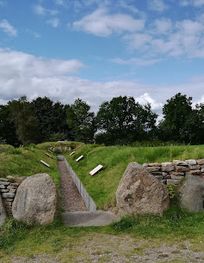
Explore the ancient Langbett Munkwolstrup burial chamber, a remarkable historical site in Oeversee, rich with cultural significance and scenic beauty.
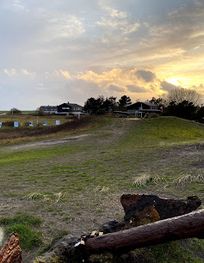
A modest grassy mound above Havneby harbour where two 17th‑century cannons, wide Wadden Sea views and Rømø’s maritime past quietly meet.