

Spidsbjerg Rømø Travel Guide
Free Guide: Denmark's most beautiful dune-top vista, where modest elevation meets boundless North Sea horizons.


A brief summary of Spidsbjerg Rømø
Denmark's most beautiful dune-top vista, where modest elevation meets boundless North Sea horizons.
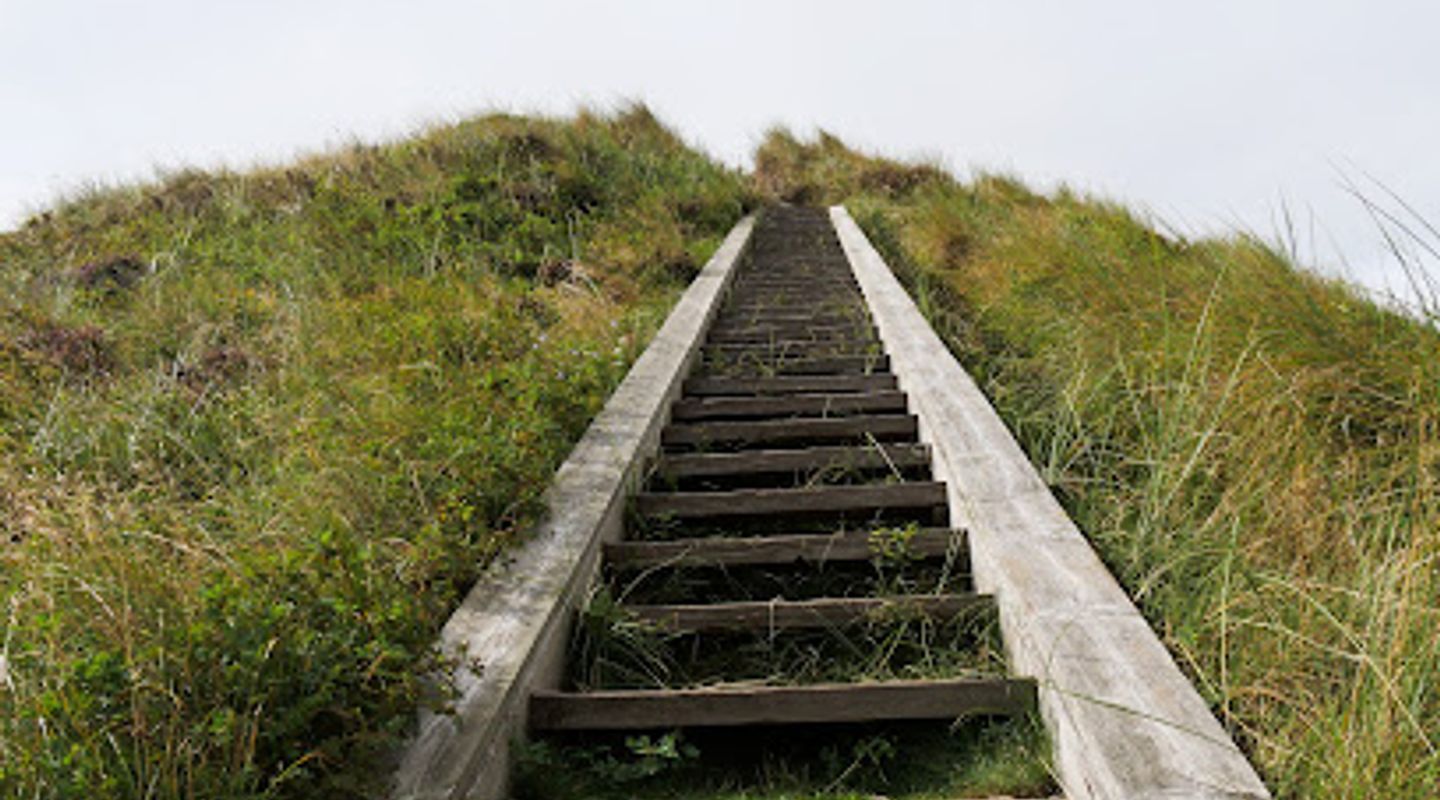
Spidsbjerg is a modest 18-metre hill located within Kirkeby Plantage on the Danish island of Rømø, offering panoramic views across windswept dunes, heathland, and the North Sea. Accessible via 50 wooden steps, this natural vantage point rewards visitors with expansive sightlines over parabolic sand dunes, distant horizons, and on clear days, glimpses of the German island of Sylt and the mainland town of Esbjerg. The surrounding landscape features pine forests, open heaths with bell heather and crowberry, and marked walking trails through one of Denmark's most distinctive coastal ecosystems.
On-site amenities
 Parking areas
 Information boards
 Seating areas
 Trash bins
Opening hours
- Every dayOpen 24 hours
Opening hours as listed on the venue’s Google Business Profile. Hours can change for services and special events, so check with the venue before you go.
- Address
- 6792 Rømø
Getting there
Car via Rømø Dam
Bus from Skaerbaerk
Ferry from Sylt, Germany
Walking from Rømø Church
Discover more about Spidsbjerg Rømø
A Modest Summit with Extraordinary Vistas
Spidsbjerg stands as Rømø's highest point at just 18 metres—a gentle elevation that belies the remarkable panoramic experience awaiting visitors at its peak. Accessed via 50 wooden steps carved into the sandy slope, the climb is brief yet rewarding, offering an intimate encounter with the island's windswept character. From the summit, the landscape unfolds in all directions: westward across parabolic sand dunes fading toward the North Sea, southward toward Havneby harbour and the German island of Sylt, northward across Kirkeby Plantage toward the Rømø dyke, and on exceptionally clear days, eastward to the distant silhouette of Esbjerg on the mainland horizon.
Kirkeby Plantage: Forest and Heathland Mosaic
Spidsbjerg sits within Kirkeby Plantage, Rømø's largest and most ecologically diverse plantation. This 100-year-old forest landscape was established on harsh dune heath conditions and now comprises primarily pine trees interspersed with open areas of bog, salt meadows, and even a small forest lake—Hviddal Sø, originally dug as a fire pond in 1980. The plantation's northern section features a distinctive firebreak with low, gnarled oak trees, while the broader forest canopy creates sheltered corridors for walking. The open heathland areas showcase bell heather and crowberry vegetation, creating a striking visual contrast between cultivated woodland and wild dune ecosystem.
Walking Routes and Landscape Exploration
Two main walking trails serve the area. A 3-kilometre marked yellow route departs from one of two car parks at Havnebyvej, leading through varied terrain of pine forest and open heaths before reaching Spidsbjerg. A longer 4-kilometre circuit also begins from the car parks and loops through the broader plantation, offering deeper immersion in Kirkeby's ecological diversity. An unmarked but popular route follows the crests of a massive parabolic sand dune—shaped almost like a horseshoe with two prongs jutting northward—located a few hundred metres southeast of Spidsbjerg. This natural amphitheatre of dunes, with its winding paths ascending and descending the sandy slopes, proves especially popular with families and children exploring the island's dynamic coastal geomorphology.
Ecological and Historical Significance
Spidsbjerg and its surrounding plantations represent a carefully managed balance between human land stewardship and natural coastal processes. The dune heaths support distinctive plant communities adapted to poor, sandy soils and salt-laden winds. The broader Rømø landscape holds significant Second World War heritage; 15 of the island's 50 surviving bunkers are located within the plantation hills, remnants of German coastal fortifications. These historical structures, mostly sealed but occasionally accessible, add a layer of historical context to the natural landscape exploration.
Seasonal Character and Weather Dynamics
The exposed position of Spidsbjerg and its surrounding heathland means the site experiences significant wind exposure and rapid weather changes typical of North Sea coastal environments. Winter months bring stark, dramatic lighting and clearer atmospheric conditions that can extend visibility to the German coast. Spring and early summer showcase the flowering of heather and bell heather, transforming the landscape into subtle purple and pink hues. Autumn brings cooler temperatures and often clearer skies, while summer can bring haze and occasional fog from the North Sea. The site remains accessible year-round, though winter conditions may occasionally render paths muddy or slippery.
Evendo Review Centre
 Google
Guest reviews
Best time to go
Quietest: Jan, Feb & Dec · before 6am or at 9pm
Busy times are Evendo estimates for a typical year, to help you plan. Actual crowds vary with events, school holidays and the weather.
Explore Spidsbjerg Rømø on the map
A handpicked selection of must-see spots near Spidsbjerg Rømø, mapped for you.
Get your free copy of our complete guide to Spidsbjerg Rømø, delivered straight to you.
Everything on this page, from opening hours and how to get there to Eve’s tips and the best time to go, in one PDF you can read offline, print or share.
Already have an account? Sign in
Your Spidsbjerg Rømø guide is ready.
We'll send it to · Not you? Sign out

Getting your guide ready…
We are putting together a fresh copy of the Spidsbjerg Rømø guide. This can take up to a minute.
This can take a few moments. If your browser asks, choose Allow so the download can start. You'll find the guide in your Downloads folder.
Nothing happened? Download it again
Sorry, the guide is taking longer than usual. Please try again in a minute, or get it by email instead.
Other nearby places you may find interesting
The closest places of the same kind, if this one is not quite what you had in mind.
-
-


Swipe for more places
More to explore near Spidsbjerg Rømø

 Best experiences near Spidsbjerg Rømø
 Best hotels near Spidsbjerg Rømø
 Best landmarks near Spidsbjerg Rømø
 Best attractions near Spidsbjerg Rømø
 Best shops near Spidsbjerg Rømø
 Best restaurants near Spidsbjerg Rømø
 Best bars near Spidsbjerg Rømø
Do you manage this location?
Take control to get all the benefits, like improved information, better appearance, and stronger visibility across AI-powered discovery.
Explore more

Explore more of Southern Jutland
Explore Southern Jutland: A blend of scenic nature, rich history, and delightful cuisine in Denmark's picturesque region.
Explore Southern Jutland
Explore more of Denmark
Discover Denmark: A perfect blend of history, modern design, and the cozy concept of hygge. Explore vibrant cities, serene landscapes, and world-class cuisine.
Explore Denmark
