Jutland's Automobile Museum, Samso Travel Guide
A quietly charismatic car museum in rural Jutland, showcasing 160 historic Danish‑registered vehicles from 1900–1980s in simple halls rich with nostalgia.
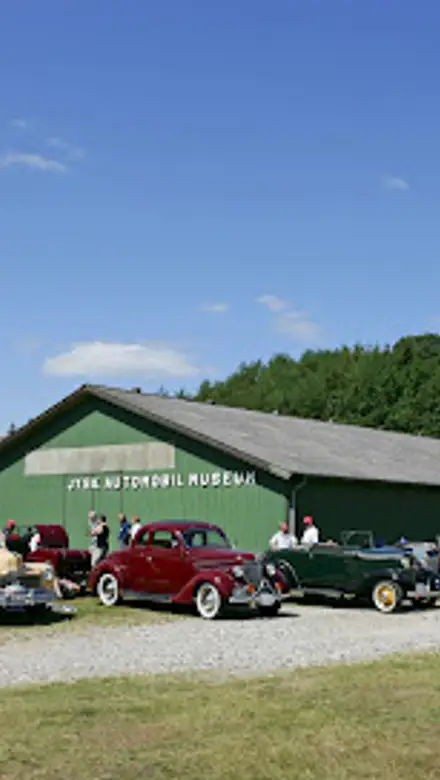
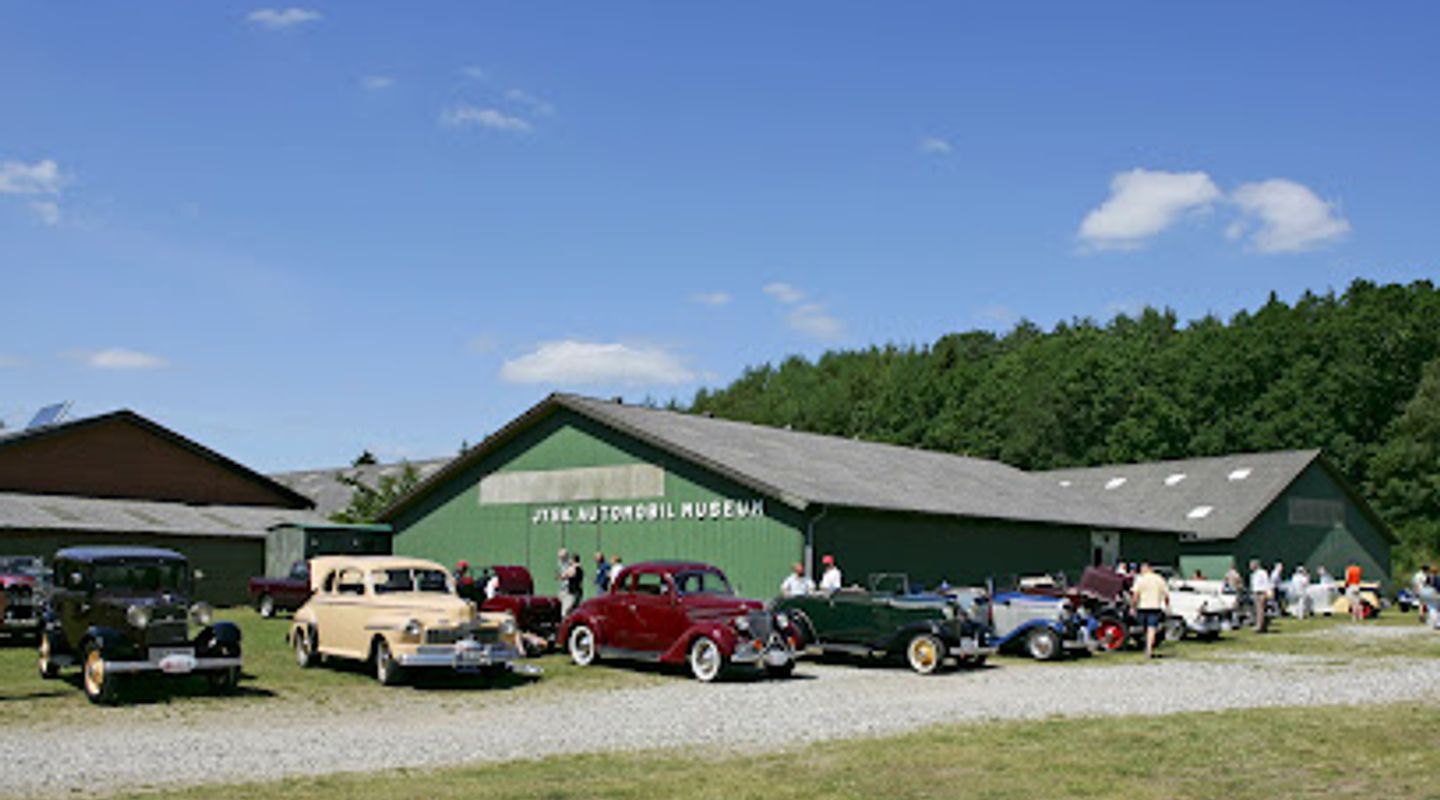
Jutland’s Automobile Museum in Gjern is a privately founded car museum showcasing around 160 historic vehicles, from pioneering 1900s models to postwar classics. Housed in simple, spacious halls just outside the Jutland countryside town of Gjern, it offers a deeply nostalgic journey through 20th‑century motoring with Danish‑registered cars, vintage motorcycles, fire engines and automobilia such as enamel signs and tools. It is a quiet, contemplative stop ideal for enthusiasts.
A brief summary to Jutland's Automobile Museum
- Skovvejen 13B, Gjern, 8883, DK
- Click to display
- Click to display
- Duration: 1.5 to 3 hours
- Budget
-
 Indoor
- Mobile reception: 4 out of 5
- Monday 10 am-4 pm
- Tuesday 10 am-4 pm
- Wednesday 10 am-4 pm
- Thursday 10 am-4 pm
- Friday 10 am-4 pm
- Saturday 10 am-4 pm
- Sunday 10 am-4 pm

Know before you go
Hi, I'm Eve. Here are a few practical things to know before exploring Jutland's Automobile Museum.
- Allow at least two hours if you enjoy reading vehicle details; dedicated enthusiasts may want three hours or more to fully explore all three halls.
- Bring a light jacket: the exhibition halls are spacious and can feel cool on overcast or windy days, even in summer.
- Look for the oldest vehicles first, including the early‑1900s cars and the 1911 Adler fire engine, to better appreciate how later models evolved.
- Photography for personal use is generally fine, but avoid touching the vehicles and watch for any signs indicating restricted areas.
- Combine your visit with nearby walks in the Gjern hills or a meal in Silkeborg or Aarhus to make a relaxed day trip in central Jutland.
Do you manage this location?
Take control to get all the benefits, like improved information, better appearance, and stronger visibility across AI-powered discovery. Learn more about listing your business on Evendo
Activate your presenceOther nearby places you may find interesting
The closest places of the same kind, if this one is not quite what you had in mind.



Explore Jutland's Automobile Museum on the Map
A handpicked selection of must-see spots near Jutland's Automobile Museum, mapped for you.
Getting There
-
Car from Silkeborg
Driving from central Silkeborg typically takes 20–25 minutes to reach the museum in Gjern via regional roads. Traffic is usually light, and the route passes through rural landscapes. Parking at the museum is free and generally available directly by the entrance, but larger classic‑car events can make it busier on selected days.
-
Car from Aarhus
From Aarhus, plan around 45–60 minutes by car using main highways followed by regional roads towards Gjern. The drive is straightforward and toll‑free. Fuel costs will be the main expense; there is no separate road fee specific to this route, and parking at the museum itself does not normally incur a charge.
-
Regional bus connection
It is possible to combine a train to Silkeborg with a regional bus towards Gjern, usually taking 45–70 minutes in total depending on connections. Services run with limited frequency, especially on weekends and holidays, and the nearest bus stop may require a short walk on local roads. Standard Midtjylland bus fares apply, typically in the range of 20–60 DKK one way depending on zones.
-
Cycling from Gjern town
From the centre of Gjern, reaching the museum by bicycle is a realistic option, often taking around 10–20 minutes at a relaxed pace. The route follows local roads with some gentle hills characteristic of the Søhøjlandet area. Surfaces are paved but may include narrow sections without separate bike lanes, so confident road cycling skills are recommended.
For the on-the-go comforts that matter to you
-
 Restrooms
-
 Seating Areas
-
 Trash Bins
-
 Information Boards
Discover more about Jutland's Automobile Museum
A century of motoring gathered in rural Jutland
Jutland’s Automobile Museum sits on the edge of the small town of Gjern, surrounded by soft Midtjylland hills and farmland. Inside its unassuming sheds, you step into more than eight decades of automotive history. Around 160 vehicles trace the evolution of the car from the early 1900s to the late 1980s, with each model once registered on Danish roads. The atmosphere is more curated garage than glossy attraction: bare concrete floors, the faint smell of oil and rubber, and rows of machines lined up nose‑to‑tail.The museum grew from a private passion rather than a grand institutional plan, and that is part of its charm. You are never far from the sense that these machines were driven, serviced and cared for by people who knew every rattle and quirk. That lived‑in authenticity gives the collection an intimacy that suits its rural setting.From brass‑era pioneers to postwar family cars
One hall leads you through the earliest years of motoring, when cars looked more like motorised carriages. Among the highlights is a Vivinus from 1900, one of the first cars to appear in Jutland, its spindly wheels and upright bodywork evoking an age when seeing a car on a dirt road would stop conversation. Nearby, other pre‑First World War models show how quickly automotive design matured in just a couple of decades.Moving forward in time, interwar and postwar cars stand shoulder to shoulder: rounded American sedans from the so‑called Bonnie and Clyde era, compact European saloons and elegant touring cars. Many still wear period colours and trim, with polished chrome grilles and sweeping fenders that catch the light. These are not just showpieces but representatives of brands and body styles that once defined status, progress and freedom across Denmark.Fire engines, two‑wheelers and working machines
The collection reaches beyond private cars. A particularly striking piece is an Adler fire engine from 1911, equipped with a water‑hydraulic ladder that once drew attention even at an international exposition in Berlin. Its towering structure and bright paint make it a focal point of the hall, and a reminder of how specialized vehicles evolved alongside everyday passenger cars.Motorcycles and mopeds form their own corner of the museum. Classic European bikes line up with Danish icons, including early examples of the locally produced Nimbus with its distinctive exposed exhaust often nicknamed the “stove‑pipe”. Nearby, small scooters and cabin‑scooters speak to the postwar search for affordable mobility, blurring the line between motorcycle and microcar.Patina, barn finds and a mechanic’s eye
Not every vehicle here gleams. One hall is devoted to unrestored cars displayed almost as barn finds: dust, faded paint and worn interiors left largely untouched. This contrast between polished restorations and preserved patina gives an insight into different philosophies of conservation. It allows you to see how time, weather and use leave their mark on metal, wood and fabric.Throughout the buildings, enamel advertising signs, tools, cutaway gearboxes and bare chassis add context. These pieces highlight the workshop world that kept vehicles running: spanners on the wall, oil cans, and demonstration engines that expose pistons and valves. The technical side of motoring—often hidden under bodywork—becomes part of the story, inviting a slower, more curious look.A quiet, focused visit for dedicated enthusiasts
The museum’s layout is straightforward: three main halls, wide aisles and mostly open floor space, making it easy to wander at your own pace. Explanatory boards and small labels help situate each vehicle in time, brand and country of origin, though the focus remains firmly on the machines themselves. There is little in the way of multimedia staging; instead, the collection relies on the physical presence of steel, glass and rubber to spark the imagination.For many visitors the experience is as much about personal memory as about history. You may spot the same model your grandparents drove, recognise a motorcycle once parked on your childhood street, or discover obscure marques long vanished from modern roads. This combination of nostalgia, engineering interest and rural calm makes Jutland’s Automobile Museum an appealing half‑day stop in central Denmark, especially for those with a keen eye for classic vehicles.More to explore near Jutland's Automobile Museum













Your all‑in‑one travel companion app
Explore expert travel guides, compare and book tours, experiences, hotels, and more—all from the palm of your hand. Download now for seamless trip planning wherever your wanderlust takes you.


Explore More of Samso

Looking beyond Jutland's Automobile Museum? Discover Samso for broader travel guides, local hot-spots, and regional highlights.
Explore Samso
A quiet world of global trees in a 200‑year‑old Silkeborg forest, where wetlands, wildlife and easy woodland paths create a free, low‑key escape close to town.
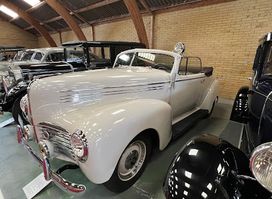
A quietly remarkable private collection in Gjern, where Danish-registered classics, barn finds and fire engines trace more than a century of everyday motoring.