Jutland’s Automobile Museum (Jysk Automobilmuseum), Gjern
A quietly remarkable private collection in Gjern, where Danish-registered classics, barn finds and fire engines trace more than a century of everyday motoring.
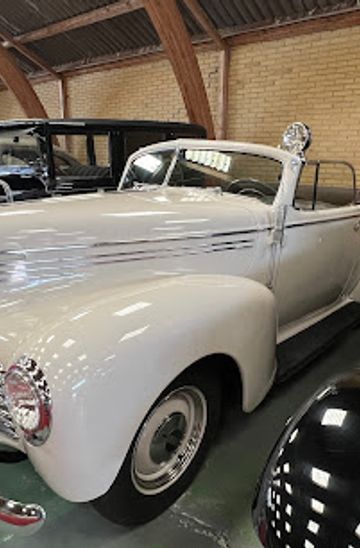
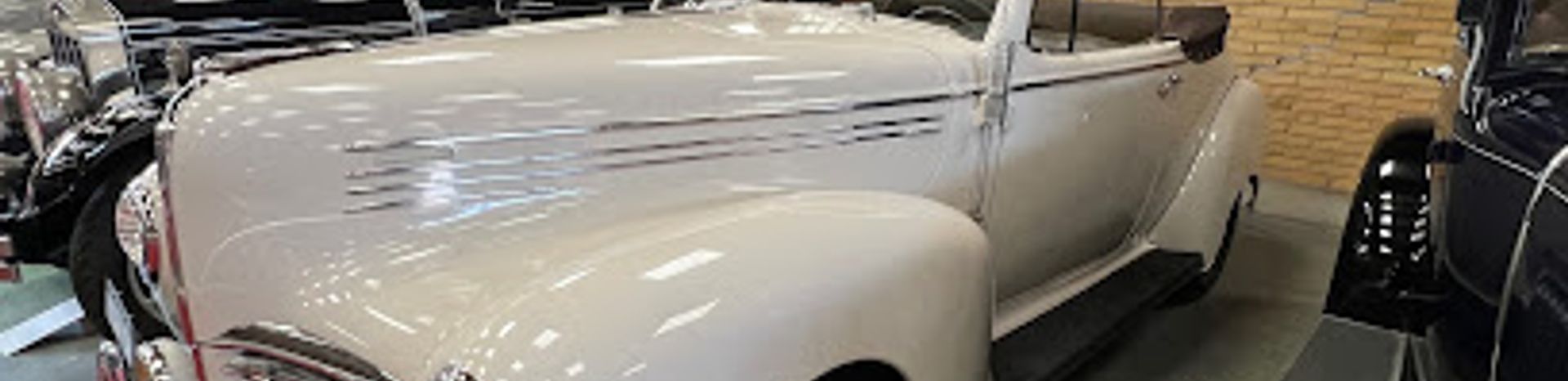
Tucked away in the small town of Gjern, Jutland’s Automobile Museum is a privately founded treasure trove of Danish motoring heritage. Spread across several simple exhibition halls, it showcases more than a hundred historic vehicles, with a strong focus on pre–World War II cars that were all once registered in Denmark. Fire engines, motorcycles, microcars and period enamel signs round out a collection that feels more like an enthusiast’s life’s work than a polished national museum, making it a rewarding stop for devoted car lovers.
A brief summary to Jutland's Automobile Museum
- Skovvejen 13B, Gjern, 8883, DK
- Click to display
- Click to display
- Duration: 1 to 3 hours
- Budget
-
 Indoor
- Mobile reception: 4 out of 5
- Monday 10 am-4 pm
- Tuesday 10 am-4 pm
- Wednesday 10 am-4 pm
- Thursday 10 am-4 pm
- Friday 10 am-4 pm
- Saturday 10 am-4 pm
- Sunday 10 am-4 pm

Know before you go
Hi, I'm Eve. Here are a few practical things to know before exploring Jutland's Automobile Museum.
- Plan at least 1.5–2 hours if you have a strong interest in classic cars; dedicated enthusiasts may easily spend longer exploring details and comparing models.
- Bring a light layer in cooler months, as the exhibition halls can feel chilly due to their large, open layout.
- Photography for personal use is generally acceptable, but avoid touching vehicles and watch for any signs indicating specific restrictions.
- Combine your visit with nearby nature areas and viewpoints around Gjern to turn the museum stop into a relaxed half-day outing.
- Check current opening hours before you go; hours can vary seasonally and may differ on certain weekdays or holidays.
Do you manage this location?
Take control to get all the benefits, like improved information, better appearance, and stronger visibility across AI-powered discovery. Learn more
Activate your presence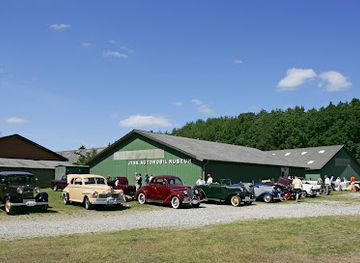
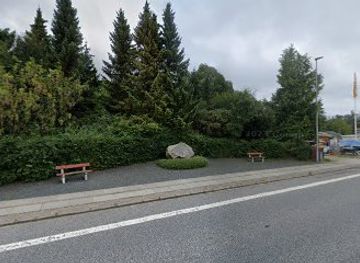
Getting There
-
Car from Aarhus
Driving from central Aarhus to Jutland’s Automobile Museum typically takes about 45–60 minutes, depending on traffic. The route follows main regional roads through East Jutland and is straightforward for standard vehicles in all seasons. Parking is usually available directly by the museum and is generally free of charge, but spaces can fill more quickly on sunny weekends and during school holidays.
-
Car from Silkeborg
From Silkeborg, the museum is around 20–30 minutes by car through gently rolling countryside. The roads are paved and suitable for ordinary passenger cars, with no special vehicle requirements. In winter, allow a little extra time in case of snow or ice on smaller rural stretches. Parking beside the museum is normally free, making this an easy half-day excursion from the town.
-
Regional bus via Silkeborg or Aarhus
It is possible to reach Gjern using regional buses that connect via Silkeborg or, less frequently, via Aarhus, with a typical total journey of 1–1.5 hours including a change. Services usually operate hourly or every couple of hours during daytime, with reduced frequency in the evening and on weekends. A one-way adult ticket within this part of Jutland commonly costs in the range of 30–70 DKK, depending on starting point and specific zones. Expect a short walk from the nearest bus stop in Gjern to the museum along local roads.
For the on-the-go comforts that matter to you
-
 Restrooms
-
 Drink Options
-
 Food Options
-
 Seating Areas
-
 Trash Bins
-
 Information Boards
Discover more about Jutland's Automobile Museum
A private passion project in the heart of Jutland
Jutland’s Automobile Museum in Gjern is the result of one man’s lifelong fascination with cars. Founded in 1967 by enthusiast Aage Louring and still run by his family, the museum has grown into a dense, atmospheric collection that traces how Danes have driven, worked and travelled over the last century. There is no glossy multimedia show here; instead you step into a series of halls where the vehicles themselves tell the story.The focus is squarely on originality and history. Every car, truck and motorcycle on display has at some point been registered for use on Danish roads, making the museum as much a social archive as a technical one. It is the kind of place where you can imagine the previous owners loading luggage for a summer holiday or heading to work on a frosty morning, rather than anonymous showpieces set apart from everyday life.From brass-era tourers to postwar family workhorses
The first impression is sheer variety. Rows of gleaming pre-war saloons and tourers line up across the main hall, many with tall, narrow tyres and upright radiators that immediately signal the earliest days of motoring. You will find European marques alongside American imports from the so-called Bonnie and Clyde era, their sweeping fenders and chrome details evoking the glamour and danger of interwar roads.Beyond the pre-war gems, later decades are represented by familiar shapes from the 1950s to the 1980s: compact family cars, modest saloons and practical estates that once filled Danish car parks. The emphasis remains on authenticity rather than rarity, so you encounter many variations of similar models, allowing you to notice subtle evolutions in design and engineering over time.Unrestored barn finds and working vehicles
One of the most evocative spaces is a hall devoted to unrestored “barn find” cars. Here, dust, faded paint and cracked upholstery are preserved rather than polished away. Standing among them, you get an almost cinematic sense of vehicles paused mid-story, waiting for their next chapter. It is an effective counterpoint to the freshly restored cars in the main halls.The collection also stretches beyond private cars. Historic fire engines stand ready with polished brass and bright red paintwork, while a few trucks hint at the work of moving goods across Jutland before modern motorways. Motorcycles, mopeds, cabin scooters and even small city runabouts like the Ellert add two- and three-wheeled perspectives to the narrative.Details, tools and design ephemera
Part of the charm lies in the smaller objects scattered among the vehicles. Vintage enamel petrol signs hang from the walls, old tools sit beside cutaway gearboxes and chassis, and various engines rest on stands, revealing their inner workings. These details help explain how the machines functioned and how mechanics kept them running long before digital diagnostics.Rather than overwhelming visitors with technical jargon, the displays rely on straightforward information panels outlining origin, year and a few key facts. This approach suits both dedicated enthusiasts, who bring their own knowledge, and curious newcomers, who simply want to understand what they are looking at without too much complexity.A quiet, focused visit for true car enthusiasts
A visit to Jutland’s Automobile Museum is typically a calm, self-guided experience. There is space to move slowly along each row, pausing to peer into cabins, compare dashboards or trace the curves of fenders with your eyes. It is not an interactive playground, and younger children may find the static displays less engaging, but anyone with a fondness for mechanical history can easily become absorbed for a couple of hours.Because the museum sits in a rural area surrounded by gentle Jutland landscapes, it is often combined with a wider exploration of nearby forests, lakes and small towns. Many visitors treat it as a rewarding stop on a road trip through central Denmark, a place where the car they arrive in feels suddenly part of a much longer story of wheels turning across the peninsula.Explore the best of what Jutland's Automobile Museum has to offer













More about Central Jutland
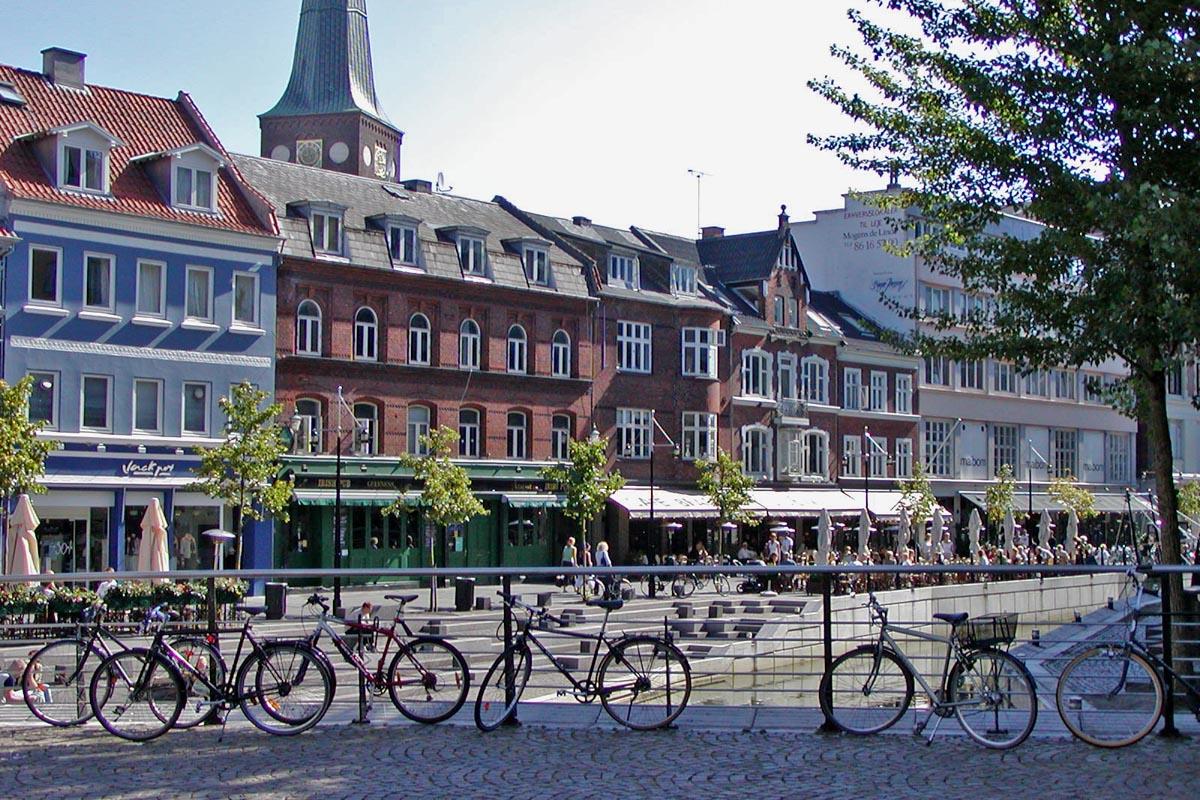
Explore Central Jutland in Denmark: A perfect blend of natural beauty, cultural heritage, and family-friendly attractions.
Tell me more about Central Jutland
Denmark's oldest steamship still operating with its original 1861 engine, offering historic cruises through the scenic Silkeborg Lake District.
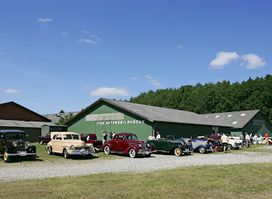
A quietly charismatic car museum in rural Jutland, showcasing 160 historic Danish‑registered vehicles from 1900–1980s in simple halls rich with nostalgia.